
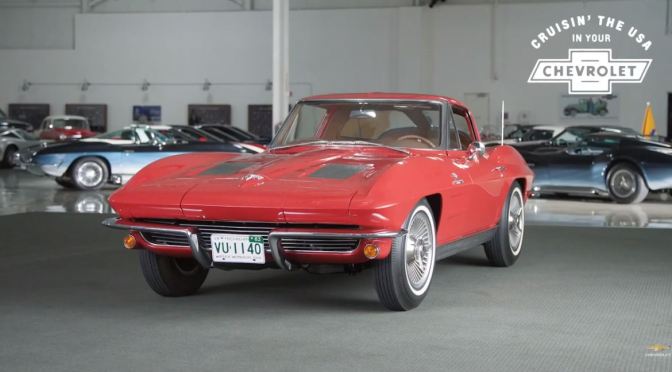
The 1963 Corvette Sting Ray Coupe received a total restyling, and with its rear split window, became one of our most sought-after vehicles. Take a look at a beautiful piece of Chevy history.
Tag Archives: Classic Cars
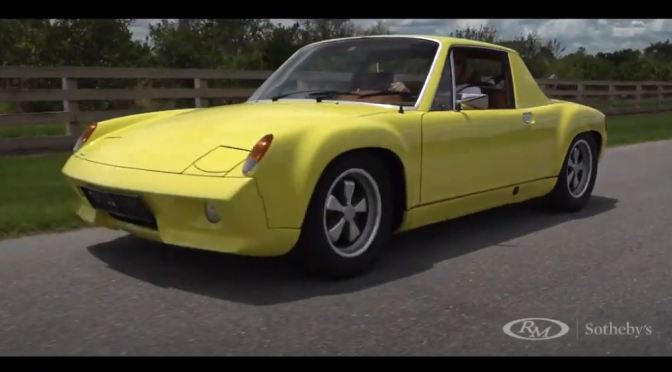
Classic German Cars : “1972 Porsche 916” (Video)
Built as a more powerful variant of the 914, only 10 of these pre-production 916s were built. Each of the prototypes wore a fixed steel roof, a double grilled engine lid, seven-inch Fuchs wheels, and flared fenders from the 914-6 GT cars.
Fitted with a 2.4-liter flat-six engine from the 911 S model, the example on offer was originally owned by Louise Piëch, Ferdinand Piëch’s sister. It later went on to be the centerpiece in several prominent collections and is offered today from single ownership since 2008 in concours condition following a comprehensive two-year, bare-metal restoration.
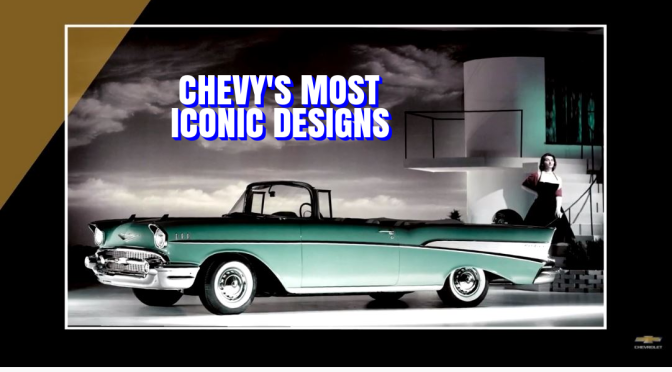
Classic Cars: “Chevy’s Most Iconic Designs”
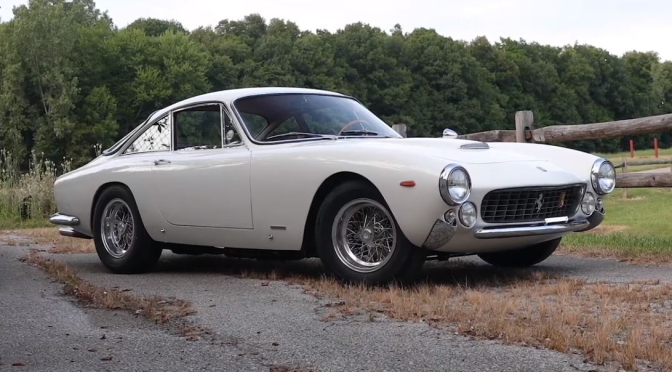
Classic Cars: “1964 Ferrari 250 GT/L Berlinetta Lusso”
 Ride along with Global Head of Auctions, Gord Duff as he drives chassis 5379, the 235th Lusso produced, and the only example ever provided in this Avorio over Rosso color combination. Purchased by the late Dr. Raymond Boniface in 1974, the Lusso would go on to be part of his collection of outstanding Italian cars and subsequently was a regular guest at many FCA and concours events over the next 30 years. Having been driven just 46,770 miles at the time of cataloging, this highly original Lusso is full of character—offering a glimpse into 45 years of keen custodianship, exhibition history, provenance, and everything else that comes with driving a classic, blue-chip Ferrari in America.
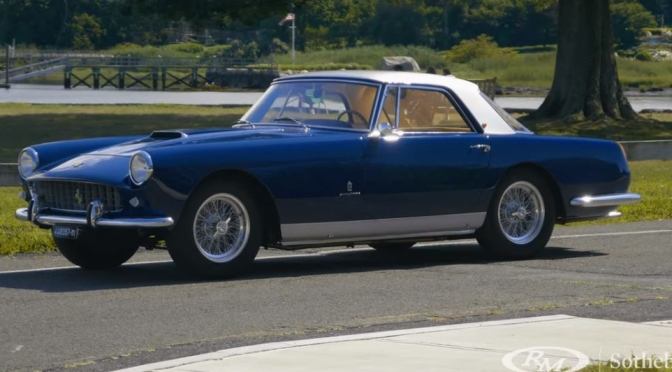
Classic Cars: “1959 Ferrari 250 GT Coupe”(Video)
Turn your volume all the way up and watch as RM Sotheby’s Car Specialist Barney Ruprecht takes the stunning and rare 1959 Ferrari 250 GT Coupe by Pinin Farina for a cruise on the open road. Combining brisk performance with distinctive styling, the unique chassis no. 1433 GT, the 185th of 353 examples built, sports numerous bespoke details, including chromed door sills and a 410 Superamerica-style air intake on the hood. Fitted with its original numbers-matching engine, 1433 GT is among the finest available, accompanied by the lauded Ferrari Classiche certification and finished in elegant colors of Blu with an Argento roof making it truly one of a kind.
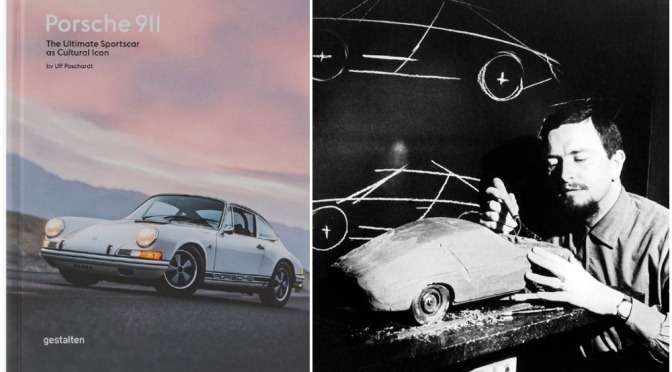
History Of Auto Design: The Family Origins Of The “Porsche 911” (Gestalten)
 When Ferdinand Alexander Porsche entered the family business in 1958, he filled an unknown vacuum. An experimental visionary who wanted to challenge tradition, he elevated the design legacy of this famous German brand. From working in the engineering office to craftily creating an icon amongst sportscars, writer Ulf Porschardt reveals how Ferdinand Alexander’s sketches evolved to become a cultural symbol.

Count Goertz designed a prestigious, muscular sports car for the Zuffenhausen-based company that was more reminiscent of a Ferrari or a Maserati…
The Goertzian design was in love with the grand gesture. The same year Roland Barthes declared the car to be the equivalent of the great Gothic cathedrals, and in his popular and shamelessly cited work Mythologies, considered it a major creation of the epoch, passionately conceived by numerous nameless artists. In the style of pop art, Barthes enacted an intellectual and cultural upgrading of the automobile, without the hyper-modern pathos of the futurists.
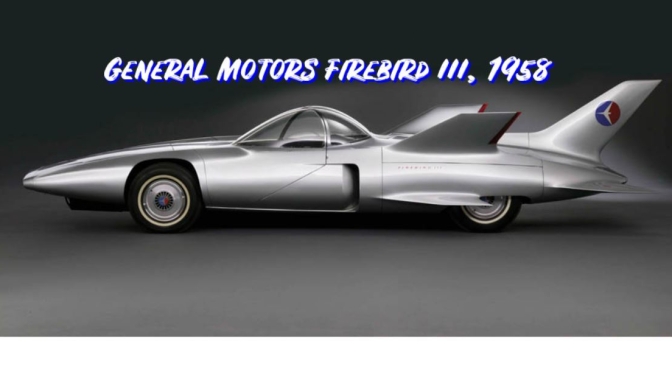
Auto Exhibitions: “Detroit Style – Car Design in the Motor City 1950-2020”
 Nov 15, 2020 — Jun 27, 2021:
Detroit designers have always led the way in car design. The futuristic concept cars, roaring muscle cars, and sleek racers designed in and around the city shape our ideas of what a car can be. Working on paper, in clay, and in metal, their ideas drive American car culture and inform the way we get around every day.
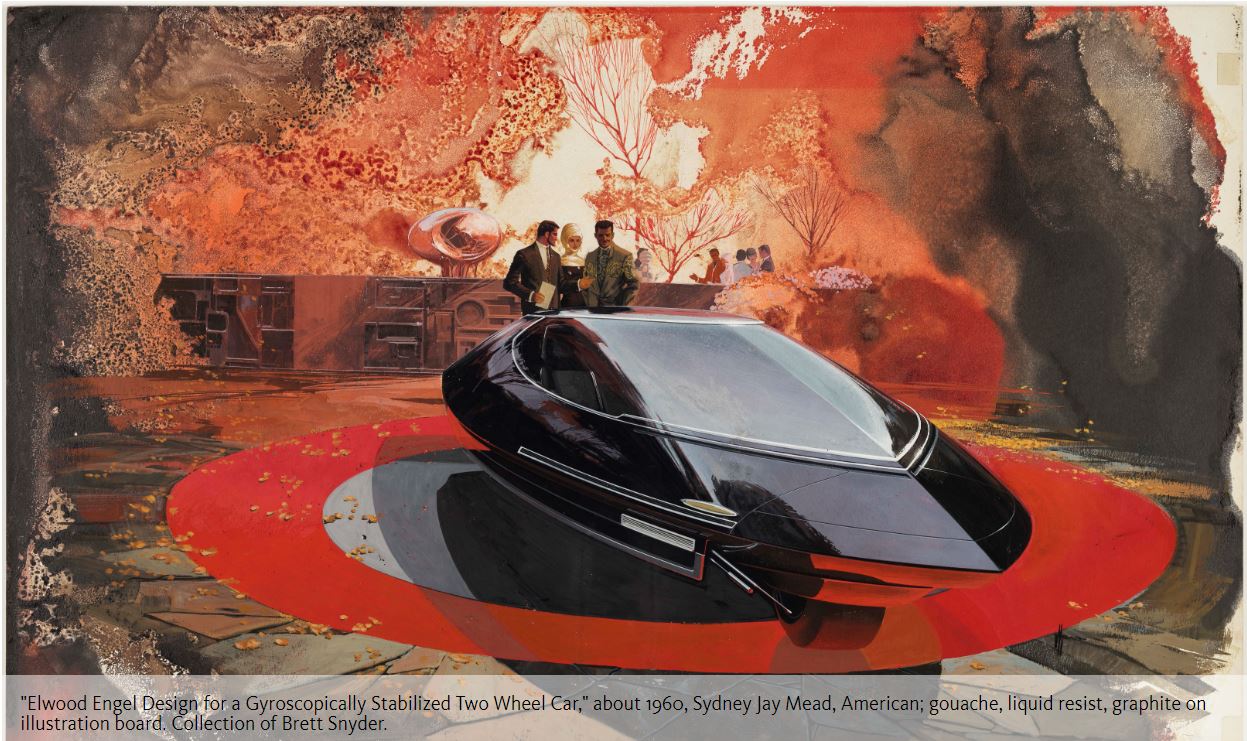
This exhibit organized by the Detroit Institute of Arts will highlight the artistry and influence of Detroit car designers working between 1950 and the present day. It will bring together 12 coupes and sedans designed across that 70-year period to highlight significant achievements in style and technology.
The 12 cars include unique examples of experimental show cars created for display and iconic production models sold to the mass market. Design drawings and photographs will allow you to imagine the creative and innovative processes that bring a vehicle from the drawing board to the street.
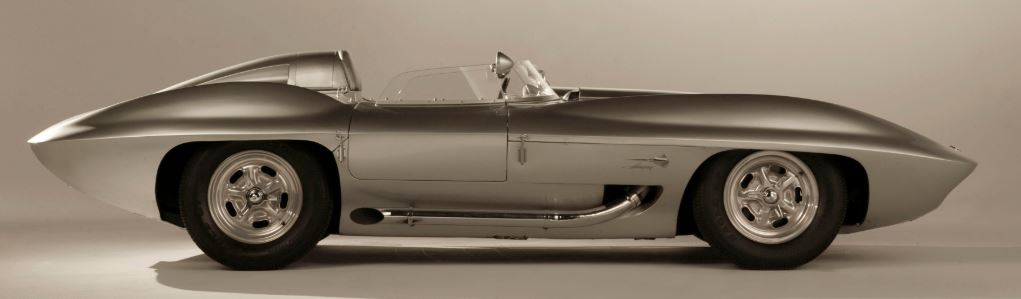
A selection of paintings and sculptures will highlight the conversation between the American art world and the car culture from the 1950s to the present day.
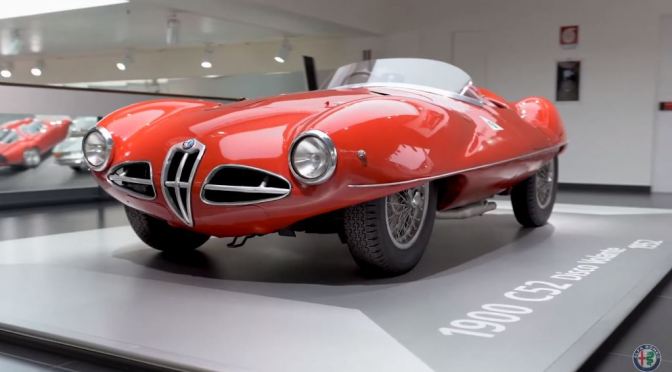
Classic Car History: “Alfa Romeo 110th Anniversary” – Museum And Automotive Collection (Videos)
As Alfa Romeo celebrates its 110th anniversary in 2020, discover and relive the brand’s signature moments, from its first car in 1910 and first F1 championship in 1950 to this year’s limited-edition Giulia GTA and future Tonale concept crossover.

Classics Cars: Design House “Zagato” Defined “Italian Style” In 1960’s


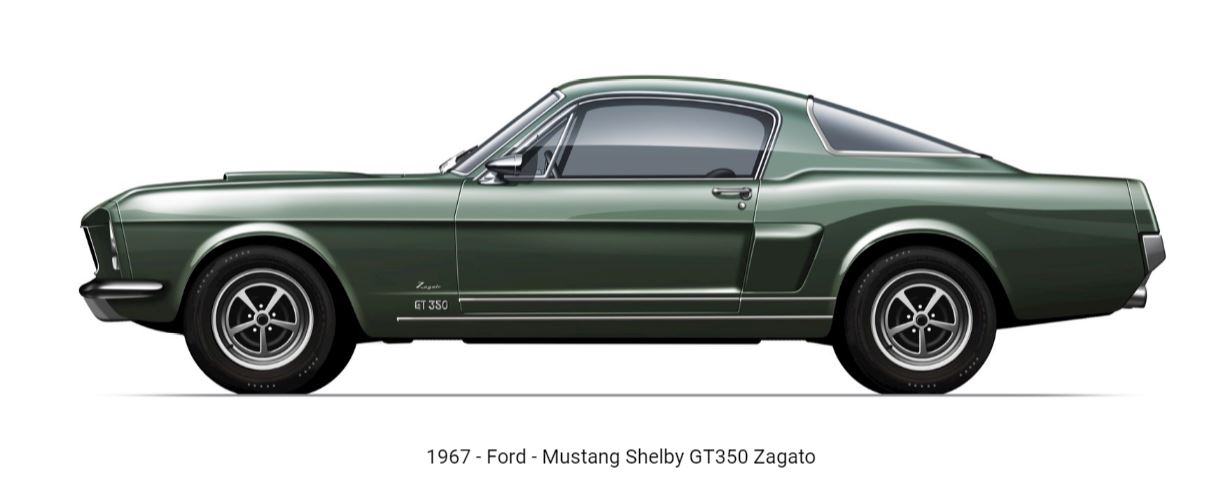
The 1960s: Fuoriserie cars
The higher demand for special bodies required a passage from a handcraft to an industrially-based organization. Elio Zagato found a larger location at 30 Via Arese in Terrazzano (northwest of Milan), very close to Arese where Alfa Romeo would have chosen soon to establish its new plants. In 1960 Ugo Zagato was awarded with the Compasso d’Oro design prize for the design of the Fiat Abarth 1000 Zagato. In this period the mission of Zagato was to design special bodies to be assembled in series and fitted with mechanical parts and interiors supplied by major constructors. Under the partnership with Alfa Romeo the Giulia SZ, the TZ, TZ2, 2600 SZ, the 1750 4R and the Junior Zagato were born. In partnership with Lancia, Zagato continued the “Sport” series with the Lancia Appia Sport, the Flaminia Sport and Super Sport, the Flavia Sport and Supersport and the Fulvia Sport and Sport Spider. In addition there were some for special customers: Osca, Lamborghini, Bristol, Rover, Honda and Fiat.
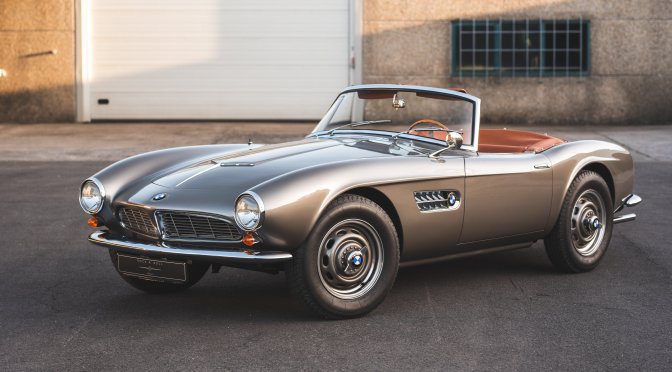
Classics: “1959 BMW 507 Series II” – Amazing Story Behind The “Perfect Car”
From Classic Driver Magazine (April 18, 2020):
 “Astonishing” is the word we are looking to describe this BMW 507. A word we use a lot if it comes to selling classic cars, but only a little few deserve this ‘title’ like this 507 does. When an exceptional model, with an unique story, from what the historical documents are well archieved, it just makes us going crazy. Add matching numbers and -colors tot his list and we are losing it totally. That’s no different with this 507.
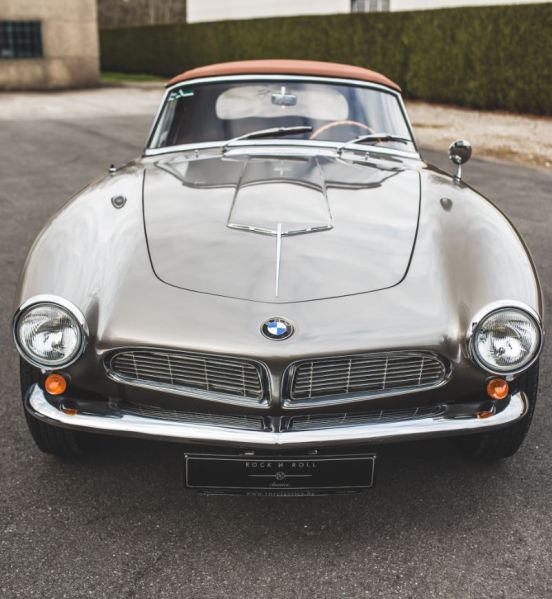 Max Hoffman convinced BMW that if they built a competitor to the Mercedes-Benz 300SL, he would sell it profitable in the United States. The BMW was intended to fill the gap between the affordable sports cars like the triumph and MG and the exclusive cars like the Mercedes-Benz 300SL and Ferrari 250 GT California. Though, BMW couldn’t achieve their target price, for what the BMW 507 was even more expensive than the 300SL. BMW found itself in a financial difficult situation and almost went bankrupt. At the end of the day, BMW recovered from this “failure” and the 507 even became a true flagship in the whole history of automotive.
 In the ‘50s BMW disposed over all fundamental ingredients which would make the 507 complete. An all-aluminium 3.2-litre V8 engine was placed in a shortened chassis of the 502. This ingenious masterpiece produced no less than 150hp and sounds like a guitar solo in your ears. To save weigt, the body was made of aluminium, which results in a 1280kg’s for a fully finished 507. Besides the phenomenal results, BMW wanted to offer luxury as well. Both aspects are just spot on.
 Boomers Daily