

The Entrepreneurs: We flip through ‘The Monocle Book of Entrepreneurs’, a guide to starting and running your own businesshttps://t.co/tFUHaNCrMW
— Monocle Radio (@Monocle_Radio) September 22, 2021
Tag Archives: Business

Analysis: The Truth About Buying Organic Foods
The organic food industry is a booming business. U.S. organic sales surged in 2020, jumping by 12.4% to $61.9 billion. With consumers being more health conscious than ever, they’re willing to pay more for what they perceive as better. But, what exactly does “organic” mean?

Chip Shortage: Forcing Auto Makers To Adapt
The number of semiconductors in a modern car, from the ignition to the braking system, can exceed a thousand. As the global chip shortage drags on, car makers from General Motors to Tesla find themselves forced to adjust production and rethink the entire supply chain. Illustration/Video: Sharon Shi

Reviews: How To Create Sustainable Business (MIT)
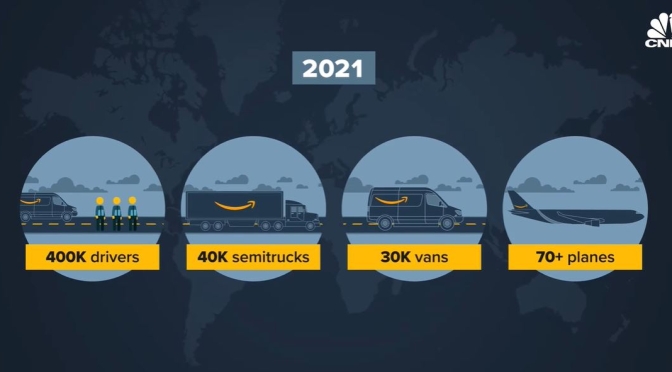
Analysis: How Amazon Is Taking On Fedex & UPS
Amazon is on a spending spree to grow its fleet of planes, vans, semitrucks and drivers in its latest move to compete with FedEx and UPS. Now, it’s using the added capacity to move cargo for outside customers, betting big on the business of third-party shipping while also shipping 72% of its own packages. CNBC talks to former Amazon executives and current customers using the shipping services to find out all about the behemoth’s next big move.

Analysis: Why Uber & Lyft Rides Got So Expensive
According to Rakuten Intelligence, the cost of a ride from a ride-sharing app like Uber or Lyft increased 92% between January of 2018 and July of 2021. Many riders have also noticed increased wait times for rides, and a recent driver shortage is likely to blame. In early July 2021, Uber and Lyft drivers were about 40% below capacity. The companies have taken notice of this driver shortage, and are investing millions worth of bonuses and base rates to convince drivers to return. But will it be enough to get drivers back on the roads?

Investing: The Risks Of Buying Chinese Stocks
Chinese tech stocks popular among U.S. investors have tumbled amid the country’s regulatory crackdown on technology firms. WSJ explains some of the new risks investors face when buying shares of companies like Didi or Tencent. Photo Composite: Michelle Inez Simon

Analysis: How Marriott Became The Largest Hotel Operator In The World
Marriott International has been a stalwart in the hotel industry for decades. However, the hotel giant — along with its competitors — was hit hard by the Covid-19 pandemic in 2020. Last year was the worst on record for U.S. hotels, and Marriott was particularly hard hit. The company posted in 2020 its first full-year loss in more than a decade. Despite those challenges, the rollout of vaccines and signs of pent-up travel demand has led to a renewed sense of optimism for the hotel operator.
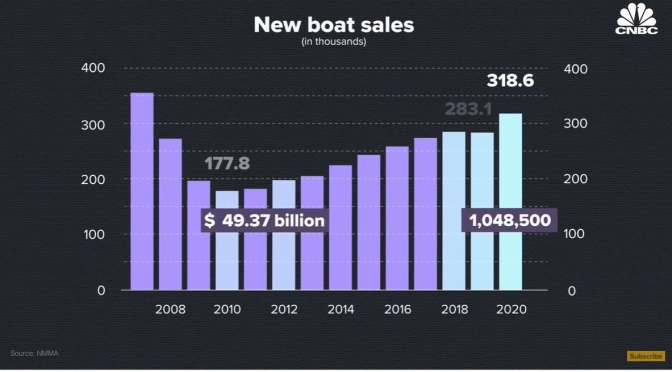
Recreation: Why U.S. Boat Sales Are Booming (CNBC)
Every year, about a third of Americans spend at least some time on a boat. In the landscape of recreational power sports, which includes boats, some categories have seen their fair share of struggles in recent years. But boat industry revenues have been mostly growing. Boat sales have seen a boost during Covid, but some analysts think the growth is poised to continue.
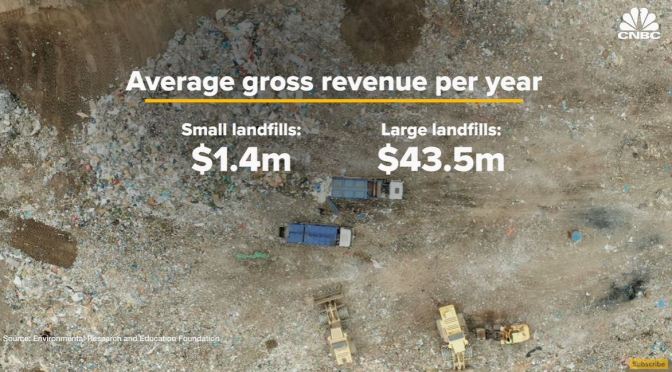
Analysis: How Landfills Make Millions From Trash
In 2019, the North American waste management market reached $208 billion. Thanks to advancements in modern chemistry and support from municipal governments, landfills have seen astonishing financial success in recent years. Private companies like Waste Management and Republic Services now own a majority of landfills across the U.S., their stocks outperforming the market every year since 2014. So how exactly are landfills turning a profit out of garbage and just how much money can be made? Watch the video to find out.
 Boomers Daily