
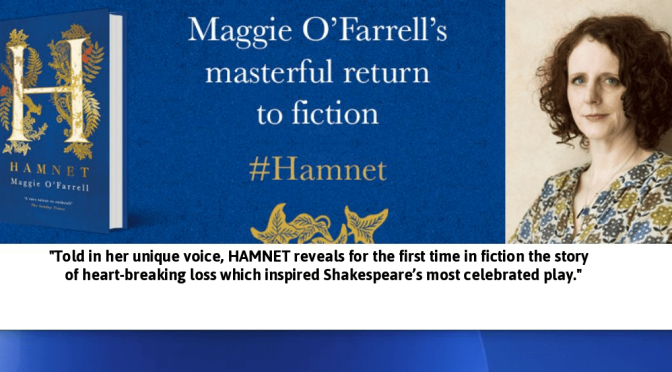
 BBC Radio 4 “Books And Authors” Talks To Maggie O’Farrell on her new novel, “Hamnet”
 On a summer’s day in 1596, a young girl in Stratford-upon-Avon takes to her bed with a fever. Her twin brother, Hamnet, searches everywhere for help. Why is nobody at home?
Their mother, Agnes, is over a mile away, in the garden where she grows medicinal herbs. Their father is working in London. Neither parent knows that one of the children will not survive the week.
Hamnet is a novel inspired by the son of a famous playwright. It is a story of the bond between twins, and of a marriage pushed to the brink by grief. It is also the story of a kestrel and its mistress; flea that boards a ship in Alexandria; and a glovemaker’s son who flouts convention in pursuit of the woman he loves. Above all, it is a tender and unforgettable reimagining of a boy whose life has been all but forgotten, but whose name was given to one of the most celebrated plays ever written.

 Monocle 24 “The Stack” speaks with creative director Jim Moore about his latest book ‘Hunks and Heroes: Jim Moore – Four Decades of Fashion at GQ’.
 He began his career at GQ as an intern in 1979 and has since played a pivotal role in reshaping men’s fashion during his nearly forty-year tenure at the magazine. From discovering new designers, distilling the latest men’s trends, and extolling fashion advice and critiques in his popular online video series GQ Rules, to Channing Tatum wearing a “JIM F&%#ING MOORE” T-shirt, Moore’s influence and impact on men’s style is unequivocal.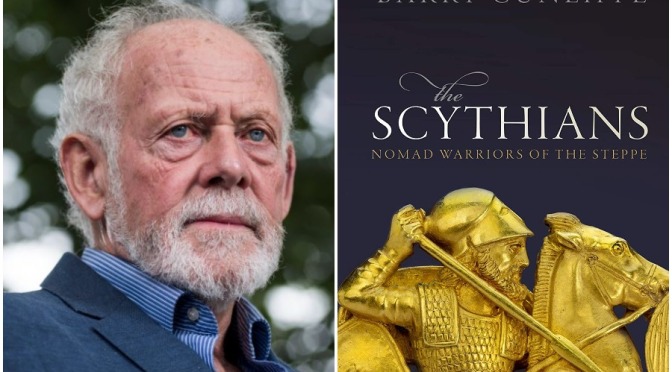

 BBC Radio 4 speaks to Petina Gappah on her new book, “Out of Darkness, Shining Light”.
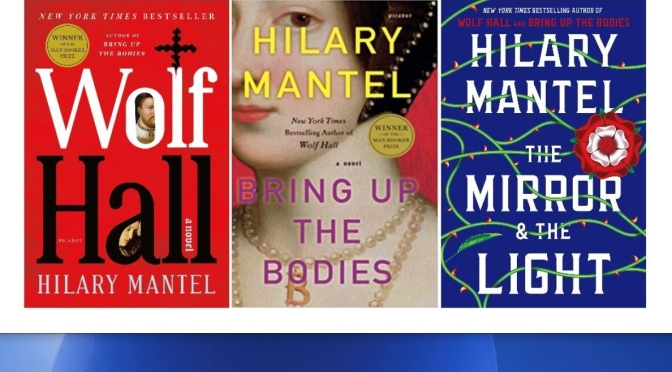
 Robert Bound, John Mitchinson and Ted Hodgkinson review the final – and rather hefty – instalment of Hilary Mantel’s Thomas Cromwell trilogy.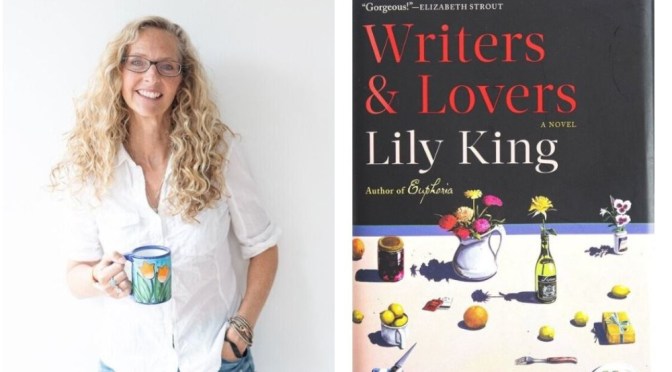
 Writers & Lovers follows Casey―a smart and achingly vulnerable protagonist―in the last days of a long youth, a time when every element of her life comes to a crisis. Written with King’s trademark humor, heart, and intelligence, Writers & Lovers is a transfixing novel that explores the terrifying and exhilarating leap between the end of one phase of life and the beginning of another.
 Lily King returns with another instant New York Times bestseller: an unforgettable portrait of an artist as a young woman.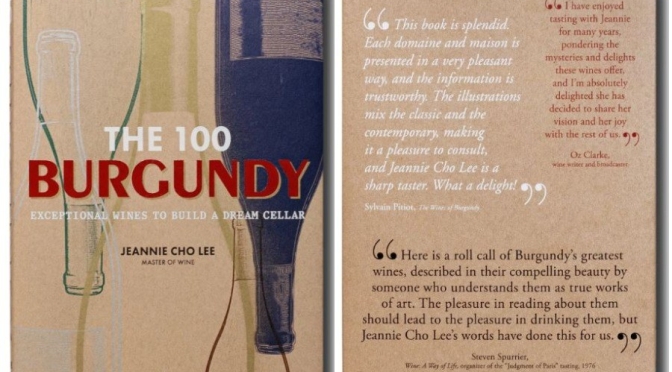
 An exceptional Burgundy is not only well crafted and well balanced, it also must have essential qualities reflecting its own terroir as well as those unique to the particular vintage, distilling the very essence of the vine itself and the earth from which it springs.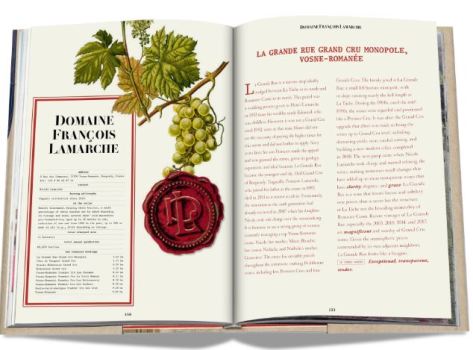
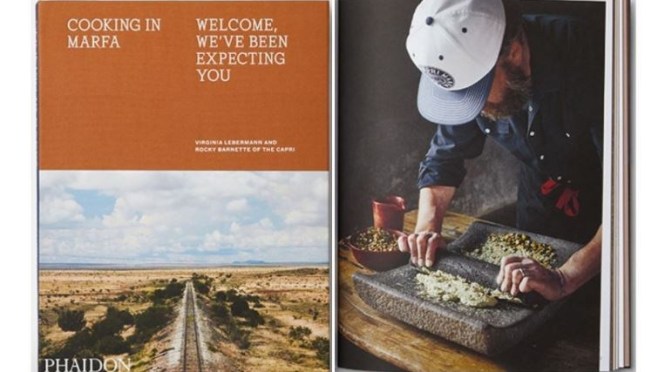
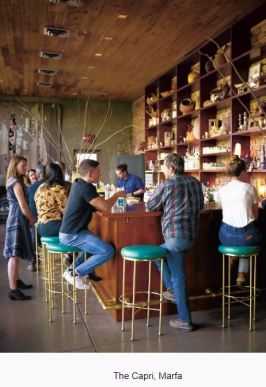 Cooking in Marfa introduces an unusual small town in the West Texas desert and, within it, a fine-dining oasis in a most unlikely place. The Capri excels at serving the spectrum of guests that Marfa draws, from locals and ranchers to artists, museum-board members, and discerning tourists.

 A personal chef monograph, and the first book, from globally-acclaimed chef Ana Roš of Hiša Franko in Slovenia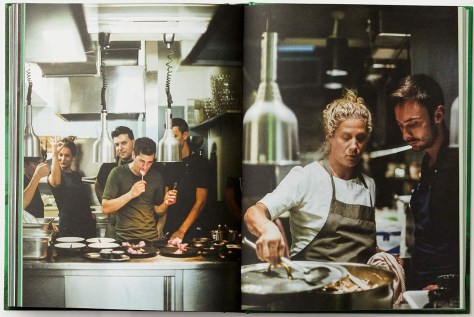

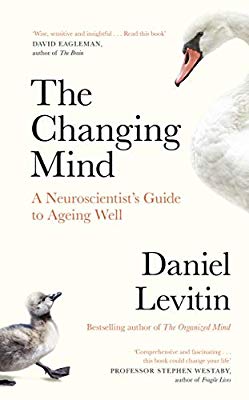 Challenging widely held assumptions about the diminishing abilities of an ageing brain, leading neuroscientist Daniel Levitin argues that we should view getting older as a beneficial experience rather than a form of cognitive entropy. Persuasively argued and consistently surprising, The Changing Mind will alter your perception of the relationship between age and intellect.
 Boomers Daily