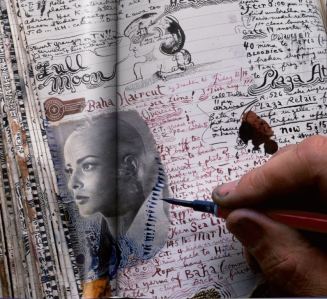
 He collaborated with Francis Bacon and Salvador Dalí, he made diaries with Andy Warhol, worked on books with scientists like Dr. Norman Borlaug, Dr. Richard Laws, and Alistair Graham, and toured with Truman Capote, Terry Southern, and the Rolling Stones—all of whom are brought to life, literally and figuratively, in his work. He delved into the world of fashion for its beautiful women, taking Vogue stars like Veruschka to Africa and bringing new ones back to the U.S. with him.
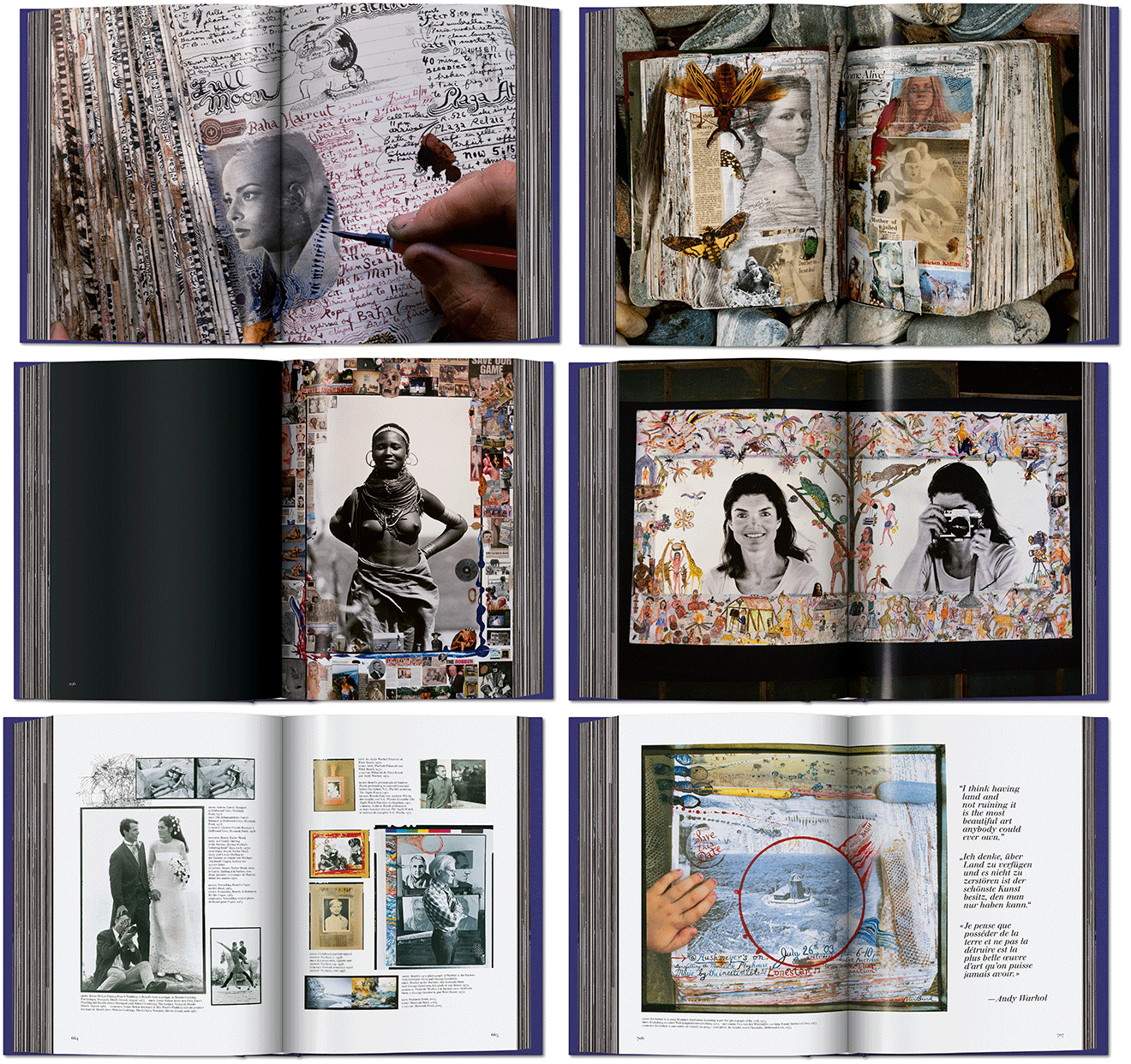
Artist, diarist, collector, and writer Peter Beard has fashioned his life into a work of art; the illustrated diaries he kept from a young age evolved into a serious career as an artist and earned him a central position in the international art world.
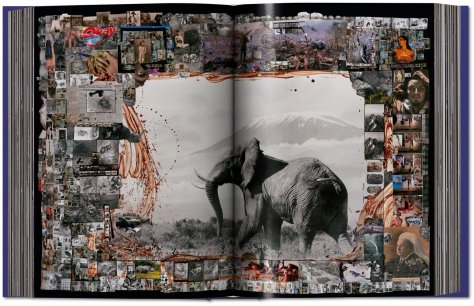
After spending time in Kenya and striking up a friendship with the author Isak Dinesen (Karen Blixen) in the early 1960s, Beard bought 50 acres next to her farm with the stipulation that he would film and write about the land and its flora and fauna. He witnessed the dawn of Kenya’s population explosion, which challenged finite resources and stressed animal populations—including the starving elephants of Tsavo dying by the tens of thousands in a wasteland of eaten trees. So he documented what he saw—with diaries, photographs, and collages. He went against the wind in publishing unique and sometimes shocking books of these works, including The End of the Game. The corpses were laid bare; the facts carefully recorded, sometimes in type and often by hand. Beard uses his photographs as a canvas onto which he superimposes multi-layered contact sheets, ephemera, found objects, newspaper clippings that are elaborately embellished with meticulous handwriting, old-master inspired drawings, and often swaths of animal blood used as paint.
In 2006, TASCHEN first published the book that has come to define his oeuvre, signed by the artist and published in two volumes. It sold out instantly and became a highly sought-after collector’s item. In the decade since, the monograph has been revived in two smaller versions; but sometimes, bigger is better. Now, the book you haven’t been able to get your hands on is available in one large-format volume.
The artist
Born in New York City in 1938, Peter Beard began taking photographs and keeping diaries from early childhood. By the time he graduated from Yale University, he had developed a keen interest in Africa. Throughout the 1960s and ’70s he worked in Tsavo Park, the Aberdares, and Lake Rudolf in Kenya’s northern frontier. A constant creator, Beard the chronicler photographs, writes, draws, collages and assembles a history of his life experiences and our own. He lives in New York City, Long Island, and Kenya with his wife, Nejma, and daughter, Zara.
The editors
Nejma Beard is Peter Beard’s agent and Executive Director of the Peter Beard Studio. Her spirit and experience are synchronous with Beard’s—having been born and raised in Kenya. This deep familiarity and a devotion to a place and a people forms their unique collaborative relationship. Primary to her work is a deep concern for the future of the world and a commitment to ecologic efforts. She curates exhibitions, art-directs photo shoots, and edits and assists with all Beard publications.
David Fahey is co-owner of the Fahey/Klein Gallery, Los Angeles. During his 31-year career in the field, he has collaborated on over 45 fine art photography books. He is the co-vice president of the Herb Ritts Foundation and serves on the Photography Advisory Council for the J. Paul Getty Museum.
The authors
Owen Edwards has written about photography for more than 30 years for numerous publications including American Photographer, New York Times Magazine, and Smithsonian.
Steven M. L. Aronson, a former book publisher, is a writer and editor. He edited and published Peter Beard’s book Longing for Darkness and wrote the T.V. special The End of the Game. He is the author of HYPE and the co-author of Savage Grace.
The contributor
Ruth Ansel is an award-winning art director known for her innovative design at many of America’s top fashion and cultural magazines since the 1960s. Ansel Design Studio (est. 1992) has produced international fashion campaigns and books with photographers including Peter Beard, Richard Avedon, and Annie Leibovitz.
Read more or purchase

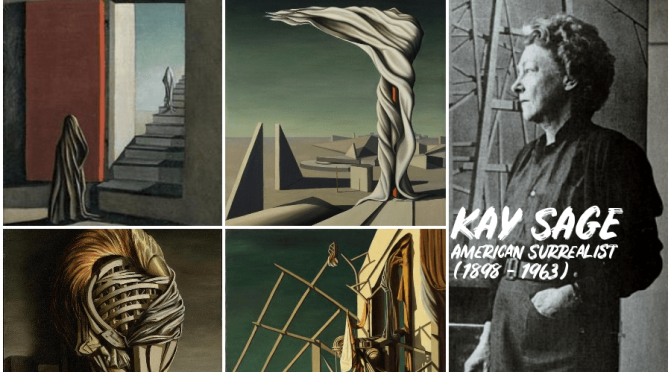
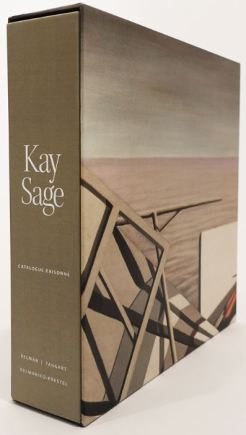 Sage is renowned for her empty, enigmatic, eerily lit landscapes. Human figures are markedly absent — their presence felt only by the monolithic, architectural structures and unidentifiable, draped objects they seem to have left behind. In this respect, 1945’s Other Answers is a quintessential Sage painting.
 In the summer of 1940, Sage had her first solo show, at the influential Pierre Matisse Gallery in Manhattan. Then, in early 1943, she was part of the landmark Exhibition by 31 Women, curated and staged by Peggy Guggenheim in her Art of This Century Gallery.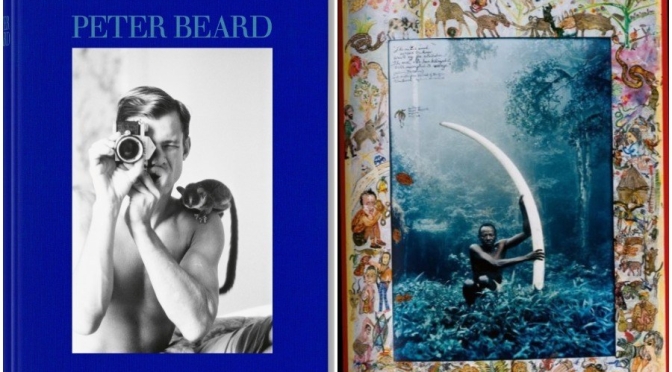

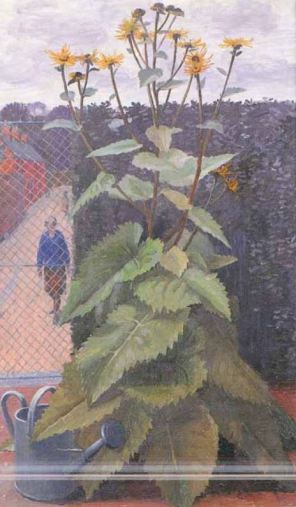
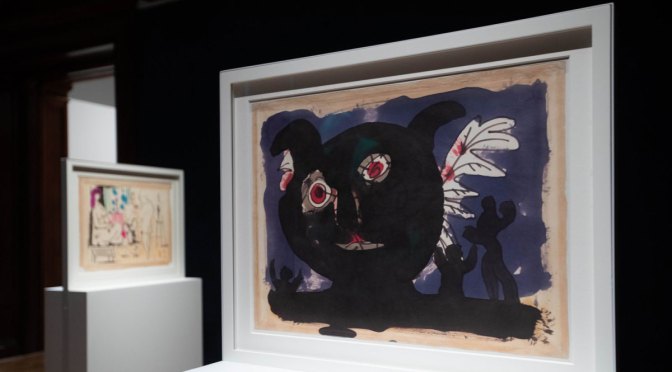
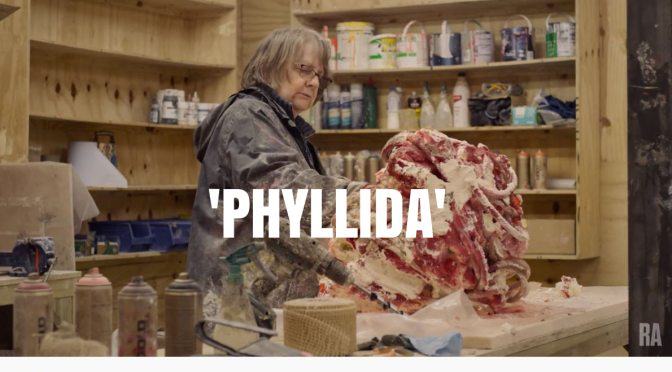
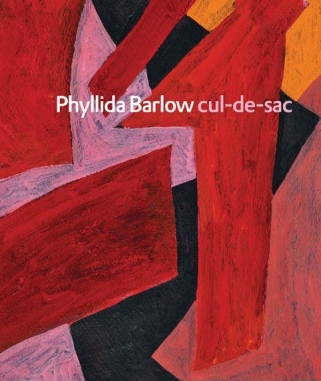 year. Directed by Cosima Spender, this film maps the roots of Barlow’s oeuvre, as she revisits childhood memories, domestic and urban spaces, and their subsequent role in her creative process.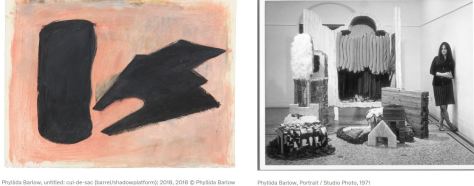

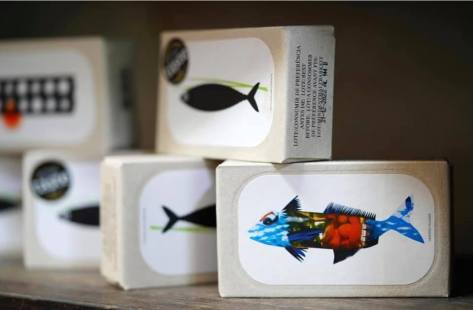
 Jose Gourmet combs the coasts of Portugal and Spain to find seafood of distinction. They believe in the principles of fair trade, often paying in advance and never negotiating for better pricing. The artwork of Luis Mendonça on the packaging is meant to pay homage to the these fishermen and canneries who rely on manpower and life long dedication to their trade.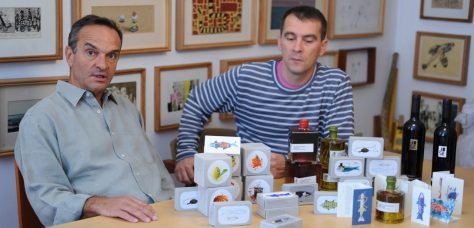
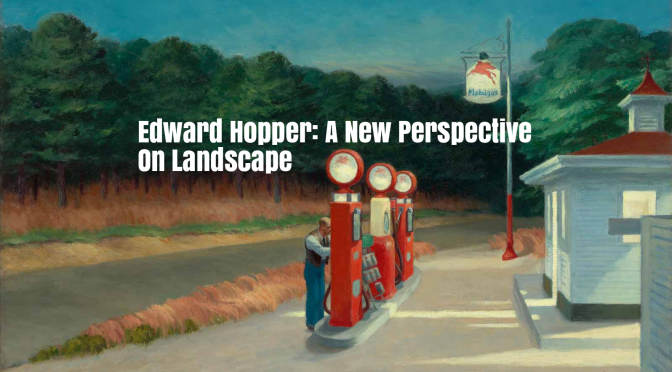
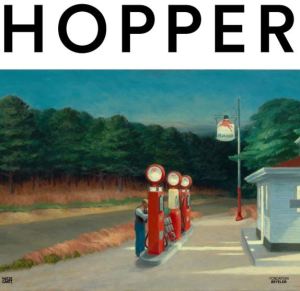 Edward Hopper’s world-famous, instantly recognizable paintings articulate an idiosyncratic view of modern life, unfolding in a world of lonely lighthouses, gas stations, movie theaters, bars and hotel rooms. With his impressive subjects, independent pictorial vocabulary and virtuoso play of colors, Hopper’s work continues to this day to color our memory and imaginary of the United States in the first half of the 20th century.
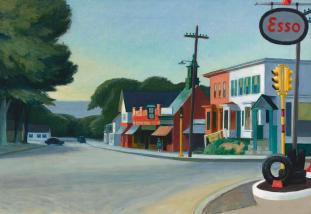 oil paintings. These paintings testify to the artist’s great interest in the effects of color and his mastery in depicting light and shadow, at work whether the artist was painting alienated figures in dreamlike interiors or desolate American landscapes.

 Boomers Daily