Tag Archives: Architecture

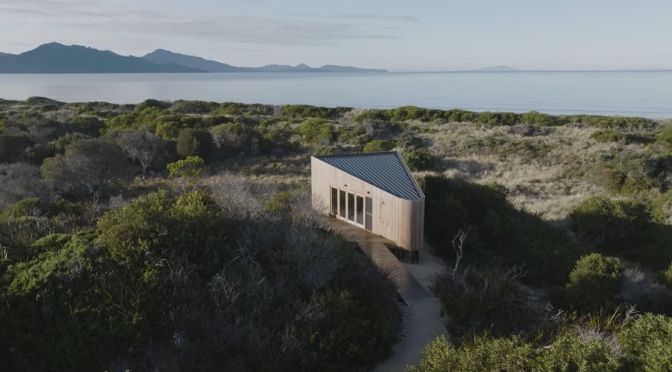
Home Tours: The ‘Dolphin Sands Studio’ In Tasmania

The Local Project – At the end of an undulating path is Dolphin Sands Studio, a small cabin that floats atop the dunes and looks out to The Hazards mountain range and the Peninsula beyond. From the open deck of the cabin, the doors open up to the main living spaces of the studio cabin.

Video timeline: 00:00 – Introduction to the Tiny Cabin on a Hidden Beach 00:31 – The Location of Dolphin Sands 00:45 – A Walkthrough and Around the Cabin 01:04 – The Spacial Components 01:24 – Conceived as a View Finder 01:59 – Utilising as Few Materials as Possible 02:20 – Room for Two 02:48 – Providing Protection 03:05 – The Triangular Form 03:28 – The Architects Proud Moments

Consisting of a kitchen, living space and bedroom – with an adjacent bathroom – the cabin home holds everything the occupants need in one space. Located on a hidden beach in Tasmania, Australia, Dolphin Sands Studio by Matt Williams Architects has been conceived as a viewfinder – giving the occupants unmatched views across the bay. Completing the architecture and interior design, the architect worked alongside the builder to consider how the triangular form of the remote cabin could embrace its surroundings.

This was done by employing a large south-southeast facing window and using as few materials as possible to create a calm space for the occupants. Built on an exposed site, Dolphin Bay Studio embraces its surroundings by inserting itself as one with the landscape. Conceived as a solid tent, the cabin home allows for protection from the elements while maintaining an immediacy with the landscape.

Employing sustainable materials, Matt Williams Architects establishes that the materials work in tune with the weather while not taking away from the experience of living in the unique beach cabin. Capturing the golden sunrise every morning, the position of the cabin home allows the occupants to completely embrace the spectacular views and become one with the community. Though Dolphin Sands Studio is small in scale, the location and proximity to the bay brings external space for the occupants to enjoy.

With a desire to reduce the impact on the terrain, as well as flora and fauna, the architect and builder created a minimally impactful home that inserts itself into the bay. Also offering an escape from the worries of everyday life and the bustling cityscape, the cabin is a uniquely designed home that considers more than its occupants. With an offer of serenity, sustainability and waterside living, Dolphin Bay Studio pushes towards what is possible when designing and living sustainably.
Views: Architecture Today Magazine – Nov/Dec 2022

AT September-October 2022 Front Cover

Architecture Today – November-December 2022:

View the digital edition

Isabel Allen’s Editorial for AT322 discusses how the Architecture Today Awards subverted the traditional role of the crit, transforming it into powerful tool for judging the merits and performance of buildings that already exist.

Buildings.

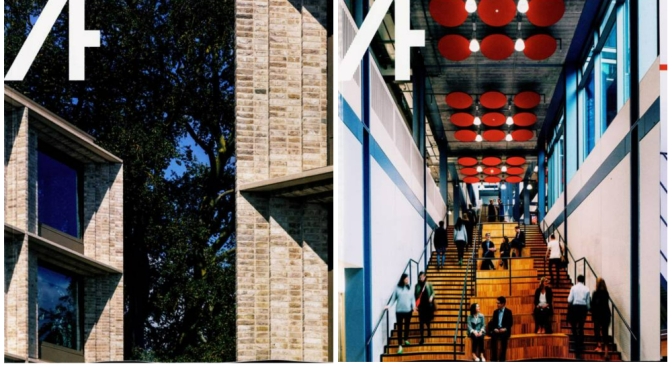
A sharp, trapezoidal marquee hoisted on spindly pilot is points the way towards the primary pedestrian entrance on the long eastern front.

Architectural Tours: Off-Grid ‘Limestone House’ In Melbourne, Australia

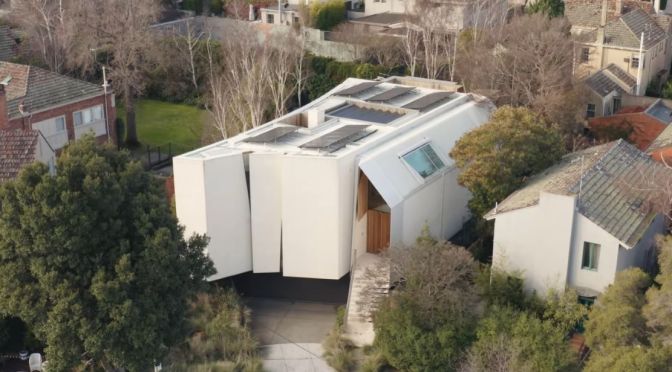
The Local Project – Crafted by John Wardle Architects, this sustainable off-grid house is best explored by means of a house tour. Combining seamless interior design and architecture with a minimal environmental impact, Limestone House forms a cohesive celebration of functionality.

Video timeline: 00:00 – Introduction to the Sustainable Off-Grid House 00:41 – The Location and The Vacant Lot 01:22 – Architects Declare 01:39 – The Living Building Challenge 02:06 – Passive House Standards 02:40 – The Shading Systems 03:04 – What’s Behind the Walls 03:19 – The Energy Supply 03:35 – Requirements of the Living Building Challenge 03:50 – The Two Main Materials Used 04:12 – An Interesting History Behind the Timber 04:42 – The Handmade Aspects 05:01 – Floating on a Sea of Native Grasses

Located in the Melbourne suburb of Toorak, Limestone House rests on the Wurundjeri Land of the Kulin Nation. Initially vacant, the project site excited the clients with the possibility of building a sustainable off-grid house. Paying homage to the environmental agenda, the landscape design of Limestone House sees the building float above a sea of native grass. Guiding the design of Limestone House is the Living Building Challenge and Passivehaus, two rigorous standards of sustainability.

In order to satisfy the standards, John Wardle Architects ensures that the home operates as a sustainable off-grid house, harvesting its own water and disposing of all of its waste water. Externally, a set of edible plantings on the terrace meets the requirement for food production on site. The Passivehaus standard sees a tightly-sealed, sustainable off-grid house emerge. While a passive ventilation system consistently delivers fresh air into the home at a slow speed, an airtight barrier seals heat into the dwelling, maximising energy efficiency.

Similarly, high-performance insulation is applied to the walls, roof and floor and the home features triple-glazed windows. Shading systems take the form of motorised venetian blinds to the northeast and west, as well as operable timber louvres at roof level over the courtyard. Internally, the material palette of Limestone House consists primarily of stone and timber. Concrete benchtops and Queensland siltstone complement the calming tonal character of the scheme alongside hydrowood oak. Many of the trees used for the oak come from a valley that was flooded during a 1940s hydroproject – now the timber comprises a bespoke dining room table.

A sustainable off-grid house, Limestone House produces its own energy and a surplus of five per cent that is exported to the grid. While meeting the design brief, John Wardle Architects ensures that the residence forms a unique embracement of natural serenity, in distinction from other sustainable dwellings of the past.

Architectural Tours: An 8′ Wide House In Toronto

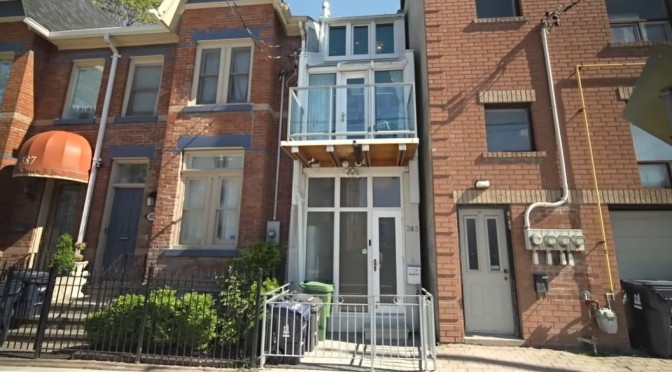
This ultra-narrow house looks modern on the outside, but inside it’s a cozy and welcoming home with multiple levels designed around a meandering set of stairs that run up the center of the home. With lots of wood, exposed copper pipes, and small dimensions, the owner often describes the house as feeling like a boat or a treehouse.

While it might seem like the house was recently built as an in-fill house or accessory dwelling unit, there has actually been a narrow single-story structure on the property since at least 1880. It wasn’t until 1980 – a full century later – that the then-owner, an architect, applied to the committee of adjustments to build the house as it is today.

With such a long and narrow floorplan, an important feature of the house is the full glass walls and skylights at both ends of the house, which lets natural light flow into each room and prevents the house from feeling dark and confined.

Homes & Design: Dwell Magazine – Nov/Dec 2022

Image

Dwell – November / December 2022 issue:

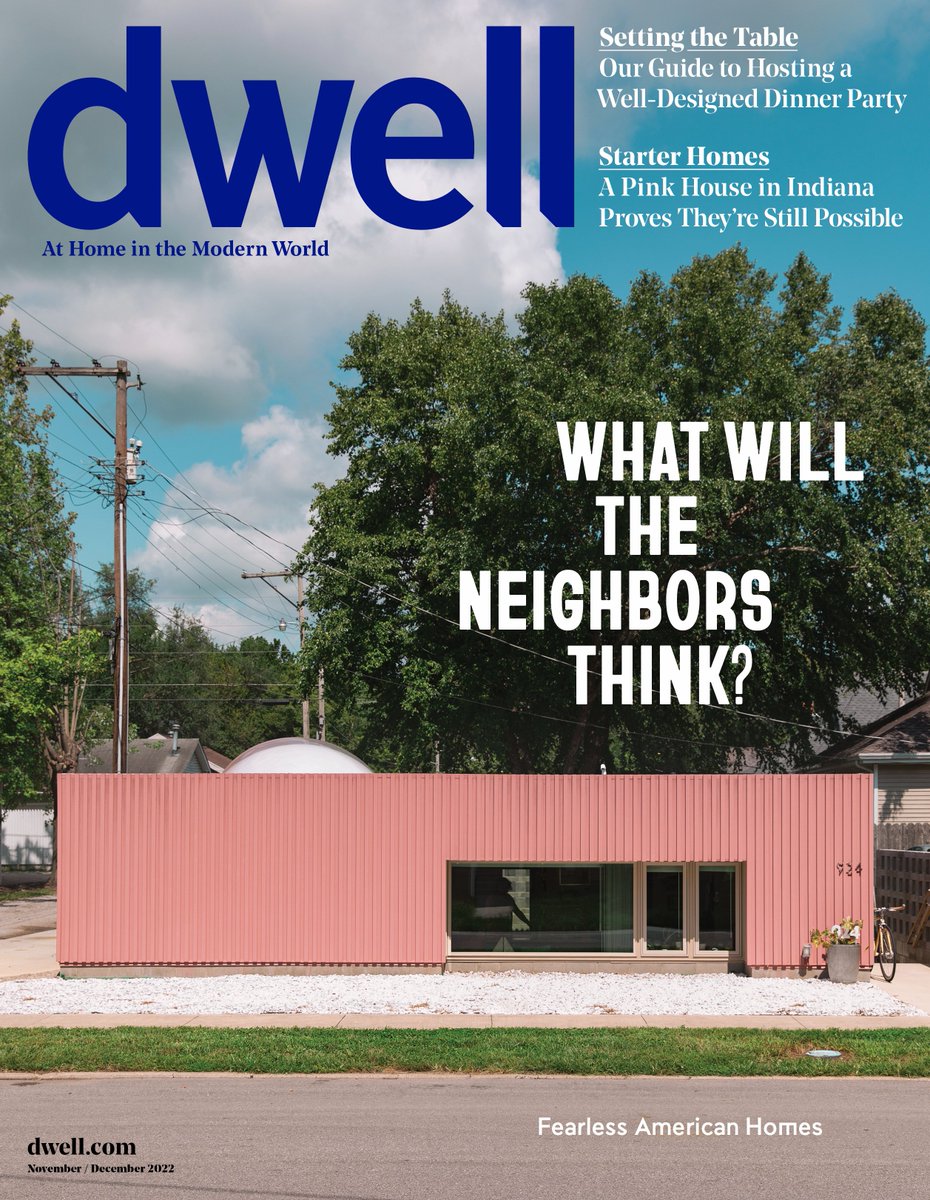
What Will the Neighbors Think: Fearless American Homes

  • Setting the Table: Our Guide to Hosting a Well-Designed Dinner Party
  • Starter Homes: A Pink House in Indiana Proves They’re Still Possible
Six American Designers Share Their Inspiring New Takes on a Dream Dinner Party

Six American Designers Share Their Inspiring New Takes on a Dream Dinner Party

We can all get stuck in a rut. This holiday season, break out of yours.

New Initiatives and Leaders Are Bringing Power and Profits to America’s Crafting Communities

New Initiatives and Leaders Are Bringing Power and Profits to America’s Crafting Communities

Geechee basketmakers, Gee’s Bend quilters, and Native American artisans are developing ways of navigating markets that have not always had their best interests at heart.

A Composer and Fashion Designer Add an Inspiring Creative Space to Their Los Angeles Backyard

A Composer and Fashion Designer Add an Inspiring Creative Space to Their Los Angeles Backyard

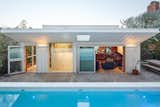
The two-level ADU is decked out with a light-filled recording studio for him, and for her, a luminous design space with soaring ceilings and sliding glass doors.

Architecture: The Jervois Apartments In Auckland

The Local Project – With breathtaking views across Herne Bay, the architect designs a modern apartment that takes elements of suburban life and introduces them into apartment living. Allowing for an evolving brief, Artifact Property approached Monk Mackenzie to collaborate on a mixed-use development that positively contributed to Auckland’s built environment.

Video timeline: 00:00 – Introduction to the Modern Apartment 01:05 – The Brief 01:28 – Similarities of a Jigsaw Puzzle 01:44 – Contributing in a Positive Way Through Architecture 01:58 – The 8 Apartments 02:20 – The Layout of the Building 02:45 – Separation of Functions 03:45 – The Site Itself 04:16 – The Material Palette 05:06 – The Kitchen Design and Appliances 05:28 – Minimalistic Features of Fisher & Paykel 06:01 – Proud Moments

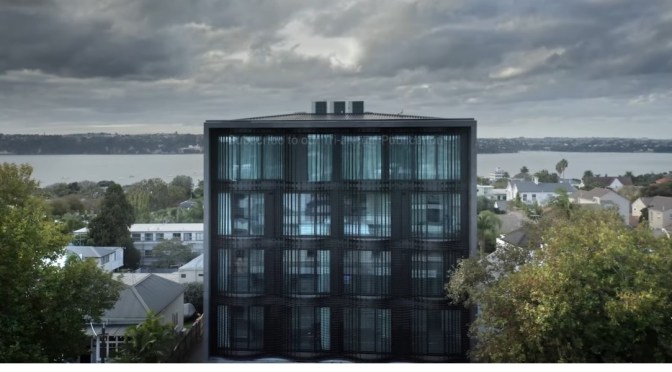
Encompassing eight units in total – one commercial space, six apartments and a penthouse – Jervois Apartments is simple, elegant and timeless. Due to the location of the site, the architect designs a modern apartment to fit a 33-metre length block that rises 15 metres above. Taking advantage of as much space as possible, the project uses the length of the site to its benefit and, in turn, offers occupants the opportunity to live spaciously.

Sitting high on the ridgeline and facing north, each apartment has been cleverly planned out. From the façade, a winter garden deck with views of nature greets those who enter and sets the scene for what is to come. From this, a long view of the apartment imbues a similarity to the openness that suburban homes offer. Positioned at the southern end of the apartment, the street-facing bedrooms and private spaces offer a unique placement that defers from other apartment designs.

Monk Mackenzie and Artifact Property employed an interface between private and public domains with metalwork screens. By employing the screening on the façade, the exterior design offers varying degrees of transparency and opacity. Through this unique use of materials, the architect designs a modern apartment that offers a different experience from opposite sides of the building. From the bedroom, a direct sightline of the surrounding landscape is offered to the occupants through the screens, whilst from the street below, the façade strikes a wave-like form that seamlessly blends into the built environment.

At the north end of the apartments are the living and dining spaces, kitchen and enclosed deck where the occupants can sit outside during winter whilst being sheltered from the elements. Though Jervois Apartments sits on a narrow site, the architect designs a modern apartment that optimises space to create a spacious interior environment. In the kitchens, the incorporation of natural stone, oak and metal work into the material palette has been seamlessly styled together with Fisher & Paykel appliances – such as the vertical column fridge-freezer, wine fridge and ovens.

With the insertion of minimal and clean appliances, Fisher & Paykel products blend into the kitchen without taking away from other elements of the apartments. Contributing to Auckland’s built environment, an architect designs a modern apartment that allows the occupants to live a city life whilst being surrounded by suburban comfort.

Florida Design: Building The Salvador Dali Museum

The challenges of redesigning the Dali museum in Florida were two-fold: deliver an iconic design befitting of its subject, and defy conventional building methods to make it strong enough to withstand a hurricane. The result: a landmark structure, as enduring as the work of the great artist himself.

The original Dalí Museum opened in St. Petersburg in 1982, after community leaders rallied to bring the Morses’ superlative collection of Dalí works to the area. The Dalí’s stunning new building opened on January 11, 2011. Designed by architect Yann Weymouth of HOK, it combines the rational with the fantastical: a simple rectangle with 18-inch thick hurricane-proof walls out of which erupts a large free-form geodesic glass bubble known as the “enigma”.

The Enigma, which is made up of 1,062 triangular pieces of glass, stands 75 feet at its tallest point, a twenty-first century homage to the dome that adorns Dalí’s museum in Spain. Inside, the Museum houses another unique architectural feature – a helical staircase – recalling Dalí’s obsession with spirals and the double helical shape of the DNA molecule.

The Art Of Architecture: ‘Santo By Th Sea’ (Vietnam)

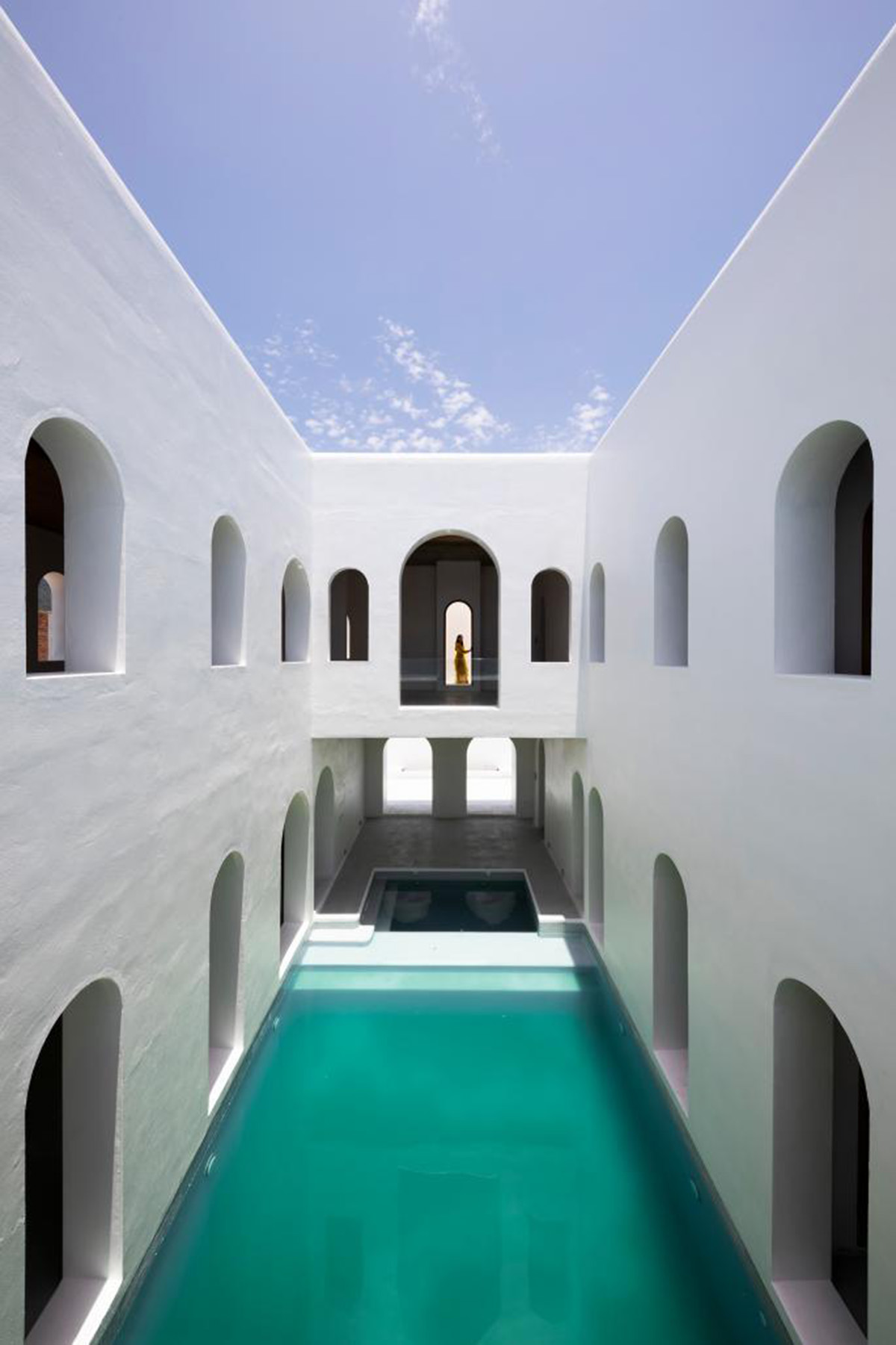
“Santo by the Sea” was developed based on the idea of ​​​​the owner’s desire to have a Mediterranean Revival – Santorini architecture.

WA Awards 42nd Cycle is open for Votes until 4 December 2022

However, the difficulty when developing this style is that the doorways are very small and narrow as well as how to bring new modernity to the house. From that concept,

Santo by the Sea

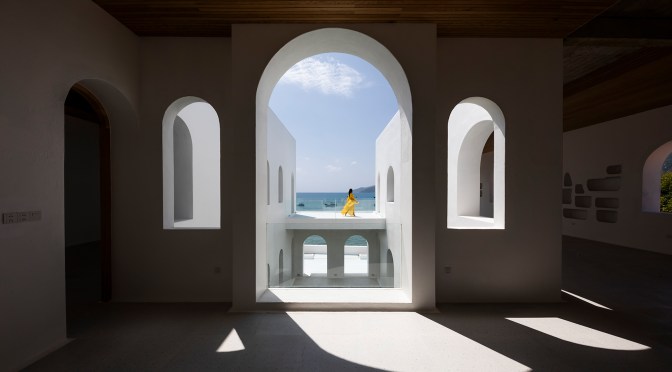
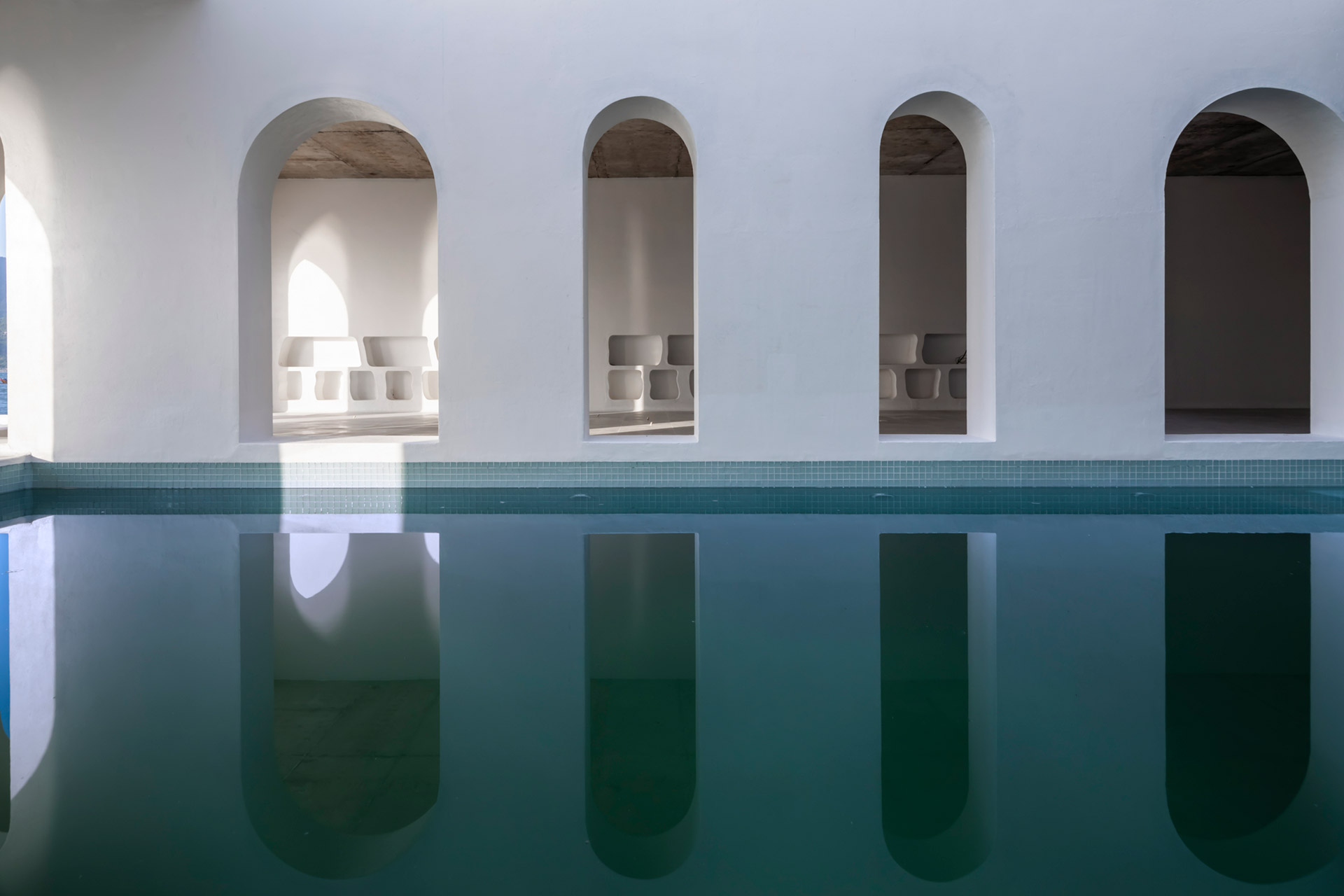
Santo by the Sea is designed with large arched doorways to make the most of the beauty of the surrounding nature and bring natural light to the interior spaces.

SANTO by the Sea House / Pham Huu Son Architects - Exterior Photography, Windows

SANTO by the Sea House / Pham Huu Son Architects - Exterior Photography, Facade, Arch, Arcade

Architecture 2022: ‘Dune House’ In New Zealand

herbst architects dune house

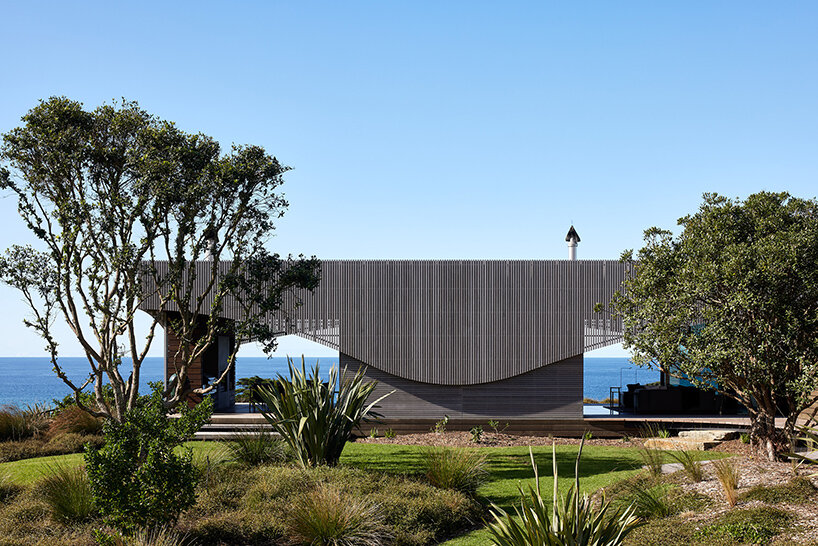
Auckland-based studio Herbst Architects takes to an expansive dunescape along the eastern coast of New Zealand to construct its Dune House.

herbst-architects-dune-house-new-zealand-designboom-07a

The dwelling is designed in celebration of its undulating site, which is covered with a native flowering plant known as Muehlenbeckia to create a lush, green landscape rolling downward to the beach.

herbst-architects-dune-house-new-zealand-designboom-05a

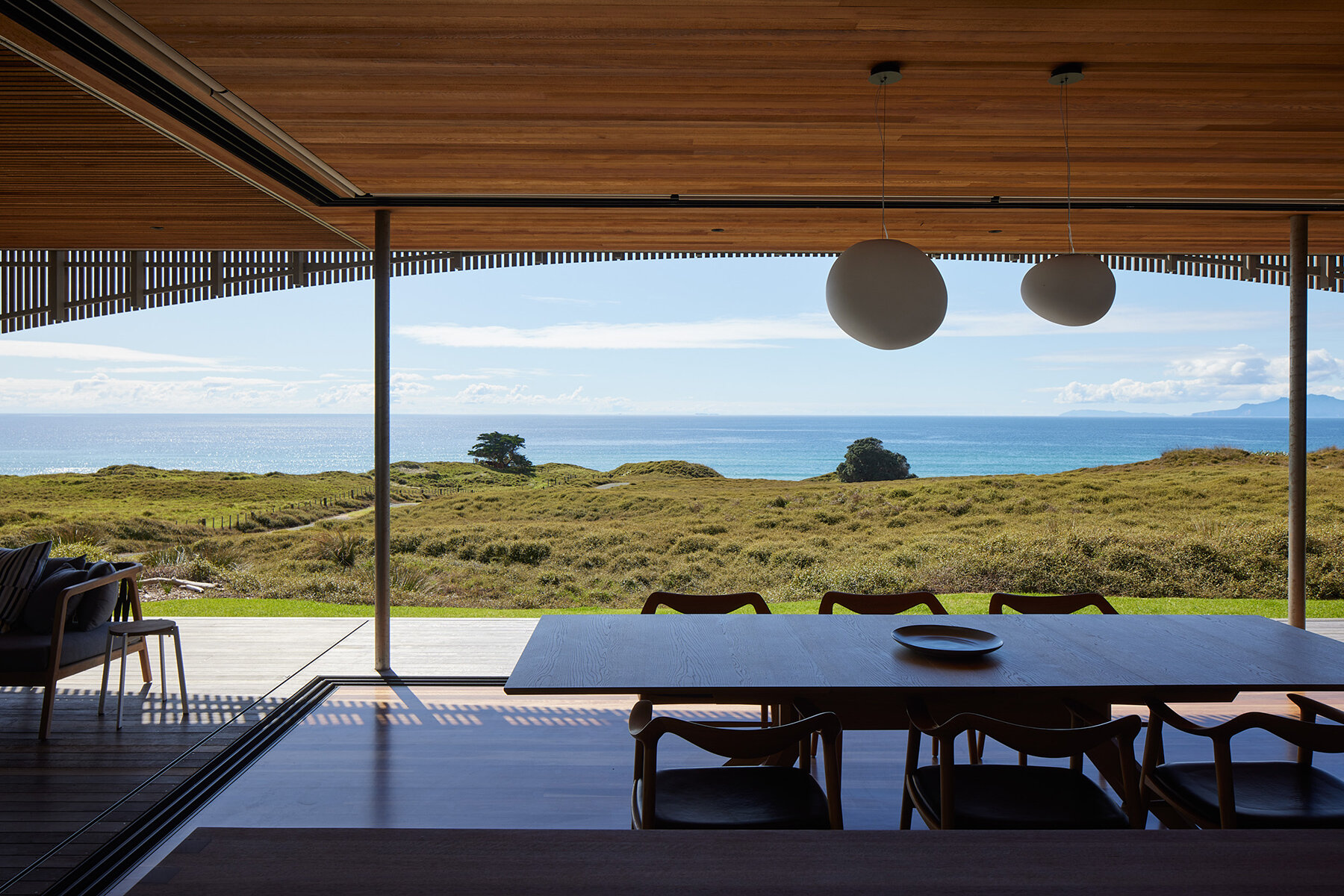
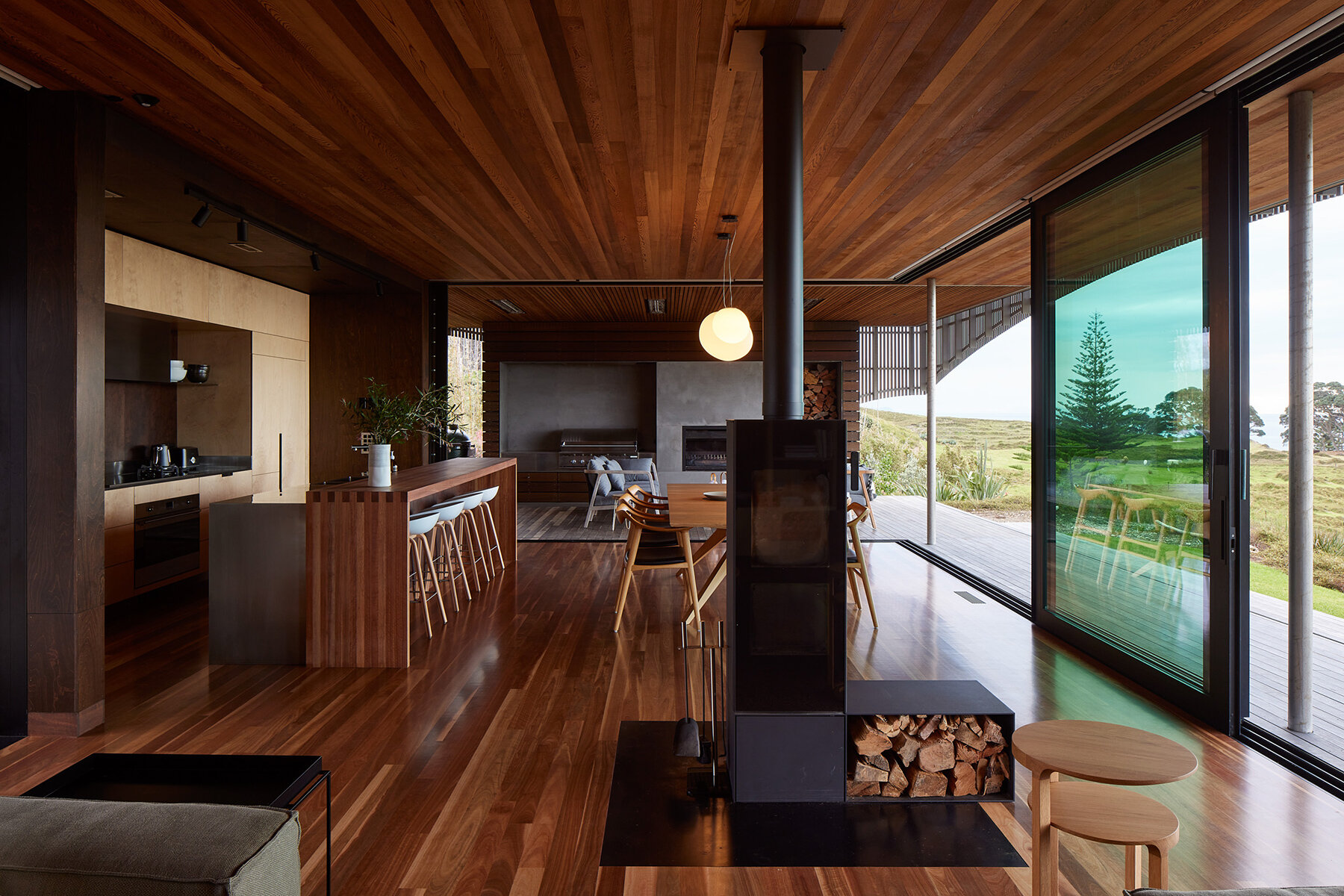
The project comprises a main house with two bedrooms and two smaller ‘sleepout’ structures, following the needs of the client, while it is perched two hundred meters from the high-water mark — following local regulations. Thus, the home is safe from flooding and enjoys sweeping views of the sparkling horizon.

Read article at Designboom

Tech & Design Preview: NYT Magazine – Nov 13, 2022

Inside the November 13, 2022 issue:

In an Age of Constant Disaster, What Does It Mean to Rebuild?

Each catastrophe is a test of what kind of society we’ve built. And each recovery offers a chance, however fleeting, to build another.

Architects Plan a City for the Future in Ukraine, While Bombs Still Fall

Irpin was one of the first Ukrainian cities to be destroyed and liberated. Now it’s becoming a laboratory for rebuilding.

Remaking the River That Remade L.A.

The Los Angeles River has been channeled, subdued, blighted. Could it serve Angelinos?

Can a National Museum Rebuild Its Collection Without Colonialism?

After a fire destroyed thousands of Indigenous artifacts, the curators of this Brazilian museum are adopting a radical new approach.