
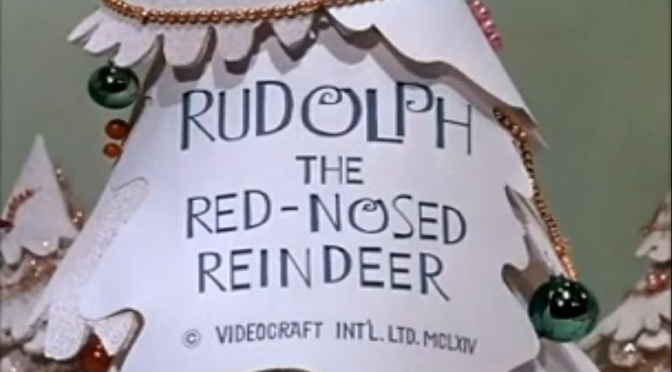
From a Smithsonian Magazine online article:
When the special finally aired in 1964, it became such a hit that it has been rebroadcast every year since, making it the longest-running Christmas special in history. Even today, the special still punches above its weight; when Rudolph the Red-Nosed Reindeer aired on CBS in 2016, it beat every show except This Is Us. In 2017, more viewers tuned in to watch Rudolph than A Charlie Brown Christmas, which ran on ABC in the same time slot.
https://www.dailymotion.com/video/x19l9n1
Reindeer and dentists, puppets and LED light bulbs, Gene Autry and General Electric—these odd pairings might not seem to have much in common. But each played an important role in the making of Rudolph the Red-Nosed Reindeer, a classic Christmas special currently celebrating its 55th straight year of annual reruns. Before Rudolph lit up the small screen, a series of tragedies, twists of fortune and lucky coincidences allowed his tale to endure through decades—eventually ensuring a place in holiday tradition.
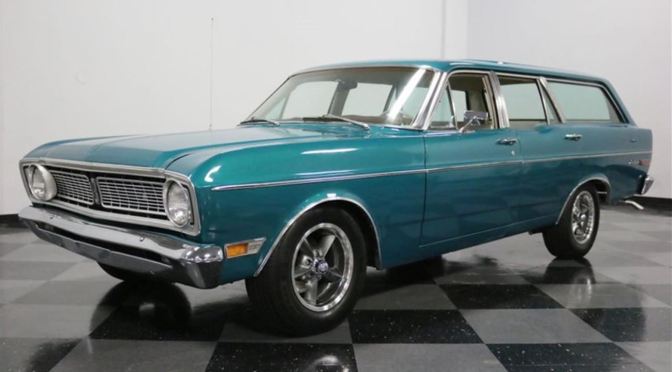
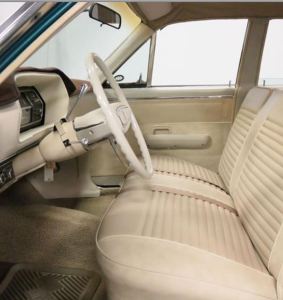 In late 1965, Ford launched the third generation Falcon, based on a shortened Fairlane platform with revised styling. At the top of the line was the highly-trimmed Futura Sports Coupe, which featured chrome side window frames, giving this two-door sedan the look of a hardtop. It also featured a premium all-vinyl interior. Large “Sports Coupe” script on the “C” pillar was borrowed from the 1964–1965 Fairlane Sports Coupe.
  The heater-defroster became standard.
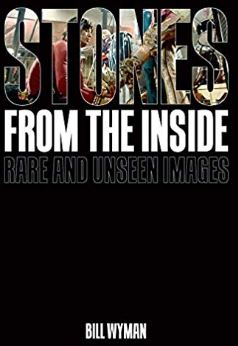 Along with the images of the band at work and play, Wyman includes remarkable images of those along for the ride, from John Lennon, Eric Clapton, David Bowie and Iggy Pop to John Belushi and Dan Aykroyd. To accompany his photographs, Wyman offers up wonderful insights, anecdotes and behind-the-photo stories, giving all us a front-row seat and backstage pass to what it was like to be there, as music history was made as a member of The Rolling Stones.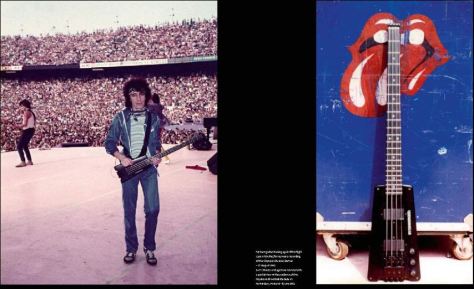
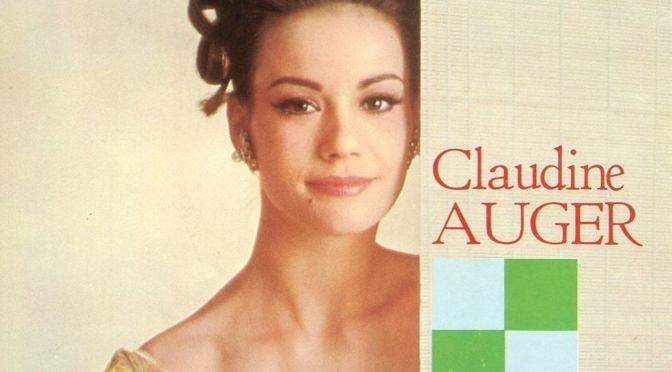
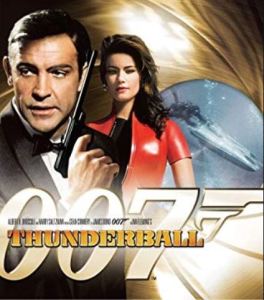 The film’s trailer introduced Auger as: “Young. Beautiful. Trapped. Could be dangerous”.
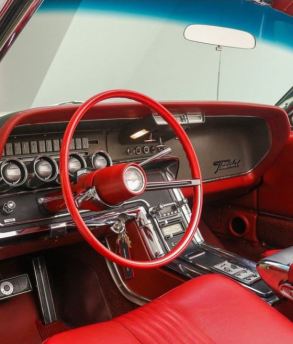 The revised model was initially offered as a hardtop, convertible, Sports Roadster with dealer-installed tonneau cover and wire wheels, and Landau with vinyl roof, simulated landau irons, and wood grain interior appointments. Total 1964 sales were excellent: 92,465, up nearly fifty per cent from the previous year, but with only 50 Sports Roadster kits were sold from the factory. The 1964 Thunderbird was the only car of this generation to have the word ‘Thunderbird’ spelled out on the front hood instead of a chrome Thunderbird emblem. The only transmission available was the Cruise-O-Matic MX 3 speed automatic.
 The fourth generation of the

 The ASA 1000 GT originated in a late 1950s experimental project by Ferrari engineers to create a less expensive, compact alternative to existing Ferrari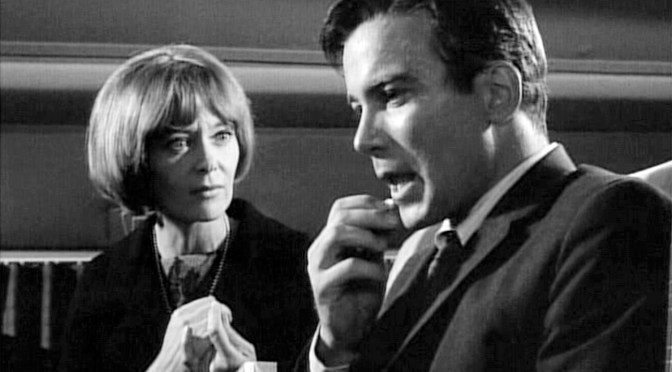
 Shatner takes a comprehensive look at this singular performer, using archival sources and information culled from interviews with friends and colleagues to transport readers through William Shatner’s remarkably bumpy career: his spectacular failures and triumphs; tragedies, including the shocking death of his third wife, Nerine; and, ultimately, the resilience Shatner has shown, time and again, in the face of overwhelming odds. Author Michael Seth Starr unravels the mystery of William Shatner, stripping away the many myths associated with his personal life and his relationships with fellow actors, presenting a no-holds-barred, unvarnished look at the unique career of an inimitable performer.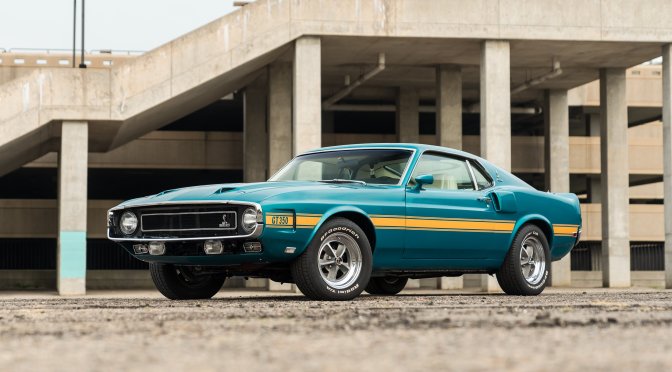
 As the Mustang line grew in size and comfort features, so too did the Shelby branded vehicles on which they are based. Never one to settle for standard, Carroll Shelby decided to take the already aggressive and bold styling of the 1969 Mustang even further. New front fenders, which included functioning brake ducts, were added which terminated in a big, full-width grill and bright chrome bumper set forward of this. Some other interesting design elements were included as well such as NACA ducts on the hood, rather than the traditional raised hood scoops.
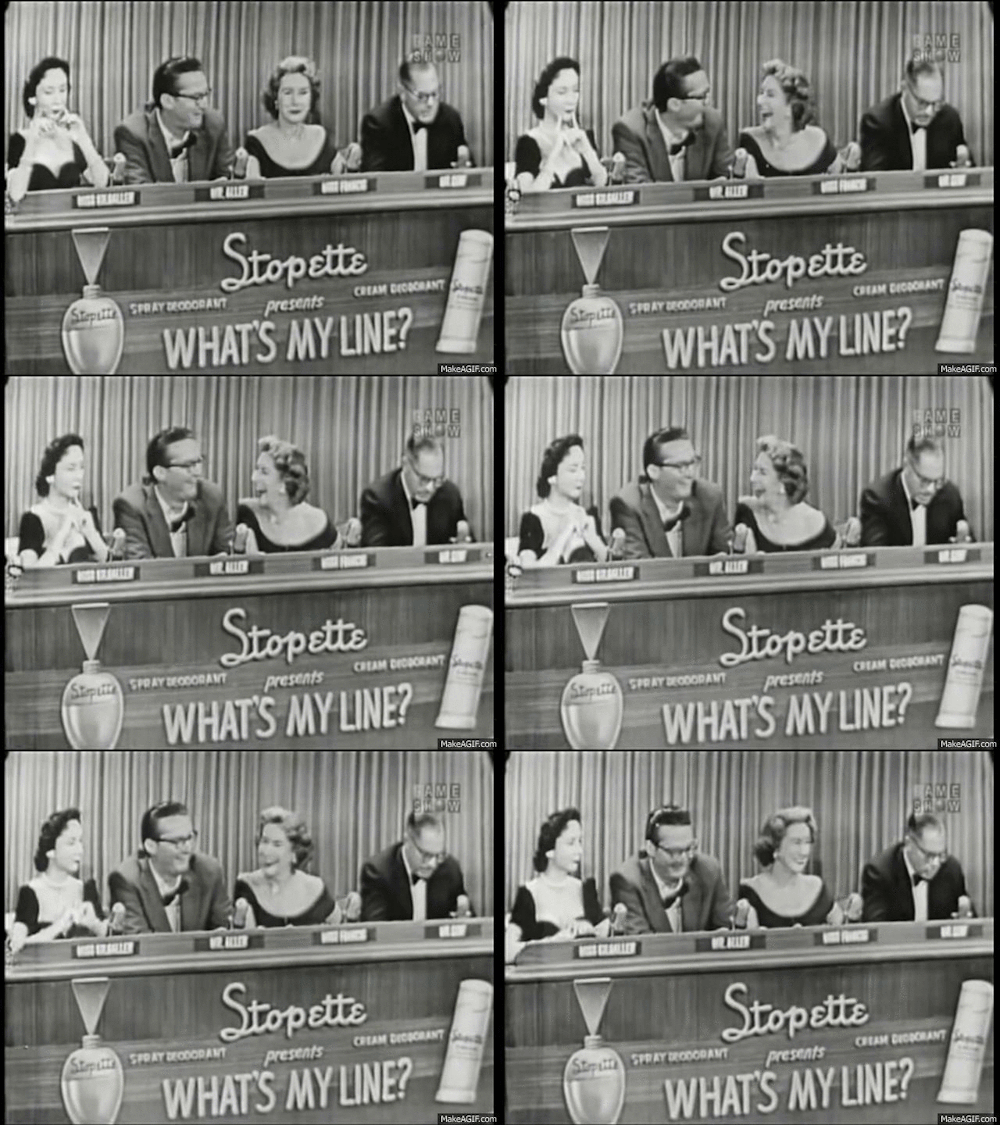 Between 1955 and 1959, America’s prime-time television schedule became dominated by quiz shows.
 Boomers Daily