
‘Journal of Neurology, Neurosurgery & Psychiatry” (July 10, 2020):
 We tested the hypothesis that apathy, but not depression, is associated with dementia in patients with SVD. We found that higher baseline apathy, as well as increasing apathy over time, were associated with an increased dementia risk. In contrast, neither baseline depression or change in depression was associated with dementia. The relationship between apathy and dementia remained after controlling for other well-established risk factors including age, education and cognition. Finally, adding apathy to models predicting dementia improved model fit. These results suggest that apathy may be a prodromal symptom of dementia in patients with SVD.
Cerebral small vessel disease (SVD) is the leading vascular cause of dementia and plays a major role in cognitive decline and mortality.1 2 SVD affects the small vessels of the brain, leading to damage in the subcortical grey and white matter.1 The resulting clinical presentation includes cognitive and neuropsychiatric symptoms.1
Apathy is a reduction in goal-directed behaviour, which is a common neuropsychiatric symptom in SVD.3 Importantly, apathy is dissociable from depression,3 4 another symptom in SVD for which low mood is a predominant manifestation.5 Although there is some symptomatic overlap between the two,6 research using diffusion imaging reported that apathy, but not depression, was associated with white matter network damage in SVD.3 Many of the white matter pathways underlying apathy overlap with those related to cognitive impairment, and accordingly apathy, rather than depression, has been associated with cognitive deficits in SVD.7 These results suggest that apathy and cognitive impairment are symptomatic of prodromal dementia in SVD.

 “Provence has a treasure; it’s a Colombe d’Or. It has the precious scent of thyme and nostalgia and the golden colour of olive oil and happy days. The Colombe is a part of my life. For me, it’s a place that’s as full of promise as of magnificent memories. The Colombe is indefinable, inimitable. I’m happy that today a book brings back the atmosphere of this place which is like no other in the world.”
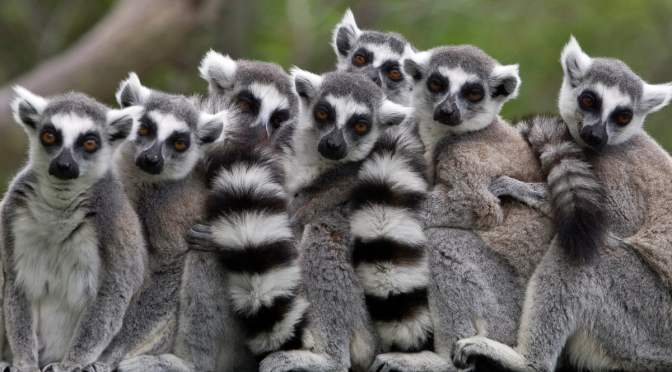

 The first lemur I ever met was a female, and she tried to bite me, which was fair, because I was trying to touch her, and humans have done nothing to recommend themselves to lemurs. She was an indri lemur, living in a wildlife sanctuary outside Antananarivo; she had an infant, which was riding not on her front, like a baby monkey, but on her back, like a miniature Lester Piggott. She had wide yellow eyes. William Burroughs, in his lemur-centric eco-surrealist novella Ghost of Chance, described the eyes of a lemur as ‘changing colour with shifts of the light: obsidian, emerald, ruby, opal, amethyst, diamond’. The stare of this indri resembled that of a young man at a nightclub who urgently wishes to tell you about his belief system, but her fur was the softest thing I have ever touched. I was a child, and the indri, which is the largest extant species of lemur, came up to my ribs when standing on her hind legs. She looked, as lemurs do, like a cross between a monkey, a cat, a rat and a human.





 The Economist Morning Briefing, July 14th, 2020: Coronavirus cases surpass 13m and China and America trade insults.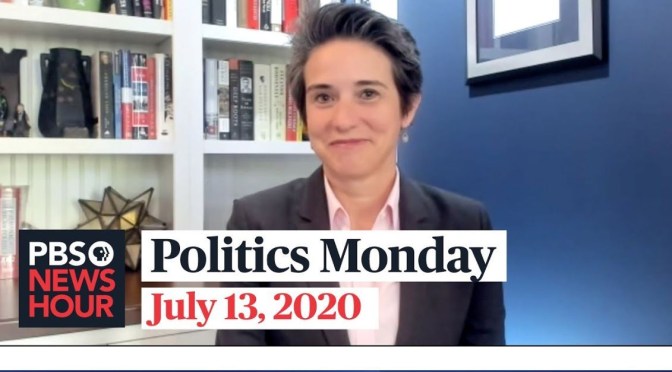

 A micro-housing concept for Häfele, the leading manufacturer of architectural and furniture, lighting, and hardware. Designed to take advantage of Häfele’s comprehensive product line in both conventional and speculative ways and to position the brand as a resource for emerging models of living…


 Economists have long used letters of the alphabet like V and U to describe economic recoveries. But the coronavirus downturn is so different from past recessions that economists are coming up with new shapes to describe the potential recovery. WSJ explains.
  Boomers Daily