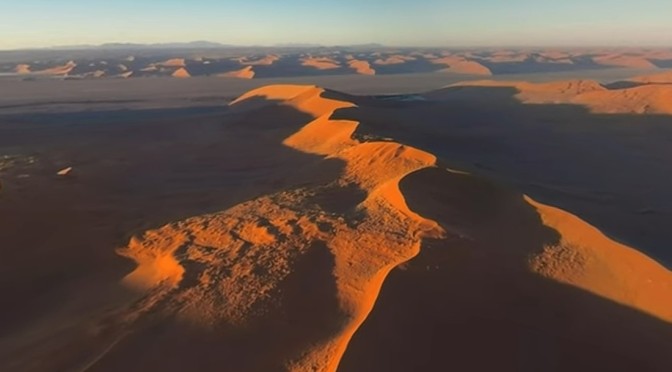
AirPano VR – Namib, Portuguese Namibe, a cool coastal desert extending for 1,200 miles (1,900 km) along the Atlantic coast of Africa from Namibe (formerly Moçâmedes) in Angola southward across Namibia to the Olifants River in the Western Cape province of South Africa. It reaches inland 80 to 100 miles (130 to 160 km) to the foot of the Great Escarpment. The southern portion merges with the Kalahari on the plateau atop the escarpment. Its name is derived from the Nama language, implying “an area where there is nothing.”
The Namib is arid and is almost totally uninhabited, except for a small number of scattered towns. It is important because of the trade routes that cross it, its mineral deposits, the fisheries of the bordering sea, and its increasing utilization for recreational purposes.
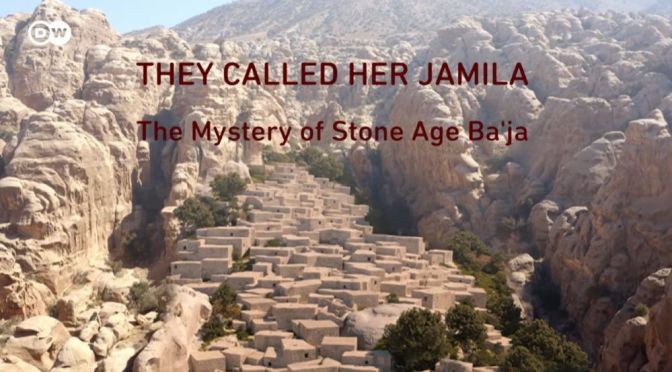
DW Documentary – The Neolithic village of Ba’ja in Jordan
is a famous archaeological site. It was one of the world’s first known settlements, founded some 9,000 years ago. The site has produced magnificent finds including an ancient necklace made of 2,500 beads. What prompted our Neolithic ancestors to settle down? Why did they change their nomadic, hunter-gatherer lives so radically?
As is so often the case in archaeology, it is tombs that tell us the most, while also raising new questions. One of the most magnificent finds at the Ba’ja archaeological site is the richly furnished tomb of a young girl. In 2018, as the excavation team was about to depart, beads emerged from beneath the slab of a nondescript tomb. The team kept working until they finally recovered around 2,500 beads.
Further research showed the beads belonged to an elaborately crafted necklace that had been buried with the girl. The team affectionately christened her Jamila, “the beautiful one.” Jamila’s necklace is a sensation, and has been put on display at the new Petra Museum. There, the entire history of the country is presented, beginning with Ba’ja and humankind’s decision to leave behind the hunter-gatherer lifestyle.
Along with other finds from Ba’ja, Jamila’s finely wrought necklace calls into question much of what we thought we knew about the Stone Age. In recent decades, the burial site in Jordan has helped us see Neolithic people through different eyes. One thing seems clear: They were able to invest time in aesthetics, jewelry and furnishings because their food supply was secure.
Monocle Films – Spain is one of the countries that our
editorshave consistently begged to visit over the years as they attempt to understand its wholesome hidden depths. Here are 10 things that have us hankering for more.
The Woodland Trust – River woodland is key to tackling
thetwin climate and biodiversity crises – reducing flooding, improving river health and restoring the ecosystem. We’re working in England, Scotland, Wales and Northern Ireland to plant and restore river woodland for people and wildlife.
In Scotland, this particularly means fish. Salmon, to be exact. Whole upland river catchments devoid of trees are seeing Scotland’s rivers warm to a point that could see salmon disappear in just 20 years. These fish need clean, cold water to thrive, and river woodland is the way to return it to them. The Woodland Trust is working across river catchments to expand native woodland alongside rivers and burns.
Trees provide shade and cover for young salmon and trout, stabilize riverbanks, slow the flow of water downstream and create wildlife corridors. A key part of this work involves working with landowners to plant and restore river woodland on their land, advising on the initial planting and empowering them to monitor their river woods into the future.
With the passage of time the island may have changed, but we can still feel the spirit of a distant glorious past. Its rich multi-cultural heritage, its historic monuments, its stunning natural landscape, its crystal clear seas, and its excellent weather all year round explain why Corfu is one of the most cosmopolitan Mediterranean destinations weaving a powerful spell on its visitors.
Corfu (Kerkyra in Greek), unlike the rest of Greece, never fell under the Ottoman oppression. Due to the successive dominations of the Venetians, the French and the British over the centuries, the island has primarily become part of the Western rather the Levantine world. Their culture wielded strong influence in the city: it was here that the first Greek University (the Ionian Academy), the first Philharmonic Orchestra and the First School of Fine Arts were founded.
Paris+, par Art Basel is the fourth event of its kind in the portfolio of Art Basel, the world’s biggest art fair. Other, related editions are regularly held in Hong Kong, Miami Beach, and the Swiss city of Basel, where its tentpole fair is held. Expect big sales and even bigger crowds, as has long been the case with Art Basel’s other editions.
From Germany via Poland, the Czech Republic, Slovakia and Hungary to Rumania – that’s the route our two DW reporters Shabnam Surita and Laila Abdalla took. They travelled all the way through Central and Eastern Europe to find out how the Russian war against Ukraine is affecting tourism in its neighboring countries.
Cities visited: Wroclaw, Prague, Bratislava, Budapest and Timisoara.
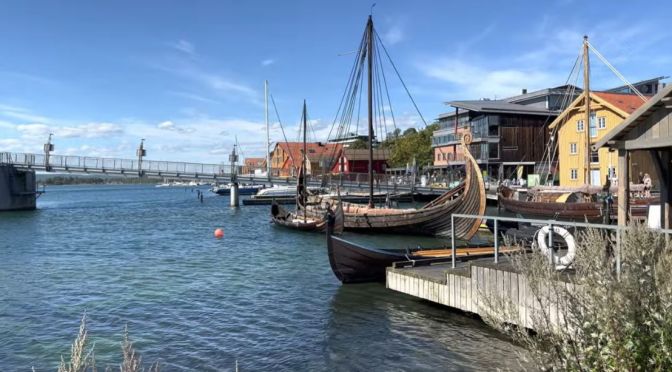
Tønsberg, town, southeastern Norway, at the head of Tønsbergfjorden. Considered to be the oldest town in Norway, Tønsberg was founded c. AD 871 and became an important trading centre. In the 13th century King Håkon Håkonsson built his castle, Tønsberghus, there.
The town was destroyed by fire in 1536 and only in the 18th and 19th centuries did it become a major port and one of Norway’s major shipping and whaling centres. Until the late 1960s it was Norway’s third largest maritime town. Tønsberg remains an industrial and shipping centre, with such diverse concerns as metal shops, shipyards, paper mills, leather processing, and breweries; it is noted especially for its silverware.
Tourist sites include ruins of the Tønsberghus, St. Michael’s Church (c. 1150), the ruins of the Royal Castle (1276), Sem Church (c. 1100), and the Vestfold Museum.
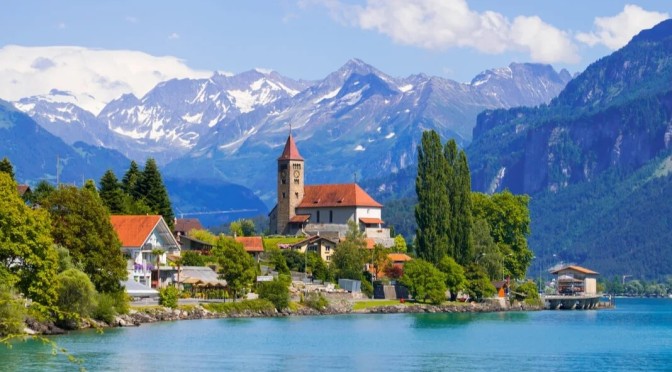
Brienz is a village on the northeast shore of Lake Brienz, in Switzerland’s Bernese Oberland region. The village’s 18th-century wooden chalets and the sculptures dotted throughout the village are testimonials to a woodcarving tradition. North, a steam train runs up Brienzer Rothorn Mountain, with views of the lake and surrounding Alps. East of Brienz, the Ballenberg Open Air Museum offers glimpses of rural life.
The most romantic part of Brienz is the Brunngasse which, having once been awarded the title «most beautiful street in Europe», is well-known abroad. Most of the houses in the street date from the 18th century and are decorated with wood carvings. Brienz, which is well-known as the “village of carving” has a long tradition in wood processing and to this day has a school for carving and violin-making.


 DW Documentary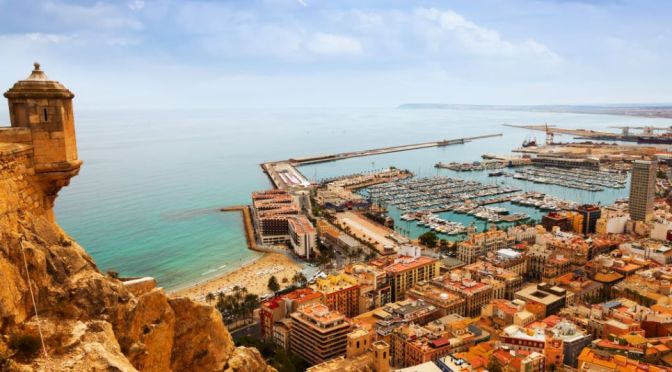
 Monocle Films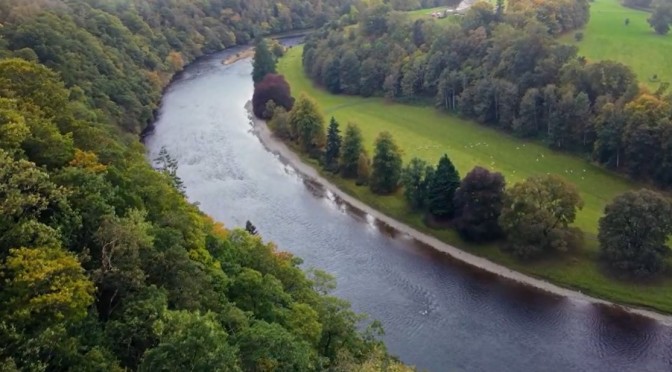
 The Woodland Trust – River woodland is key to tackling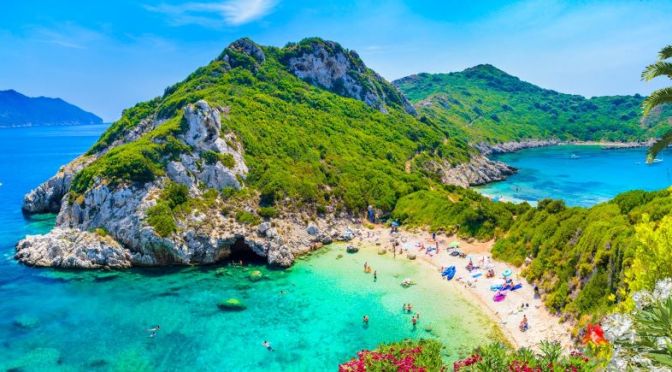



 Boomers Daily