
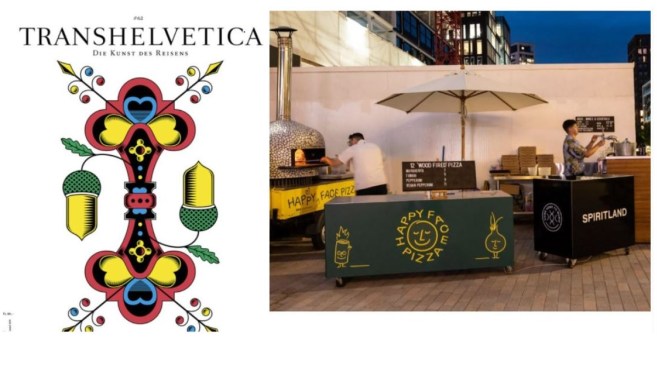
We visit two bold companies finding canny ways to pivot their product for changing audiences. Transhelvetica, a Swiss magazine, and Spiritland, a London-based hospitality and audio venture, are each shaping the media landscape for the better. To discover more about Monocle magazine head to http://www.monocle.com
Category Archives: Society

Tourism: Ten Things To Know About ‘Thailand’
As the business world prepares to get moving again, here are 10 things that you might have missed about Thailand during the past 12 months. From its sunny disposition to its trade and innovation, quality of life and sustainable development, there’s much to look forward to on your next trip.
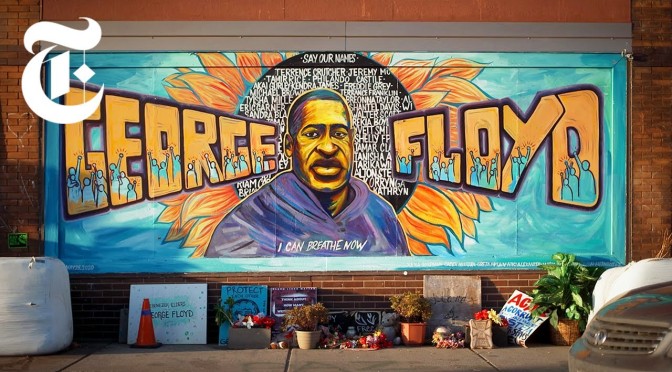
Inside View: ‘George Floyd Memorial’ Controversies
The trial over George Floyd’s death is under way in Minneapolis. What to do with his memorial site has become a controversy of its own.
Future Shopping: Online Retail & Personal Data
The pandemic has upended the way people buy—online retail has soared as high-street shops and malls close. Brands are now racing to exploit one of the most important weapons in the battle for buyers: their customers’ data.
Read special report on the future of shopping here: https://econ.st/2Q8XQC2
Candy Business: ‘How Wrigley’s Dominated Chewing Gum’ (Video)
Gum lines the pockets of most Americans and has been a staple in American culture for centuries. For some, gum is all about flavor, and for others, it’s about fear of bad breath, curbing hunger, or alleviating anxiety. For nearly 130 years, the brand Wrigley’s has become synonymous with chewing gum.
Since its start, the gum maker has dominated the chewing gum market, spawning brands from Juicy Fruit to Orbit to 5 Gum. But it hasn’t always been smooth sailing for the William Wriglely Jr. Co.; over its storied past, the brand has faced turbulent years. Since the early 2000s, the chewing gum market has seen a decline in public sentiment, which hurt significant players. In 2006, the company ended its long-standing tradition of being a family run business with William Wrigley Jr. stepping down as CEO.
By 2008, Wrigley’s faced increasing global competition and was acquired by Mars along with Warren Buffett’s Berkshire Hathaway. According to Euromonitor International, the gum industry’s market value hit $18.6 billion in 2020. Since 2015, Mars Wrigley has held 25% of the global brand share for chewing gum and a 40% portion in the U.S. The Covid-19 pandemic since it began in March 2020 has negatively impacted gum’s most prominent players and could negatively affect Mars Wrigley gum brands’ future.

Healthy Aging: Ikaria – A Small Greek Island With Oldest Life Expectancy
Ikaria, a tiny island in the Aegean sea, is known as a blue zone, a special place where life expectancy is much higher than the rest of the world. We travel there to explore just what it is that makes the island so special.
Conspiracy Theories: ‘Why People Are So Attracted?’
Belief in conspiracy theories is far more widespread than the stereotypes that dominate pop culture. Recently, QAnon, Covid-19 and 5G theories have gained traction and criticism while less controversial conspiracies like the faked moon landing have persisted for decades. We all share hardwired evolutionary traits that make us vulnerable to them, from the way we assign truth to new information to our tendency to find patterns in unrelated phenomena. But if we’re all potentially susceptible to conspiracy theories, how can we manage these cognitive shortcuts?
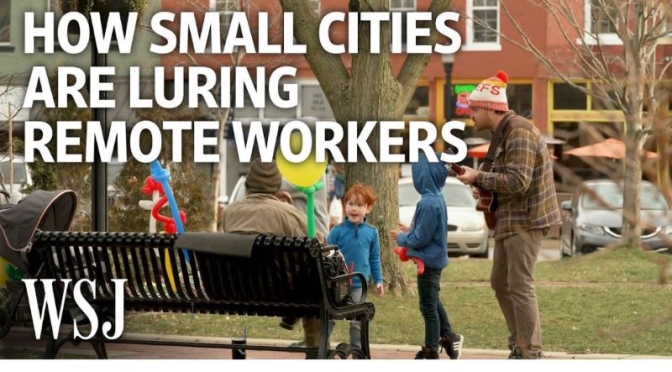
Employment: ‘How Small Cities Are Attracting Remote Workers’ (Video)
As the pandemic changes how — and where — professionals work, some smaller cities and regions are offering hefty relocation incentives to attract remote workers to help jumpstart their local economies. WSJ met one family who accepted an offer to make a new home in the Ozarks. Photo: Craig Kauffman for the Wall Street Journal
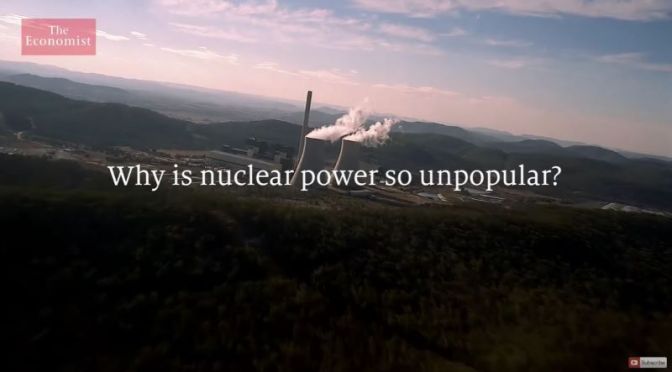
Nuclear Power: ‘Why Is It So Unpopular?’ (Video)
The meltdown at a nuclear power station in Fukushima, Japan, ten years ago stoked anxieties about nuclear energy. But nuclear is one of the safest, most reliable and sustainable forms of energy, and decarbonising will be much more difficult without it.
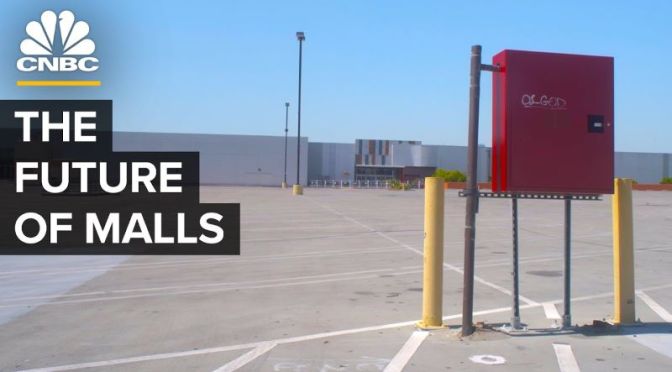
Analysis: ‘Why U.S. Malls Are Disappearing’ (Video)
Shopping malls in the U.S. were already in decline before the Covid-19 pandemic as consumers shifted away from traditional brick-and-mortar stores to e-commerce. The outbreak has only exacerbated the challenges at malls as social distancing has placed restrictions on stores, movie theaters and restaurants.
So what will become of malls in America after the pandemic ends? Shopping malls across the U.S. have been reeling as restaurant and retail tenants struggle to keep their doors open. Data compiled by Coresight Research shows about a quarter of U.S. malls could close over the next three to five years, accelerating a trend that began before the pandemic.
Simon Property Group — the nation’s biggest mall owner — said earlier this month that its fourth-quarter revenue dropped by 24% on a year-over-year basis to $1.1 billion. However, some analysts think Simon — with its portfolio of A-rated malls and a healthy balance sheet — will benefit as distressed malls operated by its rivals close their doors. The company is also expected to see gains from new additions like hotels and luxury residences.
“Unfortunately there are a lot of centers that don’t fit that high profile and that have lost their competitive edge,” said Piper Sandler analyst Alexander Goldfarb. “The thing about Simon is they’ve been really focused on maintaining it, and that’s both been through a combination of culling the lower productive centers as well as making sure that they keep investing in their top centers.”
Simon Property Group CEO David Simon said the company is also getting a lift from increasing traffic at some of its locations and from tenants paying their rent on time. Malls are a big tax driver for the communities they serve and employ lots of people locally. Watch the video above to find out more about the struggles U.S. malls face and what could become of them after the pandemic ends.
 Boomers Daily