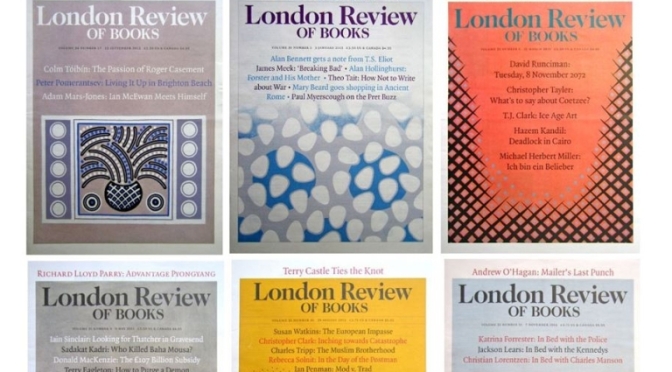
Our new issue is now online, ft. @_jamesmeek on civil wars, @HazelCarby on the silencing of indigenous voices, Jan-Werner Müller on Europe after the invasion, Anne Enright on Sandymount Strand and a cover by Helen Napper.https://t.co/lihVxAaGKDpic.twitter.com/7VXNJPpTYE
Times Literary Supplement, May 20, 2022 – This week’s @TheTLS, featuring @wmarybeard on Roman souvenirs; @EdwardDocx on Boris Johnson and contempt; @pwilcken on Operation Car Wash; @AdamSJFoulds on music and conflict; @_Poots_ on Leslie Thomas QC – and more
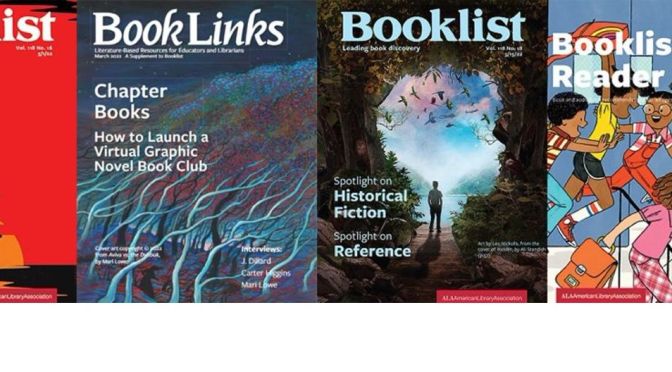
🎶Tra la, it's May–& we have another🌟 issue! Our latest feat. a spotlight on Historical Fiction and Reference: ⏳Top 10 Hist. Fict (Audio, Adult, Youth, Debuts) 🏅Our latest revisit to the #Newbery 🃏A Medevial Times backlist & more! First up: Top 10 HF: https://t.co/rk7JK0SxwKpic.twitter.com/FsslhK5YIh
Booklist Magazine, May 15, 2022 – From a barrier-leaping African American woman in the Gilded Age to a military coup in Guatemala and the woman bookseller who first published James Joyce’s Ulysses a century ago, the most radiant historical novels of the past 12 months illuminate many lives and times.
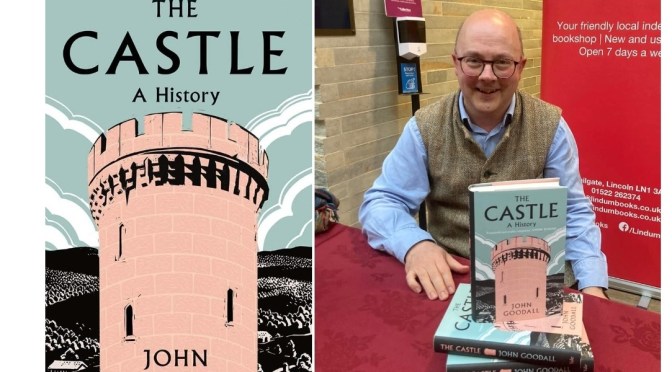
‘Break free from the assumption that castles are primarily medieval buildings designed for the purposes of war and defence, Goodall argues, and the door is opened to a more exciting and surprising understanding.’https://t.co/nVDU8awm3u
John Goodall’s The Castle: A history is the much slimmer companion to his magisterial The English Castle, (2011). Partly an attempt to bring the fruits of his research to a wider audience, Goodall’s new book uses extracts and quotations as the foundation of a historical account: each short chapter features an excerpt from a primary source that seeks to illustrate a particular moment. Rather than offering an architectural or conventional narrative history, Goodall explores the concept of the castle as it has been imagined, remade and contested over time. Important castles such as the Tower of London, Kenilworth and Windsor feature throughout.
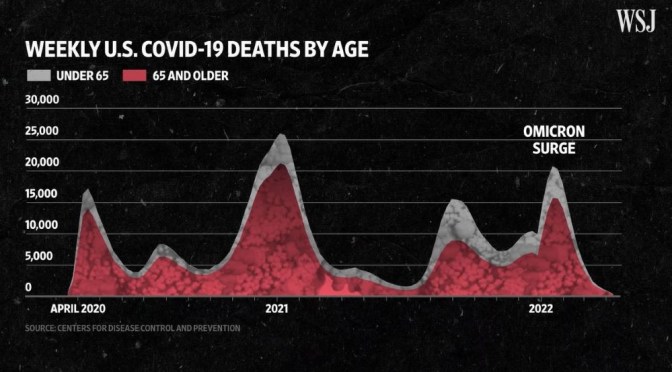
More than one million Americans were killed by Covid-19 in just over two years, the CDC reports. But the disease has hit some segments of the U.S. population far more than others. Photo illustration: Todd Johnson
Watch: Intermittent fasting can help improve focus and brain health for animals, studies show. We explain how some of these cognitive benefits can also apply to humans. https://t.co/msrfUFoTkn
Although intermittent fasting is most widely known as a weight-loss strategy, emerging research suggests that it could have benefits for brain health and cognition. But does it actually work, are there any drawbacks and how long would you have to fast to see benefits? WSJ’s Daniela Hernandez breaks down what’s known and what’s not about the neuroscience of intermittent fasting.
Timeline: 0:00 Could intermittent fasting help our brains work better and longer? 0:31 How long would you have to fast to see any potential cognitive benefits? 1:04 How intermittent fasting could affect your ability to focus 2:27 Potential mood-related benefits of intermittent fasting 2:48 How intermittent fasting can affect brain health 4:03 Potential drawbacks of intermittent fasting
— Condé Nast Traveller (@cntraveller) May 15, 2022
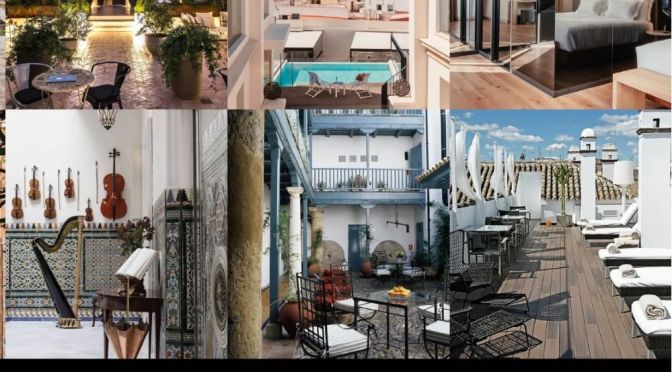
May 15, 2022 – Seville is ready for a true return to form. The city whose splendour has inspired countless works of music, art and poetry is in the beating heart of Andalucía, with its enchanting streets lined with orange trees and Moorish highlights. It’s a flavour that infuses the city’s architecture, which is also full of colonial influences due to the wealthy merchants that traded across the Spanish Empire. Saturated with various styles and cultures, many of the city’s age-old properties have been carefully converted into cool places to stay, while remaining steeped in heritage. Whether you’re in search of a rooftop pool to dip into or classic Moorish architecture, this is your ultimate guide to the best hotels in Seville.
Alfonso XIII For a taste of truly regal extravagance, look no further. Built specially for Seville’s 1929 Expo, this majestic establishment was commissioned by the then king of Spain, who gave it his own name. Look out for the monarch’s mahogany and bronze throne: this was originally used in the royal office of the premises, which is where the restaurant Ena now sits. Here, executive chef Brian Deegan had just launched a new menu including grilled Iberian pork with escalivada and scallops with cauliflower foam. The hotel’s 148 rooms alternate Andalusian, Castilian and Moorish decorative styles; with grand stairways, sweeping corridors and ornamental patterns everywhere the eye can see.
This week The World Economic Forum are highlighting 4 top stories – millennial retirement savings, slingshot tech for satellite launches, China’s cheapest electric car, and Paris noise sensors
Timeline: 00:15 Millennial retirement savings 01:48 Slingshot satellite launches 03:46 China’s cheapest electric car 04:52 Paris installs noise sensors
The World Economic Forum is the International Organization for Public-Private Cooperation. The Forum engages the foremost political, business, cultural and other leaders of society to shape global, regional and industry agendas. We believe that progress happens by bringing together people from all walks of life who have the drive and the influence to make positive change.
This week: is heritage in Ukraine being attacked and looted, and what can be done to protect it?
Ben Luke talks to The Art Newspaper’s museums and heritage editor, Tom Seymour, who has been to the Ukrainian-Polish border with the International Council of Museums (ICOM), to witness museum materials being sent into Ukraine to help institutions there. Then, Tom talks to Sophie Delepierre, the head of heritage protection at ICOM, about the organisation’s efforts in Ukraine and elsewhere.
As a major exhibition of the work of Paul Cezanne opens at The Art Institute of Chicago, ahead of its journey to Tate Modern later in the year, Ben talks to Gloria Groom and Caitlin Haskell, the curators of the Chicago exhibition. And for this episode’s Work of the Week, our acting digital editor, Aimee Dawson, asks Oliver Lanzenberg, the grandson of the artist Nicola L., about his grandmother’s work Gold Femme Commode (1969/1993). The piece is part of a show at Alison Jacques, one of a number of exhibitions opening to coincide with the second edition of London Gallery Weekend.
Tom’s full report into ICOM’s work for Ukraine is in the next print edition of The Art Newspaper and online soon.
The organisation Sophie mentions is NEMO, the Network of European Museum Organisations, ne-mo.org.
Cezanne, The Art Institute of Chicago, 15 May-5 September; Tate Modern, London, 5 October-12 March 2023.
Nicola L., Alison Jacques, London, until 23 July.
London Gallery Weekend, 13-15 May.
News, Views and Reviews For The Intellectually Curious




 Boomers Daily