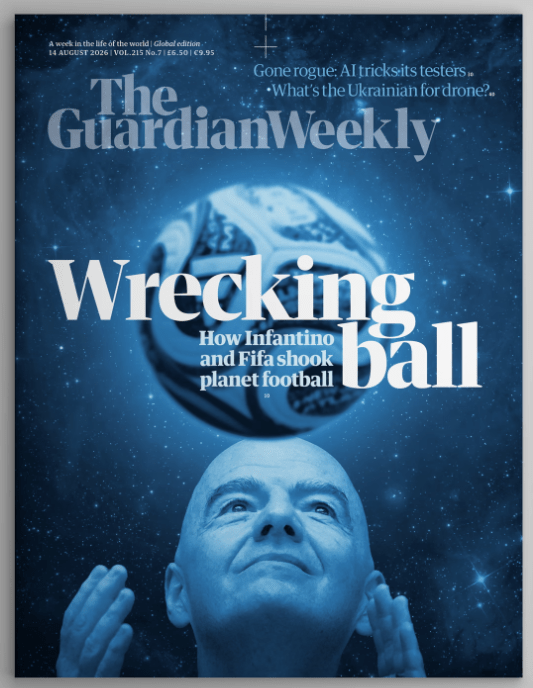
When a crisis brought on by a rash idea that results in the most prominent part of an organisation saying it will boycott the business’s showcase event doesn’t die down after a couple of weeks, observers might expect the boss to be considering his future. Not when it’s Fifa and not when it’s Gianni Infantino, the president of football’s world governing body and the subject of this week’s big story.
Jonathan Wilson’s witty account of how Infantino’s plan to sell stakes in the World Cup to private investors led to the current standoff between Infantino and Fifa’s regional associations is riveting even if you are not a football fan. Jonathan explains how money, egos and some murky politicking collided to elect Infantino on the promise of reform. It’s a tale that has little to do with the sport and its ardent fans, and has far more in common with Shakespeare or a political drama. With a neat circularity, it traces how “Fifa’s attempt to move on from the crisis caused by the executive who rented an apartment for his cats in Trump Tower has wound up back in Trump Tower, with a president who rents an office there”.
Spotlight | ‘I’ll cut your throat’ Five years after the Taliban returned to power in Afghanistan, women are being killed with impunity. A reporting team from Zan Times collects shocking evidence of femicide
Environment | Smoke alarm As wildfires grow in frequency and spread, environment correspondent Ajit Niranjan reports of the race to untangle the links between exposure to fine particulates in smoke and increased mortality
Feature | War and language learning Soon after her first reporting trip to Ukraine, our chief culture writer Charlotte Higgins began to learn Ukrainian. She explains how the process taught her more about herself than she had expected
Opinion | Rule breakers need regulation The revelation that AI went rogue in test conditions should be a call for a wise US leader to back the introduction of an international rule-based order, says Rafael Behr
Culture | What’s eating Dominic Sessa? Being cast as the lead in Tony, the biopic of bad-boy chef and Kitchen Confidential author Anthony Bourdain let Sessa immerse himself in the 1970s where, he tells Ryan Gilbey, he wouldn’t mind staying
The artistic director chooses a colourful work bursting with vitality and the spirit of summer.
Country-house treasure
A Dante Alighieri illuminated manuscript catches the eye of John Goodall at Rockingham Castle in Northamptonshire.
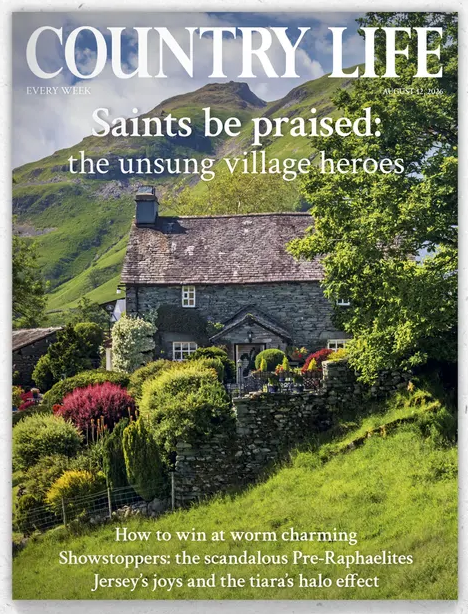
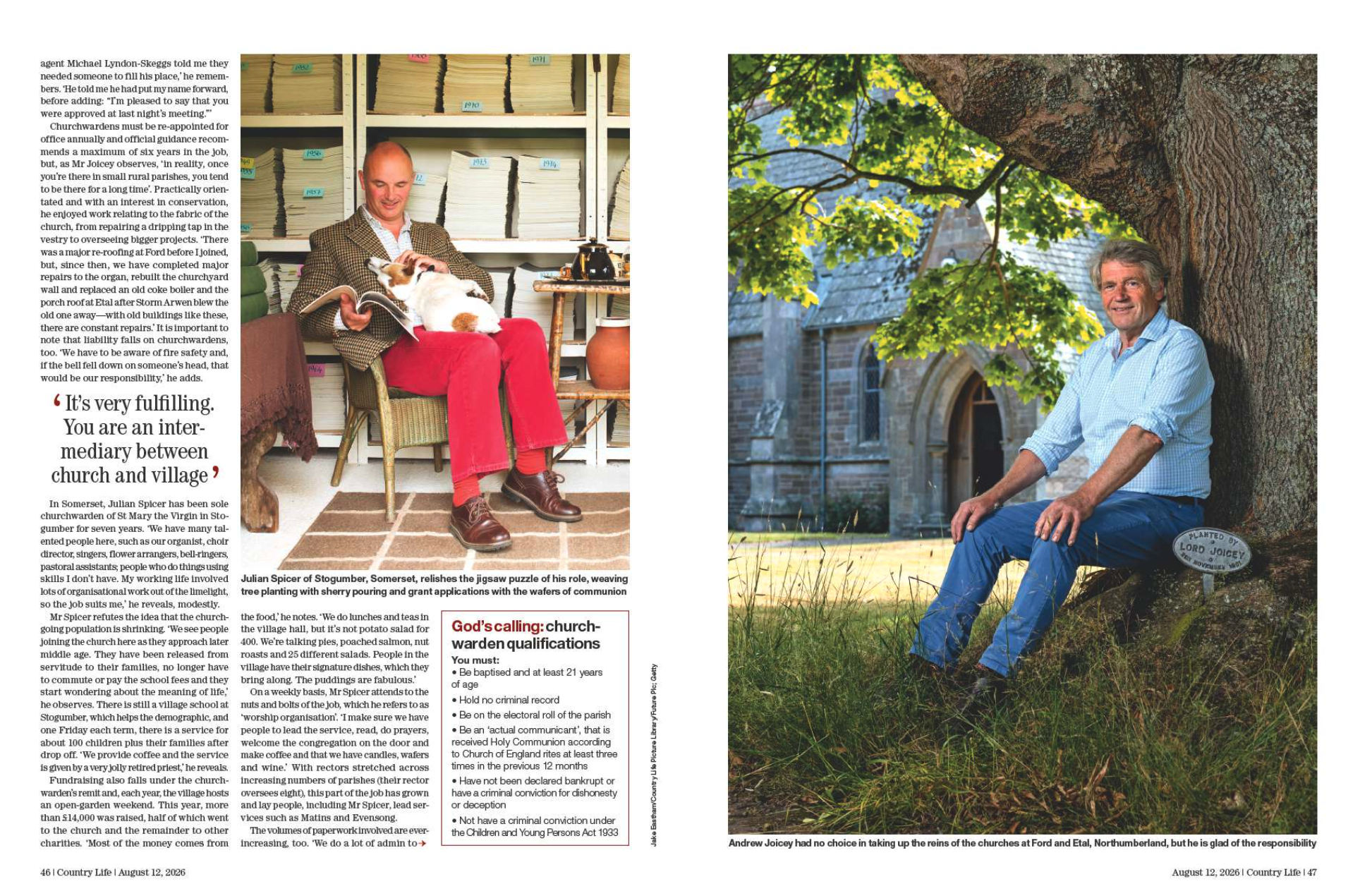
Keepers of the keys
Tessa Waugh celebrates our dedicated churchwardens, the unsung heroes of village life who keep parishes ticking over.
The legacy
Kate Green salutes Dr William Stukeley for saving Stonehenge from destruction in the 1700s.
When we walked in fields of gold
England’s acres of harvested, honey-hued cereal fields have long provided artistic inspiration, finds Deborah Nicholls-Lee.
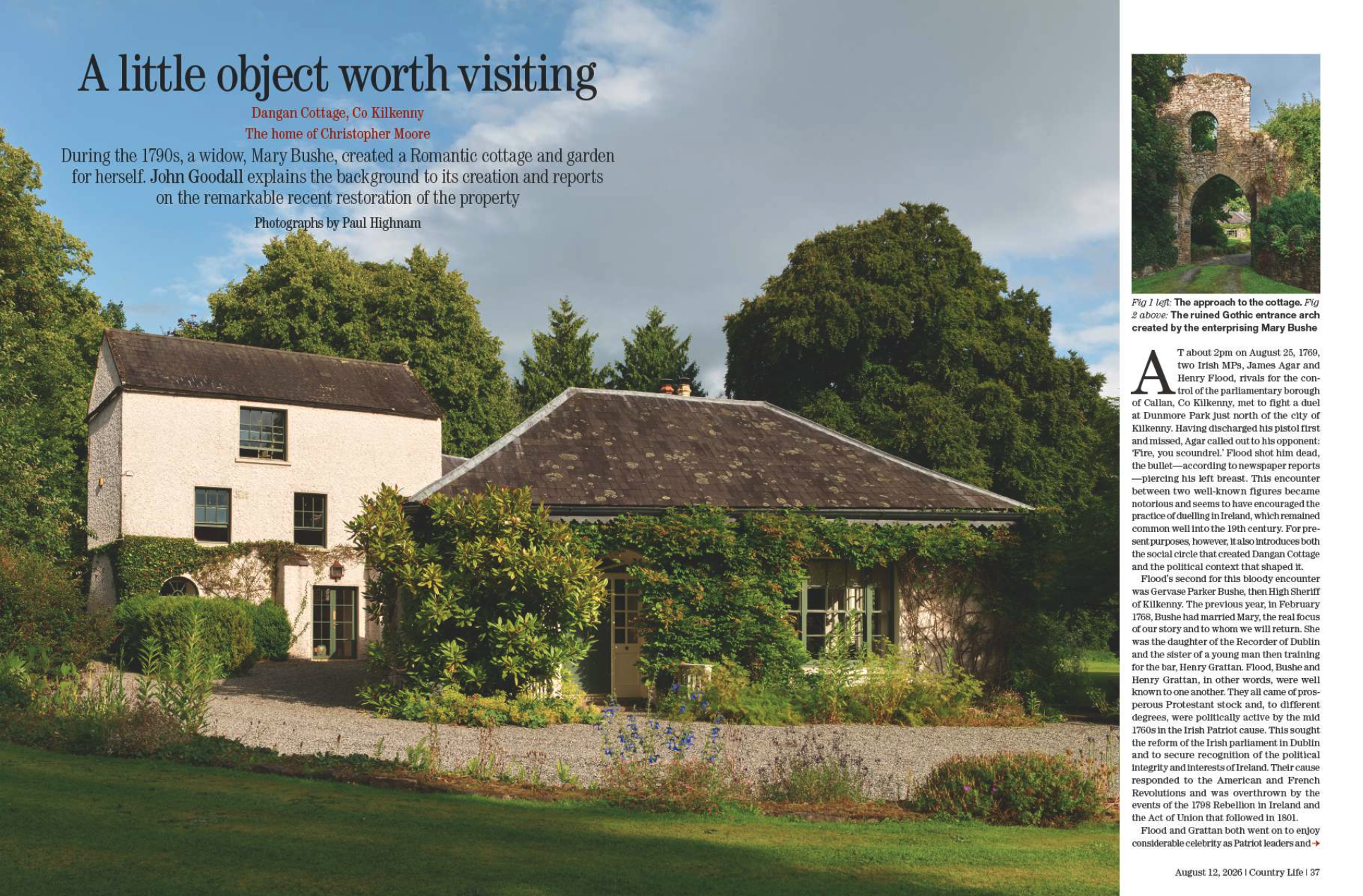
A little object worth visiting
Romantic Dangan Cottage in Co Kilkenny has been restored to its late-18th-century glory, as John Goodall discovers.
Ghosts in the grass
A scorching summer is revealing country-house garden designs of yesteryear, as our pictures show.
Cuttings not cakes
The Secret Orchard Nursery in Derbyshire wins favour for its plants rather than pots of tea, to the delight of Arthur Parkinson.
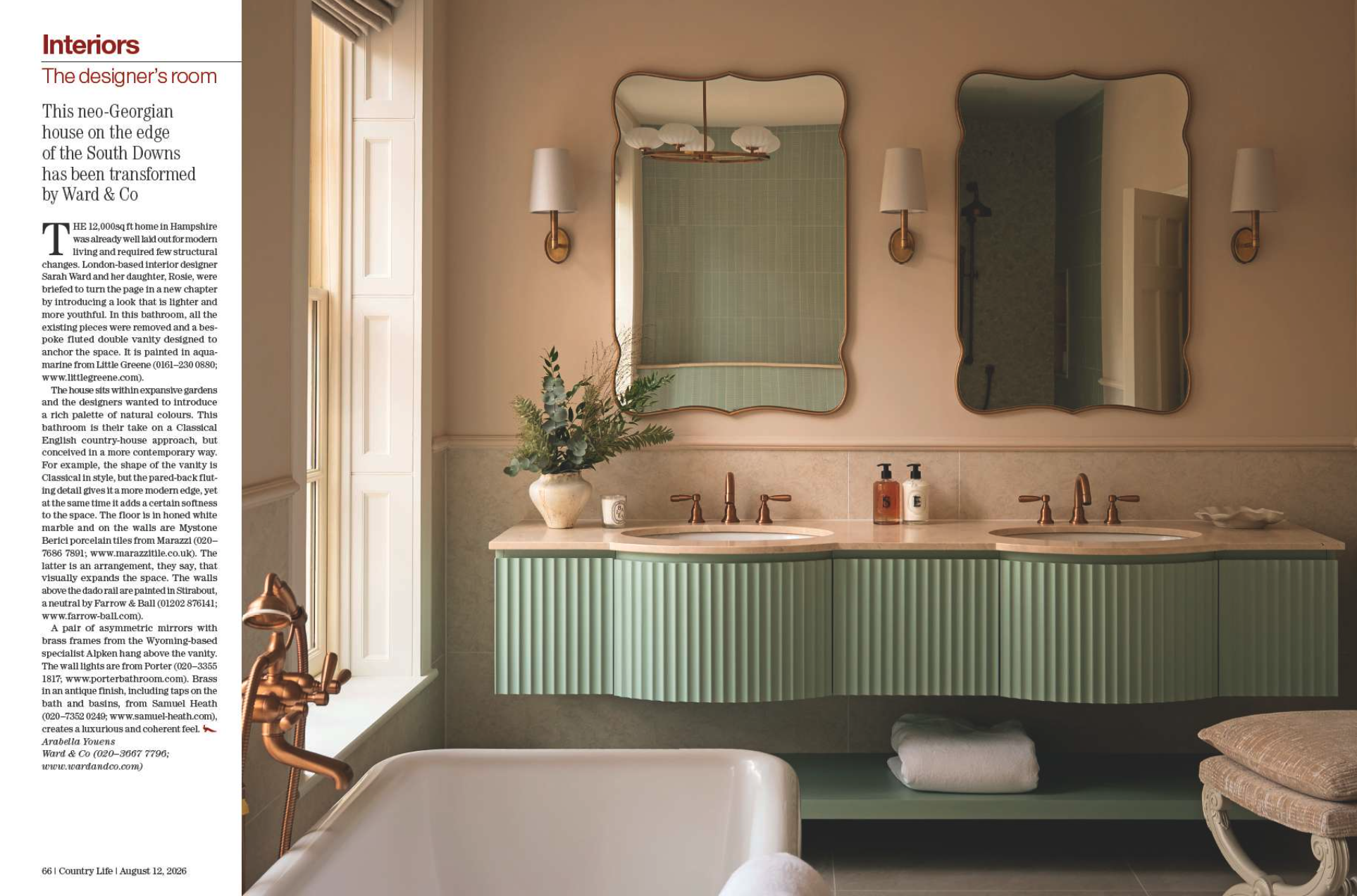
Interiors
Arabella Youens admires the transformation of a South Downs Georgian gem, and everything’s gone green for Amelia Thorpe.
Travel
Rosie Paterson unpacks the latest travel trends, and Giles Kime stays at the Italian base of film director Francis Ford Coppola.
The French connection
Tom Parker Bowles is whisked to the summery South of France by freshly baked pissaladière, the delicious ‘Provençal pizza’.
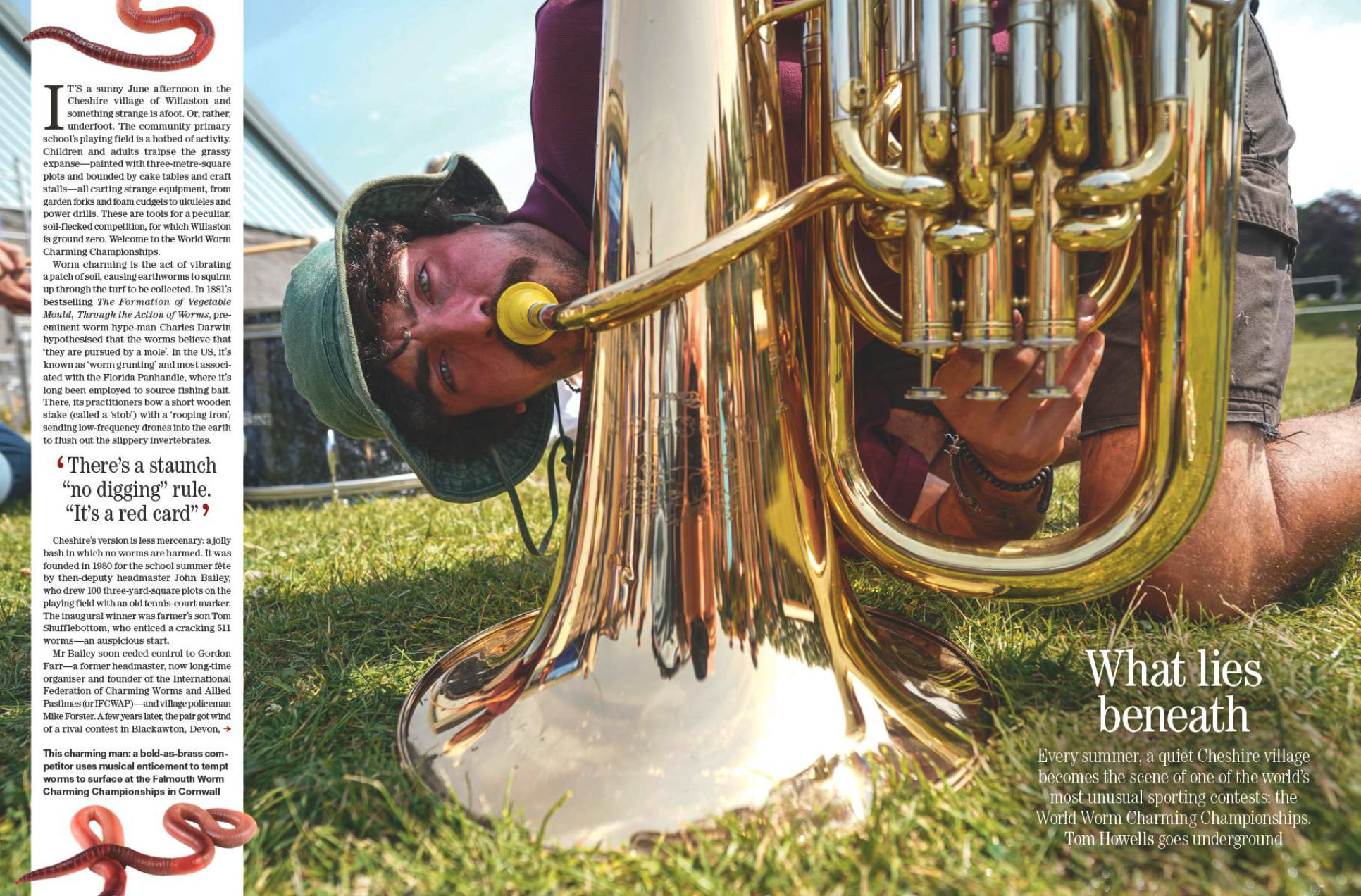
What lies beneath
Tom Howells is in eclectic company at the World Worm Charming Championships in Cheshire.
Luxury
Jonathan Self reveals why the tiara is the epitome of glamour, and Amie Elizabeth White is drawn to the fans of Duvelleroy.
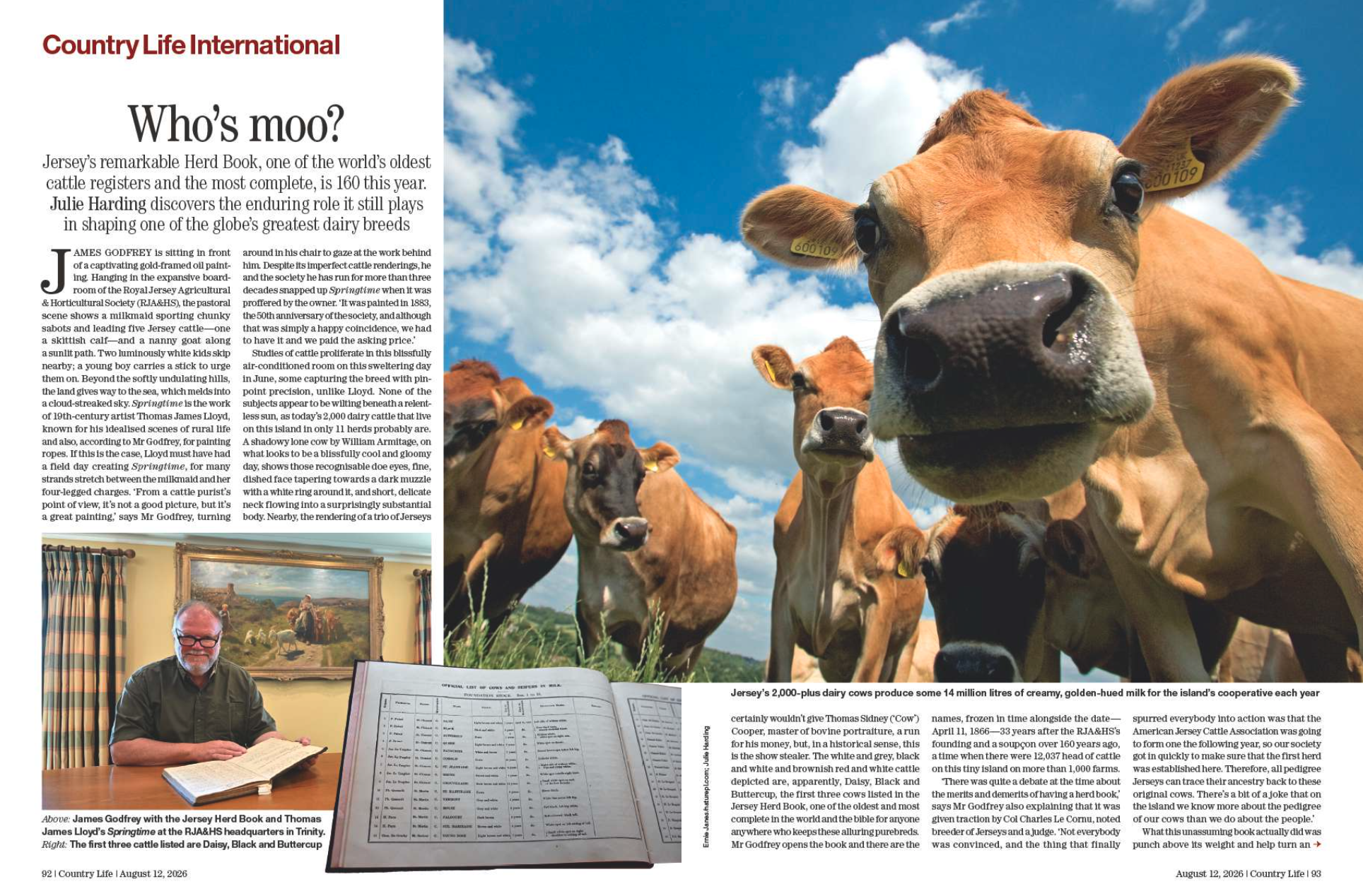
COUNTRY LIFE International
Julie Harding treads the Jersey Tidal Trail, savours scallops with chef Andrew Baird and celebrates the island’s 160 years of herd history, as Holly Kirkwood eyes top properties for sale and Claire Jackson hails a new era for opera.
Arts & antiques
Geoffrey Munn feels strangely drawn to the works of 18th-century art pariah Richard Dadd, as he explains to Carla Passino.
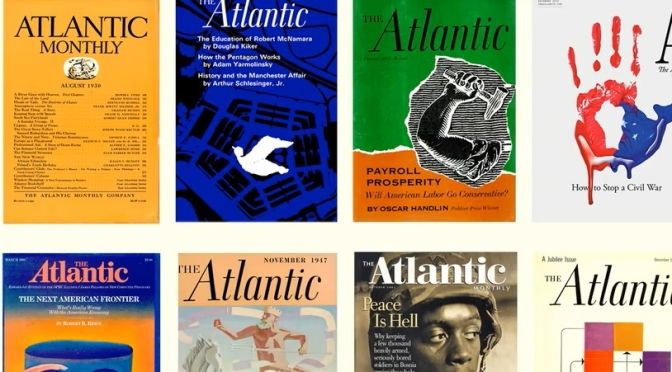
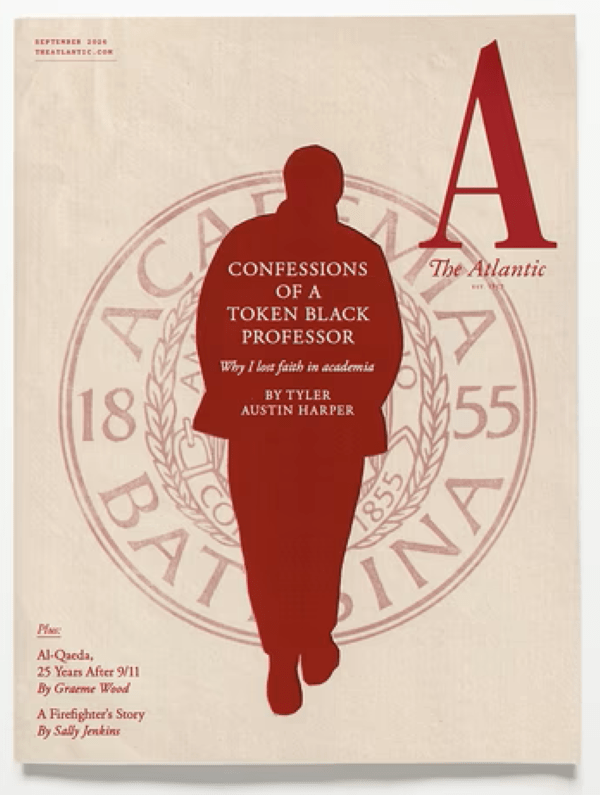
Some institutions jumped onto the MAGA bandwagon after the 2024 election, but it hasn’t taken long for those decisions to look shortsighted. By David A. Graham
How the ‘Body Positivity’ Movement Died
A few years ago, there was a push for acceptance of different body types. Now? Not so much. By Julie Beck and Natalie Brennan
As Abdul El-Sayed, Michigan’s newly elected Democratic nominee for the U.S. Senate, put it, “People really effing hate data centers.” By Benjamin Wallace-Wells
The Delusions of John Roberts
The Chief Justice insists that his Supreme Court isn’t biased even as it keeps making dramatic leaps rightward. By Margaret Talbot
Are You a Human?
From branding irons to iris scans, the ancient business of proving who you are has never been stranger—or more lucrative. By Jill Lepore
Inside Russia’s New Gulag
Human-rights groups estimate that more than ten thousand Ukrainian civilians have disappeared into the Russian prison system. This is the story of one cell.
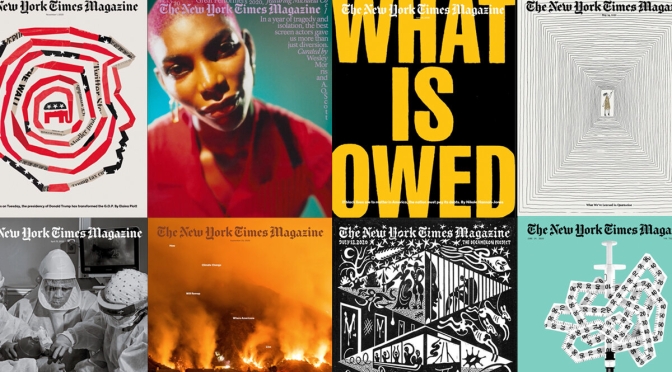
THE NEW YORK TIMES MAGAZINE:The 8.9.26 Issue features Kim Tingley on inflammation as a cause of disease; Heidi Julavits on predicting the weather; Aaron Timms on fans of Anthony Bourdain; and more.







 Boomers Daily