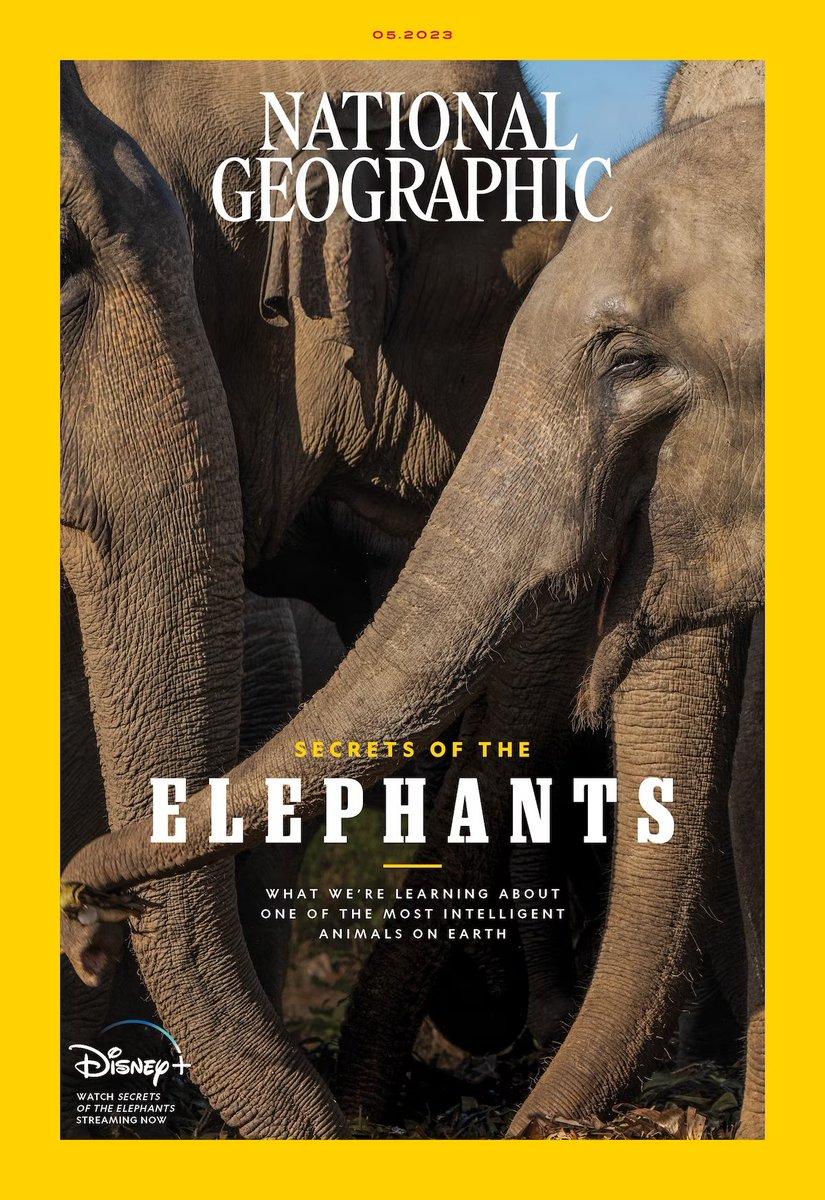
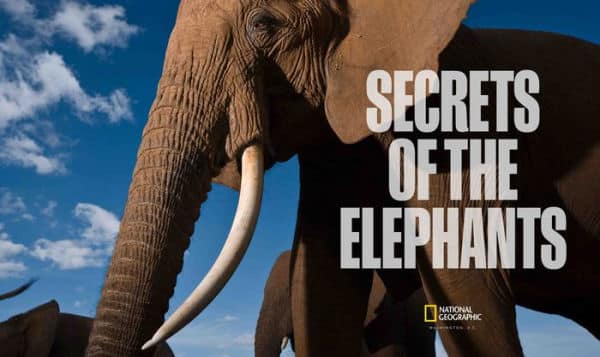
National Geographic Magazine – May 2023: The groundbreaking, award-winning natural history franchise Secrets Of returns with its next installment, Secrets of the Elephants, from Academy Award®-winning filmmaker and National Geographic Explorer at Large James Cameron.
This small Balkan country won its independence from Serbia 15 years ago, but still waits for justice for wartime victims and global recognition as a new nation.
BBC Earth (April 9, 2023) – “The Rock” in Gibraltar is home to Europe’s only wild monkey, the endangered Barbary macaque. But these monkeys are competing for their habitat, as around one thousand tourists travel to their territory on a daily basis. Can they peacefully co-exist alongisde humans?
Animals are learning to survive and thrive in one very surprising habitat – cities. Join wildlife presenter Hannah Stitfall as she sets out on a mission to meet our new neighbours.
Featuring archival footage of Ansel Adams, as well as interviews with Berkeley-based photographer Richard Misrach and FAMSF curator Lauren Palmor, this film examines the impact of Ansel Adams’s prolific photography in the Bay Area and beyond. “Ansel Adams in Our Time” is organized by the Museum of Fine Arts, Boston, in partnership with the Fine Arts Museums of San Francisco.
It is on view at the de Young museum from April 8 until July 23, 2023.
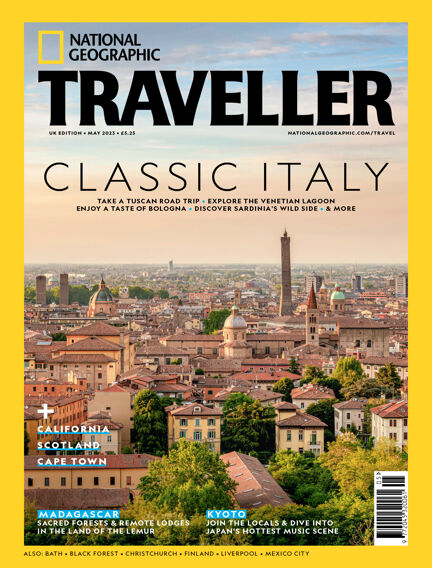
National Geographic Traveller Magazine (May 2023). The cover story this month takes a fresh look at the classic destinations of Italy, a country that offers enough for a lifetime of discoveries. From a coastal road trip through Calabria to street art tours in Turin and dining in the shadow of Mount Etna, we round up 21 experiences that cast the peninsula in a different light.
This issue also comes with a free Ecuador guide. Inside, we discover the country’s striking wildlife and landscapes, try the dishes leading its culinary renaissance and meet is creative, resilient communities.
Also inside this issue:
Madagascar: The communities and eco-lodges preserving the island’s rich, endangered habitats. Scotland: Canoe down the River Spey, the water of life for Caledonia’s malt whisky. Germany: Creativity, community and craftsmanship in the magical Black Forest. Kyoto: Turn up the volume in Japan’s cultural heart, where live music fills cafes, bars and historic houses. Cape Town: South Africa’s ‘Mother City’ is finding a new groove with edgy bars and excitinghotels. Punkaharju:Spend a weekend in the Finnish Lakeland. Napa Valley:Discover local produce and craft beers in the US’s most famous wine region. Mexico City:The Mexican capital’s hotel scene is booming in buzzing neighbourhoods.
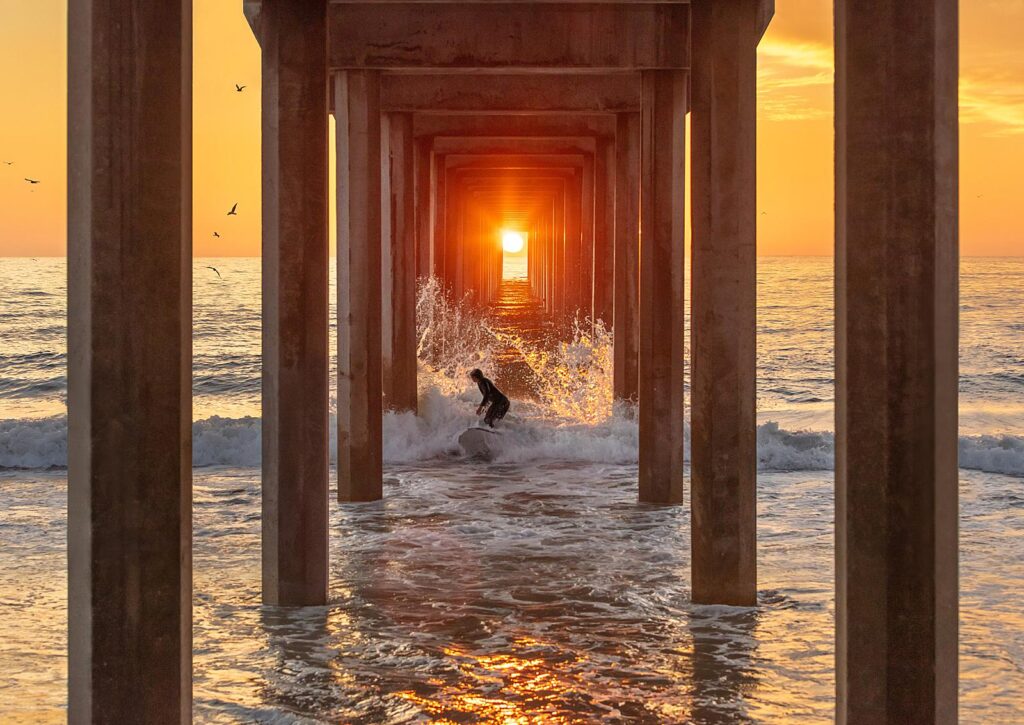
Scripps Pier in San Diego, CA as photographed by Alex Nye. See more of Alex’s work at AlexNyeArt.com and on Instagram @AlexNyeArt.
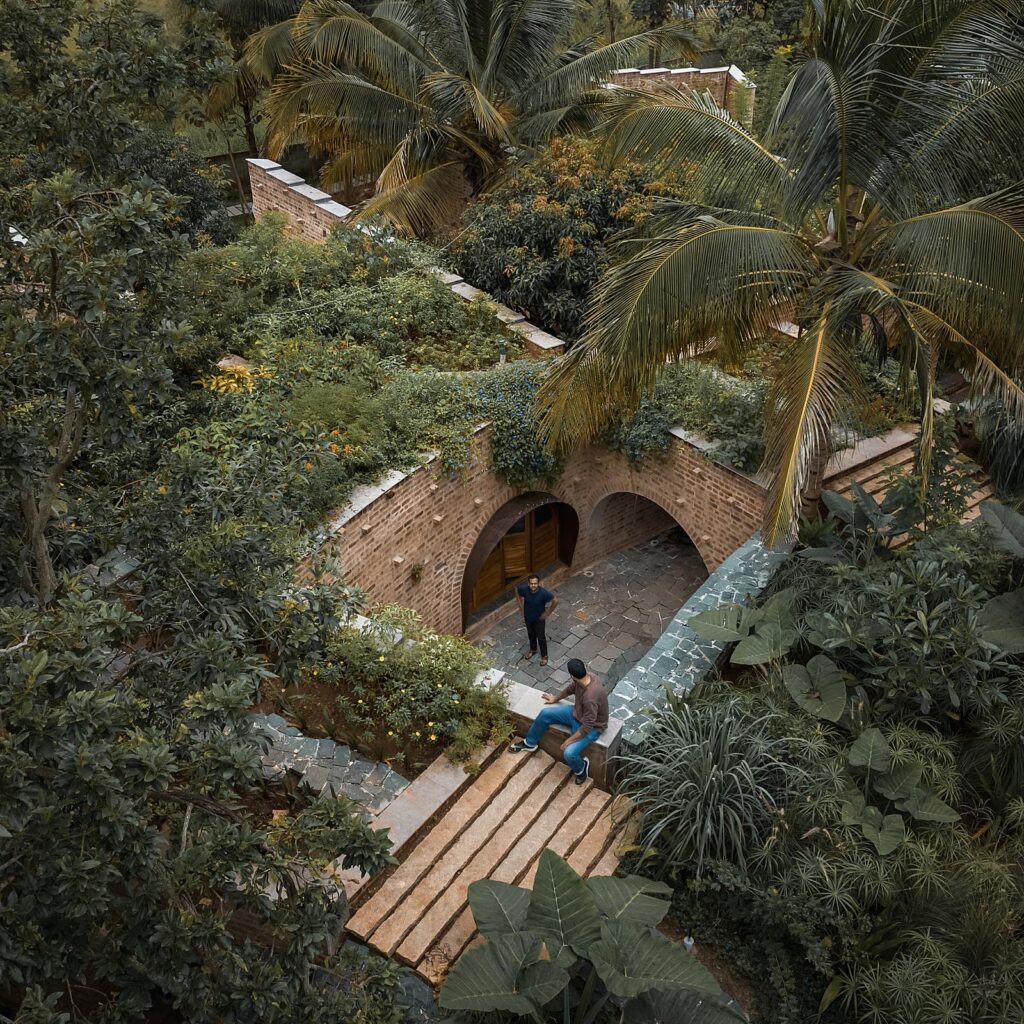
Ekansh Goel – Subterranean Ruins
Subterranean Ruins as photographed by Ekansh Goel. See more of Ekansh’s work at studiorecall.in and on Instagram @ekansh_goel.
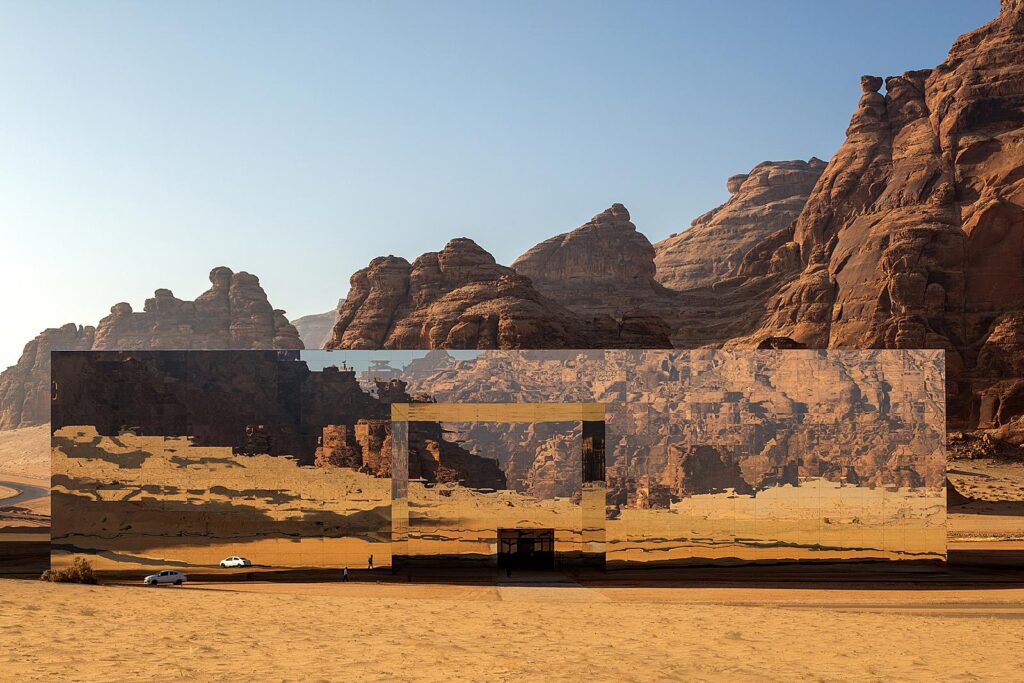
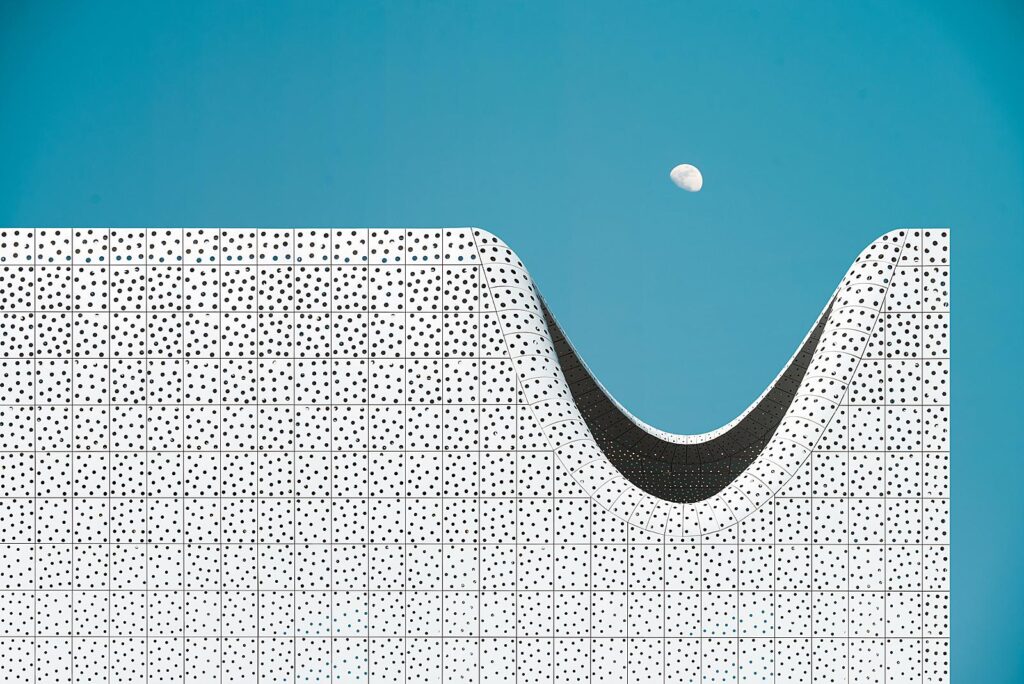
Gerry O’Leary – Gio Forma (Maraya Concert Hall)
The Maraya Concert Hall as photographed by Gerry O’Leary. Gerry has named this photo “Gio Forma.” See more of Gerry’s work at gerryoleary.com and on Instagram @gerryolearyphotography.
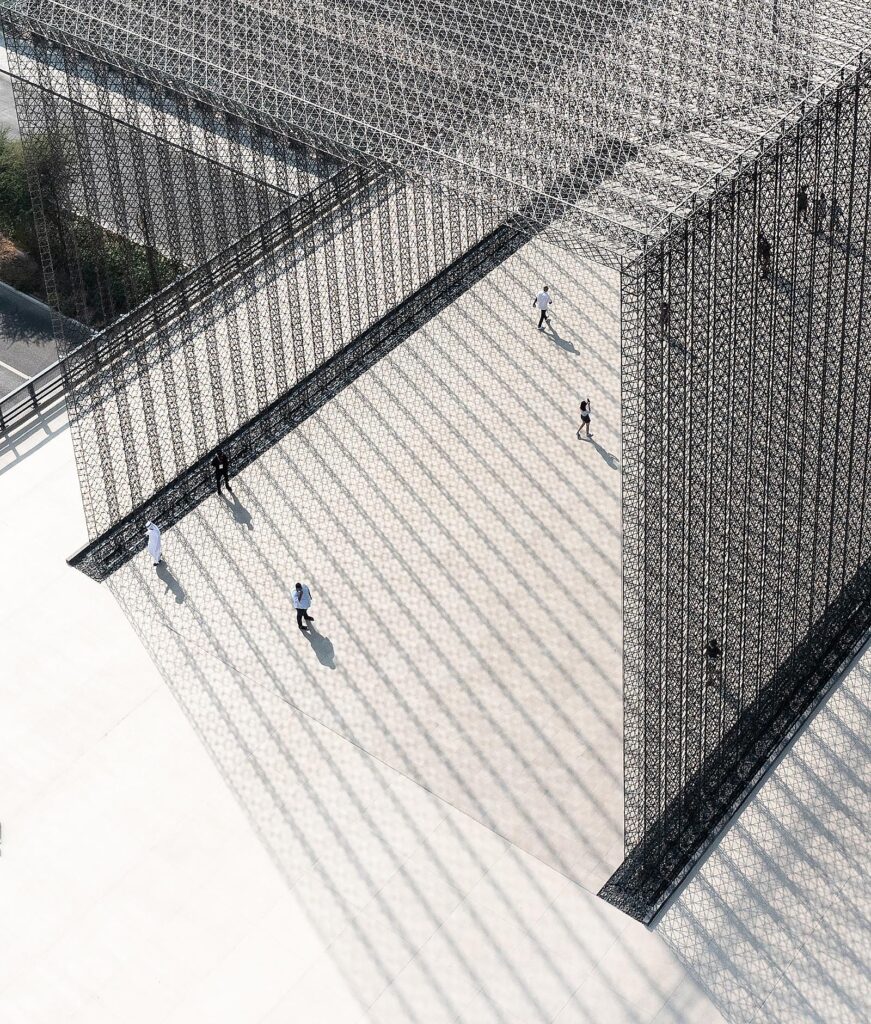
Jason O’Rear – Portal
Entry Portal in Dubai designed by Asif Khan as photographed by Jason O’Rear. See more of Jason’s work at jasonorear.com and on Instagram @jasonorear.
Muhammad Almasri – Dubai Expo’s Kazakhstan Pavilion
Kazakhstan Pavilion at the Dubai Expo as photographed by Muhammad Almasri. See more of Muhammad’s work here or on Instagram @mmalmasri.
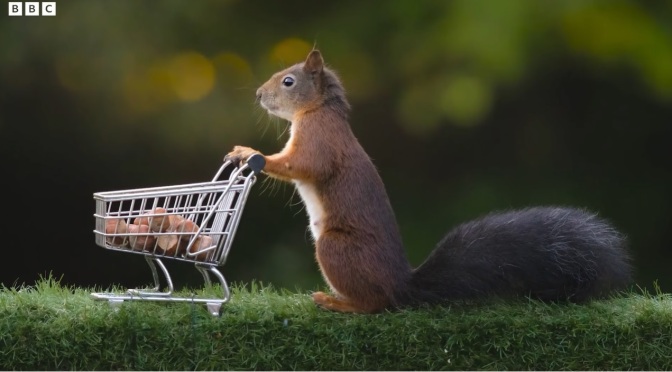
BBC Earth (April 2, 2023) – Red squirrel populations are declining in the UK, with deadly diseases such as squirrelpox threatening their survival. But in the small town of Formby, people are coming together to help secure their future.
Hosted by wildlife presenter Hannah Stitfall (@hannahstitfall via IG).
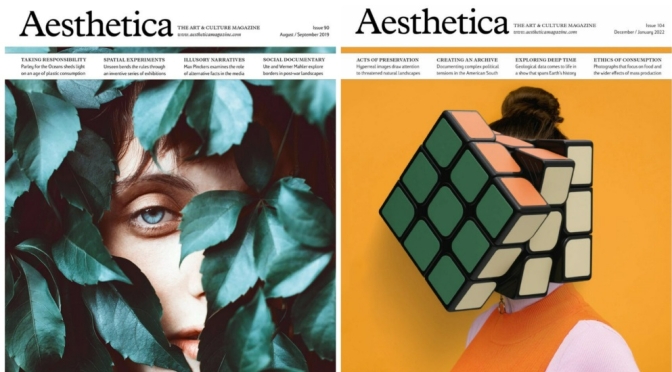
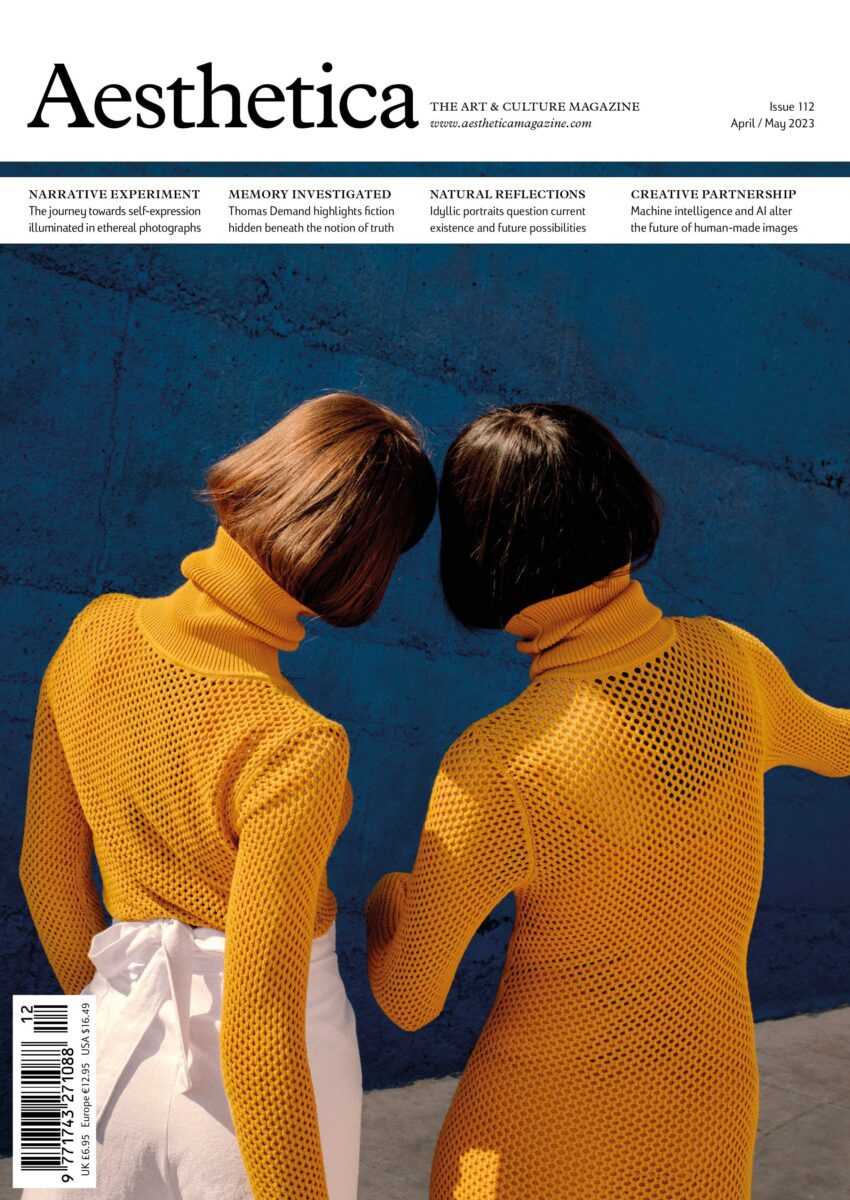
Aesthetica Magazine (April/May 2023) – Inside this issue, we consider identity, relationships and the impact of technology. We discuss the persistence of images and their ability to embed themselves in collective memory in Thomas Demand’s retrospective,
The Stutter of History. Refik Anadol speaks to us about the relationship between humans and machines, exploring the influence of art and creativity, as we rely more and more on AI to guide us through our lives. What does the future look like in this new world? Should we embrace it or fear it? Also, I am pleased to bring you an overview of this year’s shortlisted artists for the Aesthetica Art Prize 2023.
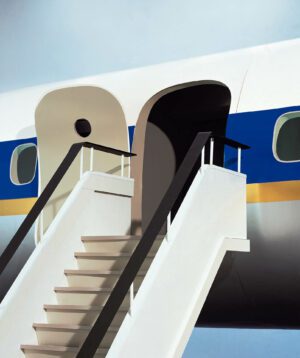
Memory Investigated
Thomas Demand highlights the fiction beneath attempts to document the truth, questioning the power and responsibility behind art and its maker.
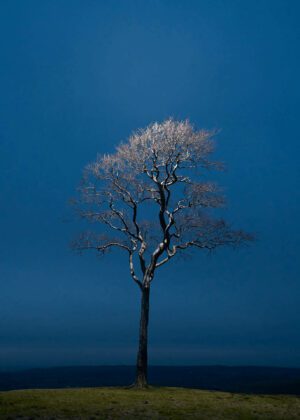
A Sense of Wonder
Gareth Iwan Jones’ fascination with woodland ecocystems inspired enchanting scenes that document the beauty and mystery of forests.
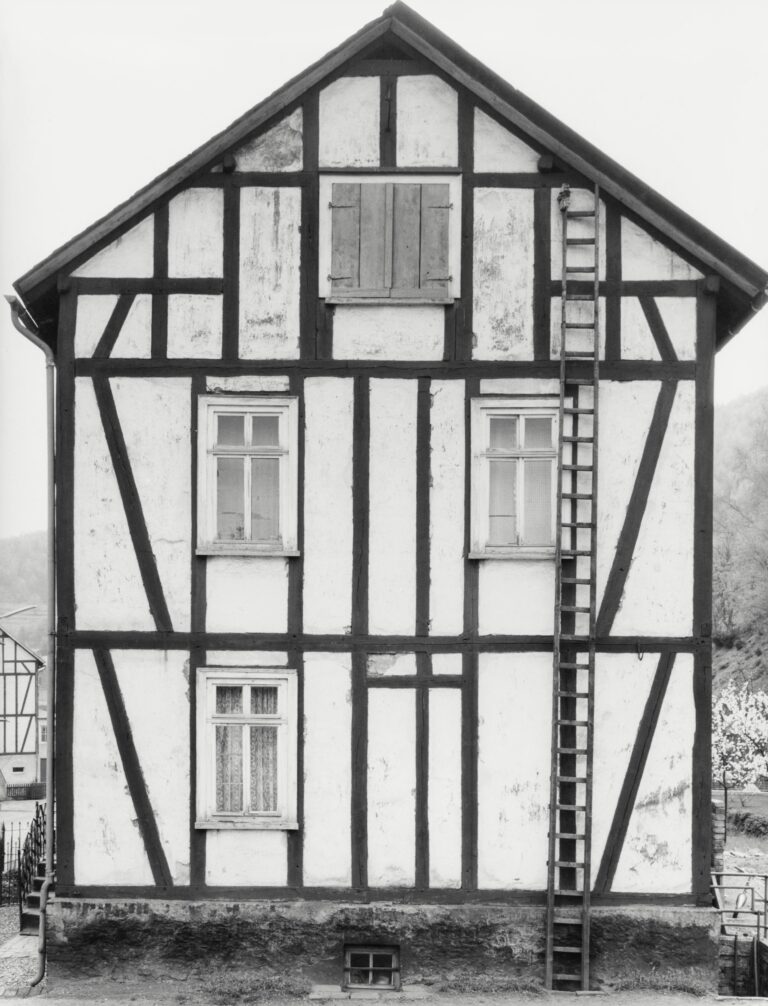
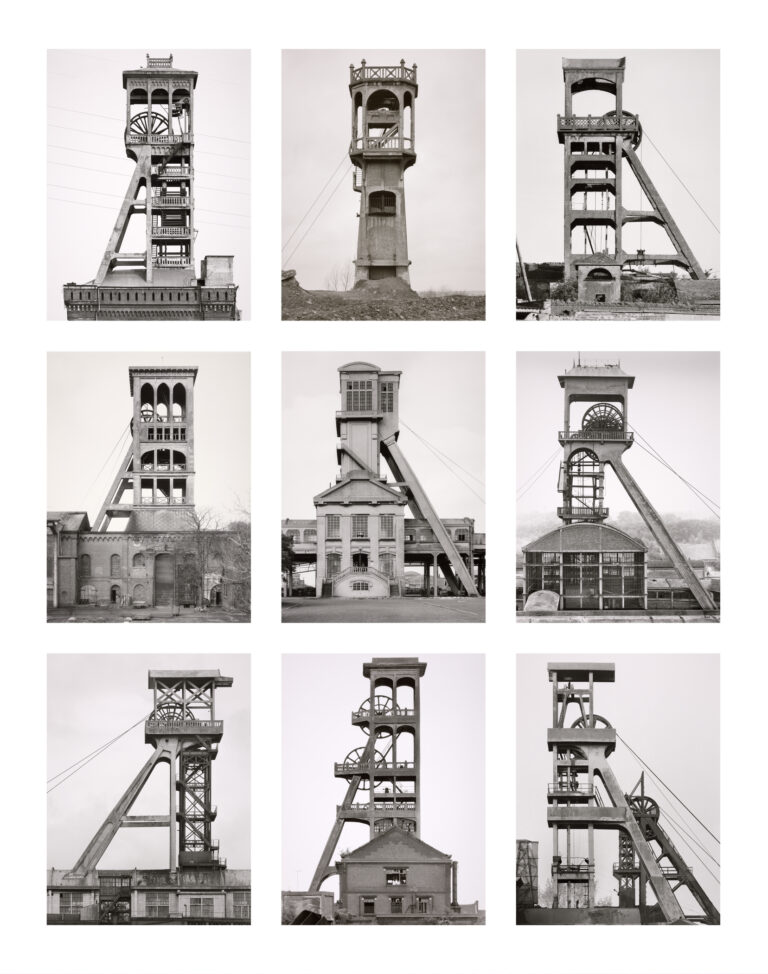
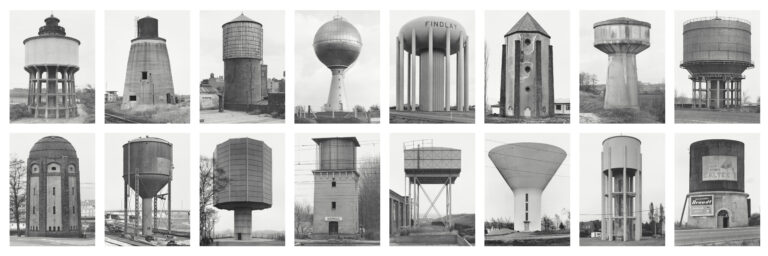
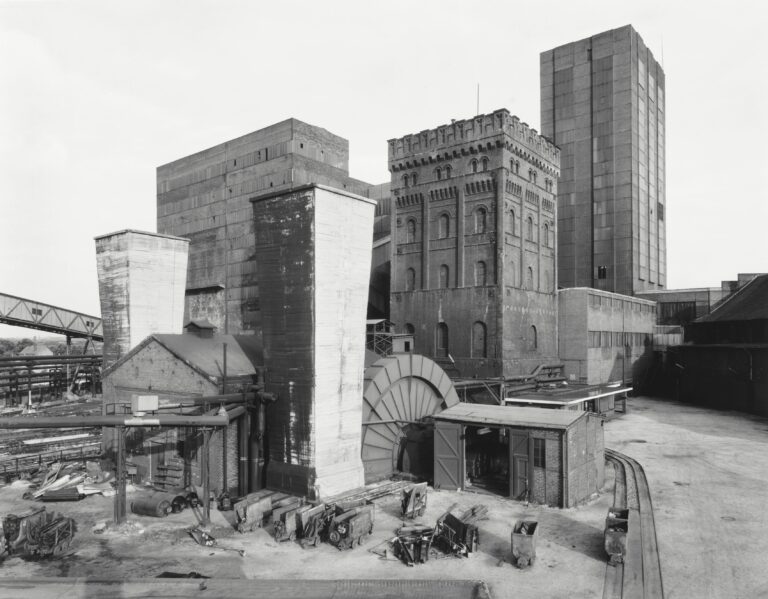
CBS Sunday Morning (March 26, 2023) – To photographers Bernd and Hilla Becher, the rapidly vanishing industrial architecture of Western Europe and North America were works of art. The German couple’s documentary images of transmission towers, gas tanks, blast furnaces and smokestacks – structures that signified the end of an industrial era – are being celebrated in a comprehensive retrospective now at the San Francisco Museum of Modern Art. Lee Cowan offers us a tour.
The renowned German artists Bernd and Hilla Becher (1931–2007; 1934–2015) changed the course of late twentieth-century photography. Working as a rare artist couple, they focused on a single subject: the disappearing industrial architecture of Western Europe and North America that fueled the modern era.
Their seemingly objective style recalled nineteenth- and early twentieth-century precedents but also resonated with the serial approach of contemporary Minimalism and Conceptual art. Equally significant, it challenged the perceived gap between documentary and fine art photography.
BBC Earth (March 26, 2023) – Vienna’s Danube is known for its bustling nightlife and mighty skyscrapers, but one surprising resident has also found a home here. Animals are learning to survive and thrive in one very surprising habitat – cities. Join wildlife presenter Hannah Stitfall as she sets out on a mission to meet our new neighbours. #CoExistence
Eurasian Beaver (Castor fiber)
The beaver is the “master builder” of riverine landscapes. By felling trees, the beaver makes a significant contribution to biodiversity by providing habitats for many other species.
In Austria, in the Danube-March-Thaya wetlands; migrates to the Weinviertel (“Forest Quarter”) and the Vienna Woods, but also from the Inn and Salzach down the Danube to Linz.
Endangerment and Conservation Status In Austria, beavers had been extinguished by the middle of the 19th century. Starting in the 1970s, they were restored on the Salzach and Inn rivers as well as in the Danube wetlands east of Vienna. Protecting the riparian forests is essential to the conservation of the beaver.
“This is going to change the world as we know it.”
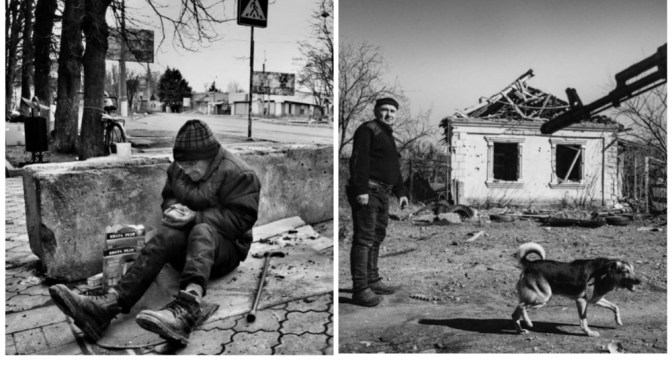
“The pictures are a documentation of the brutality within the conflict itself. It’s about civilians and civilian casualties because they are the ones hit the hardest. “
“The Russians are terrorizing the civilian population. They are hitting civilian infrastructure, may it be water, electricity, or heating. That brutality is extremely important to show. For me, it is about getting as close to these people as possible.”
Grarup is convinced that the ongoing war in Ukraine will mark the beginning of a new area that will isolate Russia from the Western World for generations to come: “I have been covering wars and conflicts for the last 35 years – just about every conflict you can imagine. In many ways, the brutality of the genocide in Rwanda in 1994 is second to none. But the war in Ukraine comes really, really close. It’s basically a country which is desiring democracy and freedom and independence – and because of that, its people are killed.”
Grarups also reflects upon his feelings covering the war, such as his general discomfort with silence as “you can be sure that something is about to happen.” On the other hand, he sees the necessity to document the war for future generations and the possible prosecution of war crimes. “What I like about black-and-white photography is its timelessness. We think in our part of the world that the world has changed, developed, and moved far away from what we have seen historically.
But the fact is: It hasn’t. It’s still the same atrocities. It’s still the same victims.” Jan Grarup was born in Denmark in 1968 and is today regarded as one of the leading and most experienced war photographers globally. Already in 1991, the year of his graduation, he won the prestigious Danish Press Photographer of the Year Award, a prize he would receive on several further occasions. In 1993, he moved to Berlin for a year, working as a freelance photographer for Danish newspapers and magazines. Afterwards, Grarup covered many wars and conflicts worldwide, including the Gulf War, the Rwandan genocide, the siege of Sarajevo and the Palestinian uprising against Israel in 2000.
His coverage of the conflict between Palestine and Israel led to two series: The Boys of Ramallah, which earned him the Pictures of the Year International World Understanding Award in 2002, followed by The Boys from Hebron. His book, Shadowland (2006), presents his work during the 12 years he spent in Kashmir, Sierra Leone, Chechnya, Rwanda, Kosovo, Slovakia, Ramallah, Hebron, Iraq, Iran, and Darfur. In the words of Foto8’s review, it is “intensely personal, deeply felt, and immaculately composed.”
His second book, Darfur: A Silent Genocide, was published in 2009. In 2017 he released the prizewinning bestseller And Then There Was Silence. He is currently working on a follow-up called While We Bleed with Danish author Adam Holm about the war in Ukraine. Jan Grarup has won numerous prizes for his dedicated work, for example eight World Press Awards, the Pictures of the Year International World Understanding Award, the UNICEF Children Photo of the Year Award, Visa d’Or, Leica Oskar Barnack Award, to mention a few of the more prestigious ones. Jan Grarup was interviewed by Marc-Christoph Wagner in Copenhagen, Denmark.
The interview took place at the Danish War Museum in March 2023 on the occasion of Grarup’s exhibition One Year With War. Camera: Jakob Solbakken Edited by: Helle Pagter Produced by: Marc-Christoph Wagner









 CBS Sunday Morning (March 26, 2023) – To photographers Bernd and Hilla Becher, the rapidly vanishing industrial architecture of Western Europe and North America were works of art. The German couple’s documentary images of transmission towers, gas tanks, blast furnaces and smokestacks – structures that signified the end of an industrial era – are being celebrated in a comprehensive retrospective now at the San Francisco Museum of Modern Art. Lee Cowan offers us a tour.


 Boomers Daily