BBC Earth (March 26, 2023) – Vienna’s Danube is known for its bustling nightlife and mighty skyscrapers, but one surprising resident has also found a home here. Animals are learning to survive and thrive in one very surprising habitat – cities. Join wildlife presenter Hannah Stitfall as she sets out on a mission to meet our new neighbours. #CoExistence
Eurasian Beaver (Castor fiber)
The beaver is the “master builder” of riverine landscapes. By felling trees, the beaver makes a significant contribution to biodiversity by providing habitats for many other species.
In Austria, in the Danube-March-Thaya wetlands; migrates to the Weinviertel (“Forest Quarter”) and the Vienna Woods, but also from the Inn and Salzach down the Danube to Linz.
Endangerment and Conservation Status In Austria, beavers had been extinguished by the middle of the 19th century. Starting in the 1970s, they were restored on the Salzach and Inn rivers as well as in the Danube wetlands east of Vienna. Protecting the riparian forests is essential to the conservation of the beaver.
“This is going to change the world as we know it.”
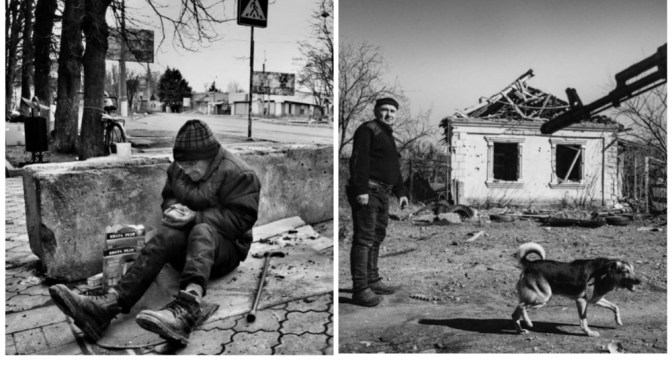
“The pictures are a documentation of the brutality within the conflict itself. It’s about civilians and civilian casualties because they are the ones hit the hardest. “
“The Russians are terrorizing the civilian population. They are hitting civilian infrastructure, may it be water, electricity, or heating. That brutality is extremely important to show. For me, it is about getting as close to these people as possible.”
Grarup is convinced that the ongoing war in Ukraine will mark the beginning of a new area that will isolate Russia from the Western World for generations to come: “I have been covering wars and conflicts for the last 35 years – just about every conflict you can imagine. In many ways, the brutality of the genocide in Rwanda in 1994 is second to none. But the war in Ukraine comes really, really close. It’s basically a country which is desiring democracy and freedom and independence – and because of that, its people are killed.”
Grarups also reflects upon his feelings covering the war, such as his general discomfort with silence as “you can be sure that something is about to happen.” On the other hand, he sees the necessity to document the war for future generations and the possible prosecution of war crimes. “What I like about black-and-white photography is its timelessness. We think in our part of the world that the world has changed, developed, and moved far away from what we have seen historically.
But the fact is: It hasn’t. It’s still the same atrocities. It’s still the same victims.” Jan Grarup was born in Denmark in 1968 and is today regarded as one of the leading and most experienced war photographers globally. Already in 1991, the year of his graduation, he won the prestigious Danish Press Photographer of the Year Award, a prize he would receive on several further occasions. In 1993, he moved to Berlin for a year, working as a freelance photographer for Danish newspapers and magazines. Afterwards, Grarup covered many wars and conflicts worldwide, including the Gulf War, the Rwandan genocide, the siege of Sarajevo and the Palestinian uprising against Israel in 2000.
His coverage of the conflict between Palestine and Israel led to two series: The Boys of Ramallah, which earned him the Pictures of the Year International World Understanding Award in 2002, followed by The Boys from Hebron. His book, Shadowland (2006), presents his work during the 12 years he spent in Kashmir, Sierra Leone, Chechnya, Rwanda, Kosovo, Slovakia, Ramallah, Hebron, Iraq, Iran, and Darfur. In the words of Foto8’s review, it is “intensely personal, deeply felt, and immaculately composed.”
His second book, Darfur: A Silent Genocide, was published in 2009. In 2017 he released the prizewinning bestseller And Then There Was Silence. He is currently working on a follow-up called While We Bleed with Danish author Adam Holm about the war in Ukraine. Jan Grarup has won numerous prizes for his dedicated work, for example eight World Press Awards, the Pictures of the Year International World Understanding Award, the UNICEF Children Photo of the Year Award, Visa d’Or, Leica Oskar Barnack Award, to mention a few of the more prestigious ones. Jan Grarup was interviewed by Marc-Christoph Wagner in Copenhagen, Denmark.
The interview took place at the Danish War Museum in March 2023 on the occasion of Grarup’s exhibition One Year With War. Camera: Jakob Solbakken Edited by: Helle Pagter Produced by: Marc-Christoph Wagner
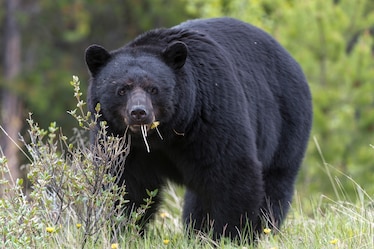
The new comedic horror film is based on the real-life drug overdose of an American black bear—and illustrates how human recklessness endangers wildlife.
Unlike the movie, the real-life cocaine bear didn’t go on a coke-fueled rampage, but it did consume a fatal amount of cocaine left in the woods by smugglers. Here, an American black bear, Ursus americanus, eats dandelions.
Gestalten Publishing (May 2023) – From spectacular fjords in Norway, the arctic tundra and serene forests in Sweden, to a plethora of enchanting lakes in Finland and the Ice Sheet of Greenland —the Nordics offer a breathtaking variety of landscapes and endless options to hike.
Wanderlust Nordics invites you to boast into this distinctive wilderness with a wide range and appealing mix of trails. This is a book that will have you heading north.
Cam Honan has trekked across 61 countries and six continents, logging over 60,000 mi (96,500 km) in three decades. He has authored four bestselling titles for gestalten—Wanderlust, Wanderlust USA, Wanderlust Himalaya, and The Hidden Tracks. Cam has been described by Backpacker Magazine as “the most travelled hiker on Earth”.
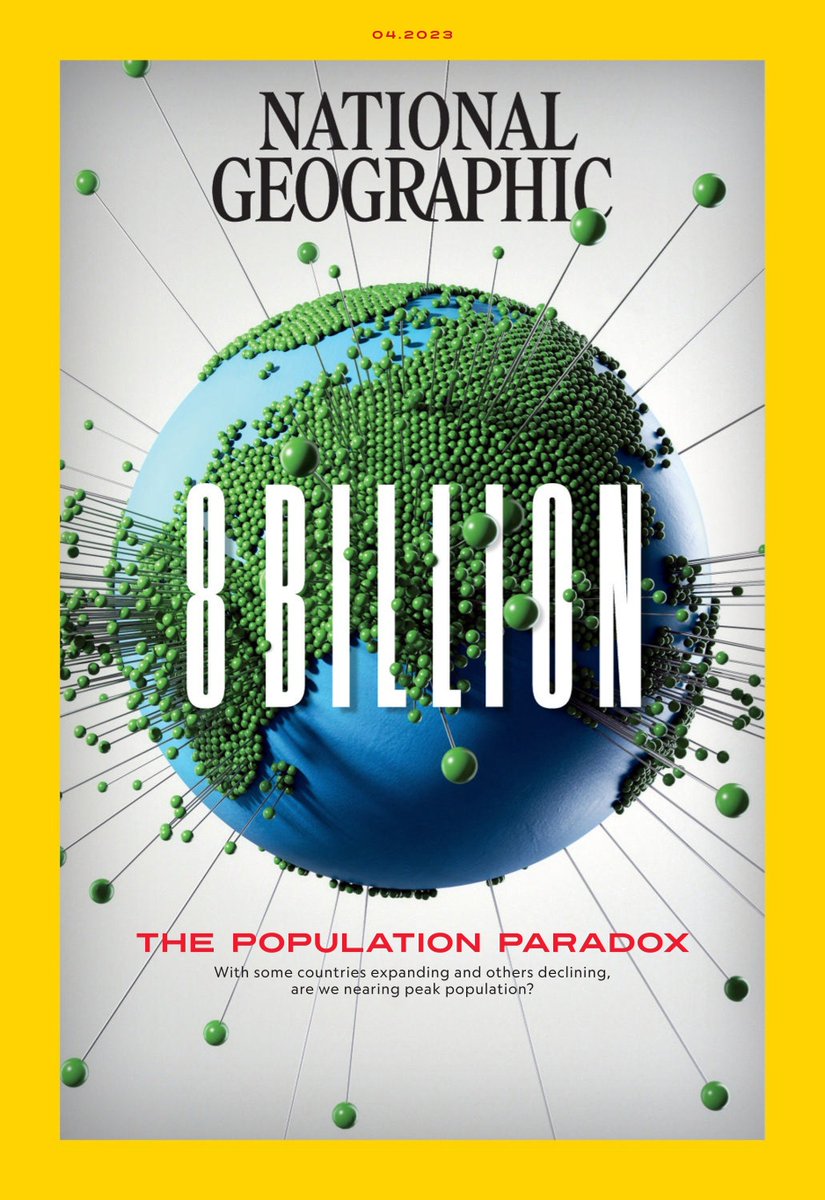
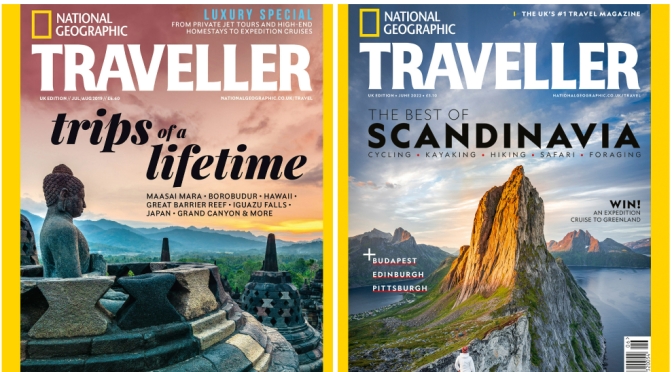
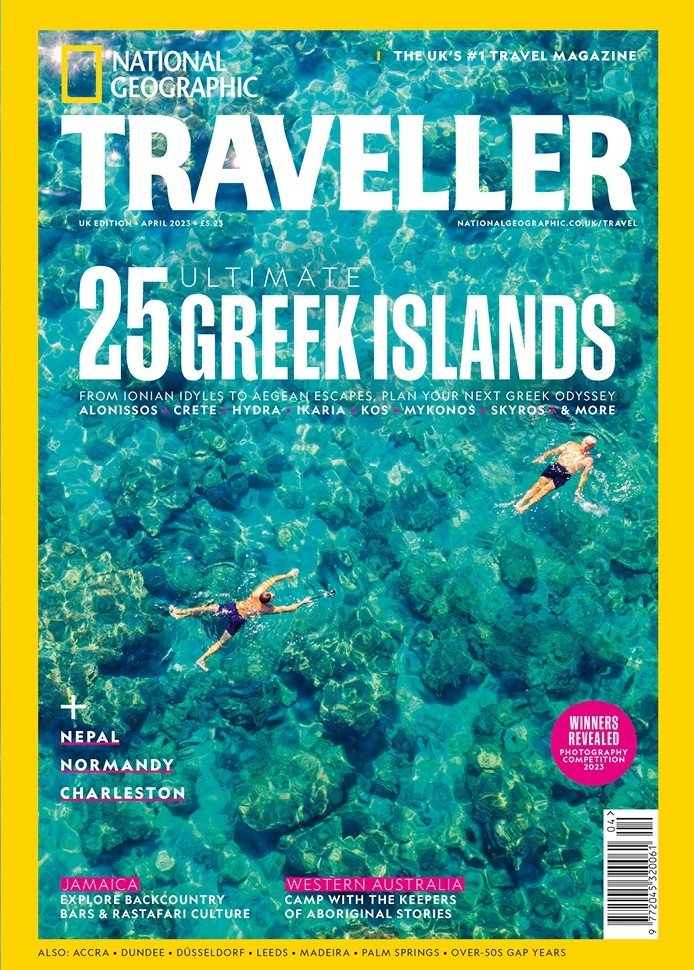
National Geographic Traveller (April 2023) – Our April 2023 is all about 25 Greek islands, from big-hitters like Crete and Santorini to lesser-known spots including Agistri and Kythera. Clifftop villages, local markets and secret stretches of sand await…
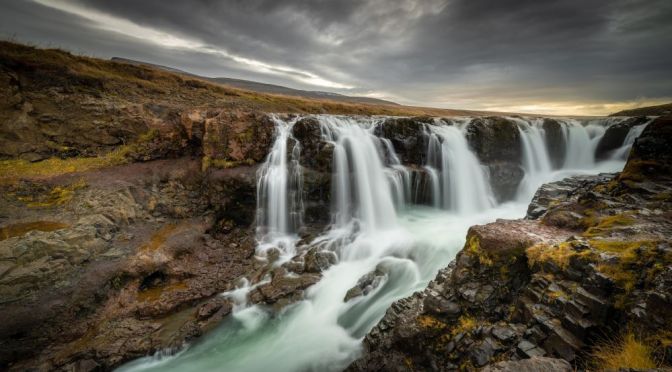
Tales of Justin (February 28, 2023) – Iceland, an island nation in the North Atlantic Ocean, lies between Europe and North America. The country is situated on a strategic location between North America and Europe, about 840 km north west of the United Kingdom and about 460 km south east of Greenland‘s coast. The closest bodies of land in Europe are the Faroe Islands (530 km).
The island lies just south of the Arctic Circle at the northern end of the Mid-Atlantic Ridge (MAR), where the tectonic plate of Eurasia meets the North American Plate, causing a lot of volcanic activity in the region. Iceland’s extraordinary landscape offers hot springs and geysers, icefields and volcanoes, glaciers and wild waterfalls.
Iceland has 30 active volcanic systems, of which 13 have erupted since the settlement of island in AD 874, only about 20 percent of the country is habitable.
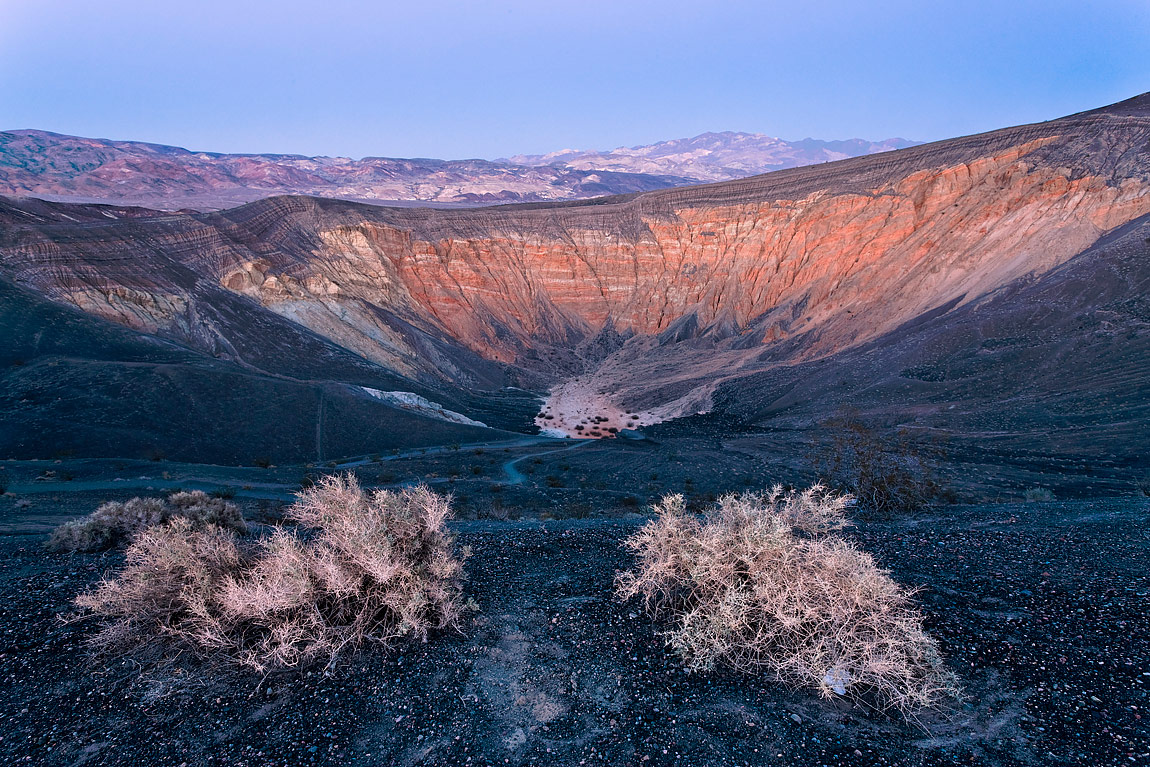
Death Valley is utterly iconic and much photographed. What are the best ways to get to every depth and peak? QT Luong’s guide to the highlights of this extraordinary location will let you in on every secret
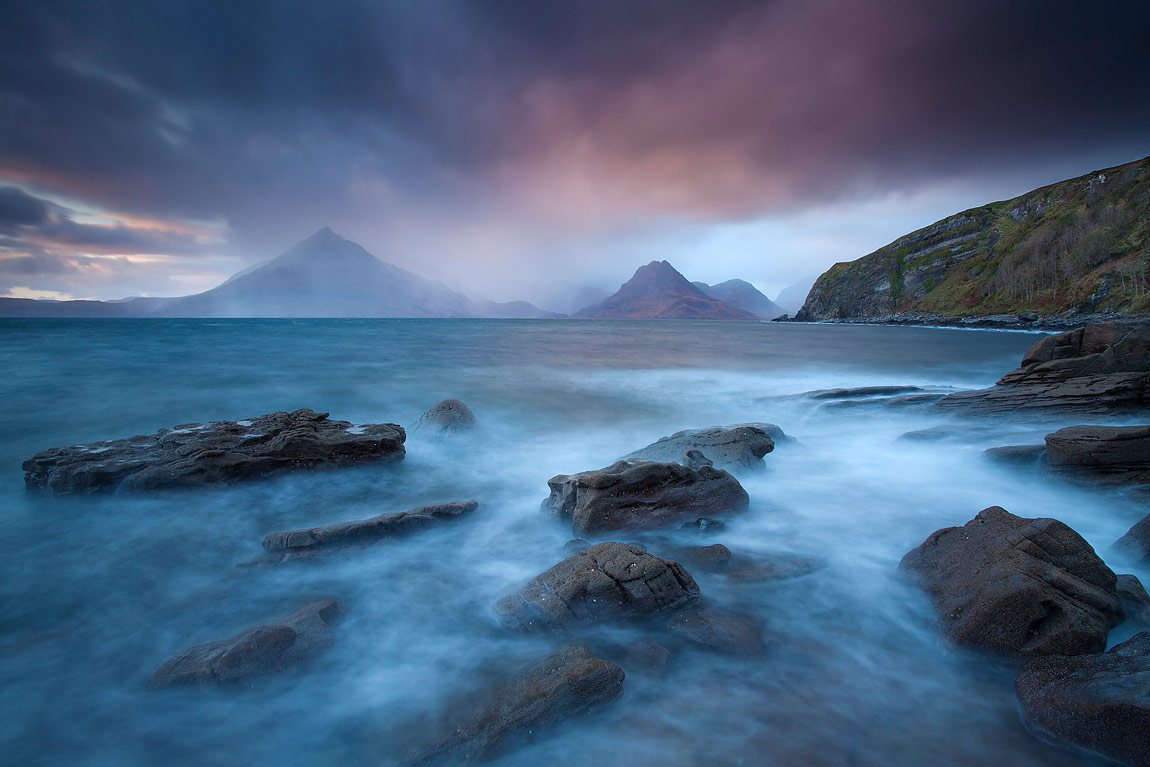
Expand your landscape photography potential by shooting long after sundown and on through the night. As Mark Hamblin explains, photography requires very little light
News, Views and Reviews For The Intellectually Curious








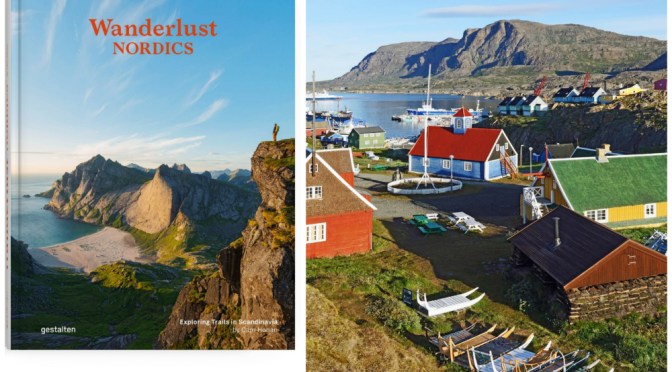
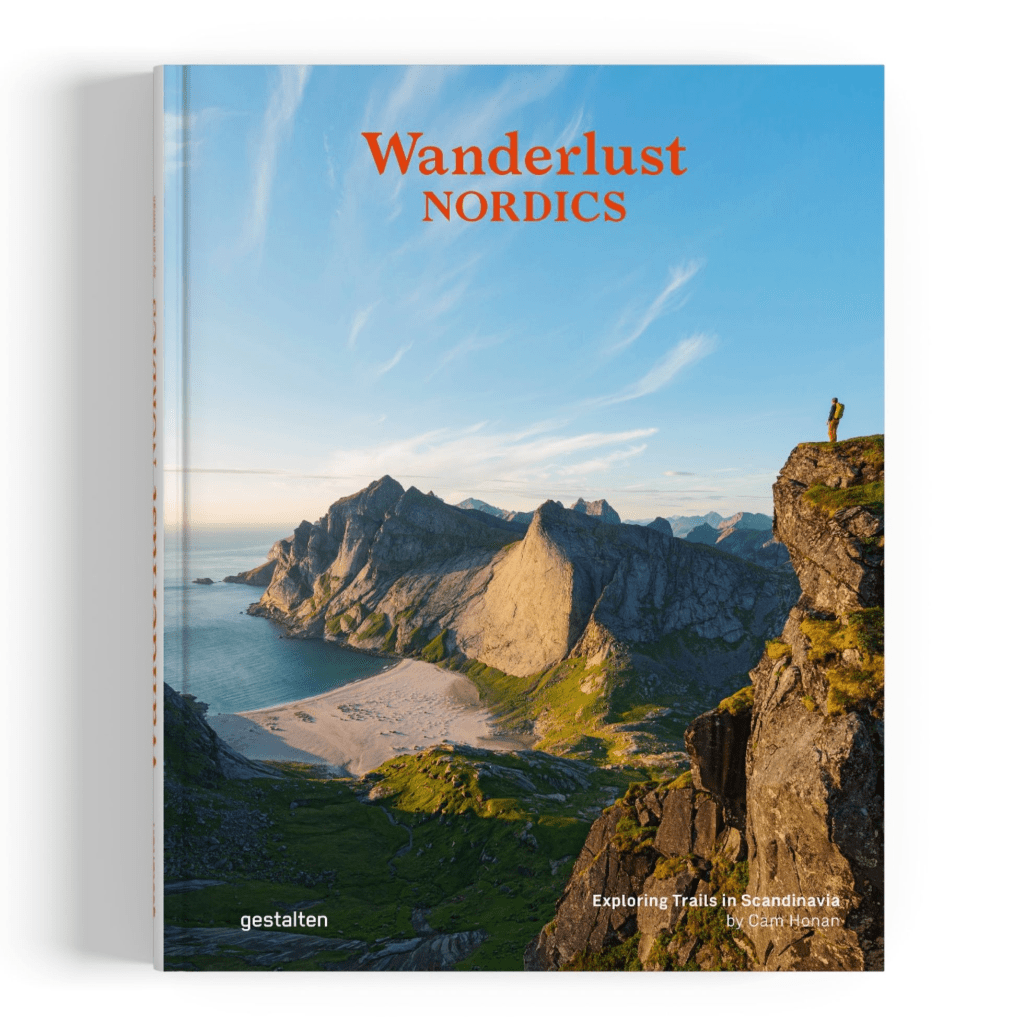
 Gestalten Publishing (May 2023) – From spectacular fjords in Norway, the arctic tundra and serene forests in Sweden, to a plethora of enchanting lakes in Finland and the Ice Sheet of Greenland —the Nordics offer a breathtaking variety of landscapes and endless options to hike.







 Boomers Daily

