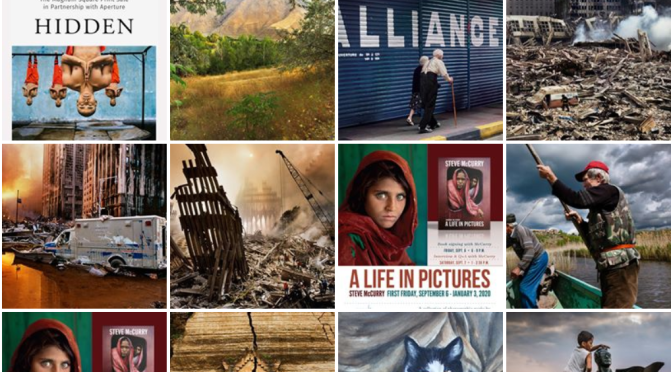
Jan.08 — Bloomberg’s Haslinda Amin kicks off Season 8 on board the Singapore Flyer with the man who shot the “Afghan Girl”. Steve McCurry has spent a lifetime focusing on conflict and culture creating some of the world’s most iconic photos.
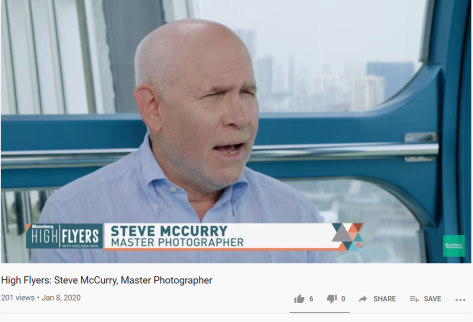

Jan.08 — Bloomberg’s Haslinda Amin kicks off Season 8 on board the Singapore Flyer with the man who shot the “Afghan Girl”. Steve McCurry has spent a lifetime focusing on conflict and culture creating some of the world’s most iconic photos.
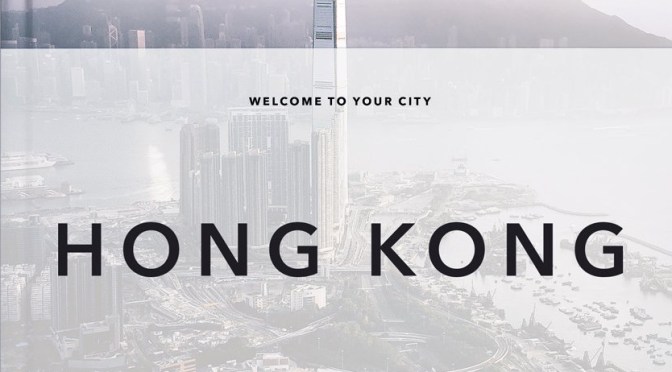
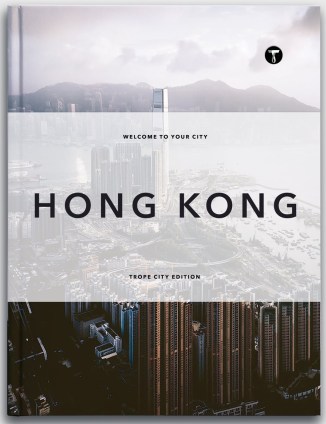 This carefully curated and bound collection offers a unique modern perspective of Hong Kong. Each chapter in Trope Hong Kong is accompanied by a map of the area along with the locations where the photographs were taken. In many cases, there are several photographs of the same location, shot at different times of the day, in different seasons, with different tones.
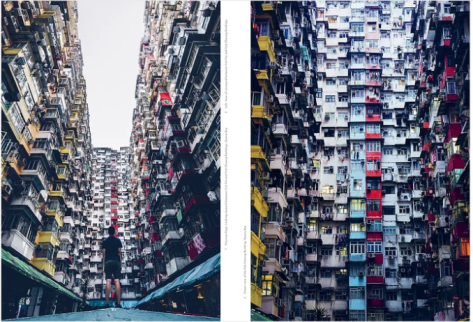
Trope Hong Kong, the third volume in the Trope City Editions series, celebrates the juxtaposition of colorful chaos and architectural order of this iconic, constantly changing city. The collection highlights the work of 17 emerging photographers from Hong Kong and beyond, who through their passion for the craft, creative development, and social media smarts have amassed a collective Instagram following of 1.3 million.
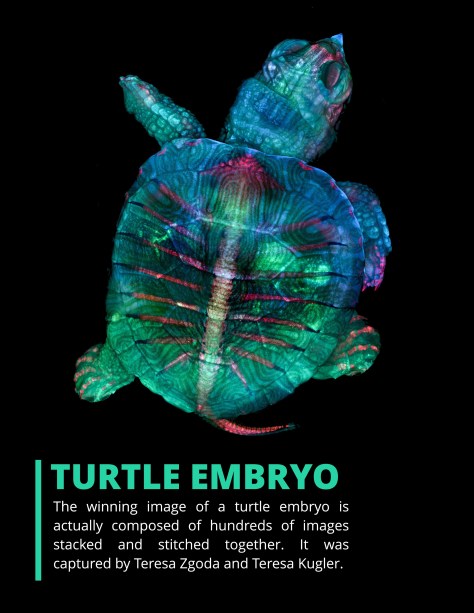
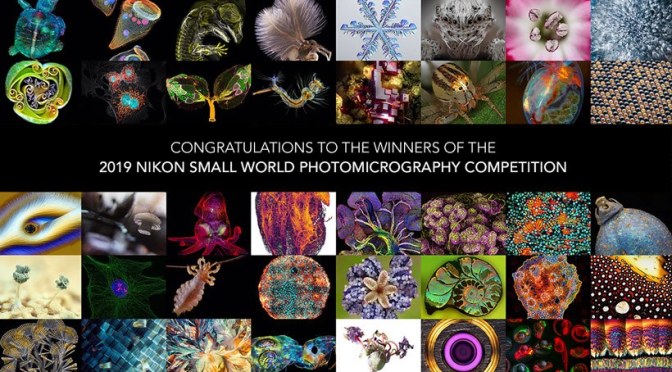
1st Place Fluorescent turtle embryo
For microscopy technician Teresa Zgoda and recent university graduate Teresa Kugler, microscopy is a discipline that allows them to blend their dual passions of art and science. The 2019 winning image is a spectacular example of that, featuring a colorful turtle embryo captured using a combination of fluorescence and stereomicroscopy.
The pair captured this image while assisting in the Marine Biological Laboratory’s embryology course. It was here they learned the precise technique required to properly prepare various types of embryos to be observed and photographed. Creating this image was a unique challenge, largely due to the size of the sample. Over an inch long, and thick, it took time and precision to ensure the entire subject was photographed completely. What’s more, the magnification used meant only a small part of the turtle could be imaged on the focal plane. The final image is a compilation of hundreds of images that had to be stacked and stitched together.
“Microscopy lets us get a better look at the small things in life,” said Kugler, “It allows me to do science with a purpose.”
“We are inspired by the beautiful images we see through the microscope,” added Zgoda, “It’s amazing to be able to share that science with other people.”



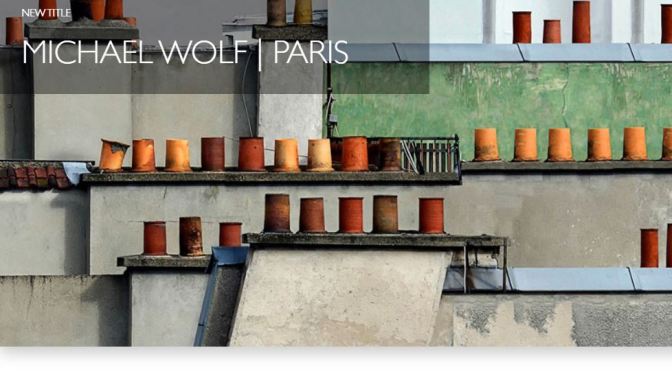
 Michael Wolf achieved fame when he won the 2005 World Press Photo with his China, Factory of the World project, and the 2010 World Press Photo with his Tokyo Compression. The present book offers his personal take on the French capital. Singling out typical architectural features of the Parisian landscape he renders the seemingly banal immortal, as only he knows how.
Roofs, chimneys, and lights provide the pictures with rhythm, with their colours, shapes, and above all their volumes. Wolf invites the reader to enter his highly distinctive visual world and let his gaze follow the snaking lines of walls and gutters, dwelling on unexpected details lovingly picked out. The photographer’s underlying desire is to encourage us to consider the environmental and architectural context that provides a framework for all these rigorously rectangular features.
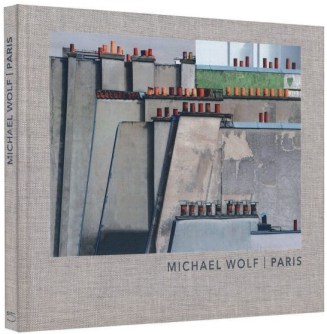 This dreamlike journey into a Paris viewed from the rooftops is underlined in the second part of the book. The shadows of trees decorate the façades of various buildings, creating a visual poetry and prompting an intimate dialogue where, in the absence of all human presence, nature and architecture blend into one another.
Michael Wolf (1954-2019) lived in Europe, America, and Asia, spending his last years in Hong Kong. A German photographer specialized in urban shots, he graduated in photography from the Folkwang University of the Arts in Essen, where he studied under Otto Steinert. Among his most noteworthy projects are the “beehive” skyscrapers in Hong Kong. The focus of his research is city life, especially in overpopulated contemporary metropolises, and their inhabitants’ loss of individuality. Wolf’s work has been displayed in a variety of locations, including the Venice Biennale of Architecture, the Aperture Foundation Gallery in New York, the Hong Kong Shenzhen Biennale, and the Museum of Contemporary Photography in Chicago. His works are also present in many permanent collections, including those of the Metropolitan Museum of Art in New York, the Museum of Contemporary Photography in Chicago, and the German Architecture Museum in Frankfurt.
Johan-Frederik Hel Guedj, a French writer, has published two novels (Le traitement des cendres, L’amour grave), a collection of short stories (De mon vivant), an account of polar exploration (Chercheurs d’éternité), and an essay on Orson Welles (La règle du faux). He lives in Brussels and writes on contemporary art in the daily newspaper L’Echo/De Tijd.
 Boomers Daily