

As people’s eating habits change and environmental concerns grow, plant-based protein used as a meat substitute has gained popularity. However, some barriers are preventing it from becoming truly mainstream. Watch what needs to be done to truly realize a future with less meat.
Category Archives: Nutrition
Newsletters: Tufts Health & Nutrition – Sept 2022
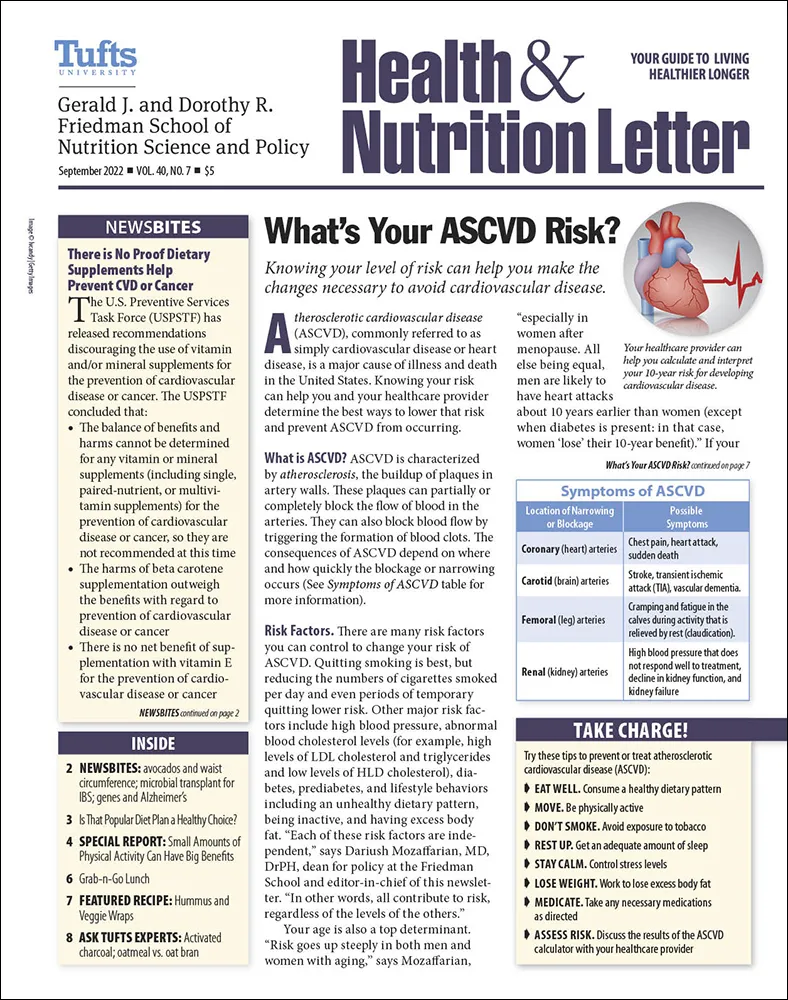
Is That Popular Diet Plan a Healthy Choice?
Some attention and planning may be necessary to ensure popular diet plans provide enough of all the nutrients you need.
- SPECIAL REPORT: Small Amounts of Physical Activity Can Have Big Benefits
- Grab-n-Go Lunch
- FEATURED RECIPE: Hummus and Veggie Wraps
- ASK TUFTS EXPERTS: Activated charcoal; oatmeal vs. oat bran
Previews: Tufts Health & Nutrition Letter – Aug ’22
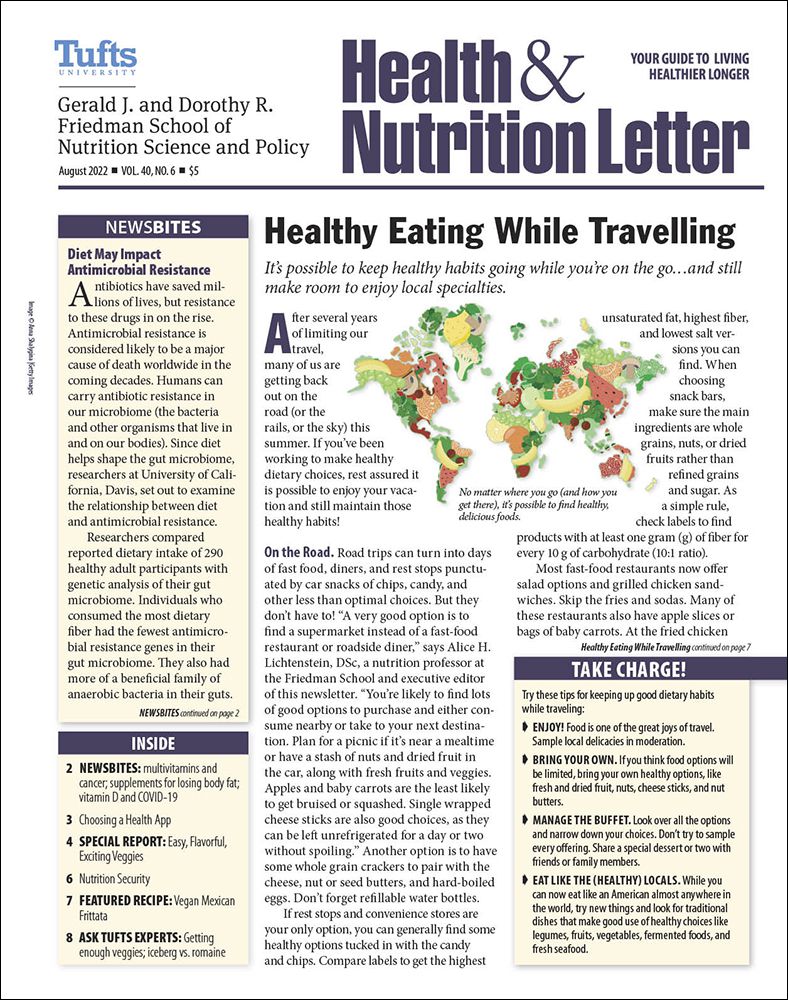
Easy, Flavorful, Exciting Veggies
Knowing how to build flavor in vegetable dishes can help you enjoy more of these healthful foods.
The research is clear: eating more whole or minimally processed plants is better for our health. Knowing how to easily make foods like vegetables taste great can help you consume more of these health-promoting options in place of less healthful choices. Building Flavor. Most U.S. adults don’t meet the recommended intake of vegetables.
Preview: Tufts Health & Nutrition Letter – July ’22

- NEWSBITES: Physical activity in older adults; low- and no-calorie drinks
- Hydrating for Health
- SPECIAL REPORT: Cholesterol, Explained
- Red, White, and …Berries!
- FEATURED RECIPE: Chickpea Salad with Strawberries
- ASK TUFTS EXPERTS: Why we say “people with obesity;” Cholesterol and genes
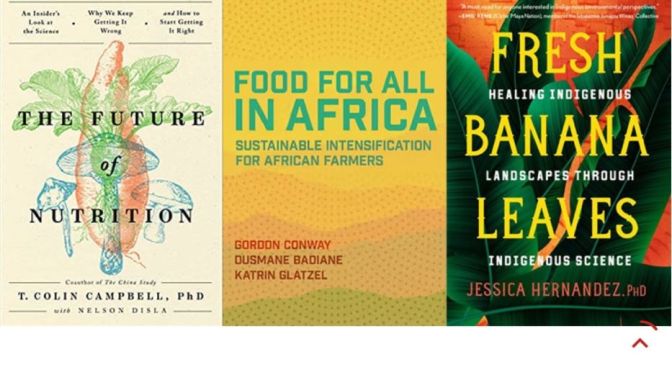
Reviews: New Books On Food Science – May 2022
May 2, 2022 – Our food system is a rich, complex blend of biology and culture. From the biodiversity in forests, oceans, and farms to the living weave of long-standing traditions and emerging trends, food touches every aspect of life on Earth. This diversity hasn’t always carried through to agricultural and culinary literatures, but fortunately this is changing. Fresh perspectives are emerging in the literary discussions of food, addressing a range of topics and cuisines. In 2022, Science will share this tapestry in a limited podcast series on science and food. Hosted by journalist Angela Saini, the series will highlight books from around the world that intersect with this theme. A different book and its author will appear monthly on the Science podcast, beginning on 26 May 2022.
Together, the books discussed in these segments expose an entanglement of biology, culinary science, and culture. In Eating to Extinction: The World’s Rarest Foods and Why We Need to Save Them, Dan Saladino addresses biodiversity loss and the future of food. Saladino covers vast swaths of time and space, taking us from wild honey gatherers in Africa to rare Orkney barley as he demonstrates that species loss is linked to cultural loss.
Food literatures also demand that we confront ourselves and our blind spots. T. Colin Campbell’s The Future of Nutrition: An Insider’s Look at the Science, Why We Keep Getting It Wrong, and How to Start Getting It Right explores the evidence of the health benefits of plant-based diets. Crucially, this book exposes the cultural and political inertia protecting animal protein from scrutiny, reminding us that scientific research is never detached from society.
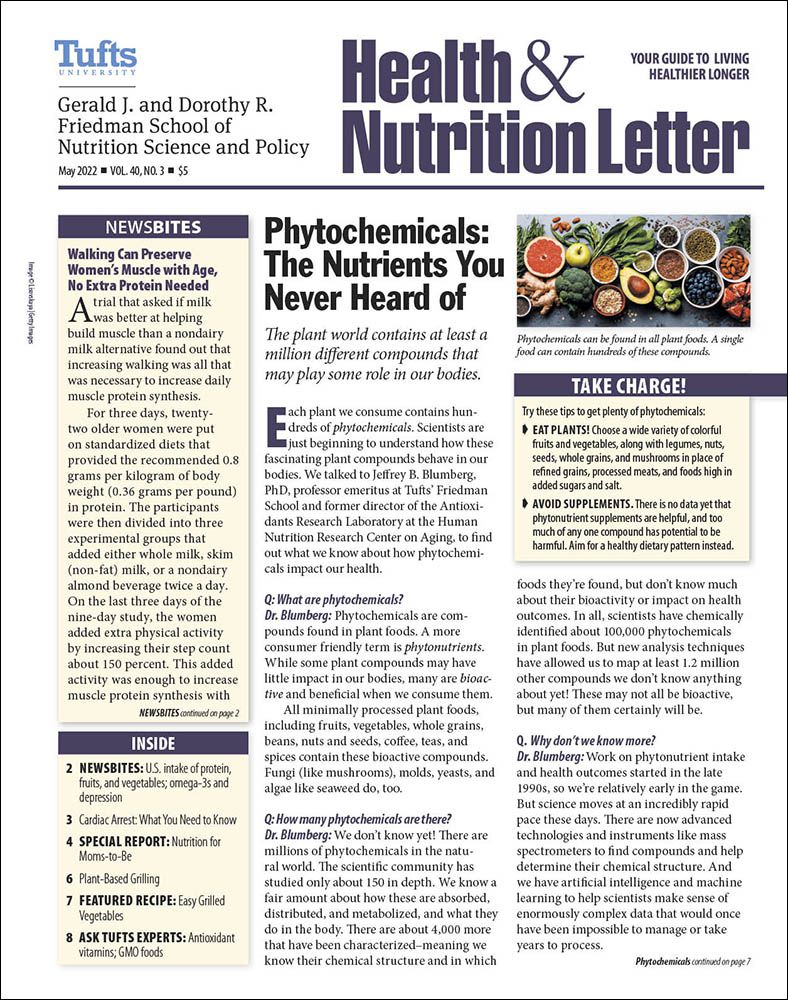
Preview: Tufts Health & Nutrition Letter – May ’22

Preview: Tufts Health & Nutrition Letter (Mar ’22)
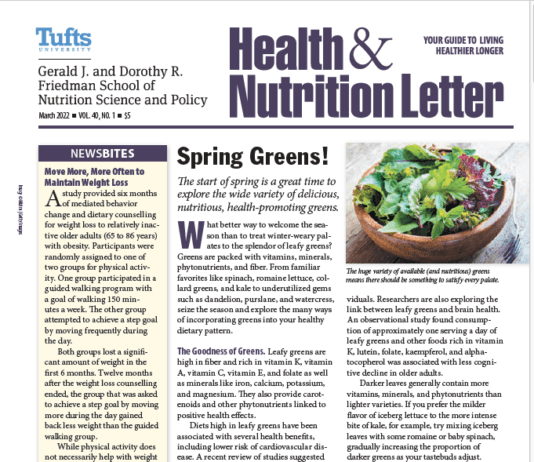
| This month, read about: |
| Spring Greens!NEWSBITES: Vitamin B12 and depression; vegetables for bone healthChrononutritionYour Amazing Digestive SystemDiet and Your ThyroidAsk Tufts Experts: Nutrition Label Nutrients … Diet and Diverticulitis |
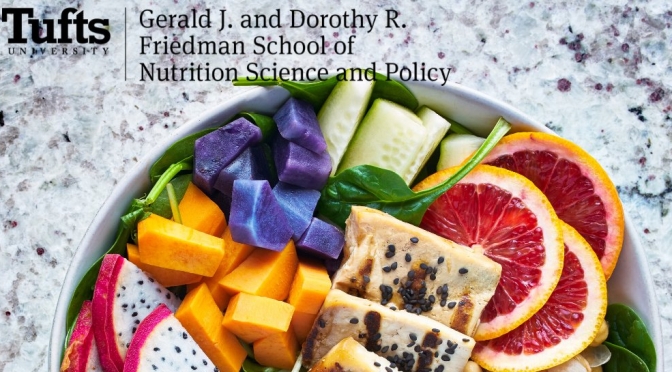
Preview: Tufts ‘Health & Nutrition Letter’ (JAN ’22)

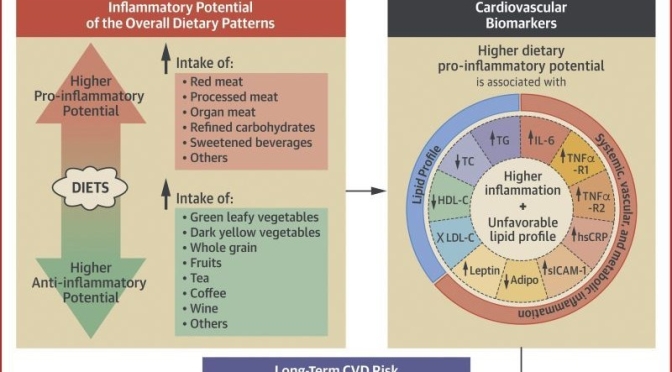
Study: “Anti-Inflamatory” Diet Of Vegetables, Fruits, Coffee & Tea Lowers Heart Disease And Stroke Risks
Dietary patterns with a higher proinflammatory potential were associated with higher CVD risk. Reducing the inflammatory potential of the diet may potentially provide an effective strategy for CVD prevention.

Background
Inflammation plays an important role in cardiovascular disease (CVD) development. Diet modulates inflammation; however, it remains unknown whether dietary patterns with higher inflammatory potential are associated with long-term CVD risk.
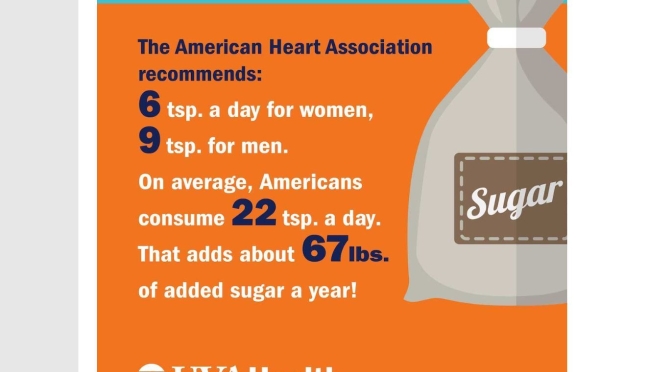
Health Infographics: “Hidden Sugars” In What We Eat & Drink Add Up Fast

 Boomers Daily