Why is Winslow Homer a household name in the USA? And what makes his art so important? Follow Homer’s journey, at a time of great upheaval in American history, from magazine illustrator to sought-after artist in oil and watercolour.
Winslow Homer: Force of Nature Ground Floor Galleries Until 8 January 2023
Haunted by the approach of another world war, the beloved fantasy author created a new story of Middle-earth that few people even knew about—until now. BY JOHN GARTH, PHOTOGRAPHS BY KIERAN DODDS
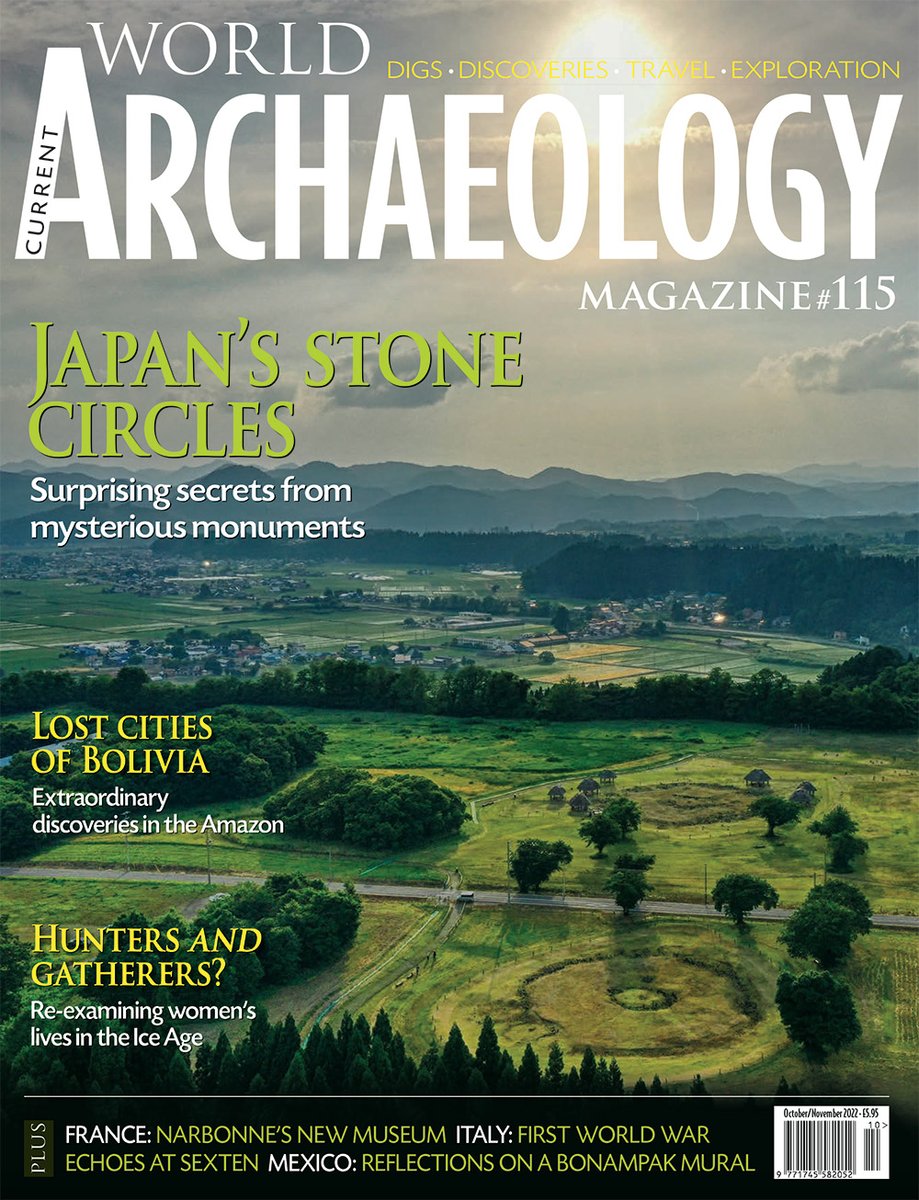
The World Archaeology October 2022 issue explores the secrets of Japan’s stone circles, the lost prehistoric cities of Bolivia, women’s everyday lives in the Ice Age, an idyllic alpine region that saw fierce fighting during the First World War, and much more.
The stone circles of Japan are enigmatic monuments. These structures were created by Jomon hunter-gatherers, mostly from roughly 2500-300 BC, and can be associated with burials, seasonal ceremonies, and solar alignments. Such preoccupations are far from being restricted to Jomon Japan, with study of these circles proving influential when it came to early 20th-century attempts to understand Stonehenge. In our cover feature, we take a detailed look at some of the Jomon stone circles, examining both the monuments themselves, and wider activity in the period.
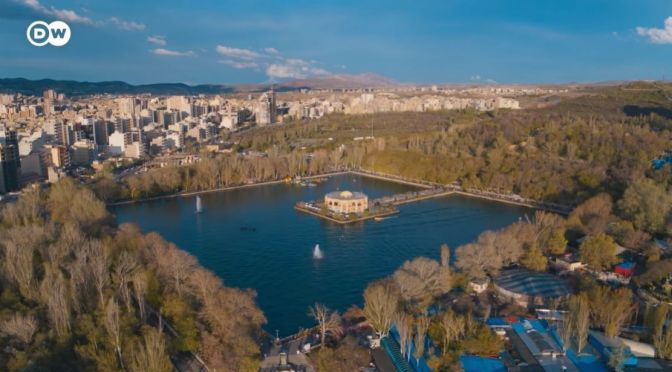
Iran’s mountainous terrain has always been an important part of people’s lives. Years ago, these mountains were populated by legendary horsemen. Today, they are the subject of scientific investigation. This film provides the viewer with stunning arial views of these mountains. It unfurls the rich tapestry of Iran’s history, from the legendary Order of the Assassins to the Mongol invasions. We also get to know Iran by meeting some of the fascinating people who live there. Take Ali, a world champion of mounted archery. Despite its waning popularity, the sport has endured in Iran due the importance of horses throughout Iranian history. We get to explore the historic Tabiz bazaar, which is still a bustling market and kaleidoscope of cultures today. There, we meet Dschebrael, a stall owner who speaks Azeri, the official language of Azerbaijan. In fact, Azeri can be heard throughout the market, which serves as a meeting place for Iran’s many ethnic groups, and thus as a microcosm of the country’s cultural diversity. The film introduces us to beekeepers and violinmakers, as well as young people living in Iran who want to travel and express themselves freely on social media — even though it is forbidden.
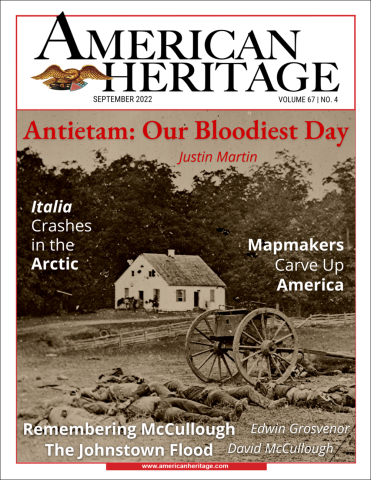
In September 1862 the South hoped to end the war by invading Maryland just before the mid-term elections. But its hopes were dashed after the bloodiest day in American history. By Justin Martin
In the hills above Johnstown, the old South Fork dam had failed. Down the Little Conemaugh came the torrent, sweeping away everything in its path. By David McCullough
By artfully illustrating the boundaries of colonial powers, mapmakers in the 1700s helped define what our New World would become. By Neal Asbury, Jean-Pierre Isbouts
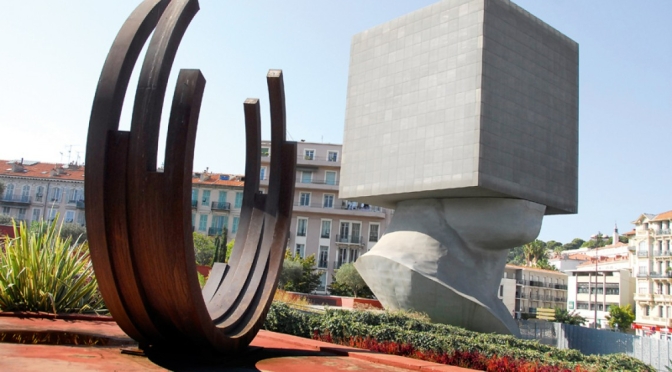
Approached to design the new municipal office in Nice, architect Sasha Sosno had a clear vision: a giant building shaped like the bust of a man with a solid box for a head. How to actually build it would require a brilliant blend of architectural innovation and improvisation.
La Tête Carrée Library, is a massive sculpture that stands at a staggering 85ft (or 28m) in height and was designed by French artist Sacha Sosno and made by two architects – Francis Chapus and Yves Bayard – for the Central Library in Nice. Entitled “Thinking Inside the Box,” the work is an accusatory and clear metaphor and hasn’t always been the most beloved work in the city, with locals often citing it as “ugly”. However, in spite of this, the building remains a fascinating tourist attraction and extraordinary structure, housing four storeys of offices and three storeys of book shelves.
Sosno, a sculptor and peer of other famous local artists such as Henri Matisse and Yves Klein, had long held hope to build such an unusual construction-sculpture but only got a chance to do so in 1997 when his idea was chosen for an administrative office of Louis Nucéra Library. Inaugurated in 2002, it was the first inhabited monumental sculpture in the world.
Located on the corner of Promenade des Arts, La Tête Carrée looks out over Place Yves Klein from the Jardin Maréchal Juin, a small public garden full of colourful flowers and a few more (albeit far, far smaller) sculptures. During the day, it simply looks like a massive sculpture of a head but, if you’re passing La Tête Carrée at night, it is lit from within by a lighting scheme devised by French light artist Yann Kersalé and you can make out the floors of the library inside.
Michael Wyetzner of Michielli + Wyetzner Architects returns to AD, this time breaking down details from the many on-screen depictions of Wayne Manor – home to mysterious playboy millionaire Bruce Wayne and (more importantly) the headquarters for Batman. From the more humble depictions in comics and on television to the cosmopolitan high rise seen in 2022’s “The Batman,” see how the hero Gotham deserves has lived from the 1930’s to now.
News, Views and Reviews For The Intellectually Curious


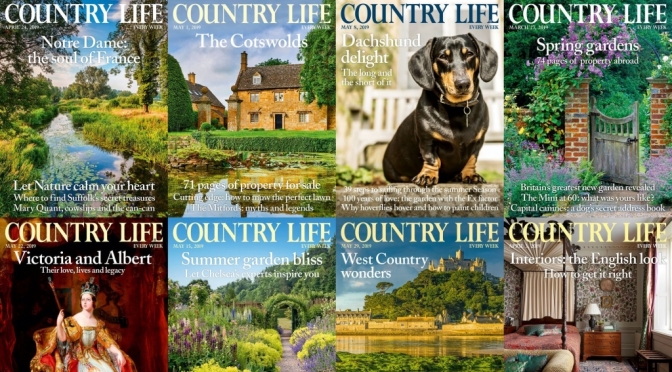

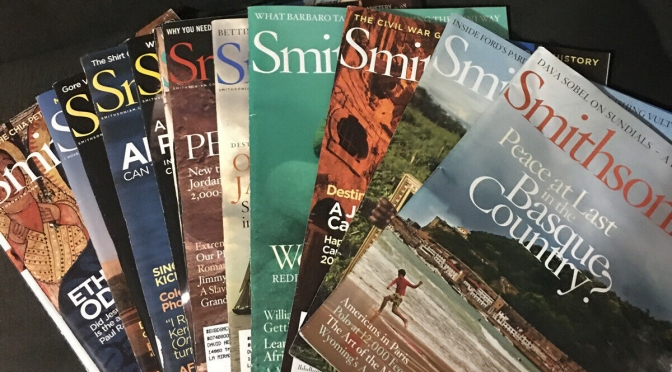
/https://tf-cmsv2-smithsonianmag-media.s3.amazonaws.com/filer_public/77/b2/77b26047-7784-4bc6-bf89-29de6b3bc7e7/oct22_web_cover.jpg)
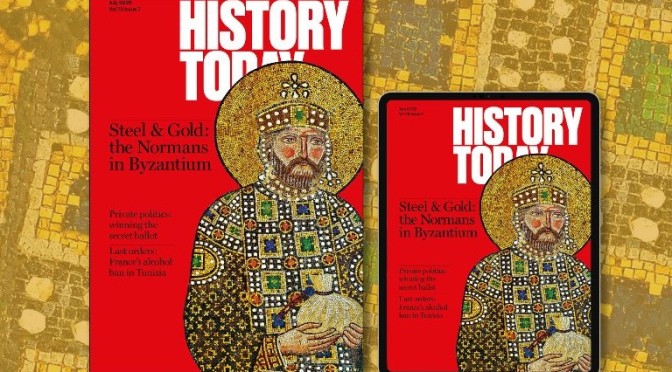
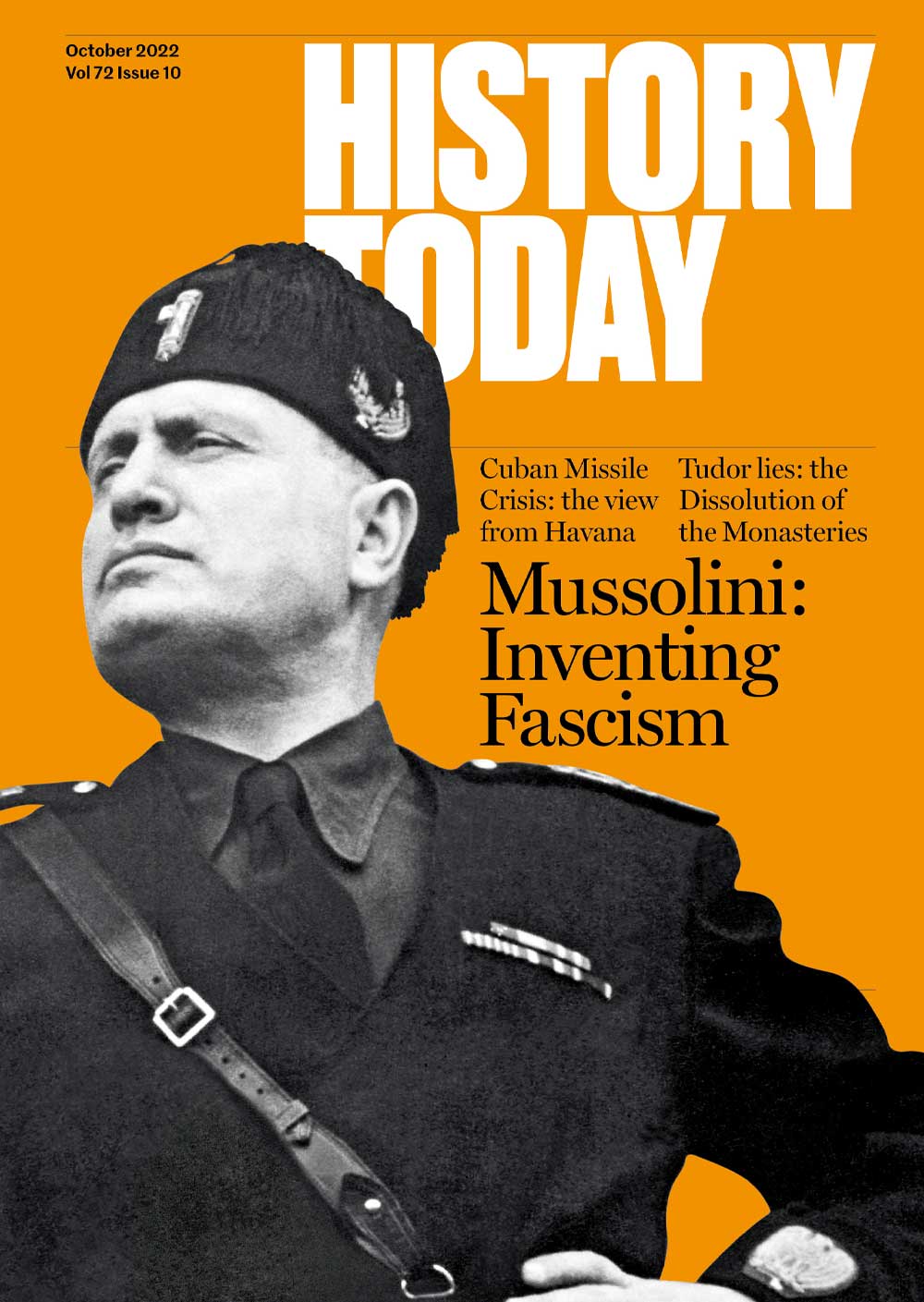




 Boomers Daily