The Getty Magazine – Fall 2022: Featuring Conserving Black Modernism, our recently launched effort to conserve Modern Movement architecture by Black architects and designers, plus more behind-the-scenes info on all things Getty.
The Art of Exhibition Design
How to put on a really 16 great show
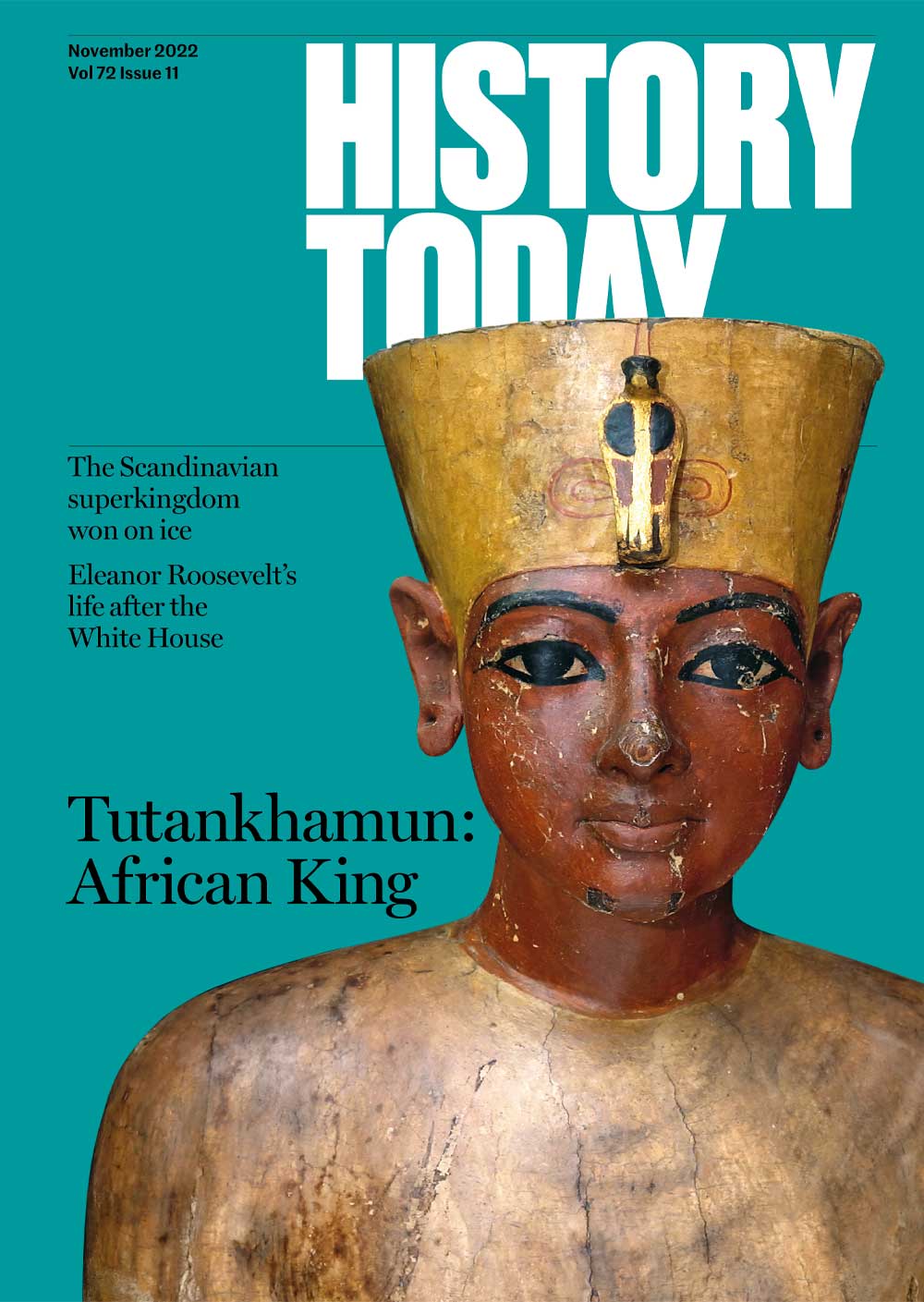
Egyptomania!
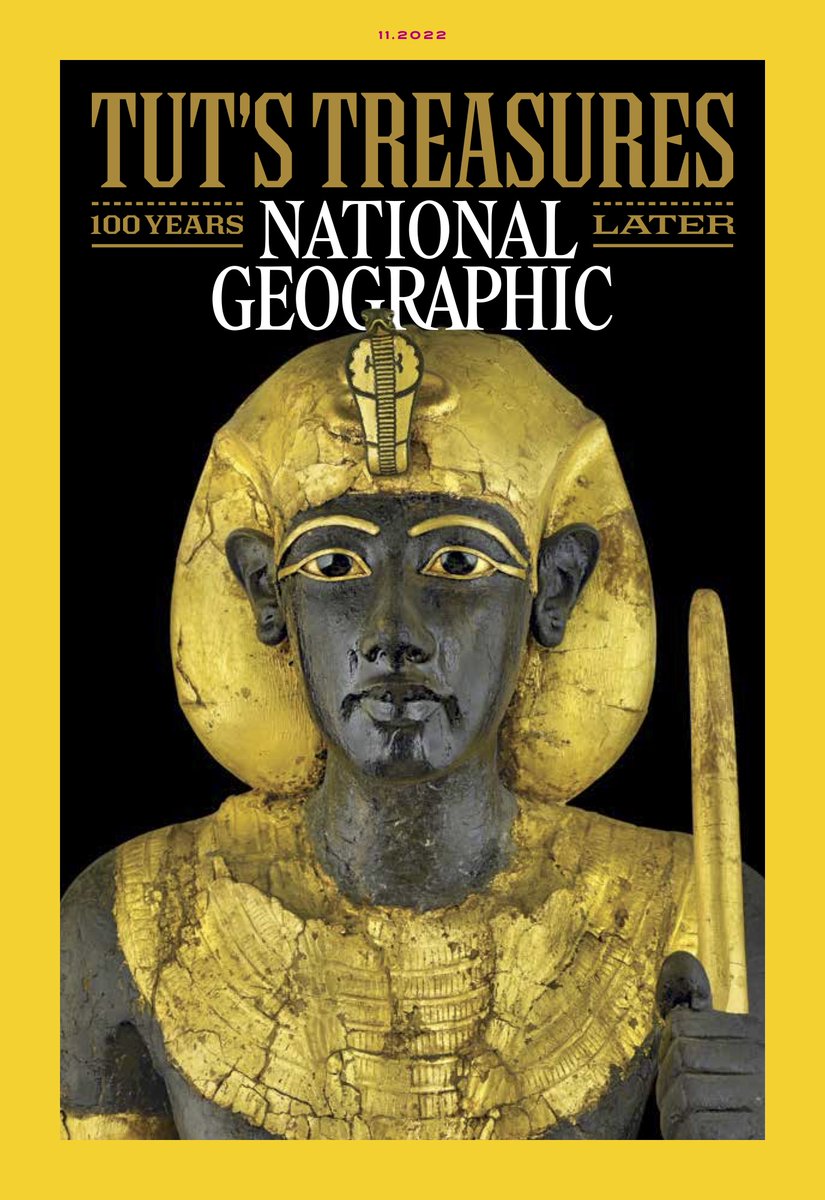
An international passion for Egypt fueled the discovery of King Tut’s 22 tomb
DW Documentary – The Neolithic village of Ba’ja in Jordan
is a famous archaeological site. It was one of the world’s first known settlements, founded some 9,000 years ago. The site has produced magnificent finds including an ancient necklace made of 2,500 beads. What prompted our Neolithic ancestors to settle down? Why did they change their nomadic, hunter-gatherer lives so radically?
As is so often the case in archaeology, it is tombs that tell us the most, while also raising new questions. One of the most magnificent finds at the Ba’ja archaeological site is the richly furnished tomb of a young girl. In 2018, as the excavation team was about to depart, beads emerged from beneath the slab of a nondescript tomb. The team kept working until they finally recovered around 2,500 beads.
Further research showed the beads belonged to an elaborately crafted necklace that had been buried with the girl. The team affectionately christened her Jamila, “the beautiful one.” Jamila’s necklace is a sensation, and has been put on display at the new Petra Museum. There, the entire history of the country is presented, beginning with Ba’ja and humankind’s decision to leave behind the hunter-gatherer lifestyle.
Along with other finds from Ba’ja, Jamila’s finely wrought necklace calls into question much of what we thought we knew about the Stone Age. In recent decades, the burial site in Jordan has helped us see Neolithic people through different eyes. One thing seems clear: They were able to invest time in aesthetics, jewelry and furnishings because their food supply was secure.
Brazilian democracy is young, hard-won and under threat. As the country goes to the polls, its history reminds us that the right to vote is not a given.
England, under the volatile Tudor dynasty, was a thriving home for the arts. An international community of artists and merchants, many of them religious refugees, navigated the high-stakes demands of royal patrons, including England’s first two reigning queens. Against the backdrop of shifting political relationships with mainland Europe, Tudor artistic patronage legitimized, promoted, and stabilized a series of tumultuous reigns, from Henry VII’s seizure of the throne in 1485 to the death of his granddaughter Elizabeth I in 1603.
The Tudor courts were truly cosmopolitan, boasting the work of Florentine sculptors, German painters, Flemish weavers, and Europe’s best armorers, goldsmiths, and printers, while also contributing to the emergence of a distinctly English style. Join Elizabeth Cleland, Curator in the Department of European Sculpture and Decorative Arts, and Adam Eaker, Associate Curator in the Department of European Paintings, to explore The Tudors: Art and Majesty in Renaissance England, which traces the transformation of the arts in Tudor England through more than 100 objects—including iconic portraits, spectacular tapestries, manuscripts, sculpture, and armor—from both The Met collection and international lenders.
Photographer Sandro Vannini used his decades-long knowledge of Tut’s antiquities to stitch together a stunning image of a guardian statue from 48 perfectly lit pictures.
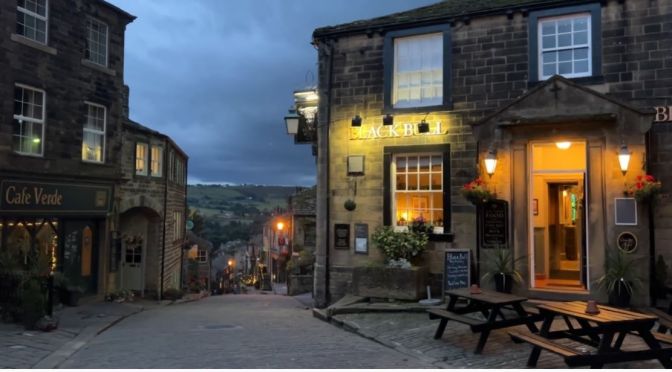
Emily Bronte, Anne Bronte, and Charlotte Bronte lived 180 years ago. We visit Bronte Country and walk in the footsteps of the Bronte Sisters, piecing together their tragic short lives as we visit places they lived or frequented. The Brontes wrote some of the most dramatic fiction right here in West Yorkshire and many of the places still exist.
On our walk, we will head to where it all started at the Bronte’s birthplace in Thornton. Visit the school that Charlotte Bronte immortalised as Lowood School in Jane Eyre. See Oakwell Hall which she based Fieldhead on in Shirley. Walk the wild Haworth Moors to Top Withens where Emily Bronte found inspiration for Wuthering Heights, and a whole lot more. All the time telling the story of how the 3 Bronte Sisters came to be the famous writers we all know today.
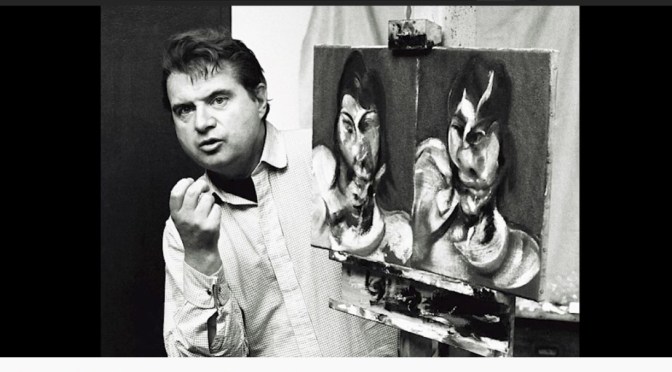
This extraordinary Francis Bacon triptych from the William S. Paley Collection is one of the true masterpieces of his career and marks the first inception of his painting of Henrietta Moraes, who became one of his most famous and preferred sitters.
Held in stewardship by the Museum of Modern Art in New York for the last 30 years, it is coming to market for the first time since William S. Paley acquired it from the Marlborough Gallery.
Francis Bacon was an Irish-born British figurative painter known for his raw, unsettling imagery. Focusing on the human form, his subjects included crucifixions, portraits of popes, self-portraits, and portraits of close friends, with abstracted figures sometimes isolated in geometrical structures.
To learn more about one of the great bohemian muses of the 1950’s and 1960’s, Henrietta Moraes, please click here: https://www.sothebys.com/en/articles/…
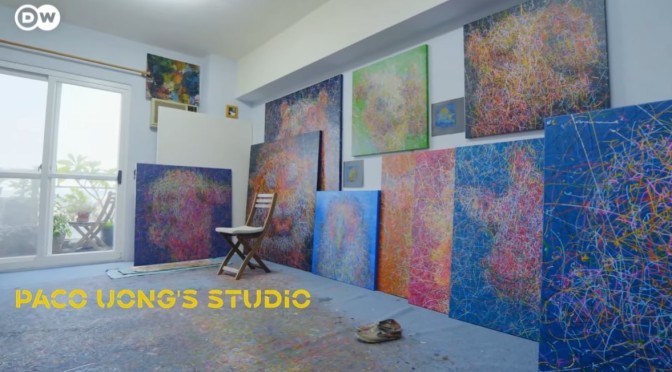
Taipei is a very modern city with a rich history. Many of the artists who live here are finding ways to keep Taiwan’s unique cultural traditions alive.
Video timeline: 00:00 Intro 00:54 Dadaocheng, meeting Zo Lin, foraging artist 02:14 Grassland’s Private Garden with foraging artist Tiffany Lai 06:41 Ximending, meeting comic artist Yeh Yu Tung 07:21 Wan Nan Building 08:11 Yeh Yu Tung’s Studio 10:23 Dadocheng Wharf 11:00 Taipei Main Station, Meeting Hsu Yenting, sound artist 12:35 Shing-Chen Street 14:04 Exhibition Hall Ever Burning 15:46 Jian-Guo Traditional Market, meeting contemporary artist Paco Uong 20:24 Taipei Tien-Hou Temple with collage artist Ni Jui Hung 22:13 Yat-Sen Park 22:53 Jui Hung’s Studio 24:50 Xiangshan
The host of this episode Allison Lin is an actress and photographer in Taipei, Taiwan. She studied interactive multimedia design at the Houston College of Art in the US. Allison meets the artists Zo Lin & Tiffany, Yeh Yu Tung (comic artist), Hsu YenTing (sound artist), Paco Uong (contemporary artist) and Ni Rui-Jung (collage artist).
A medication prescribed for Parkinson’s and other diseases can transform a patient’s personality, unleashing heroic bouts of creativity or a torrent of shocking, even criminal behavior



 DW Documentary
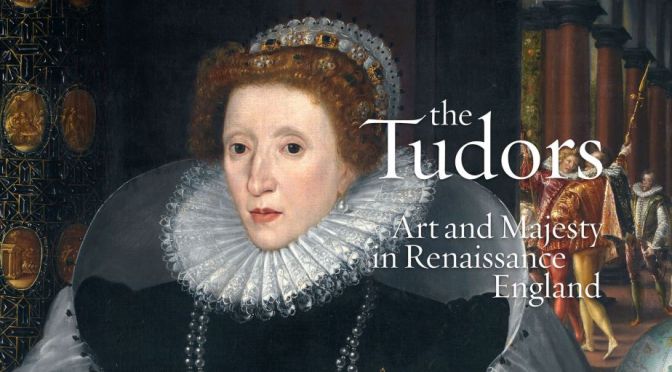
 England, under the volatile Tudor dynasty, was a thriving home for the arts. An international community of artists and merchants, many of them religious refugees, navigated the high-stakes demands of royal patrons, including England’s first two reigning queens. Against the backdrop of shifting political relationships with mainland Europe, Tudor artistic patronage legitimized, promoted, and stabilized a series of tumultuous reigns, from Henry VII’s seizure of the throne in 1485 to the death of his granddaughter Elizabeth I in 1603.
 Boomers Daily