

From a The Guardian online article (Feb 12, 2020):
What characterizes ultra-processed foods is that they are so altered that it can be hard to recognize the underlying ingredients. These are concoctions of concoctions, engineered from ingredients that are already highly refined, such as cheap vegetable oils, flours, whey proteins and sugars, which are then whipped up into something more appetizing with the help of industrial additives such as emulsifiers.
From a MedPage Today online article (March 7, 2020):
The top ultra-processed foods by calorie intake were breads, beverages, cakes, 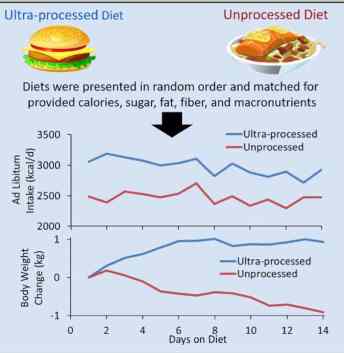 cookies and pies, salty snacks, frozen and shelf-stable dishes, pizza, and breakfast cereals.
Altogether, ultra-processed foods accounted for 58% of all calories in the U.S. diet and nearly 90% of all added sugars.
They divided foods into four categories:
- Unprocessed or minimally processed foods: Fresh, dry, or frozen fruits or vegetables, grains, legumes, meat, fish, and milk
- Processed culinary ingredients: Table sugar, oils, fats, salt, and other substances extracted from foods or from nature and used in kitchens to make culinary preparations
- Processed foods: Foods manufactured with the addition of salt, sugar, or other substances of culinary use to unprocessed or minimally-processed foods, such as canned food, simple breads, and cheese
- Ultra-processed foods: Formulations of several ingredients that — besides salt, sugar, oils, and fats — include food substances not used in culinary preparations, in particular, flavors, colors, sweeteners, emulsifiers, and other additives used to imitate sensory qualities of unprocessed or minimally-processed foods and their culinary preparations or to disguise undesirable qualities of the final product


 “These results are exciting, as they suggest that people may potentially prevent brain shrinking and the effects of aging on the brain simply by becoming more active,” said study author Yian Gu, Ph.D., of Columbia University in New York and a member of the American Academy of Neurology.

 Habitual fish oil supplementation is associated with a 13% lower risk of all cause mortality, a 16% lower risk of CVD mortality, and a 7% lower risk of CVD events among the general population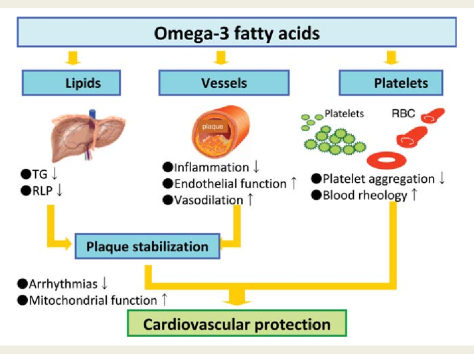

 Rocket scientist-turned-immunology expert Mark Kendall talks about his Nanopatch, which could revolutionise vaccinations and eradicate some diseases.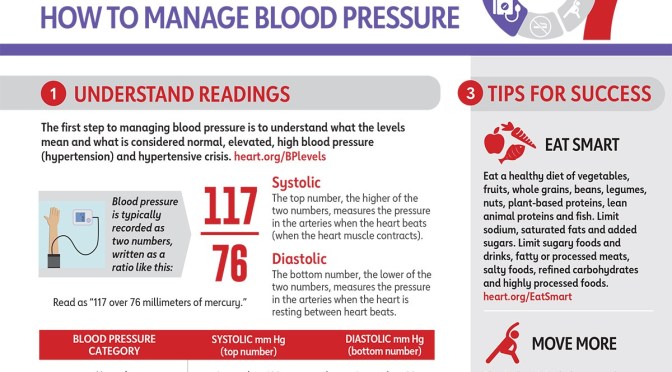
 Seasonal variation in blood pressure has been known for 40 years, but, to our knowledge, for the first time we show here that this occurs independently of temperature. The reduction in blood pressure is more marked with a rise in UVB than UVA, and in whites than black people. Dermatological concerns about the skin cancer inducing effects of UV radiation need to be balanced against the observed blood pressure lowering effects of sunlight, particularly given the greatly higher burden of disease caused by hypertension.
 Sunlight exposure appears to lower blood pressure; insufficient exposure to natural ultraviolet radiation and/or active avoidance of sunlight may be new risk factors for hypertension.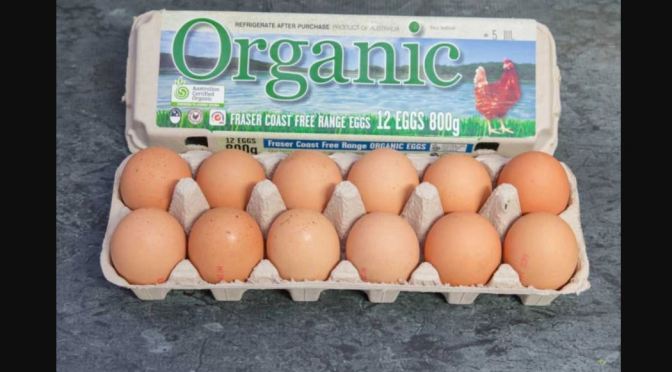
 We found no association between egg consumption and risk of cardiovascular disease in three large US cohorts. Results from the updated meta-analysis lend further support to the overall lack of an association between moderate egg consumption (up to one egg per day) and cardiovascular disease risk.
 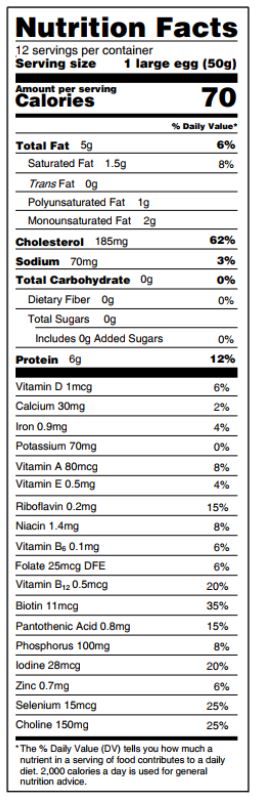 Eggs are a major source of dietary cholesterol, but they are also an affordable source of high quality protein, iron, unsaturated fatty acids, phospholipids, and carotenoids.
 Boomers Daily