
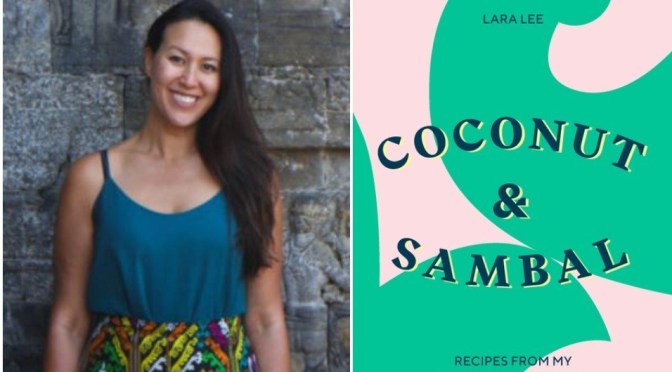
 Lara Lee, the author of the new cookery book ‘Coconut & Sambal’, shares one of her favourite recipes.
About Coconut & Sambal
 Be transported to the bountiful islands of Indonesia by this collection of fragrant, colourful and mouth-watering recipes.
‘An exciting and panoramic selection of dishes and snacks’
– Fuchsia Dunlop, author of The Food of Sichuan
‘Start with Lara’s fragrant chicken soup, do lots of exploring on the way whilst dousing everything with spoonfuls of sambal, and end with her coconut and pandan sponge cake’
– Yotam Ottolenghi, author of SIMPLE
Coconut & Sambal reveals the secrets behind authentic Indonesian cookery. With more than 80 traditional and vibrant recipes that have been passed down through the generations, you will discover dishes such as Nasi goreng, Beef rendang, Chilli prawn satay and Pandan cake, alongside a variety of recipes for sambals: fragrant, spicy relishes that are undoubtedly the heart and soul of every meal.Lara uses simple techniques and easily accessible ingredients throughout Coconut and Sambal, interweaving the recipes with beguiling tales of island life and gorgeous travel photography that shines a light on the magnificent, little-known cuisine of Indonesia.
What are you waiting for? Travel the beautiful islands of Indonesia and taste the different regions through these recipes.
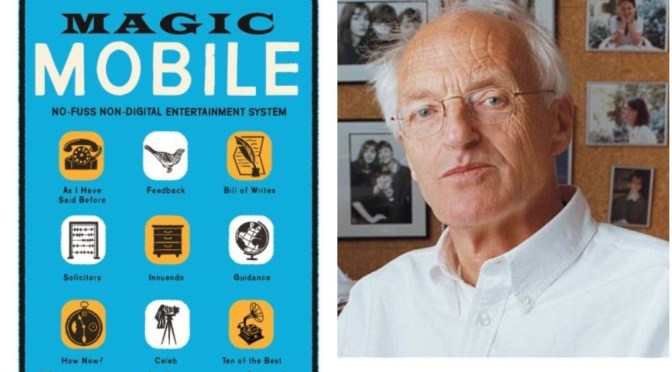
 British author, playwright and translator Michael Frayn is best known for his farcical comedy ‘Noises Off’ and ‘Copenhagen’, which details a 1941 meeting between Niels Bohr and Werner Heisenberg.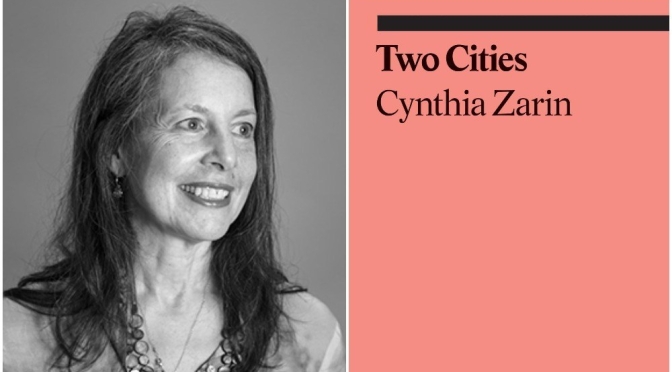
 A conversation with the acclaimed poet and New Yorker writer Cynthia Zarin that transports us to two of her favorite cities, Venice and Rome, in a celebration of Italy as the country begins to loosen the longest coronavirus-related lockdown in Europe. The episode features evocative readings from her forthcoming book,Two Cities, which captures the meditative yet constantly surprising nature of travel from a deeply personal point of view.
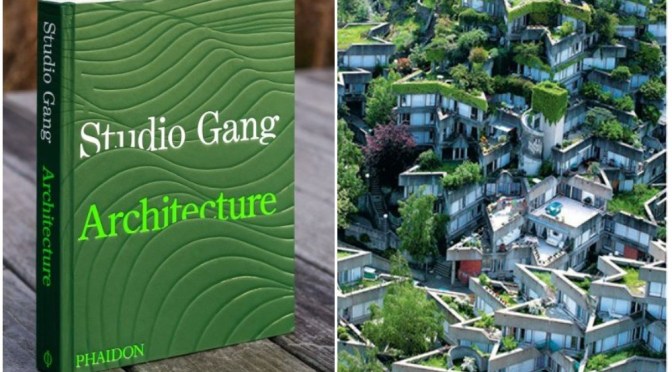
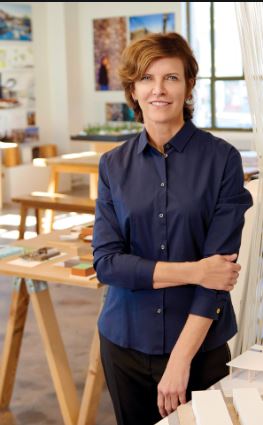 The most in-depth exploration of one of the most important, innovative, and creative architecture practices working today.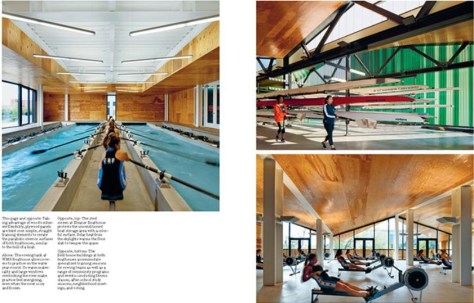



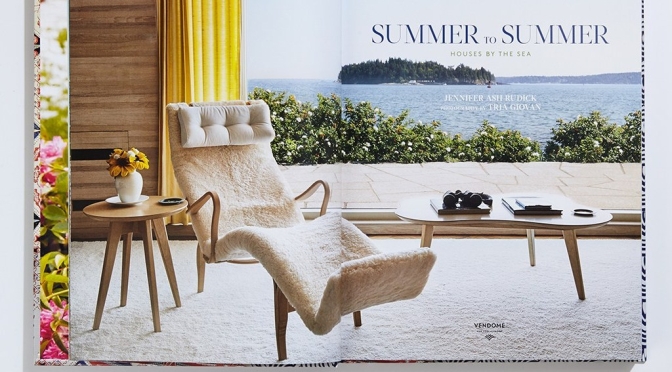
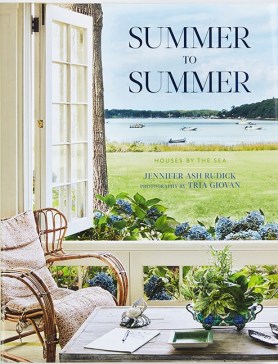 From the rocky coast of Maine to the sandy beaches of the Hamptons, from Nantucket to Newport, from Fire Island to Fishers Island, from Martha’s Vineyard to Provincetown, summer hours are as varied in style as the people who hightail it to the beach as soon as the temperature climbs. In this lushly illustrated book, author Jennifer Ash Rudick has sought out some thirty of the best.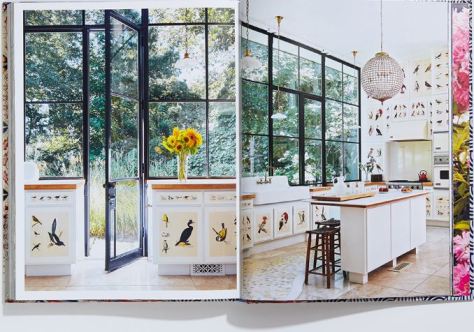
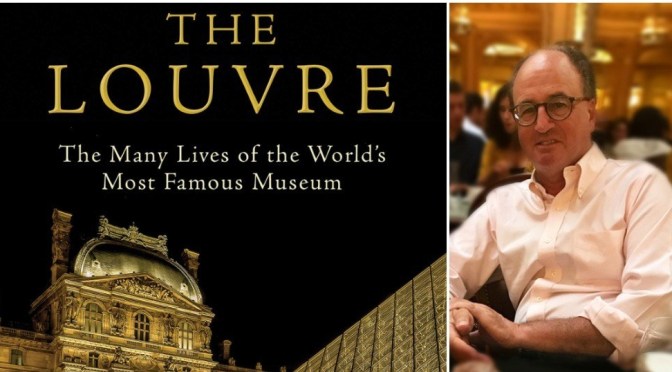
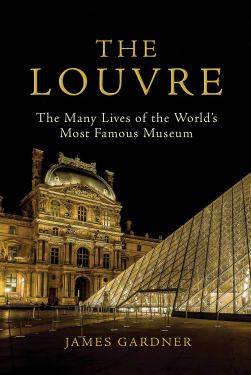 The fascinating and little-known story of the Louvre, from its inception as a humble fortress to its transformation into the palatial residence of the kings of France and then into the world’s greatest art museum.
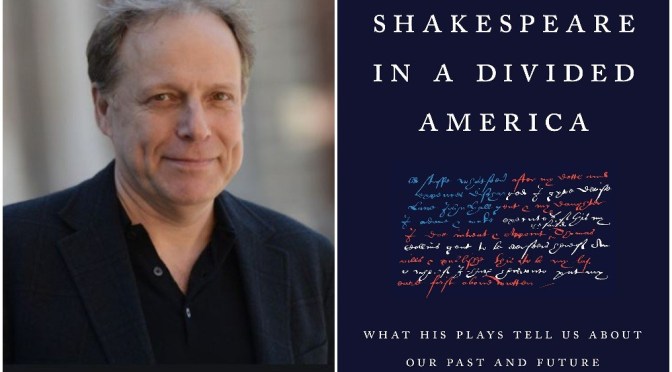
 In a year of plagues, power struggles and star-crossed lovers divided by lockdown, Anne McElvoy asks James Shapiro, author of “Shakespeare in a Divided America”, what the bard would make of it all. Shakespeare is claimed by Americans of all political stripes.
 Boomers Daily