
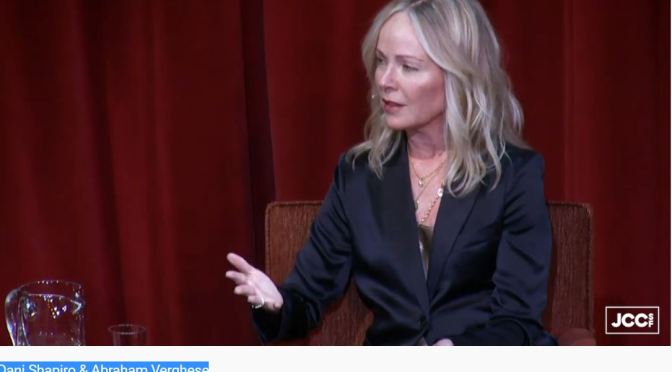
 What makes us who we are? What combination of memory, history, biology, experience and that ineffable thing called the soul defines us?
In 2016, celebrated writer and memoirist Dani Shapiro took a genetic test on a whim, believing that she knew her history well – the daughter of Orthodox Ashkenazi Jews, raised on her father’s stories of their family and ancestors. But her DNA revealed that the man she’d known as her father for her whole life was not biologically related to her. With this news, her history – and the entire life she had lived – suddenly crumbled beneath her.
Dani Shapiro is an American writer who is the author of five novels and the best-selling memoirs Inheritance, Hourglass, Slow Motion, and Devotion. She has also written for magazines such as The New Yorker, The Oprah Magazine, Vogue, and ELLE.

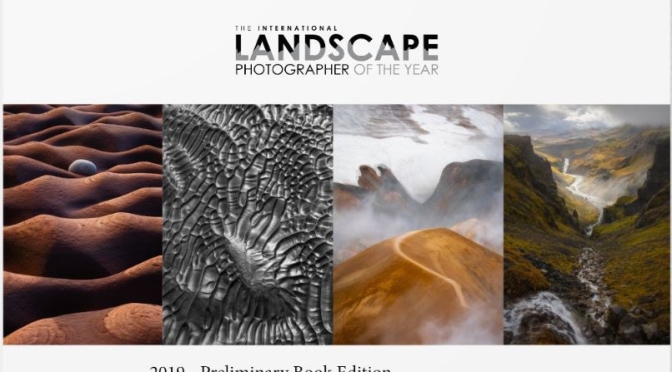
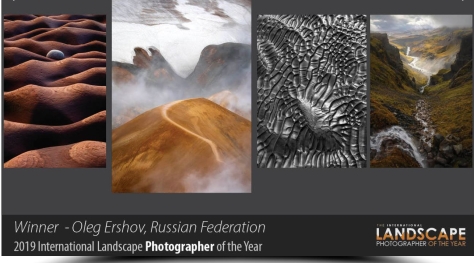
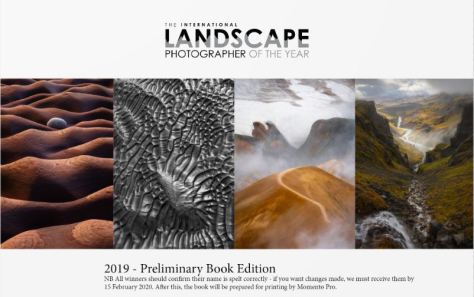
 “Iceland’s glacial rivers are nature’s abstract paintings. It seems obvious that rivers this wild and stunning are protected, yet the harsh reality is that many have been dammed, mainly to provide power for aluminum plants.
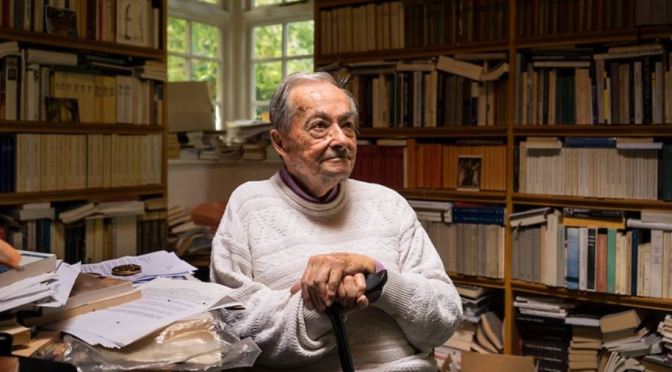
 He was the real thing, the last of the great middle-European intellectual journeyers, one with Benjamin and Cioran and the other exiles, for whom books were the one constant country and reading them a matter of life and death. With him gone, we can only reread his writing, determined to honor the intensity of his commitment by intensifying our own.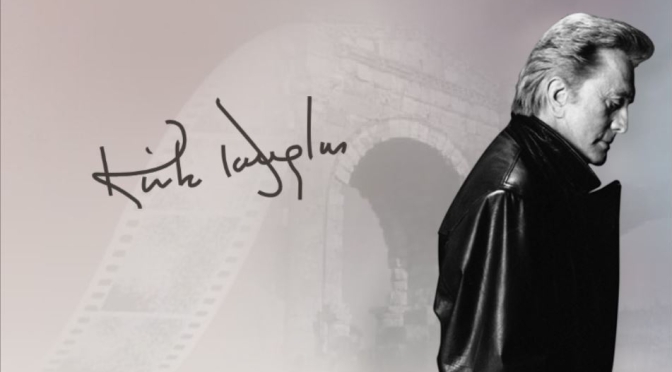
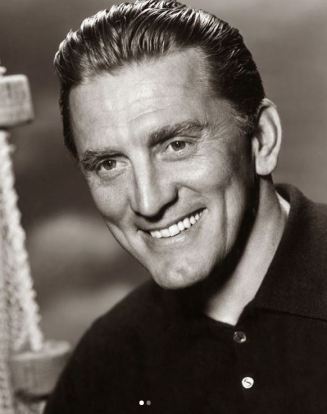 “It is with tremendous sadness that my brothers and I announce that Kirk Douglas left us today at the age of 103. To the world he was a legend, an actor from the golden age of movies who lived well into his golden years, a humanitarian whose commitment to justice and the causes he believed in set a standard for all of us to aspire to.
 A “mesmerizing” re-imagination of the final months of World War II (Kate Quinn, author of The Alice Network), Hannah’s War is an unforgettable love story about an exceptional woman and the dangerous power of her greatest discovery.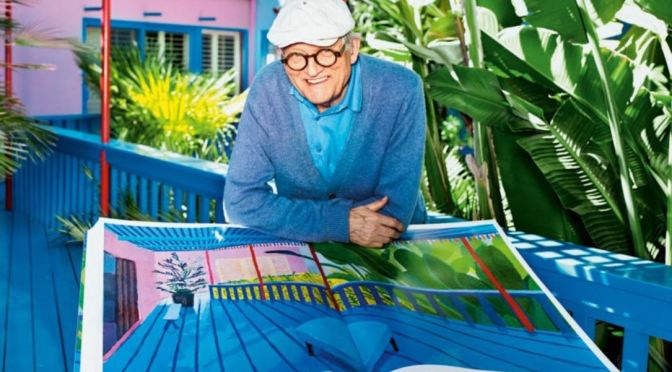
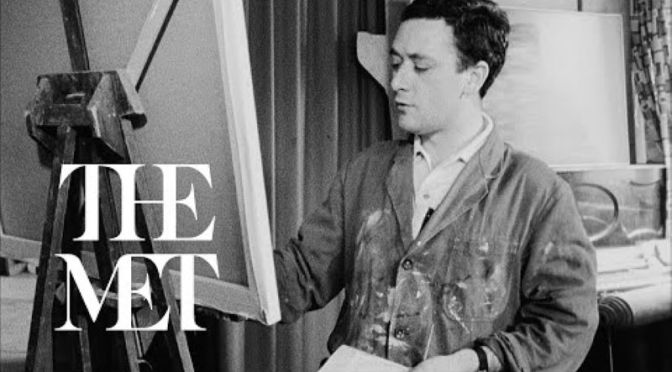
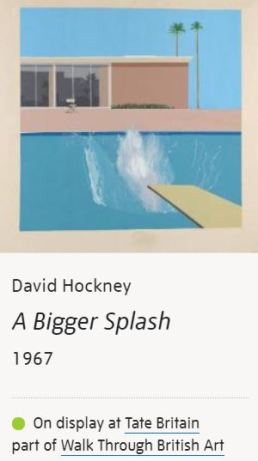 David Hockney, (born 9 July 1937) is a British painter, draftsman, printmaker, stage designer, and photographer. As an important contributor to the pop art movement of the 1960s, he is considered one of the most influential British artists of the 20th century.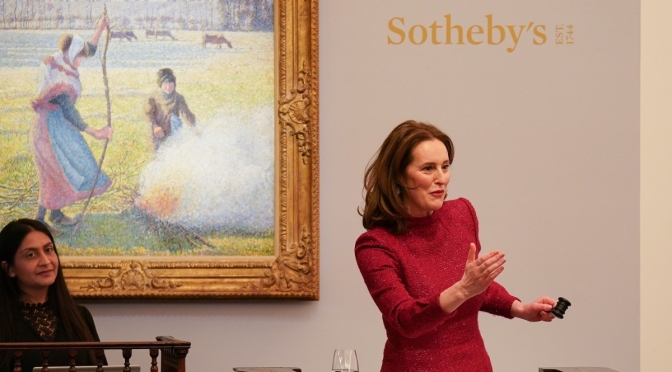

 Born in Crete as Domenikos Theotokopoulos (1541–1614), El Greco trained in the traditional manner of Byzantine icon painting. He moved to Venice in 1567 to learn a new artistic approach, absorbing developments in Venetian Renaissance painting through the lens of artists such as Titian and Tintoretto. The works El Greco painted during his time in Venice, however, reveal both his embrace of and struggles to fully adapt to this manner of painting.
 Following this transformative period, El Greco went to Rome, probably in an attempt to attract patronage within the papal circle. There his acceptance into the elevated circle of Cardinal Alessandro Farnese brought a close association with the painter Giulio Clovio and the erudite historian and collector Fulvio Orsini. El Greco’s portraits, allegories, and religious paintings between 1570 and 1577 reflect these relationships as well as his complicated engagement with Michelangelo and other artistic luminaries of the 16th century.
 Boomers Daily