Exolung is a new and unique approach to shallow water diving for recreational and utility purposes. It is also enjoyable to use in the pool for training, or as a form of underwater gymnastics and yoga. The idea was to create a simple extension to the usual ABC kit (fins, mask, snorkel), being simple, robust and affordable whilst not requiring a lot of maintenance or care, and absolutely no recharge or refill required.
It is lightweight (3,5kg) and compact (40x30x20cm pack size) making it super portable, flexible and functional. There is a high degree of safety, due to the inflatable dive buoy, which the diver is attached to at all times. There is no need for diving certification, though a basic knowledge of compressed air diving is required before use. This can be learned by attending a beginner diving course at your local centre.
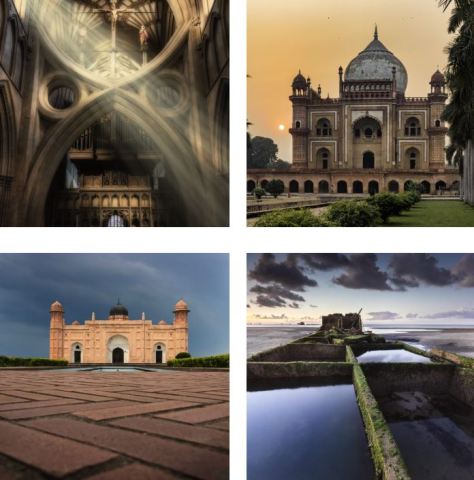
The Historic Photographer of the Year awards showcase the world’s very best historic places and cultural sites from across the globe, capturing everything from the most famous national treasures to the obscure and forgotten hidden gems.
The 2019 Awards attracted a swathe of astonishing entries from amateurs and professionals who have climbed, hiked and trekked their way to snap stunning historic places from every corner of the globe.
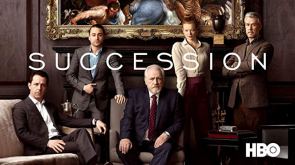
But while there is more great TV than ever before, the number of top-tier programs actually declined in 2018, making the task of assembling a Top 10 TV shows list easier than usual since so few shows stood out from the pack. That changed for the better in 2019, resulting in a Top 10 lineup that features only one returning series from 2018’s list. (Also, some of last year’s best shows, like Better Call Saul and Atlanta, didn’t air new episodes in 2019.)
Rock ’n’ roll, or even popular music, [was] often highly gendered and sexist. It certainly was paternalistic in the ’60s and prior, in terms of songs being directed at women as objects, women as needing to be “counseled” about love, [or] it was about coming on to them, even if it was just something innocent and romantic, “I Want to Hold Your Hand.” And the Beatles very consciously in 1965 began to change their tone. They created a very specific type of female character who would think for herself and did not need a man.
Looking back at your favorite classic rock songs through the lens of today’s attitudes about women’s empowerment, male privilege, and even sexual violence can be cringeworthy at best. But just as they were trailblazers in music, film, fashion, and popular culture, the Beatles were ahead of their time in embracing feminism, argues Kenneth Womack, a well-known authority on the band and dean at Monmouth University, evolving from early patronizing “hey, girl” entreaties to songs filled with independent women who don’t need a man, not even a Beatle. Ideological Diversity, a Harvard Kennedy School student organization, hosts a free talk with Womack on Thursday about how the group explored issues of feminism, gender, and inclusion in ways few rock bands dared in the 1960s.
Anger. A word that often does the rounds in the 21st century. On a global scale, citizens are increasingly dissatisfied with their governments — from discord within the current American administration to rising hostility within France, Germany, Greece, Iraq, and Lebanon. Anger due to the persistence of racial violence, threats against the rights of women and workers, discrimination against the LGBTQ community, repression, as well as fear and instability surrounding health care systems, income inequality, the environmental crisis, and the effects of mass migration.
Join a nuanced conversation in this MoMA R&D Salon hosted by Paola Antonelli, Senior Curator of Architecture & Design and Director of Research & Development at MoMA, with speakers (in alphabetical order):
Shaun Leonardo: a multidisciplinary artist whose work discusses societal expectations of manhood––namely definitions surrounding black and brown masculinities––along with its notions of achievement, collective identity, and experience of failure.
Lydia Lunch: a writer, singer, poet, actress, and speaker whose career was spawned by the New York City “No Wave” scene. Widely considered one of the most influential performers originating from New York City, Lydia has worked with a range of bands and artists.
Andrew Marantz: a staff writer at The New Yorker, where he has worked since 2011. His work has also appeared in Harper’s, New York, and Mother Jones. He recently published his first book, Antisocial: Online Extremists, Techno-Utopians, and the Hijacking of the American Conversation.
Marilyn Minter: a contemporary artist whose works are in the collections of MoMA, the Solomon R. Guggenheim Museum in New York, the San Francisco Museum of Modern Art, and the Museum of Contemporary Art in Los Angeles, among others.
Pamela Sneed: a poet, writer, visual artist, and performer. She is the author of the books Imagine Being More Afraid of Freedom than Slavery (1998) and Kong and Other Works (2009), as well as the chapbooks Lincoln (2014), Gift (2015), and Sweet Dreams (2018).
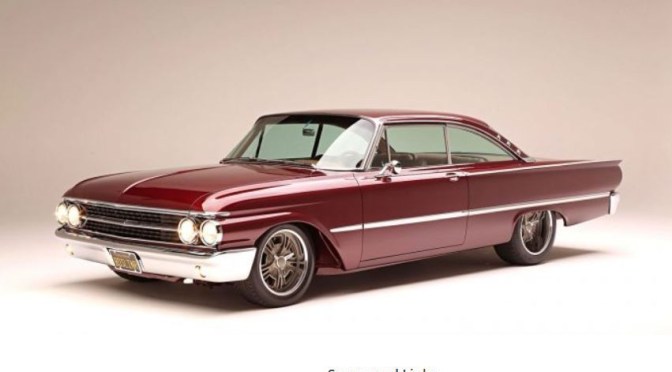
Of all the muscle cars we’ve talked about, this 1961 Ford Starliner is most certainly one of the cleanest rides that we’ve seen, both figuratively and literally. It has no extra chrome, no hood scoops, no tubs for fat wheels. It looks almost stock save for the beautiful maroon paint and custom wheels.
Inside the 1961 Ford Starliner has a fully custom interior that is as clean and subtle as the outside of the car. It’s done up in lots of beige leather and looks fantastic along with the maroon exterior of the car. It also has air conditioning. The Starliner rolls on a Roadster Shop performance chassis that has power rack-and-pinion steering, along with front and rear antiroll bars, panhard bars, and coilovers. The shocks are Afco double-adjustable drag racing units.
Academy Award-winning director Paolo Sorrentino returns with The New Pope, his second original series set in the world of the modern papacy. Written by Sorrenttino with Umberto Contarello and Stefano Bises, the nine-episode original series features Jude Law and John Malkovich. Sharon Stone and Marilyn Manson guest star.
Sleep problems may decrease the likelihood of recovery from chronic low back pain (LBP) over the long term and those who have musculoskeletal pain on top of insomnia have an even lower possibility of recovery, a study has found.
“The probability of recovery [from LBP] is especially low among persons who often/always experience sleeplessness and who also suffer from co-occurring musculoskeletal pain,” the researchers write.
The study took place over more than 10 years and also found the likelihood of recovery from chronic LBP decreased further among people with muscle and joint pains, in addition to sleeplessness.
The researchers conducted a prospective cohort study that included 3712 women and 2488 men aged at least 20 years who participated in the HUNT study, one of the largest, longest running health studies in Norway. HUNT began in 1984 and has data on over 120,000 participants.


 Exolung is a new and unique approach to shallow water diving for recreational and utility purposes. It is also enjoyable to use in the pool for training, or as a form of underwater gymnastics and yoga. The idea was to create a simple extension to the usual ABC kit (fins, mask, snorkel), being simple, robust and affordable whilst not requiring a lot of maintenance or care, and absolutely no recharge or refill required.

 The Historic Photographer of the Year awards showcase the world’s very best historic places and cultural sites from across the globe, capturing everything from the most famous national treasures to the obscure and forgotten hidden gems.

 But while there is more great TV than ever before, the number of top-tier programs actually declined in 2018, making the task of assembling

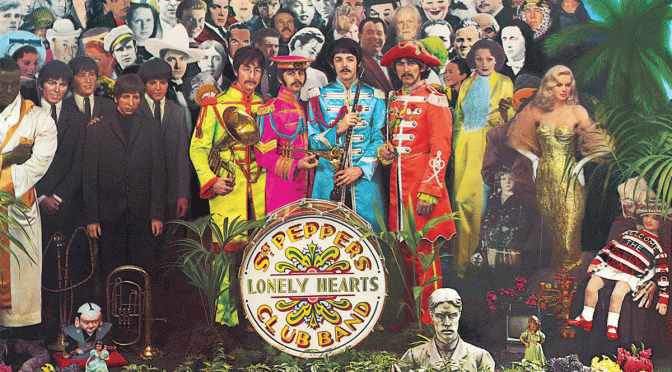
 Rock ’n’ roll, or even popular music, [was] often highly gendered and sexist. It certainly was paternalistic in the ’60s and prior, in terms of songs being directed at women as objects, women as needing to be “counseled” about love, [or] it was about coming on to them, even if it was just something innocent and romantic, “I Want to Hold Your Hand.” And the Beatles very consciously in 1965 began to change their tone. They created a very specific type of female character who would think for herself and did not need a man.
  Looking back at your favorite classic rock songs through the lens of today’s attitudes about women’s empowerment, male privilege, and even sexual violence can be cringeworthy at best. But just as they were trailblazers in music, film, fashion, and popular culture, the Beatles were ahead of their time in embracing feminism, argues Kenneth Womack, a well-known authority on the band and dean at Monmouth University, evolving from early patronizing “hey, girl” entreaties to songs filled with independent women who don’t need a man, not even a Beatle. Ideological Diversity, a Harvard Kennedy School student organization, hosts a free talk with Womack on Thursday about how the group explored issues of feminism, gender, and inclusion in ways few rock bands dared in the 1960s.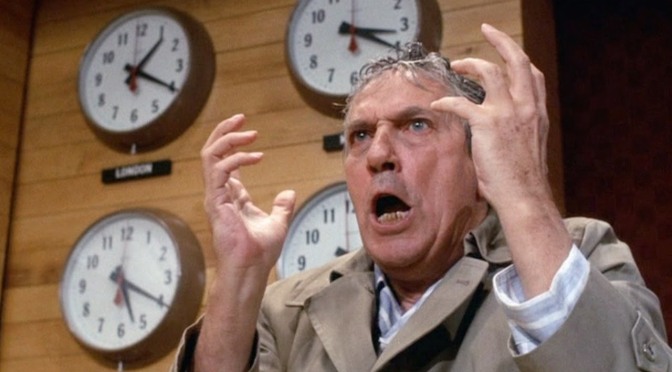








 Sleep problems may decrease the likelihood of recovery from chronic low
  Boomers Daily