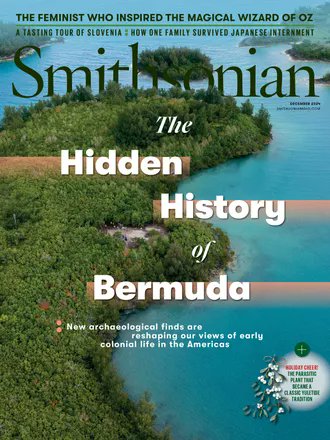
Smithsonian Magazine (November 21, 2024) –The latest issue features ‘The Hidden History of Bermuda’ – New archaeological finds are reshaping our views of early colonial life in the Americas…
What excavations in Bermuda are revealing about one of Britain’s first settlements in the Americas—and the surprising ways it shaped the New World. By Andrew Lawler. Photographs by Nicola Muirhead
The untold story of Matilda Gage, the freethinker who inspired her son-in-law L. Frank Baum’s classic novel “The Wonderful Wizard of Oz”. By Evan I. Schwartz
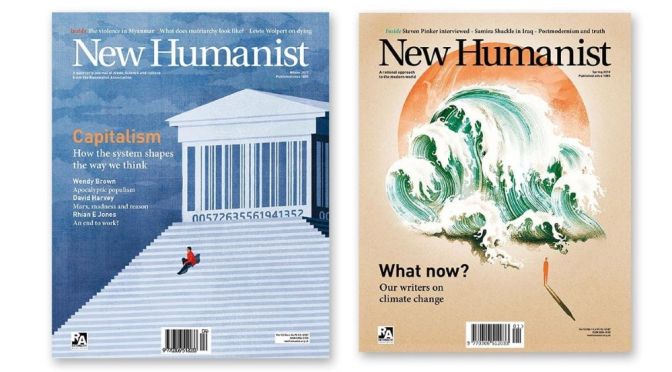
NEW HUMANIST MAGAZINE – WINTER 2024/2025 ISSUE: The new issue features ‘Our Cyborg Future?’
The new age of the cyborg?
Neurobiologist and journalist Moheb Costandi explores the rapidly-developing world of brain-computer interfaces. For some people, these devices are already transforming lives – but the technology is quickly overtaking the ethics.
A dangerous calculation
Peter Ward unpicks the dark philosophy of the tech billionaires and how it is infiltrating some of our most powerful organisations.
There’s a product for that
A recent film, The Substance, explored the growing pressure on all of us – particularly women – to modify our bodies, not only through make-up and cosmetic procedures but also through digital filters. Clare Chambers, professor of political philosophy at the University of Cambridge, talks to us about the power of resistance and allowing our bodies to be “good enough”.
New life in the veins
Peter Salmon recounts the bizarre history of blood transfusion – and why the super-rich remain fascinated by its possibilities.
The Economist (November 21, 2024): AI is driving a transformation across all fields of science, from developing drugs for incurable diseases and improving the understanding of animal communication to self-driving labs.
Video timeline: 00:00 – How AI is revolutionising science 02:53 – Drug discovery 04:31 – AlphaFold 05:30 – Adoption of AI in science 07:08 – Animal communication 09:26 – Scientific fraud 11:03 – Self-driving labs 14:36 – Future of AI in science
Could this prompt a new golden age of discovery? Video supported by @mishcon_de_reya
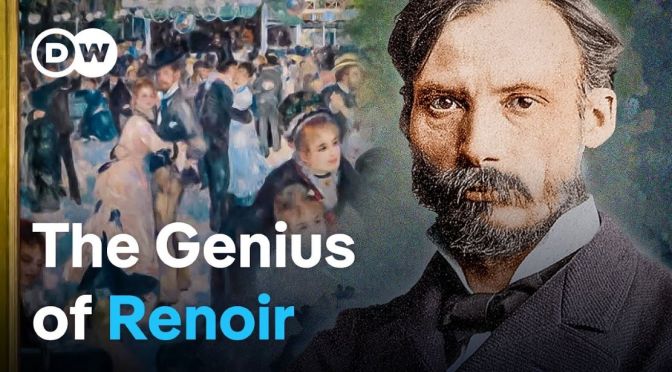
DW History and Culture (November 21, 2024): Discover the trailblazing spirit of Auguste Renoir, one of the founders of impressionism, whose canvases shattered centuries of artistic convention. In “Renoir – Portrait of Changing Times,” we see how Renoir took inspiration from the past, while transforming Parisian life undergoing societal change into timeless masterpieces.
Renoir’s impressionistic strokes capture the pulse of 1870s Paris, a city reeling from war and revolutionary change, whilst incorporating Rococo references. This documentary explores the genesis of Renoir’s vision, which melds tradition with the avant-garde. As his son later wrote, “Renoir loved fairy tales.
The everyday was like a fairy tale to him”. Like the fairytale world of Rococo Painting, Renoir’s impressionist works do not depict reality but create an alluring and beautiful fiction that still captures the imagination today.
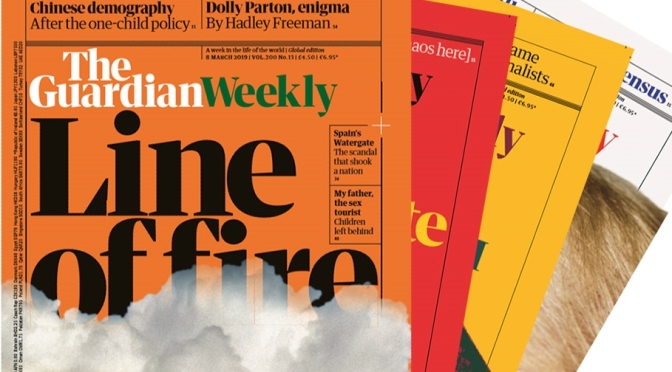
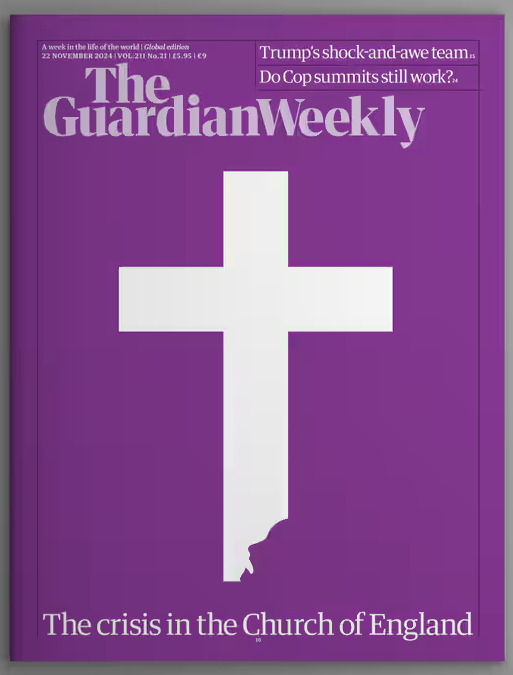
Existentialist crises might more commonly be associated with some who seek out religion, rather than with those religions themselves, but that’s where the Church of England has found itself in recent days.
The resignation of Justin Welby, the archbishop of Canterbury, followed a damning report into the church’s shameful failures over the serial child abuser John Smyth, which detailed even more disturbing details of cover-ups by some senior clergy.
1
Spotlight | Trump’s shock-and-awe team A flurry of controversial and extremist picks for Trump’s administration has provoked criticism and made heads spin. David Smith reports from Washington
2
Science | The inverse link between cancer and dementia Scientists have long been aware of a curious connection between these common and feared diseases. At last, a clearer picture is emerging, writes Theres Lüthi
3
Feature | Kernels of hope During the siege of Leningrad, botanists in charge of an irreplaceable seed collection, the first of its kind, had to protect it from fire, rodents – and hunger. By Simon Parkin
4
Opinion | Seven lessons from a long-serving economics editor From Thatcher to Trump and Brexit, the Guardian’s outgoing economics editor, Larry Elliott, reflects on his 28 years in the role.
5
Culture | Faking history Film and TV have a slippery relationship with the truth when it comes to historical epics. Simon Usborne meets the experts whose advice goes unheeded
Monocle Radio Podcast (November 21, 2024): The new US treasury secretary will have the power to shape the global economy with its tariff and tax policy.
Plus: should Iran be censured before the IAEA? Also, Peace Brigades International documents the threats faced by global human-rights activists and an interview with the founder of European Sleeper to mark the release of our latest ‘Monocle: The Entrepreneurs’ magazine.
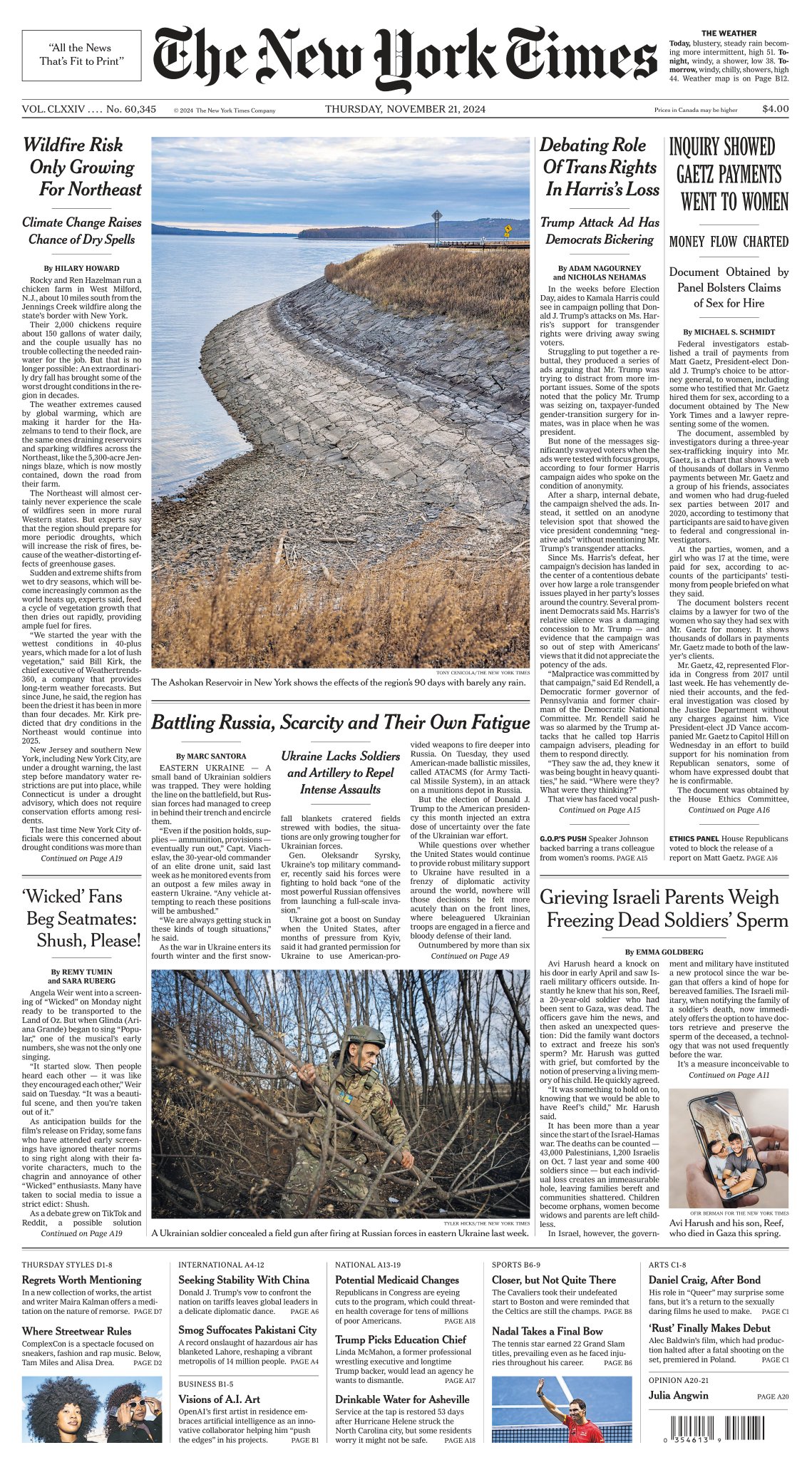
A document prepared by federal investigators bolsters claims by women who say they were hired for sex by Matt Gaetz, President-elect Donald J. Trump’s choice for attorney general, who denies wrongdoing.












 Boomers Daily