The New York Times — Thursday, Sept. 26, 2024

Image

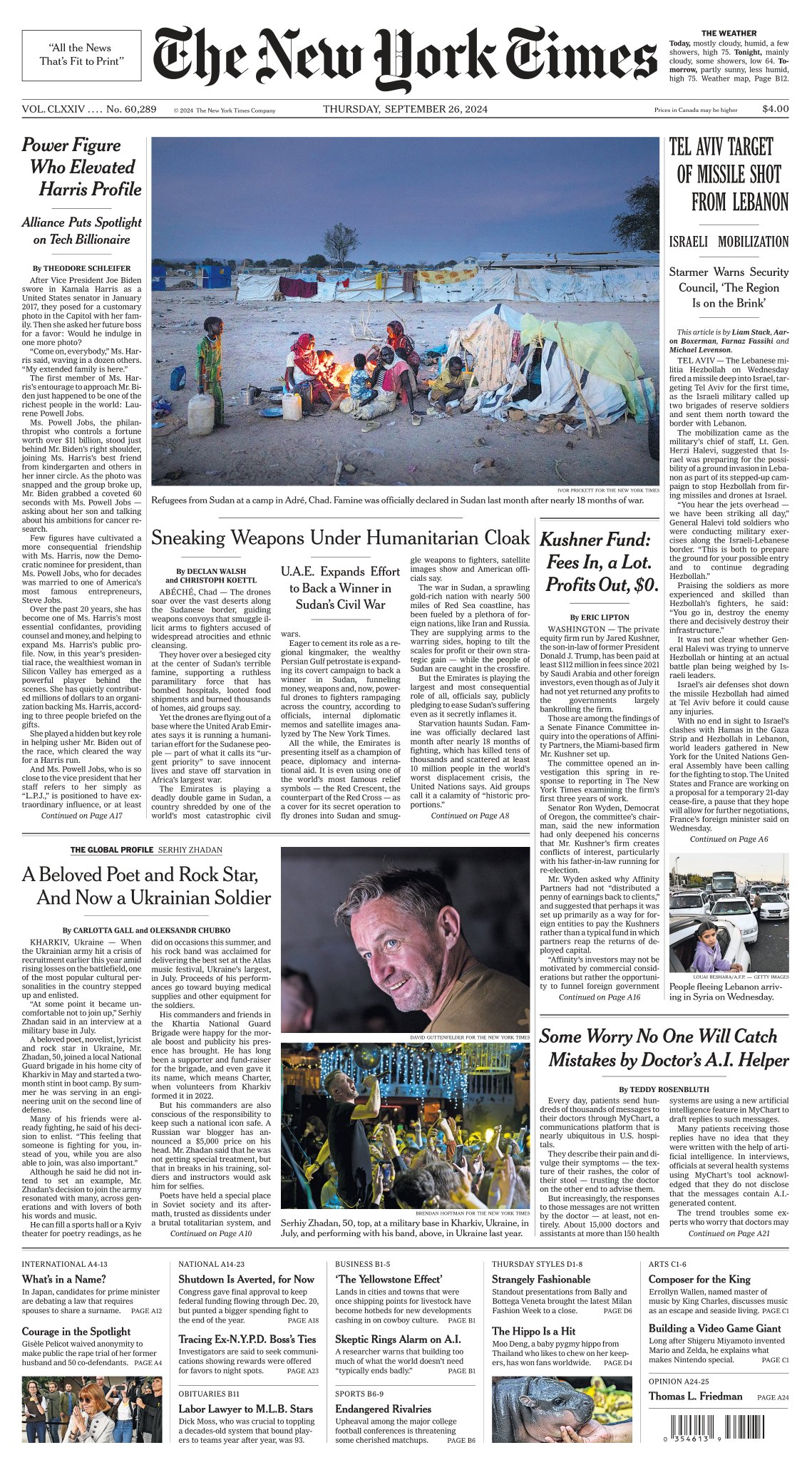
Hezbollah Targets Tel Aviv as Israel Moves Forces Toward Lebanon

A top Israeli military official hinted to soldiers of a possible ground invasion as the United States and France drafted a cease-fire proposal to try to stave off a broader conflict.

Kushner’s Fund Has Reaped Millions in Fees, but So Far Returned No Profits

The son-in-law of former President Donald J. Trump has said he has intentionally moved slowly to invest investors’ money, which came primarily from foreign entities.

How a U.S. Ally Uses Aid as a Cover in War

The United Arab Emirates is expanding a covert campaign to back a winner in Sudan’s civil war. Waving the banner of the Red Crescent, it is also smuggling weapons and deploying drones.

Behind Kamala Harris’s Rise: Silicon Valley’s Wealthiest Woman

The alliance between Kamala Harris and Laurene Powell Jobs is a genuine friendship that has thrust the press-shy billionaire philanthropist into the political spotlight.

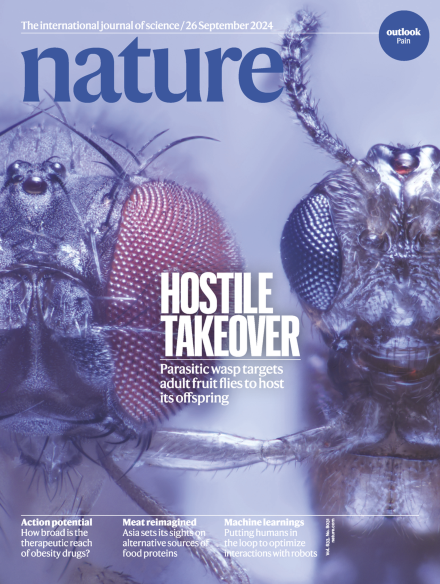
Research Preview: Nature Magazine – Sept. 26, 2024

Volume 633 Issue 8031

Nature Magazine – September 18, 2024: The latest issue features ‘Hostile Takeover’ – Parasitic wasp targets adult fruit flies to host its offspring…

Black holes as big as atoms might be speeding through the Solar System

Primordial black holes, which are smaller than their better-known cousins, visit the inner Solar System once a decade, simulations suggest.

This ‘scuba diving’ lizard has a self-made air supply

A bubble of air on its snout extends the water anole’s underwater time by more than a minute.

Thalidomide-like drug staunches bleeding from genetic disease

Severe nosebleeds caused by hereditary hemorrhagic telangiectasia dwindled in people who took a drug used to treat cancer

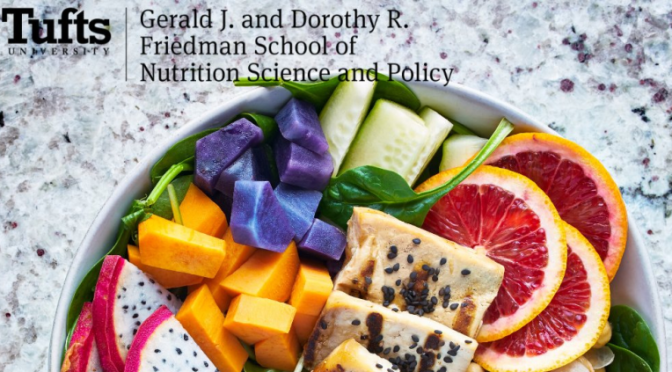
Reports: Tufts Health & Nutrition – October 2024

Tufts Health & Nutrition Letter (September 25, 2024): The new issue features

Healthy Meals with “Nothing” in the House

Stress and Your Health 

The Facts About Sugar Substitutes

Mushroom Mania

Myth of the Month: 
Canola oil is bad for you and should be avoided

Plant Power!

Current Affairs: Prospect Magazine – November 2024

Prospect Magazine - Britain's leading monthly current affairs magazine

Prospect Magazine (September 25, 2024) – The latest issue features ‘A Year Of Darkness’ – Horror and trauma in the Middle East…

The humiliation of trying to survive

Looking back at 7th October and the start of the Gaza war, a Palestinian writer reflects on a year of horror and trauma

Gender and race won’t hold Kamala Harris back

Fragments: when reality falls apart

Arts/Books: Times Literary Supplement – Sept. 27, 2024

Times Literary Supplement (September 25, 2024): The latest issue features ‘Body and Soul’ – Noel Malcolm on Diamaid MacCulloch’s history of sex and Christianity; Jean Genet’s lost drama; Becoming Lucy Sante; Poor little kids and How the compass got its points…

News: Biden Warns UN Of ‘Inflection Point’, Israel -Lebanon Attacks Intensify

Monocle Radio Podcast (September 25, 2024): Joe Biden delivers his final address as US president on “how the world should come together”; attacks across the border between Lebanon and Israel escalate; and why union leaders at Boeing have rejected a “best and final offer”.

Plus: we have the latest on the US election and headlines from the world of technology.

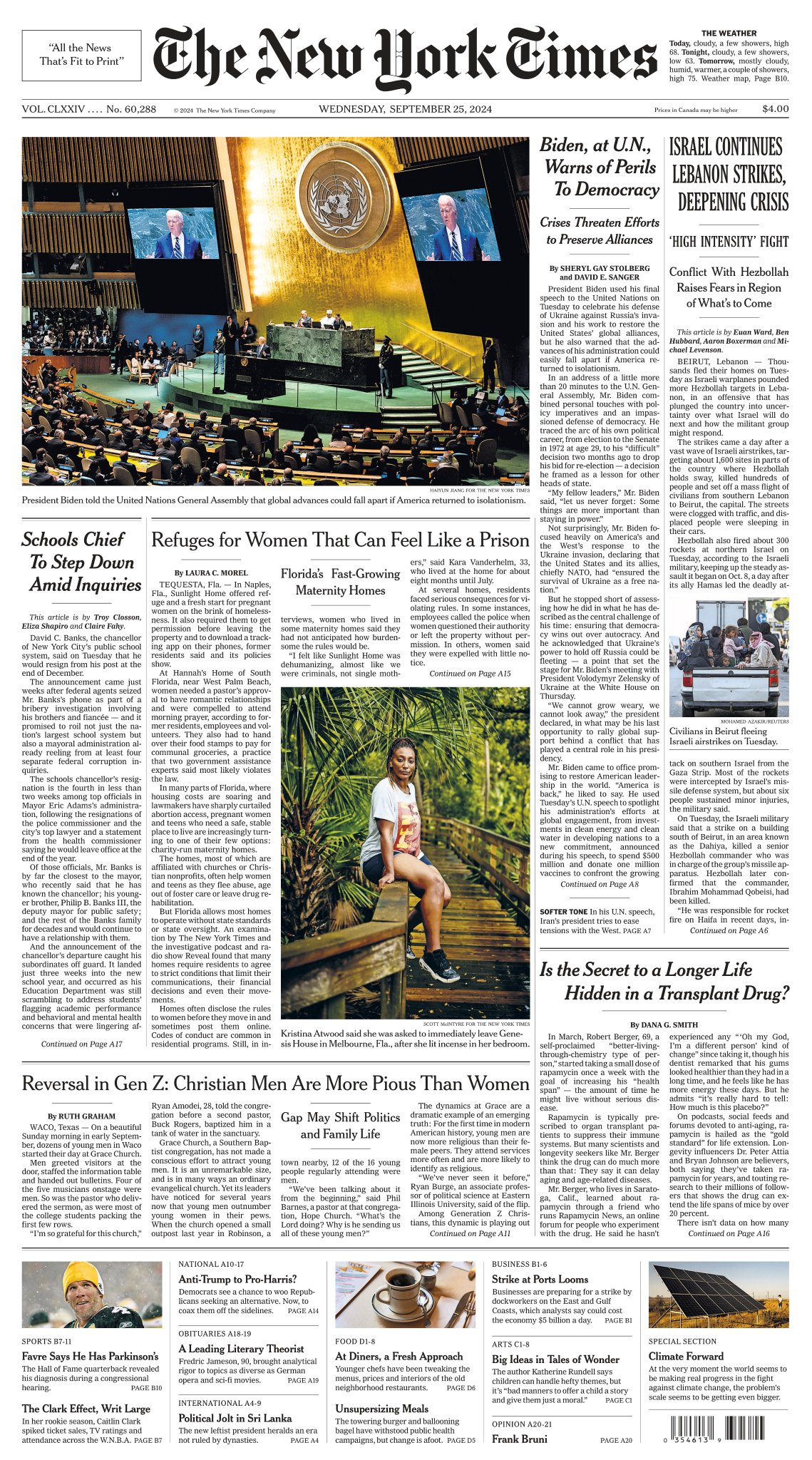
The New York Times — Wednesday, Sept. 25, 2024

Image

As U.N. Meets, Israel Pounds Targets in Lebanon, Sending Civilians Fleeing

Israel said it was striking Hezbollah targets with “high intensity” to keep the campaign as short as possible, as the Lebanese militants maintained their own cross-border barrage.

Biden Warns the World Is at an ‘Inflection Point’ Amid Global Crises

In his final U.N. speech, President Biden framed his decision to drop his bid for re-election as a lesson that “some things are more important than staying in power.”

These Voters Are Anti-Trump, but Will They Be Pro-Harris?

Democrats see an opportunity to win over right-leaning Americans who have recoiled from Donald Trump. The challenge is coaxing them off the sidelines.

These Maternity Homes Offer Sanctuary, but It Can Feel Oppressive

Unregulated homes are proliferating amid abortion restrictions and a housing crunch. Some limit residents’ movements, contacts and day-to-day decisions.

“Expedition Amazon”: The Beginnings Of The River

National Geographic (September 24, 2024): Presented by ‪@ROLEX‬ Over the course of two years, teams of Explorers on the Rolex and National Geographic Perpetual Planet Amazon Expedition have studied the Amazon River Basin from source to mouth – across six countries.

In this bonus material to National Geographic’s “Expedition Amazon” documentary, premiering on 10 October, National Geographic Explorers Thomas Peschak, Fernando Trujillo, Thiago Silva and Julia Tavares guide us from the farthest source of the river, the Nevado Mismi in Peru, to the official start of the Amazon at the Brazilian Meeting of the Waters.

Along the way we meet an adored Colombian rescue manatee named Moechi, and travel to rare Bolivian clearwaters, where gilded catfish are plentiful.

Design: Inside An NYC Townhouse Made Of Shipping Containers

Architectural Digest (September 24, 2024): “We just respond creatively to what humanity pushes aside.” Today AD is in Brooklyn, New York to tour a townhouse comprising 18 shipping containers.

Designers Ada Tolla and Giuseppe Lignano, founders of LOT-EK, have been using shipping containers in their work for 30 years, becoming pioneers in sustainable architecture.

Comprised of 18 containers from a yard in New Jersey, this townhouse exemplifies how humble materials can be turned into something extraordinary and pave the way for a more sustainable future.

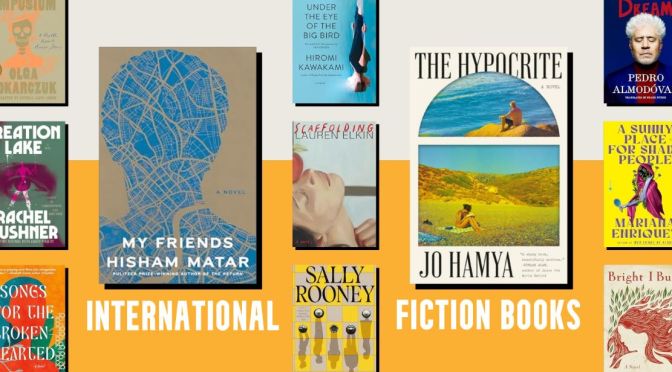
Book Reviews: Best Of International Fiction

Foreign Policy (September 20, 2024): The Mediterranean was the backdrop for much of FP’s summer reading. For the first installment of our new column about international fiction, we travel to two very different settings along this vast sea: Muammar al-Qaddafi’s Libya and modern Sicily. Plus, we highlight the buzziest releases in international fiction this month.


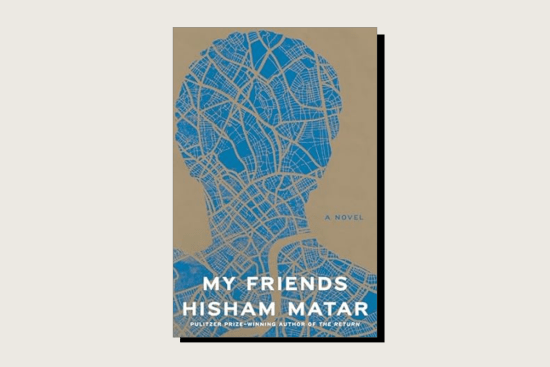
My Friends: A Novel

Hisham Matar (Random House, 416 pp., $28.99, January 2024)

Hisham Matar’s latest novel, recently longlisted for the 2024 Booker Prize, is about friendship and exile. Matar, a Libyan American writer based in London, was raised in a family of anti-Qaddafi dissidents and has made the tyrant’s maniacal rule the subject of most of his work.

In My Friends, Matar follows protagonist and narrator Khaled from his school days in Benghazi to the period following Qaddafi’s overthrow in 2011. After attending a 1984 anti-Qaddafi demonstration in London and landing on the dictator’s hit list, Khaled is forced to upend his quiet life as a university student in Edinburgh and start over in the British capital. (The real-life protest, where officials at the Libyan Embassy shot several protesters and killed a police officer, led Libya and Britain to sever ties.)

Khaled develops strong friendships with two fellow Libyans in London, Hosam and Mustafa. Unlike Khaled, both are unwavering in their political convictions. Although Khaled is opposed to Qaddafi’s regime, he is also aware of the costs—and futility—of speaking out. That Khaled’s criticism of Qaddafi’s Libya never leaves the private, rhetorical sphere is a point of contention between him and his friends. Ultimately, Hosam and Mustafa return to Libya in 2011 to join the militias fighting Qaddafi; Khaled remains in Britain, deeply insecure about his inaction.

Khaled’s decision to attend the 1984 protest was one he made hesitantly, so it is all the more shocking that his first brush with activism fundamentally altered the course of his life. Khaled’s father, an academic who resigned himself to a mid-level career under Qaddafi to avoid repression, had taught his son that it is “almost always best to leave things be.”

At its core, My Friends is a debate over whether, in the face of repression, such silence is a form of self-preservation or cowardice. This tension exists between the book’s main characters—the friends—as well as within Khaled’s own head. While Khaled’s exile led him to make great friends, his time in London is equally a painful experience of solitude. With Libyan phone lines tapped and mail pilfered by the regime, he has had to uphold a decades-long lie to his family about why he can no longer return home—all because he attended a single protest.

An author with an agenda might have sought to portray Hosam and Mustafa as valiant fighters whose sacrifices are rewarded, opposite Khaled, who prefers comfort to confrontation. But Libyan history does not follow a morally righteous narrative arc. At the end of the book, Libya becomes enveloped in a new crisis, and each friend seeks to find his place within it.—Allison Meakem


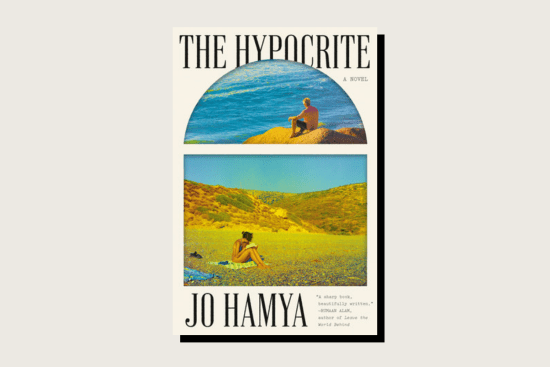
The Hypocrite: A Novel

Jo Hamya (Pantheon, 240 pp., $26, August 2024)

The Mediterranean is a time-honored stage for the psychosocial dramas of the elite. From British novelist John Fowles’s 1965 masterpiece, The Magus, to the entire Mamma Mia! franchise, fictional foreigners have long flocked to Greek and Italian isles to escape from—and, more often, confront—their heartbreaks and pathologies and familial squabbles. Often left out of these tales are the locals.

The Hypocrite by British author Jo Hamya at first seems like more of the same. It takes place over the course of one staging of a play about a summer that Sophia, the young playwright, once spent in Sicily’s Aeolian Islands with her father, a famous novelist whose work has aged poorly. It’s a smooth and often witty portrait of the upper-middle-class London art scene, written in the streamlined Rachel Cusk-esque register that defines much contemporary literary fiction.

Yet The Hypocrite also attempts to do something more. Although Sophia’s family dramas make up the bulk of the narrative, Hamya eventually shifts her focus to the family’s housekeeper in Sicily. She recalls that Sophia “was demanding in the worst way an English tourist could be.” Sophia didn’t try to learn even a little Italian. She and her father, the housekeeper thinks, were “lazy, messy people” who never bothered “to make her job easier with the simplest of acts.”

Hamya’s novel is part of the recent trend of examining who, historically, has been omitted in traditional narratives, especially ones set in locales that are under-resourced, exoticized, and deeply reliant on tourism. (Sicilians are European, yes, but they also live in one of Italy’s poorest regions.) In this regard, the novel is closer in spirit to HBO’s The White Lotus, the much-lauded send-up of the rich at a luxury resort chain (first in Hawaii, then in Sicily, and soon in Thailand), than many of its other predecessors.

Hamya does not dwell, however, on this upstairs-downstairs dynamic. Rather than skewering the careless interlopers, she aims for a bit more nuance, attending—if only fleetingly—to both the narrower interests of her protagonists and the invisible hands that helped set the stage for them that summer.—Chloe Hadavas