
Analysis: The Future Of Energy Policies In Europe

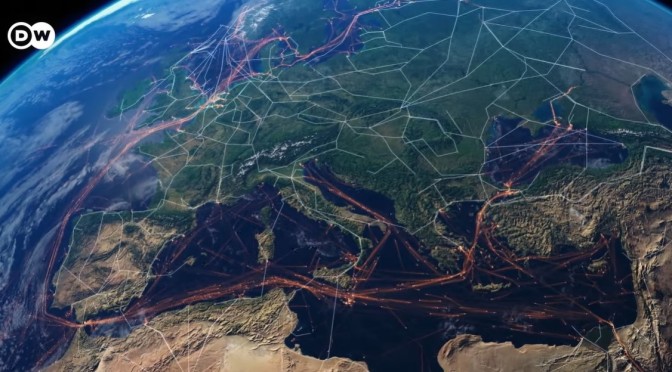
DW Documentary – Energy is life – these days, Europeans are experiencing that first-hand. For far too long, Europe has depended on coal, oil and gas imports from around the world. Not only have these fuels been driving the climate catastrophe, but they also serve as a dangerous bargaining chip for geopolitical interests.

Energy is essential — and it is a major problem. The war in Ukraine has shown just how dependent Europe is on fossil fuels. This has weakened Europe and given export countries – frequently governed by authoritarian rule – a geopolitical means of leverage. Now, war on the European continent has eclipsed concerns over the climate Crisis. The increased consumption of harmful fuels is creating economic and political problems.

Yet, against the odds, decarbonizing Europe remains a widespread priority, and alternative solutions are already available. In France, Denmark and Ukraine, civil initiatives are taking energy supplies into their own hands and investing in the joint production of their own solar energy. In some cases, privately produced solar energy has proven much cheaper than what national solar energy providers offer.

These initiatives show that decentralizing energy production could be the key to transforming our energy supply. Poland still depends heavily on coal, but is offering re-training programs for employees in the mining business to help them transition to green jobs. An estimated one million such green jobs are expected to be created in Europe by 2030. Green hydrogen, currently still in the development stages, could be a sustainable and profitable alternative for industries in the future.

Across the continent, workable alternatives are emerging. The current quick succession of political crises has now joined the ongoing climate crisis to show just how important it is to act now.
Walking Tours: Little Havana In Miami, Florida

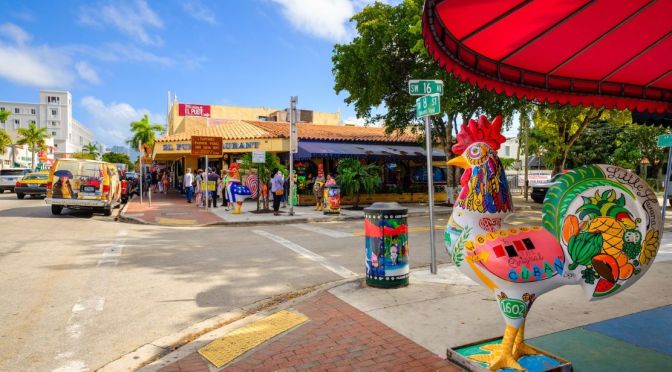
Little Havana is Miami’s vibrant Cuban heart, with Latin American art galleries and busy restaurants. Cafes with walk-up windows sell Cuban coffee to cigar-smoking patrons. On Calle Ocho (SW 8th Street), locals discuss politics over dominoes at Maximo Gomez Park, dubbed Domino Park by locals. The historic Tower Theater screens independent and revival films, while the area’s clubs host live Latin music.

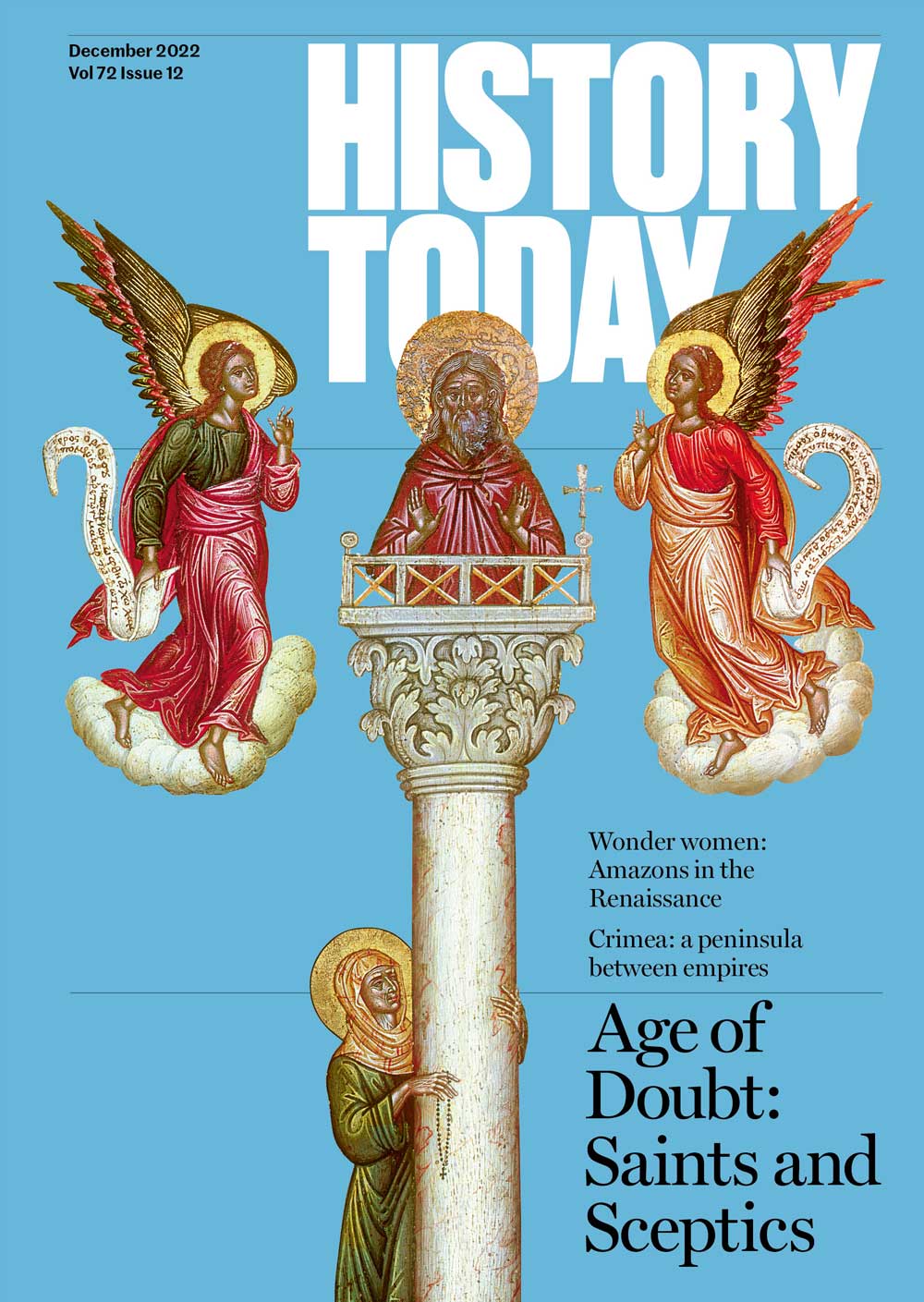
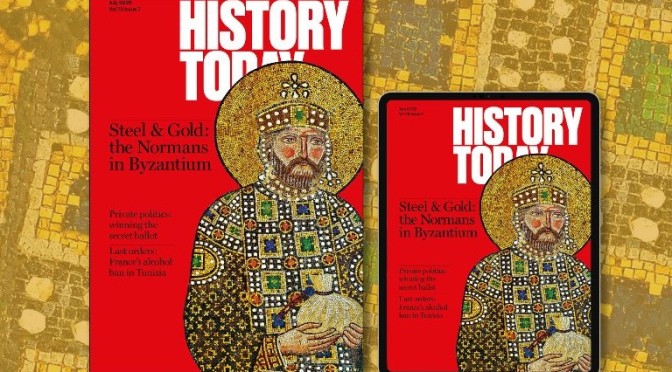
Preview: History Today Magazine – December 2022

December issue

Inside December 2022 issue:

Age of Doubt: Saints and Sceptics

The medieval period was a golden age of saints and miracles, but they were met with a healthy dose of scepticism.

‘A Baptism of Blood’

Fighting for the Union in the US Civil War, Welsh soldiers discovered that the cost of assimilation was the loss of their native language.

Renaissance Wonder Women

To Renaissance audiences, the mythical Amazons were exotic, mysterious and revealed hidden truths about their own society.

Architecture In China: Cloudscape Of Haikou

DezeenIn the first instalment of Dezeen’s new Concrete Icons series produced in collaboration with Holcim, MAD Architects founder Ma Yansong explains how his firm’s sinuous concrete library in Haikou, China encourages visitors to use their imagination.

Yansong is the first participant in Concrete Icons, a new video series profiling the most iconic contemporary concrete buildings by the world’s leading architects. The video focusses on MAD’s Cloudscape of Haikou, a library with a flowing form cast in white concrete located in a waterside park in Haikou on the island of Hainan.

Completed in 2021, the 1,000-square-metre structure houses a library, cafe, restrooms, showers, a nursery room, and bike storage, and acts as a waystation for visitors to the park. Speaking to Dezeen in an exclusive video interview filmed at MAD’s offices in Beining, Yansong explained how the building is designed to put visitors in a contemplative or imaginative state of mind.

Read more on Dezeen: https://www.dezeen.com/?p=1866618

The Cloudscape of Haikou

MAD Architects, led by Ma Yansong, has announced the opening of the Cloudscape of Haikou is located on the southern tip of China. A unique urban public and cultural space for citizens and visitors to Haikou, this flowing, sculptural concrete form was named as one of the “most anticipated architecture projects of 2021” by The Times of London.

A prominent port city on the southern tip of China, Haikou was once an important stop on the Maritime Silk Road. With the establishment of the Hainan International Tourism Island and Hainan Free Trade Zone, Haikou’s influence has seen a gradual resurgence in modern times. Meanwhile, Haikou’s government is also enriching the city’s cultural importance, through enhancing the social attributes of the city’s public spaces, and strengthening the connection between the city, humanities, and architecture. The Cloudscape of Haikou is one such culmination of this effort.

The Cloudscape of Haikou is the first of sixteen coastal pavilions commissioned by the Haikou Tourism and Culture Investment Holding Group to rejuvenate the historic port city, with the aim of improving public space along the coastline. Known as “Haikou, Pavilions by the Seaside,” the initiative invited teams of internationally recognized architects, artists, and interdisciplinary professionals to create sixteen landmark public stations.

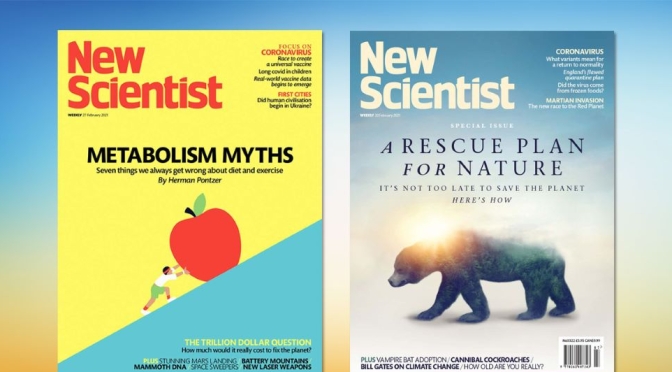
Preview: New Scientist Magazine – Nov 19, 2022

New Scientist Default Image

New Scientist – November 19, 2022 issue:

What is pain, how does it work and what happens when it goes wrong?

With a growing number of people living with pain, we desperately need to understand it – but we are still unravelling the mysterious mechanisms behind the phenomenon

  • FEATURES – Roger Penrose: “Consciousness must be beyond computable physics”
  • FEATURES – Why emotions can feel so painful – and what it means for painkillers
  • FEATURES – We are only just beginning to understand what causes nociplastic pain

Headlines: Missile Blast In Poland, China Lockdown Unrest, Protests In Iran

We report on what we know about the missile blast in Poland. Plus China’s Covid lockdowns fuel unrest, bird flu prompts fears of Christmas turkey shortages and a flick through today’s papers.

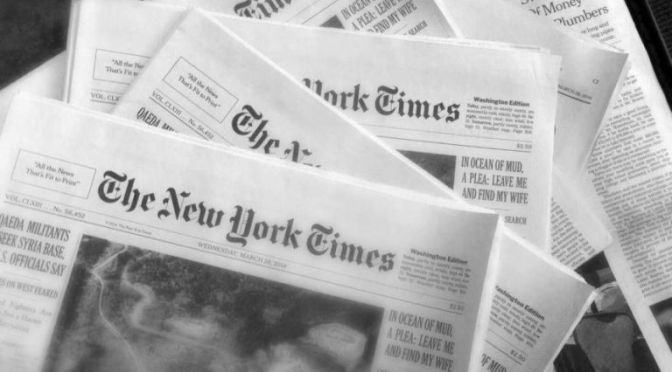
Front Page: The New York Times – November 17, 2022

Image

Republicans capture control of the House after falling short of midterm expectations.

After more than a week of counting, the Republican Party gained the 218 House seats needed to claim the majority, ushering in an era of divided government.

Same-Sex Marriage Rights Bill Clears a Crucial Senate Hurdle

Democrats made the same-sex marriage bill one of their first major agenda items in the postelection session, moving quickly to enact it while their party still controls both chambers.

NASA Blazes a Path Back to the Moon With Artemis Rocket Launch

The uncrewed flight of the giant Space Launch System on Wednesday began a new era of spaceflight amid a debate over how to finance rocket development.

Artist’s View: Wild Horse Trail Scenic Byway, Idaho

The Wild Horse Trail Scenic Byway—part of the International Selkirk Loop—begins in Sandpoint’s scenic downtown located on Lake Pend Oreille. The route follows the “Wild Horse Trail,” which was crucial for the Kootenai Tribe and settlers while this region of northern Idaho grew through the gold rush era. Visitors will travel from Sandpoint to the international border crossing in Porthill.

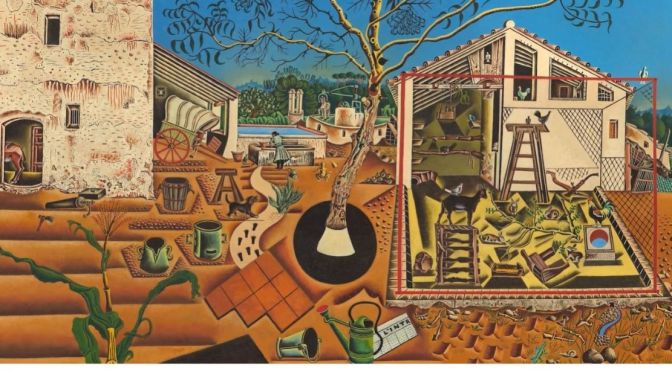
Art: Spanish Painter Joan Miró – ‘The Farm’ (1922)

National Gallery of Art – Joan Miró finished “The Farm,” his first masterpiece, 100 years ago. To celebrate, curator Harry Cooper and Joan Punyet Miró, Miró’s grandson, get together to tell the tale of this seminal painting from their perches at the National Gallery of Art in Washington, D.C. and Miró’s farm in Mont-roig del Camp, Spain. From Pablo Picasso in Paris to Earnest Hemingway in Cuba, you won’t want to miss the epic journey of Miró and his beloved “The Farm.”

Joan Miró i Ferrà was a Spanish painter, sculptor and ceramicist born in Barcelona. A museum dedicated to his work, the Fundació Joan Miró, was established in his native city of Barcelona in 1975, and another, the Fundació Pilar i Joan Miró, was established in his adoptive city of Palma in 1981.