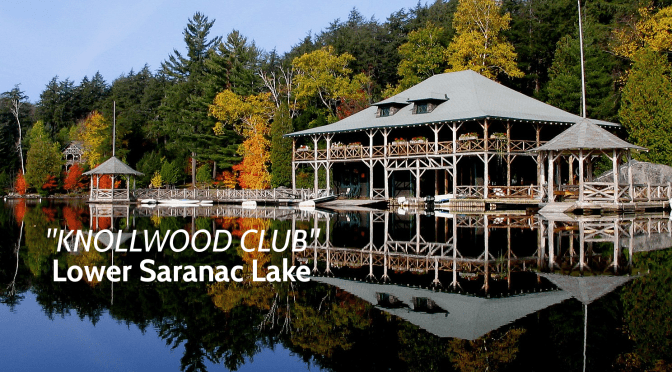
The foremost guide to the historic camps of the Adirondacks―a unique vernacular style of rustic architecture designed to complement the land. Now available in a  second and enlarged edition, here is the foremost guide to the historic camps within America’s spectacular forest preserve, the six million acre Adirondack Park.
When first published in 1982, Great Camps of the Adirondacks launched a campaign for the preservation of these architectural treasures while also sparking a trend in great camp-inspired home design, a cohesive approach to building that author Harvey H. Kaiser named Adirondack Rustic Style.

In this second edition, preservationists will find a success story. Designers and builders will discover page after page of inspiration. All readers will see the history of a region unfold as Americans from the mid-1870s to the late-1930s, including the very wealthiest New Yorkers, sought out the wilderness. The camps they built as private seasonal retreats are distinguished both as architectural responses to the Adirondack environment in the use of logs and stone, and as successful examples of buildings blended into the forest and the natural contours of the mountains and lakes―homes built to serve as beautiful complements to the land itself.
Harvey H. Kaiser served as the Senior Vice President for Facilities Administration and University Architect at Syracuse University between 1972 and 1995. His 1982 book Great Camps of the Adirondacks popularized the term “Great Camps” to refer to the grand summer residences that wealthy families built in the Adirondack Mountains in the nineteenth century, and revitalized interest in these sites. Several studies on western national park architecture culminated in his 2008 book The National Park Architecture Sourcebook.
Steven Engelhart is the executive director of Adirondack Architectural Heritage (AARCH) located in Keeseville, New York. AARCH is a private, nonprofit. historic preservation organization for New York State’s Adirondack Park, whose mission is to promote better public understanding, appreciation, and stewardship of the region’s architecture, communities, and historic sites.
Read more or purchase



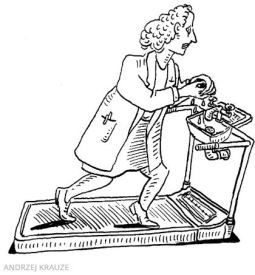 otherwise, long before this latest global pandemic. Cancer, the focus of this issue, is ubiquitous, and one would be hard pressed to find a person anywhere on Earth whose life wasn’t in some way touched by the complex and vexing malady.
 Food and medicine shopping is essential during the COVID-19 pandemic, but requires getting out and standing close to strangers at a time when social distancing and sheltering-in-place are recommended to slow spread of disease.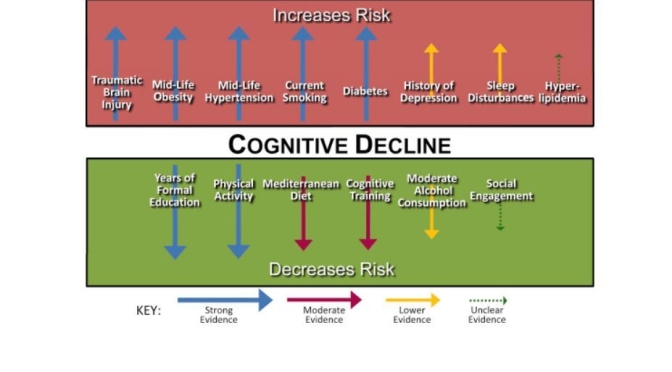
 This relationship between higher glucose levels and poorer cognitive functioning extended beyond just CASI z-score, as well, Cukierman-Yaffe noted. Higher HbA1c levels were also tied to significantly poorer performance in other psychological tests, including the clock making test of executive functioning, test of discriminative ability, and for the test of verbal fluency.

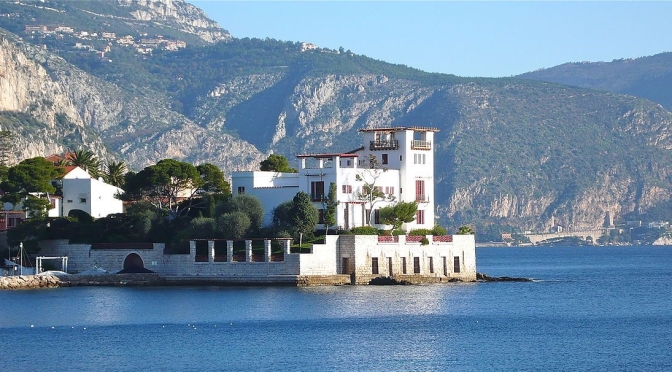
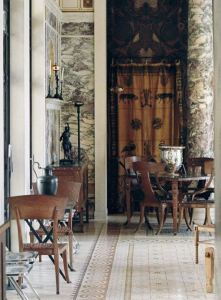 Throughout, the attention to detail is meticulous: mosaic floors of mythical beasts; intricately painted ceilings of interlocking wooden beams. The walls of the Andron, traditionally the male quarters of an ancient Greek household, are streaked with three types of Tuscan marble: ochre Siena, mauve Fleur de Pêcher, and grey-white Carrara. In Mrs Reinach’s bathroom, an immense bathtub weighing one tonne is balanced on two lion paws. Above its ornamental bronze taps, a low-relief frieze depicts the chariot of Demeter. From every window stretches a panorama of glittering blue.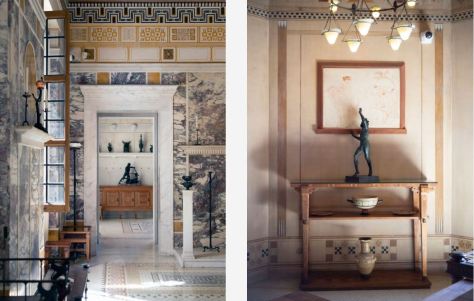
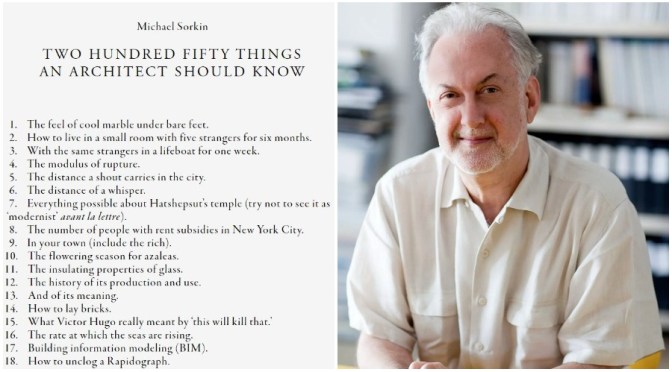
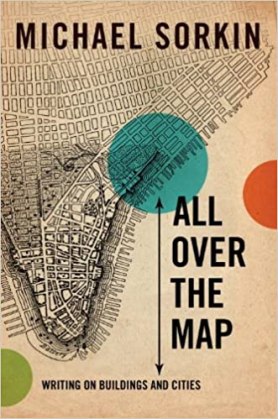 Ultimately he was a humane critic of the contemporary city, a serious, funny and poetic voice defending the powerless against big capital and an articulator of how architecture should be used as a tool of resistance. He is indelibly associated with New York, a city he loved with a fervour despite its faults, and of which he defended every inch as a public good. Number 210 in his list was the medieval German phrase ‘Stadtluft macht frei’ – ‘city air makes you free’. He will survive through his magical writing, which makes us all a little freer.
 Boomers Daily