

From a Wall Street Journal online article:
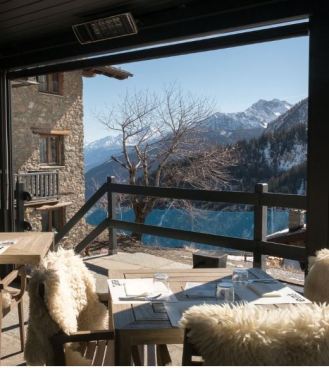
Courmayeur, both a town and a ski resort, boasts nearly as many ambitious, full-service restaurants as it does lifts on the slopes. Even on bright sunny days with powdery trails, the big question tends to be, “What’s for lunch?” The village, nestled in a snug valley on the south slope (the Italian side) of Mont Blanc, Europe’s highest peak, is a typically sleepy mountain town for much of the year with around 3,000 full-time residents. But when the ski season kicks into high gear, its restaurants, bars and cafes all come roaring to life. It’s a favorite winter escape for residents of Italy’s fashion capital, Milan, a straight two-hour shot up the highway.
For the urbane crowds in from the city on winter weekends, Courmayeur is as much an epicurean as snow-sports destination, known for its mountain cheeses, wild game and cured meats, and for its increasingly serious restaurants. Top tables on and off the slopes can book up weeks in advance. The region’s minerally white and earthy red wines come from some of the highest altitude vineyards in Europe. The sparkling Cuvée des Guides is made 7,000 feet above sea level on the slopes of Mont Blanc, with a tasting room atop one of the state-of-the-art Skyway Monte Bianco cable car stations.
To read more: https://www.wsj.com/articles/an-italian-ski-town-where-the-food-rivals-the-views-11574791692


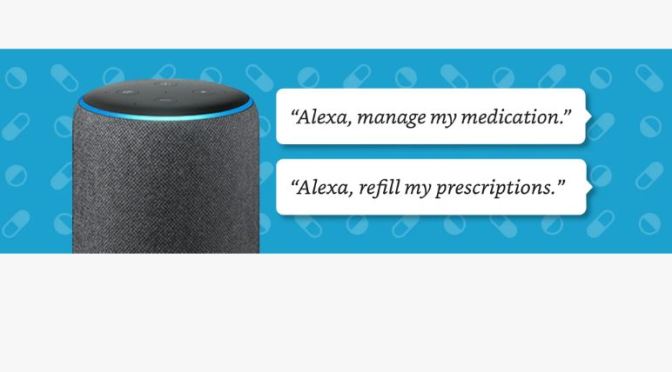
 Any customer with an active prescription and an Alexa-enabled device will be able to access the medication management skill on the device, a Giant Eagle spokesperson told CNBC. Rachel Jiang, who leads the Amazon Alexa health and wellness team, said the company began developing the skill after noticing that customers were using the devices to create medication reminders.
 “What you want is more, small fat cells rather than fewer, large fat cells,” Jackson said. “A large fat cell is not a healthy fat cell. The center is farther away from an oxygen supply, it sends out bad signals and it can burst and release toxic contents.” Large fat cells are associated with insulin resistance, diabetes and inflammation, he added.
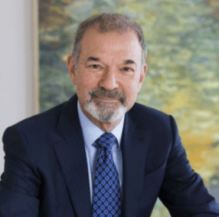 An infinite number of things happen; we bring structure and meaning to the world by making art and telling stories about it. Every work of literature created by human beings comes out of an historical and cultural context, and drawing connections between art and its context can be illuminating for both. Today’s guest, Stephen Greenblatt, is one of the world’s most celebrated literary scholars, famous for helping to establish the New
 Historicism school of criticism, which he also refers to as “cultural poetics.” We talk about how art becomes entangled with the politics of its day, and how we can learn about ourselves and other cultures by engaging with stories and their milieu.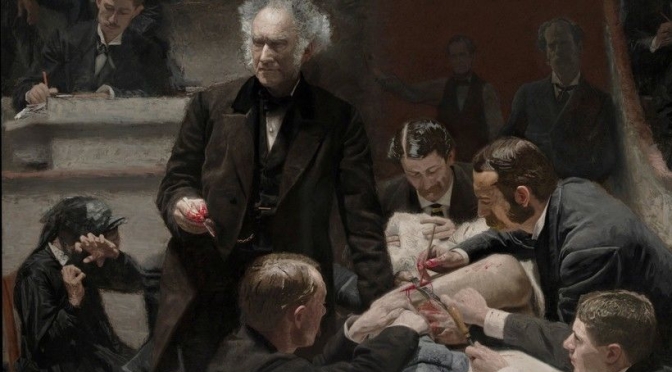
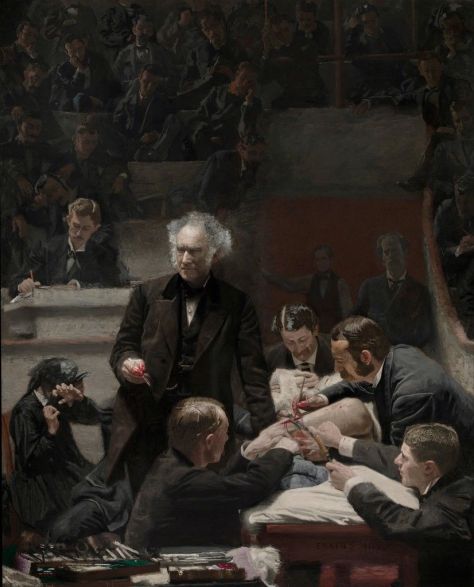



 For the second year in a row, editors at The New York Times got together for a live taping of the podcast to discuss the Book Review’s list of the year’s 10 Best Books. “These are books that we think will endure, that will be looked at and read and consulted and referred to well after the year in which they were named,” says Pamela Paul, the editor of The New York Times Book Review, as part of her introductory remarks about what the editors look for in their selections.



 The purpose of the centers is to increase customers’ understanding of Medicare, match them with people who can talk with them about their benefits or new plans to enroll in, and access in-store annual wellness visits.
 Professional Canadian athlete Justin Kelly celebrates retirement by hitting the road on his motorcycle and enjoying the waves in Malibu. Share in Justin’s vision for sustaining his love for travel after retiring his #27 jersey and completing a remarkable ice hockey career.
 Boomers Daily