
 The Wall Street Journal looks at how air travel will change and what it will be like to fly after the pandemic.
 The Wall Street Journal looks at how air travel will change and what it will be like to fly after the pandemic.
 Staff Writer Kelly Servick joins host Sarah Crespi to talk about the ins and outs of coronavirus contact tracing apps—what they do, how they work, and how to calculate whether they are crushing the curve.
 Edward Gregr, a postdoctoral fellow at the Institute for Resources, Environment, and Sustainability at the University of British Columbia, Vancouver, talks with Sarah about the controversial reintroduction of sea otters to the Northern Pacific Ocean—their home for centuries, before the fur trade nearly wiped out the apex predator in the late 1800s. Gregr brings a unique cost-benefit perspective to his analysis, and finds many trade-offs with economic implications for fisheries For example, sea otters eat shellfish like urchins and crabs, depressing the shellfishing industry; but their diet encourages the growth of kelp forests, which in turn provide a habitat for economically important finfish, like salmon and rockfish.
 This week, the spaceborne lab that allows investigation of quantum states, and the debate surrounding how mountain height is maintained.
In this episode:
01:18 Space lab
Scientists have built a lab on the international space station, allowing them to remotely investigate quantum phenomena in microgravity. Research Article: Aveline et al.; News and Views: Quantum matter orbits Earth
08:37 Research Highlights
Trackable ‘barcode’ bacteria, and physicists simulate near light speed cycling. Research Highlight: ‘Barcode’ microbes could help to trace goods — from lettuce to loafers; Research Highlight: What Einstein’s theory means for a cyclist moving at almost light speed
10:48 Maintaining mountain height
For a long time many researchers have thought that mainly erosion controls the height of mountains, but new research suggests that tectonic forces play a bigger role. Research Article: Dielforder et al.; News and Views: Mountain height might be controlled by tectonic force, rather than erosion
16:12 Pick of the Briefing
We pick our highlights from the Nature Briefing, including how sleep deprivation kills, and a monumental Maya structure hidden in plain sight. Quanta Magazine: Why Sleep Deprivation Kills; National…
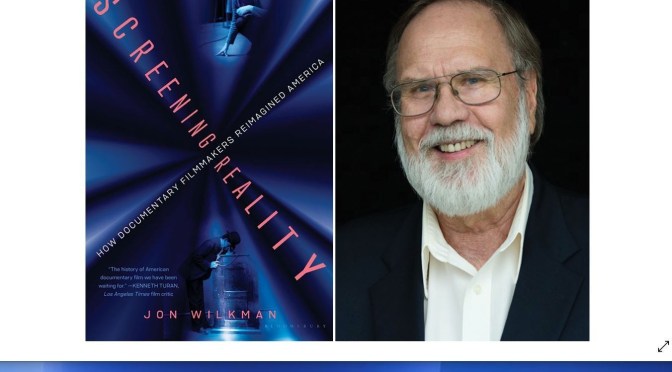
New Books in History talks to Professional filmmaker Jon Wilkman, who draws on his own experience, as well as the stories of inventors, adventurers, journalists, entrepreneurs, artists, and activists who framed and filtered the world to inform, persuade, awe, and entertain.
Screening Reality: How Documentary Filmmakers Reimagined America (Bloomsbury, 2020) is a widescreen view of how American “truth” has been discovered, defined, projected, televised, and streamed during more than one hundred years of dramatic change, through World Wars I and II, the dawn of mass media, the social and political turmoil of the sixties and seventies, and the communications revolution that led to a twenty-first century of empowered yet divided Americans.
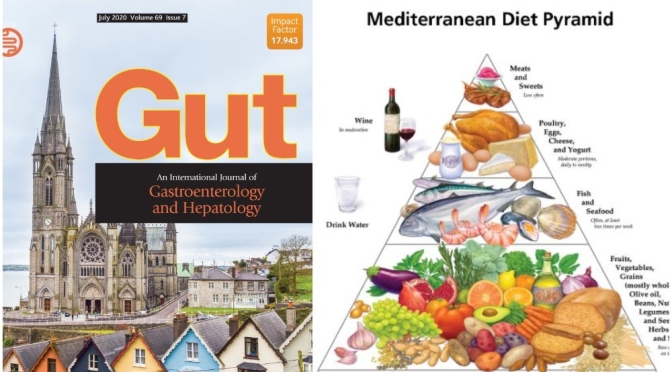
We observed that increased adherence to the MedDiet modulates specific components of the gut microbiota that were associated with a reduction in risk of frailty, improved cognitive function and reduced inflammatory status.
Dr Philip Smith, Digital and Education Editor of Gut and Consultant Gastroenterologist at the Royal Liverpool Hospital interviews Professor Paul O’Toole; who is Professor of Microbial Genomics, Head of School of Microbiology and Principal Investigator in APC Microbiome Ireland, an SFI funded centre at University College Cork, Ireland, on “Mediterranean diet intervention alters the gut microbiome in older people reducing frailty and improving health status: the NU-AGE 1-year dietary intervention across 5 European countries” published in paper copy in Gut in July 2020.
A selection of three essential articles read aloud from the latest issue of The Economist. This week: Police violence, race and protest in America, How will China’s Belt and Road Initiative survive? (10:30) And, Alexander Pushkin’s productive lockdown (23:10).
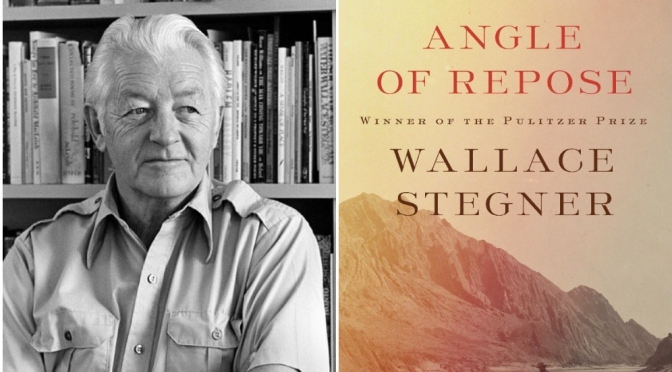
Wallace Earle Stegner (February 18, 1909 – April 13, 1993) was an American novelist, short story writer, environmentalist, and historian, often called “The Dean of Western Writers”. He won the Pulitzer Prize in 1972 and the U.S. National Book Award in 1977.
First up this week, Staff Writer Meredith Wadman talks with host Sarah Crespi about how male sex hormones may play a role in higher levels of severe coronavirus infections in men. New support for this idea comes from a study showing high levels of male pattern baldness in hospitalized COVID-19 patients.
Next, Jason Qian, a Ph.D. student in the systems biology department at Harvard Medical School, joins Sarah to talk about an object-tracking system that uses bacterial spores engineered with unique DNA barcodes. The inactivated spores can be sprayed on anything from lettuce, to wood, to sand and later be scraped off and read out using a CRISPR-based detection system. Spraying these DNA-based identifiers on such things as vegetables could help trace foodborne illnesses back to their source. Read a related commentary piece.
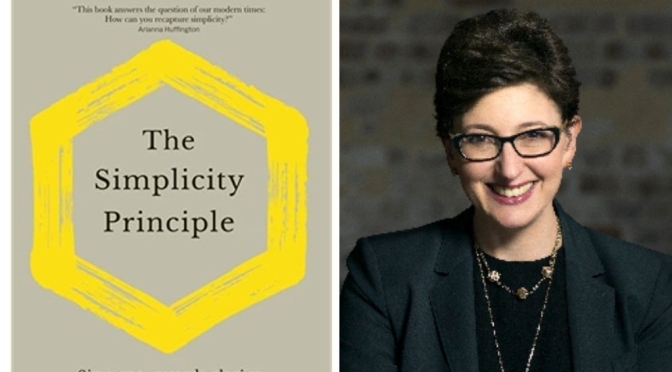
J ulia Hobsbawm is a writer, speaker, social entrepreneur and strategist whose work focuses on finding solutions for humans in an ever-changing world. She speaks to Georgina Godwin about her latest book, ‘The Simplicity Principle: Six Steps Towards Clarity in a Complex World’.
In this audio interview conducted on June 3, 2020, the editors discuss two new studies: one comparing test swabs collected by health care workers with swabs collected by the patients themselves and one assessing hydroxychloroquine treatment in people who had been exposed to Covid-19 but weren’t yet ill.
The continuing spread of SARS-CoV-2 remains a Public Health Emergency of International Concern. What physicians need to know about transmission, diagnosis, and treatment of Covid-19 is the subject of ongoing updates from infectious disease experts at the Journal.
Eric Rubin is the Editor-in-Chief of the Journal. Lindsey Baden is a Deputy Editor of the Journal. Stephen Morrissey, the interviewer, is the Executive Managing Editor of the Journal.


 Boomers Daily