In this issue, Kim Tingley on the quest to make the most of our body clocks with “circadian medicine”; Virginia Eubanks on her partner’s PTSD and her struggle as a caregiver; Mark Binelli on Yuval Sharon, the most visionary opera director of his generation; Jake Bittle on the restaurateur who changed America’s energy industry; and more.
The hype about TikTok is justified—and so are the concerns. There’s a reason why the world’s most exciting app is also its most mistrusted https://econ.st/3bQE9JX
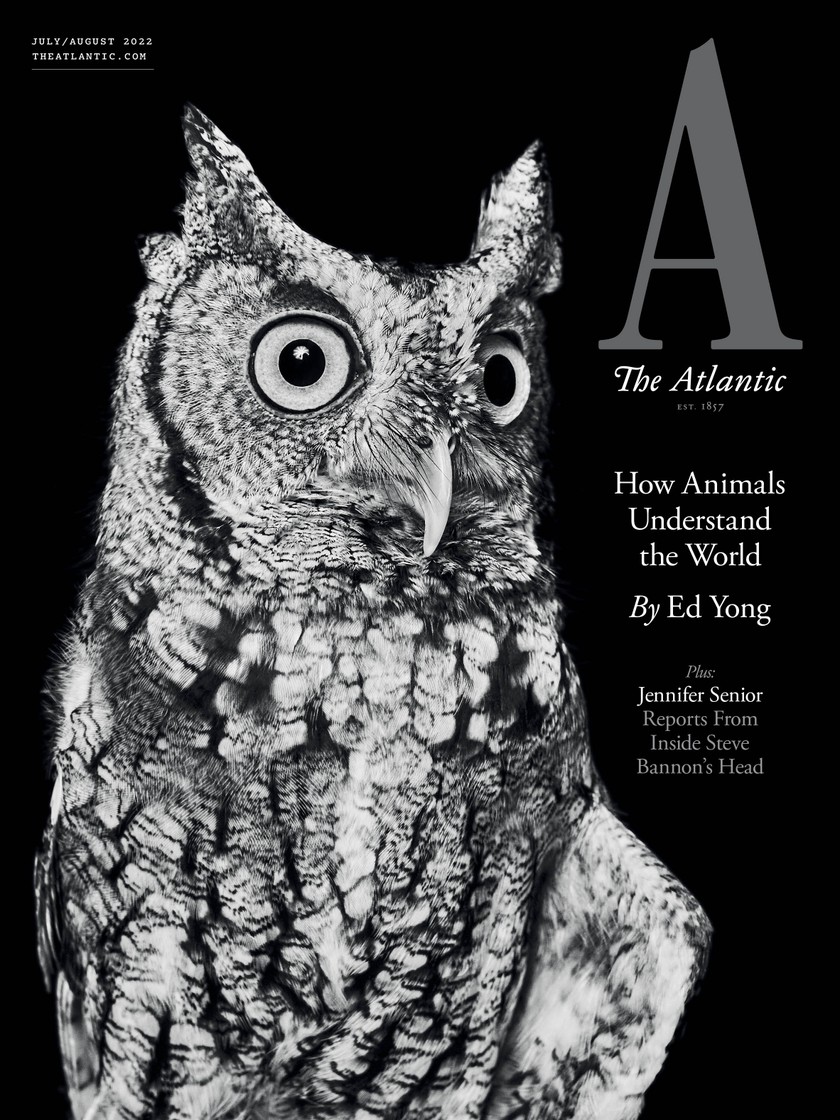
How animals perceive the world, a return to Chagos, Steve Bannon, and a mad hunt for Civil War gold. Plus Jack White, how the U.S. has no nuclear strategy, dad rage, Ulysses at 100, one family’s doll test, downsides of beach resorts, and more.
COVER STORY
How Animals Perceive the World – Every creature lives within its own sensory bubble, but only humans have the capacity to appreciate the experiences of other species. What we’ve learned is astounding.
FEATURES
American Rasputin – Steve Bannon is still scheming. And he’s still a threat to democracy.
They Bent to Their Knees and Kissed the Sand – Half a century ago, the British government forcibly removed 2,000 people from a remote string of islands in the middle of the Indian Ocean. They’ve never stopped struggling to return.
Attirement of the Bride is an example of Max Ernst’s veristic or illusionistic Surrealism, in which a traditional technique is applied to an incongruous or unsettling subject. The theatrical, evocative scene has roots in late nineteenth-century Symbolist painting, especially that of Gustave Moreau. It also echoes the settings and motifs of sixteenth-century German art. The willowy, swollen-bellied figure types recall those of Lucas Cranach the Elder in particular. The architectural backdrop with its strong contrast of light and shadow and its inconsistent perspective shows the additional influence of Giorgio de Chirico, whose work had overwhelmed Ernst when he first saw it in 1919.
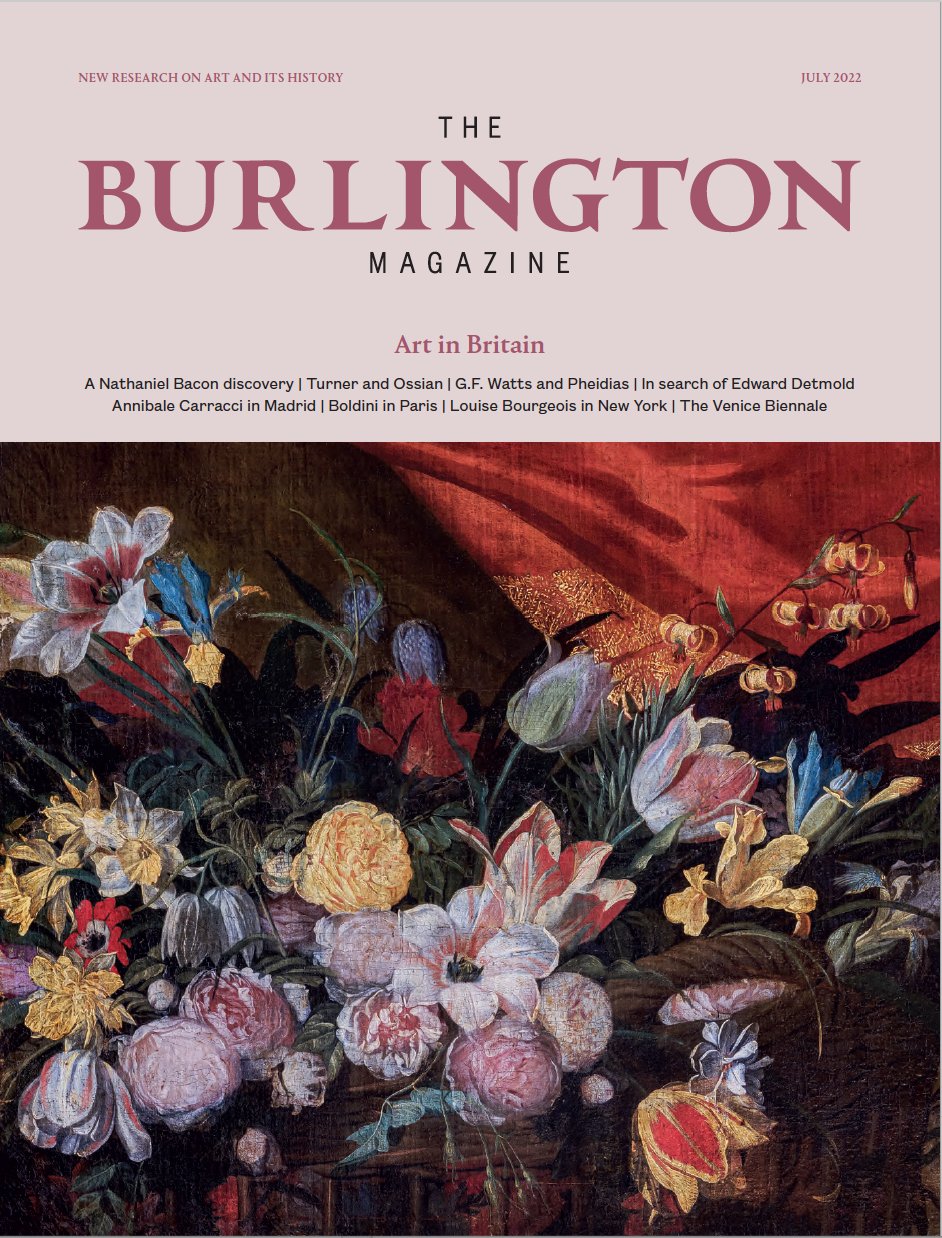
‘Je vois red’ raged Louise Bourgeois (1911–2010) on one of the loose sheets of paper that she made notes on, most often about herself and her work and, in this case, about the painting Natural history #2 (1944; Easton Foundation, New York), which struck her as all going wrong. Slipping between two languages, Bourgeois’s fury conforms to the themes of rage, the death drive and childhood aggression that the art historian Mignon Nixon has traced in the artist’s work in reference to the ideas of the psychoanalyst Melanie Klein.
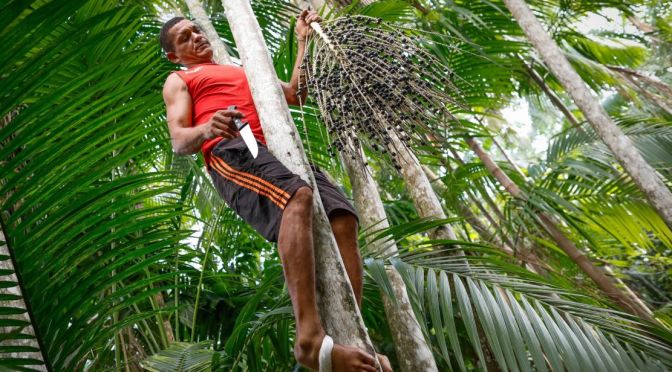
Most of the world’s açaí comes from the Amazon rainforest. People risk their lives to harvest the fruit, climbing palm trees that can grow taller than 50 feet. And while açaí has become one of the trendiest superfoods in recent decades, small farmers aren’t seeing a lot of the profits. The açaí industry has also taken heat over reports of child labor. We went to Brazil to find out how the world’s açaí gets from the Amazon to smoothie shops around the world.
The açaí palm, Euterpe oleracea, is a species of palm tree cultivated for its fruit, hearts of palm, leaves, and trunk wood. Global demand for the fruit has expanded rapidly in the 21st century, and the tree is cultivated for that purpose primarily
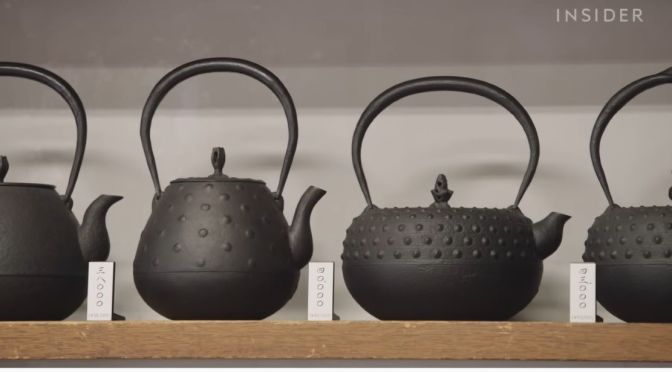
A handmade Japanese iron kettle can cost over $300. For centuries, artisans have made kettles by pouring molten iron into molds and hammering them out once they’ve cooled. These kettles often have beautiful designs but they’re only used for boiling water. You can buy a mass produced stovetop kettle for $20, so what makes these kettles unique? And why are they so expensive?
Monocle’s Georgina Godwin and the political journalist Terry Stiastny explore the day’s weighty papers and we hear from Denmark’s foreign minister, Jeppe Kofod.
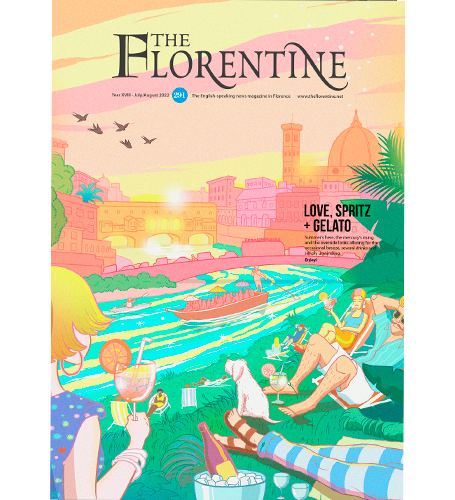
My forearms are sticking to the desk as I type this month’s letter.It’s an irksome feeling that’s offset by last night’s joy of dancing wildly at a wedding and an afternoon dip in a kind friend’s swimming pool. Summer in Florence is an intoxicating mix of sweat, fun and gelato. While many of us escape to our countries of origin for as long as we can, there’s something undeniably alluring about these sun-streaked months in Tuscany. Just think back to movies such as Stealing Beauty and Under the Tuscan Sun before fast forwarding to recent Netflix films Toscana and Love & Gelato. Stereotypes aside—and there are far too many to mention in these productions (Netflix, we’re here if you fancy delving deeper into our city and region!)—summer in Florence never stops working its inexplicable magic. Yes, the wall of heat and buzz of mosquitoes may be draining during the day, but the night brings boundless pleasures, from movie nights by the Uffizi to exhibitions at just-reopened Forte di Belvedere, refreshing beers beside the Arno and brilliantly oddball cultural moments such as a wheat threshing festival in the hills (find out more about that gem on page 16).
News, Views and Reviews For The Intellectually Curious








 Boomers Daily