From a LitHub online article by Chip Walter, 69:
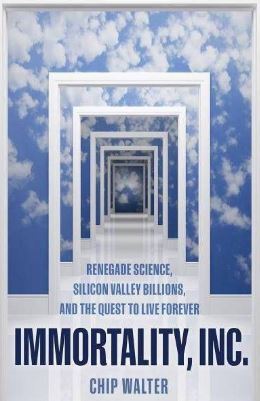 And what if older neurons were replaced wholesale with new stem cells? They might scramble different sectors of the brain by destroying the new connections between the originals. Fiddle with those, and who knew what mayhem might follow? Memories, learning, and other cerebral functions that the brain had grown accustomed to might simply vanish. On the other hand, in the case of a disease like Alzheimer’s, maybe new memories would be better than no memories at all.
Robert Hariri’s views on human health began to take an unusual turn a little more than 25 years ago, when he was working as a neurosurgeon and trauma doctor at the New York Hospital-Cornell Medical Center. Day after day, he watched patients come into the emergency room with severe brain injuries, and it was a painful thing to witness.
He never forgot the case of a woman who had arrived after a senseless automobile accident. She was young, and the injury was bad. Every time he spoke with the family, the big questions they asked were: “How will she be? Will she come back? Could she be a mother to her children again?” It broke his heart.
Read more
William J. (Chip) Walter Jr. (born May 23, 1951) is an author, journalist, National Geographic Fellow, educator, filmmaker and former CNN bureau chief. He has written five mainstream science books between 1991 and 2019. Walter was one of the original employees at Cable News Network when it went on the air June 1, 1980 and later became its youngest bureau chief when he created CNN’s first Southeast Bureau in 1981 before heading up the network’s San Francisco Bureau in 1982. He has written and produced several PBS science documentaries, served as an adjunct professor at Carnegie Mellon University in three different departments, worked with UNICEF on the issue of childhood trauma, spoken at Harvard, Xerox PARC, Carnegie Mellon University and the Chautauqua Institution. One of his three original screenplays was produced and released under the title Sunset Grill in 1993 starring Peter Weller, Lori Singer and Stacy Keach. In 2015 his feature story for National Geographic Magazine explored the origins of human art and symbolic thinking.
From Wikipedia

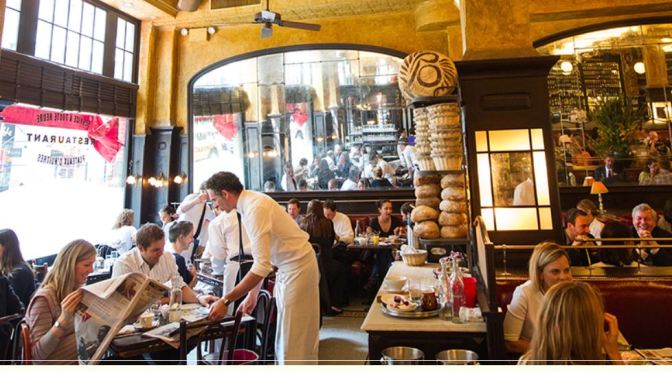

 When it comes to classic French eateries in New York City, few are more iconic than SOHO’s Balthazar. We sent Alex Delany to this famous brasserie to try one of everything on the breakfast menu, and we didn’t send him alone. For this episode, he was joined by French-speaking pastry expert Claire Saffitz to eat way too much food and drink multiple bowls (yes, bowls) of milky coffee.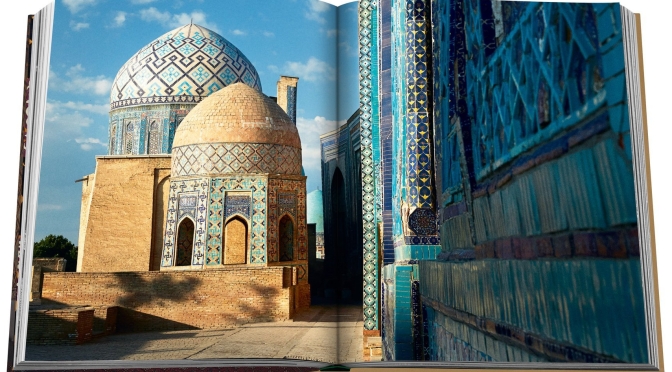
 At the heart of Central Asia lies a land where colossal mountains and sweeping valleys sleep under a blanket of lush greenery. Crowned with golden palaces and wondrous monuments, the architectural landscape of the region is so rich with detail, the structures have been said to mirror the heavens themselves.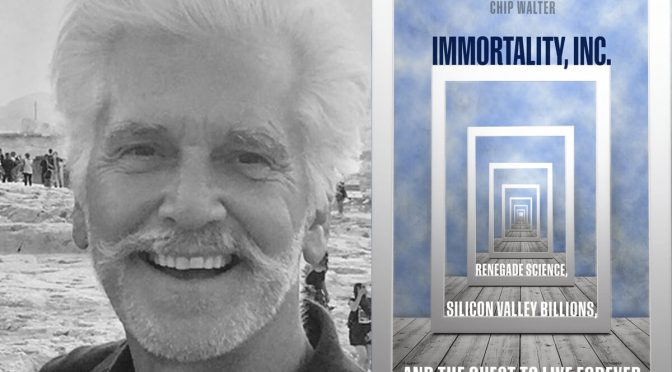

 Leblon. Run by the owner of Brazilian fashion label Osklen, this home away from home in an old seafront building stays faithful to the brand with its chic tropical touches.
 Upscale Leblon is known for its beach, one of the city’s trendiest, most tranquil stretches of sand. Inland, leafy streets have restaurants ranging from cozy French bistros to lively steakhouses, plus mellow bars for beers and caipirinhas. Shopping options include designer fashion boutiques and Shopping Leblon, a modern mall. Teatro do Leblon is a grassroots venue with a packed, eclectic program.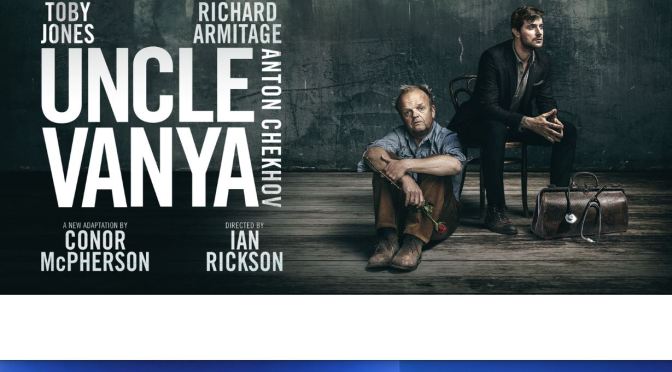
 Theatre critics Matt Wolf and Lyn Gardner join Robert Bound to give their verdict on the new production of Chekhov’s ‘Uncle Vanya’ at the Harold Pinter Theatre, starring Toby Jones and Ciarán Hinds.
 This week on Prognosis, we look at one startup that’s trying to redesign care for some of the most vulnerable patients, taking into account the complex realities of their lives. The company is trying to improve care for people and communities the medical system often fails – and it believes that fixing those failures will not only make people healthier, it will also save money.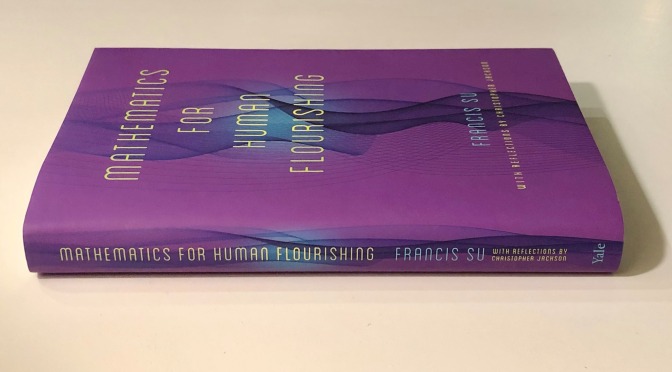
 For mathematician Francis Su, a society without mathematical affection is like a city without concerts, parks, or museums. To miss out on mathematics is to live without experiencing some of humanity’s most beautiful ideas.
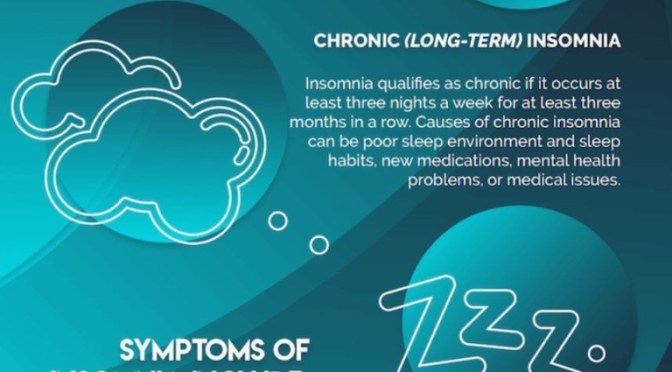
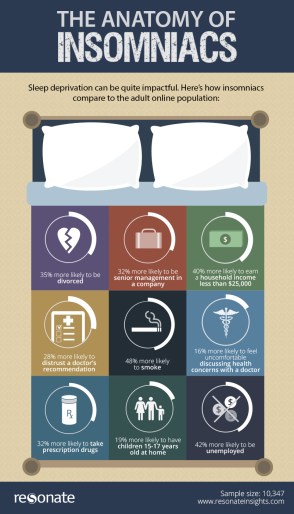 can develop a conditioned fear of not being able to sleep, which puts them in a state of hyperarousal when they attempt to fall asleep. This makes their inability to sleep a self-fulfilling prophecy.
 Boomers Daily