
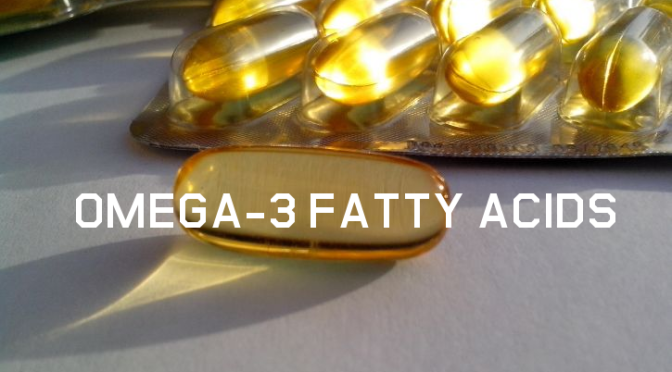
From a Stanford Medicine online news release:
 “What you want is more, small fat cells rather than fewer, large fat cells,” Jackson said. “A large fat cell is not a healthy fat cell. The center is farther away from an oxygen supply, it sends out bad signals and it can burst and release toxic contents.” Large fat cells are associated with insulin resistance, diabetes and inflammation, he added.
Jackson and his colleagues found that when omega-3 fatty acids bind to a receptor called FFAR4 on the cilia of fat stem cells, it prompts the fat stem cells to divide, leading to the creation of more fat cells. This provides the body with more fat cells with which to store energy, something that is healthier than storing too much fat in existing fat cells.
For years, researchers have known that defects in an ancient cellular antenna called the primary cilium are linked with obesity and insulin resistance. Now, researchers at the Stanford University School of Medicine have discovered that the strange little cellular appendage is sensing omega-3 fatty acids in the diet, and that this signal is directly affecting how stem cells in fat tissue divide and turn into fat cells.
To read more: http://med.stanford.edu/news/all-news/2019/11/omega-3-fatty-acids-health-benefit-linked-to-stem-cell-control.html
 “The link between antibiotic exposure and Parkinson’s disease fits the current view that in a significant proportion of patients the pathology of Parkinson’s may originate in the gut, possibly related to microbial changes, years before the onset of typical Parkinson motor symptoms such as slowness, muscle stiffness and shaking of the extremities. It was known that the bacterial composition of the intestine in Parkinson’s patients is abnormal, but the cause is unclear. Our results suggest that some commonly used antibiotics, which are known to strongly influence the gut microbiota, could be a predisposing factor,” says research team leader, neurologist Filip Scheperjans MD, Ph.D. from the Department of Neurology of Helsinki University Hospital.
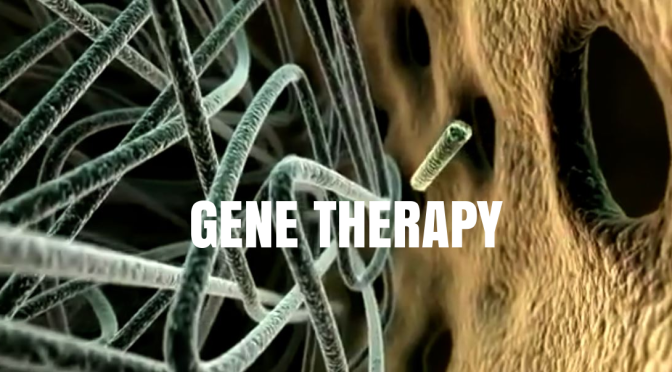
 “The results we saw were stunning and suggest that holistically addressing aging via gene therapy could be more effective than the piecemeal approach that currently exists,” said first author Noah Davidsohn, a former research scientist at the Wyss Institute and HMS who is now chief technology officer of Rejuvenate Bio. “Everyone wants to stay as healthy as possible for as long as possible, and this study is a first step toward reducing the suffering caused by debilitating diseases.”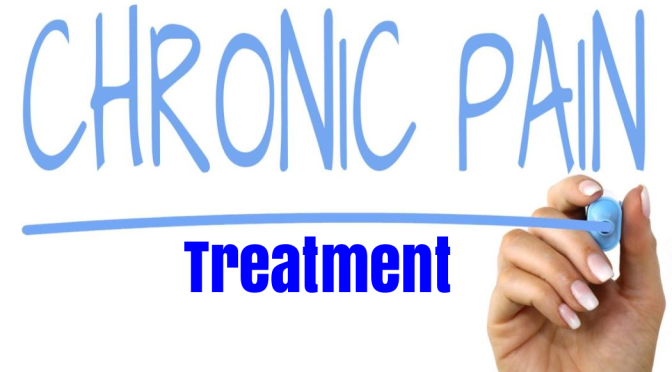
 “Another behavior change is physical exercise,” Pillemer said. “A paradox of pain is that exercise helps reduce it, but it’s difficult for people in pain to think about exercising. So they don’t exercise, they get more sedentary and the pain increases; it’s a vicious circle. So how do you get people to actually change their behavior?”
 Researchers suggest that intensity is critical. Seniors who exercised using short, bursts of activity saw an improvement of up to 30 percent in
 “We are extremely proud of what we have accomplished, from the ability to 3D bioprint human cardiac tissue last summer to a mini heart with full structure now. These milestones are a testament to the hard work of our team and the proprietary process we have developed that enables this type of scientific achievement,” said Birla in a press release. “We believe we are at the forefront of whole heart bioengineering, a field that has matured quickly over the last year, and well-positioned to continue our rapid scientific advancement.”
 Researchers say they’ve successfully plunged human livers to subzero temperatures and then warmed them back up.
 Researchers have identified how Salmonella ‘persister’ cells can spread antibiotic resistance genes in mice intestines.
  A blood test to detect the brain changes of early Alzheimer’s disease has moved one step closer to reality. Researchers from Washington University School of Medicine in St. Louis report that they can measure levels of the Alzheimer’s protein amyloid beta in the blood and use such levels to predict whether the protein has accumulated in the brain. The findings represent a key step toward a blood test to diagnose people on track to develop the devastating disease before symptoms arise.
 Boomers Daily