

 With questionable coronavirus content flooding airwaves and online channels, what’s being done to limit its impact?
In this episode:
00:57 The epidemiology of misinformation
As the pandemic spreads, so does a tidal wave of misinformation and conspiracy theories. We discuss how researchers’ are tracking the spread of questionable content, and ways to limit its impact.
News: Anti-vaccine movement could undermine efforts to end coronavirus pandemic, researchers warn
Nature Video: Infodemic: Coronavirus and the fake news pandemic
17:55 One good thing
Our hosts pick out things that have made them smile in the last week, including walks in new places, an update on the Isolation Choir, and a very long music playlist.
Video: The Isolation Choir sing What a Wonderful World
Spotify: Beastie Boys Book Complete Songs
22:30 Funding fears for researchers
Scientists around the world are concerned about the impacts that the pandemic will have on their funding and research projects. We hear from two who face uncertainty, and get an update on the plans put in place by funding organisations to support their researchers.
 Contributing Correspondent Lizzie Wade talks with host Sarah Crespi about the role of inequality in past pandemics. Evidence from medical records and cemeteries suggests diseases like the 1918 flu, smallpox, and even the Black Death weren’t indiscriminately killing people—instead these infections caused more deaths in those with less money or status.
 This week, Elisabeth Bik tells us about her work uncovering potential image manipulation, and a new route for particulate pollution formation.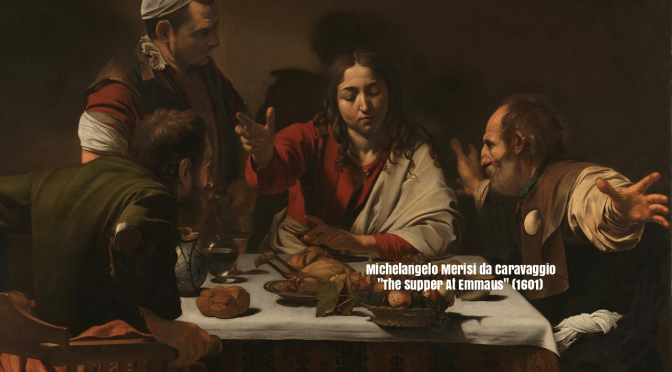
 Michelangelo Merisi da Caravaggio is one of the most admired painters of the late 16th and early 17th centuries. Known for his powerful, dramatically lit compositions, Caravaggio depicted violence and the human form with a degree of realism unprecedented at the time. He was among the most famous painters in Rome—but not only because of his skill as an artist.
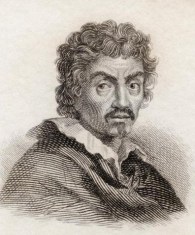 Caravaggio was also notorious for his wild life and shocking temper. After being sentenced to death for murder, he fled Rome and died in exile at age 38 . Three biographies written in the decades after his death constitute nearly all that is known about the enigmatic artist.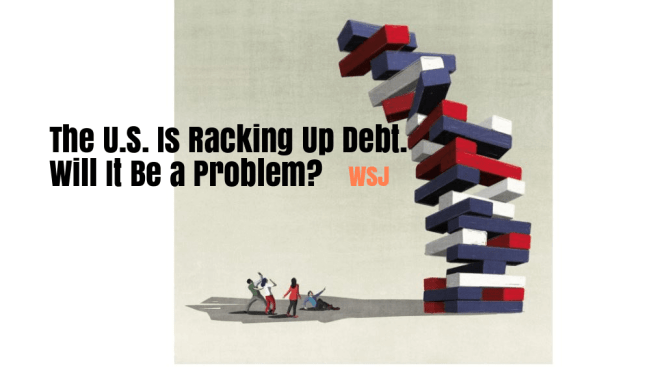
 The federal government is spending big to combat the economic damage of the coronavirus crisis, and federal debt has climbed to record levels.
 Lara Lee, the author of the new cookery book ‘Coconut & Sambal’, shares one of her favourite recipes.
 Be transported to the bountiful islands of Indonesia by this collection of fragrant, colourful and mouth-watering recipes.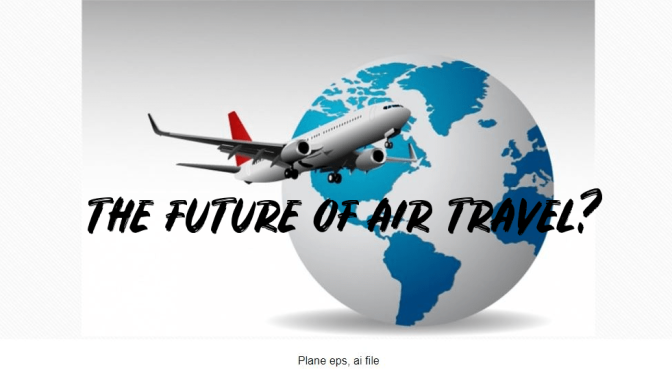
 Airlines were soaring towards record travel numbers at the start of this year. Then, COVID-19 hit like a lightning bolt.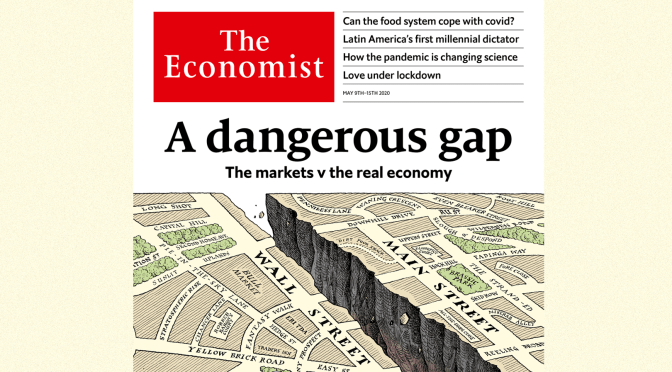
 A selection of three essential articles read aloud from the latest issue of The Economist. This week, the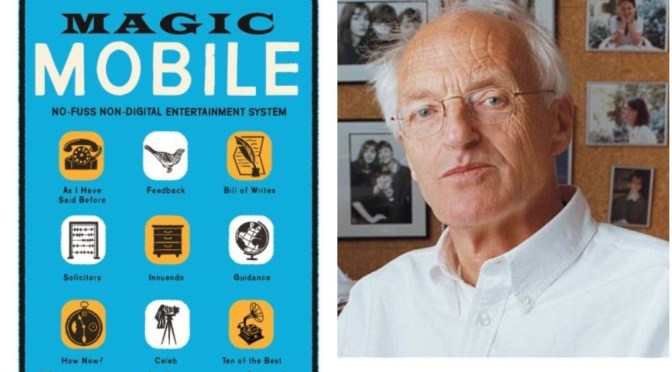
 British author, playwright and translator Michael Frayn is best known for his farcical comedy ‘Noises Off’ and ‘Copenhagen’, which details a 1941 meeting between Niels Bohr and Werner Heisenberg.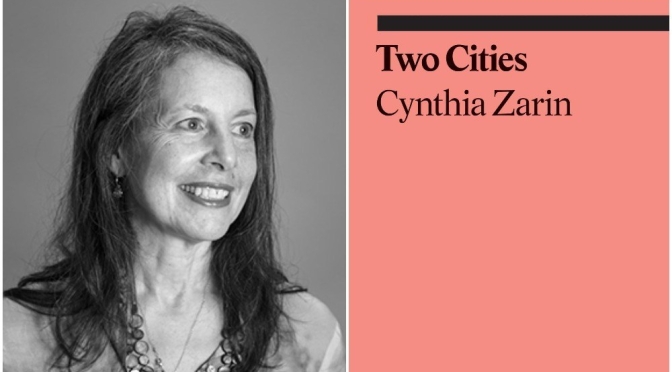
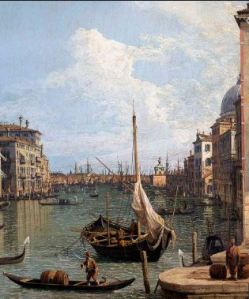 A conversation with the acclaimed poet and New Yorker writer Cynthia Zarin that transports us to two of her favorite cities, Venice and Rome, in a celebration of Italy as the country begins to loosen the longest coronavirus-related lockdown in Europe. The episode features evocative readings from her forthcoming book,Two Cities, which captures the meditative yet constantly surprising nature of travel from a deeply personal point of view.
 Boomers Daily