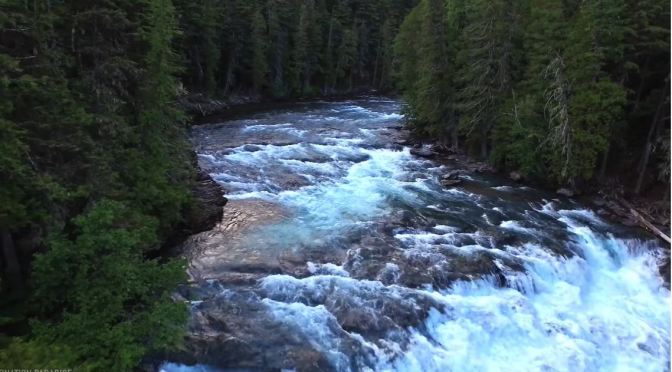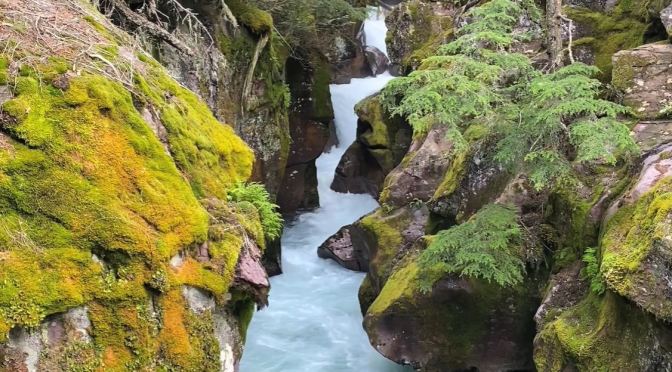
CBS Sunday Morning (June 29, 2025): Explore things to see and do in Glacier National Park. Established as a National Park in 1910 it is a land of mountain ranges carved by prehistoric ice rivers. It features alpine meadows, deep forests, waterfalls, about 25 glistening glaciers and 200 sparkling lakes. The vistas seen from Going-To-The-Sun Road are breathtaking, a photographer’s paradise. Relatively few miles of road exist in the park’s 1,600 square miles of picturesque landscape, thus preserving its primitive and unspoiled beauty.
Tag Archives: Montana
Travel: 50 Best Places To Visit In The United States
touropia Films (November 22, 2023) – A video tour of the 50 best places to visit in the United States. The top 15 include:
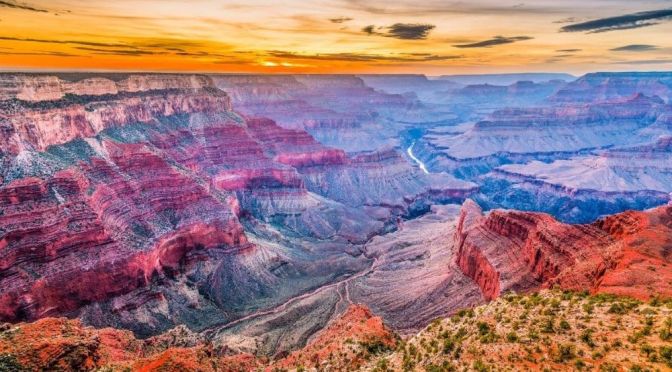
- The Grand Canyon – Arizona
- New York City
- Hawaii
- Yellowstone National Park – Wyoming
- Florida Keys
- San Francisco – California
- Zion National Park – Utah
- Las Vegas – Nevada
- Los Angeles – California
- Glacier National Park – Montana
- Washington D.C.
- Miami – Florida
- Seattle – Washington
- Rocky Mountain National Park – Colorado
- New Orleans – Louisiana
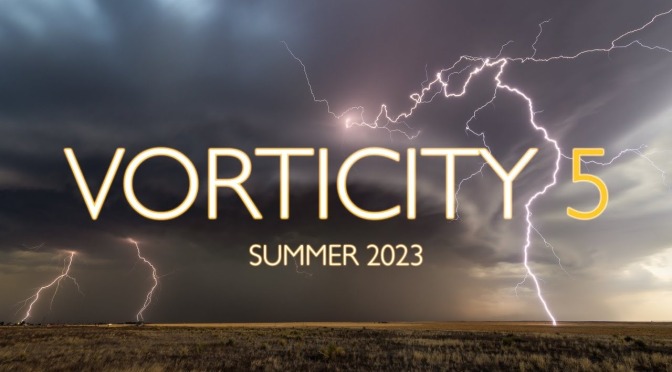
Weather: ‘Vorticity 5’ – A Storm Time-Lapse Film
Mike Olbinski Films (August 8, 2023) – Vorticity 5 took two years to film. Tens of thousands of miles across the central United States, from Montana to the Texas/Mexico border. A few hundred thousand shutter clicks. Loads of McDonalds, Subway and Allsups.
The most epic, cheap motels. And countless, stunning storms. This is the first time for any movie of mine where I have tornadoes AND haboobs make appearances. The haboob (dust storm) happened in May of 2022 in southwest Kansas. It was amazing and unexpected. Of all the clips that make up this film, I’m the most proud of that one.
It was like my world of chasing in Arizona finally collided with the universe of supercells and tornadoes on the plains. I hope you enjoy this film. The colors, the storms, the lightning, the twisters and the dust. It’s everything I love, everything I am continually awestruck by no matter how long I do this.
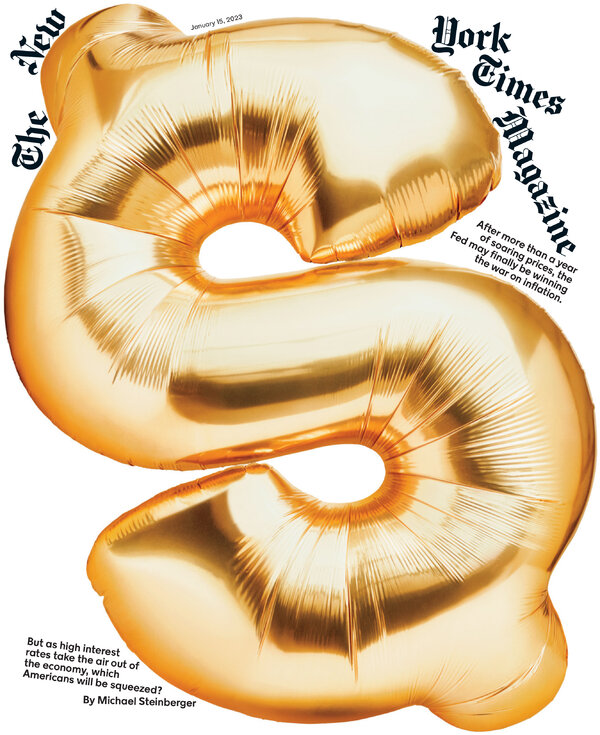
Culture: New York Times Magazine – Jan 15, 2023
The Fed May Finally Be Winning the War on Inflation. But at What Cost?
There’s a good chance that the Fed could push the economy into recession. The pain will not be shared equally.
How Montana Took a Hard Right Turn Toward Christian Nationalism
What happened to a state known for its political independence?
How Danhausen Became Professional Wrestling’s Strangest Star

What’s the best way for a not-particularly-athletic barista-slash-wrestling geek to go pro? Act really weird.
Danhausen backstage before an All Elite Wrestling “Rampage” event in September.Credit…Evan Jenkins for The New York Times
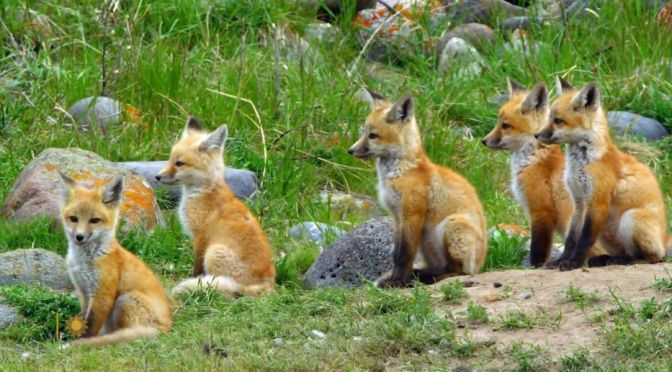
Montana Views: Red Fox Kits In Paradise Valley
“Sunday Morning” shows us a vixen with her paws full, in Paradise Valley, Montana. Videographer: Judith Lehmberg.
Red fox are found throughout Montana. They can make their home while following their food source. Foxes use their nose to find prey, and then quickly pounce, much like a house cat. Spotting a red fox in Montana is never difficult if you look carefully?just keep a close watch for the bushy tail.
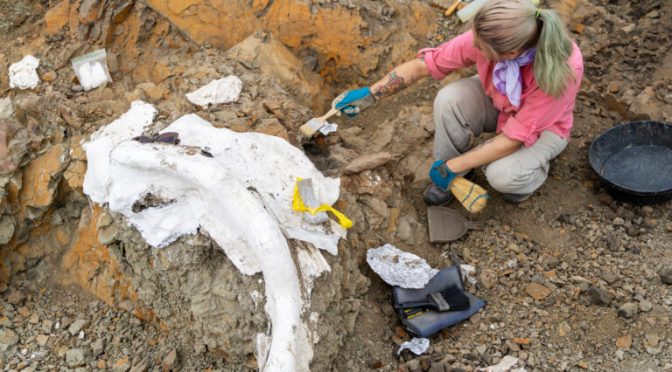
Views: Hunting Dinosaur Fossils In East Montana
“It’s Cretaceous crime scene work: We have a body — how did it get here?” Kelsie Abrams, Fossil Lab Manager for the UW’s Burke Museum of Natural History and Culture, left her climate-controlled lab to wield jackhammers and shovels on a dusty hillside of the Hell Creek Formation in remote eastern Montana, possibly the best place in the world to find fossils from the Late Cretaceous. In this short film, follow Abrams and the dig team from the field to the lab, as they unravel mysteries from the end of the age of dinosaurs.
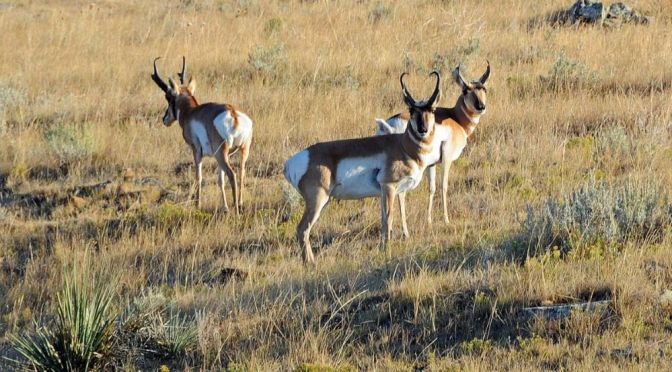
Nature Views: Pronghorn Antelope In Montana (CBS)
“Sunday Morning” takes us among pronghorn antelope at play near Virginia City in Montana. Videographer: Brad Markel.
The pronghorn is a species of artiodactyl (even-toed, hoofed) mammal indigenous to interior western and central North America. Though not a true antelope, it is known colloquially in North America as the American antelope, prong buck, pronghorn antelope, prairie antelope, or simply antelope because it closely resembles the antelopes of the Old World and fills a similar ecological niche due to parallel evolution. It is the only surviving member of the family Antilocapridae.
Aerial Views: Wilderness & Waters Of Montana (4K)
Montana is a western state defined by its diverse terrain ranging from the Rocky Mountains to the Great Plains. Its wide-open spaces include Glacier National Park, a vast wilderness preserve that passes into Canada. The park’s many snow-capped peaks, lakes and alpine hiking trails are showcased along its famed Going-to-the-Sun Road, stretching 50 miles.
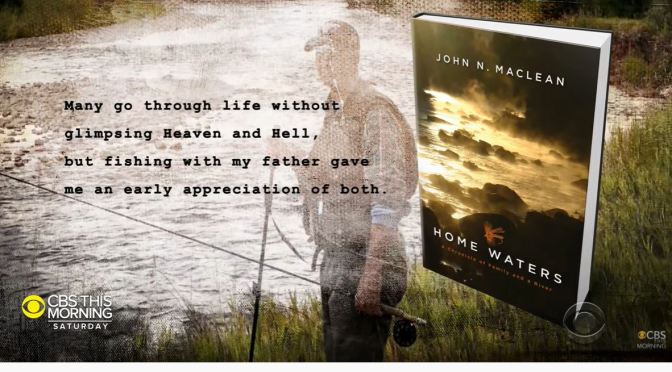
Montana Views: John Maclean’s Backstory Memoir ‘Home Waters’
John Maclean’s family was the topic of “A River Runs Through It,” the novella that became a hit film. Now, his own new book tells the backstory of the captivating drama. Jeff Glor takes a look at Maclean’s love for Montana’s great outdoors.
Western Drought: Expect More Fires & Water Wars
As of mid-June, nearly three-quarters of the US’s West has been experiencing “severe,” “extreme,” or “exceptional” drought conditions. In addition to the states above, it also includes northern states like North Dakota and Montana.
Overall, climate change is playing a role. But there are smaller factors at play that are tied to climate change as well. Including…
- Not enough rain. The National Oceanic and Atmospheric Association (NOAA) said the Southwest’s 2020 monsoon season (read: ‘nonsoon’) was “the hottest and driest summer/monsoon season on record.” And the decrease in rainfall is having an impact on today’s drought (think: not enough water for crops, lakes, or reservoirs). And for the little rain that has fallen, it could dry up faster because of…
- Warmer temps. The NOAA dubbed 2020 the second-hottest year on record. And in late June, a record-breaking heat wave hit the Pacific Northwest, with the temperature reaching up to 112 degrees Fahrenheit in places like Portland, OR. (Psst…if you’re dealing with hot weather, here are some tips to stay safe.) Hotter, drier weather creates a thirsty environment, which speeds up evaporation. Rising temps are also causing snowpacks to melt faster, and they’re reportedly producing less runoff – a vital water resource. All of which means there’s less water available for communities and ecosystems.
Experts are also worried that the current dry and hot conditions will have a ripple effect, which brings us to wildfires. Last year’s West Coast wildfire season was the worst ever. Fires in California killed 31 people, burned more than 4 million acres, and destroyed thousands of buildings and structures. And this year, states like Arizona have seen an early start to their wildfire season. But the effects of the drought stretch even further.