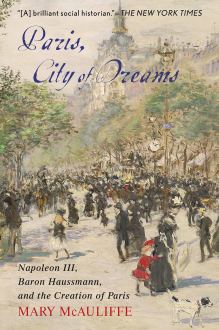
 Paris, City of Dreams traces the transformation of the City of Light during Napoleon III’s Second Empire into the beloved city of today. Together, Napoleon III and his right-hand man, Georges Haussmann, completely rebuilt Paris in less than two decades—a breathtaking achievement made possible not only by the emperor’s vision and Haussmann’s determination but by the regime’s unrelenting authoritarianism, augmented by the booming economy that Napoleon fostered.
Acclaimed historian Mary McAuliffe vividly recaptures the Paris of Napoleon III, Claude Monet, and Victor Hugo as Georges Haussmann tore down and rebuilt Paris into the beautiful City of Light we know today.
McAuliffe follows the lives of artists such as Edouard Manet, Berthe Morisot, and Claude Monet, as well as writers such as Emile Zola, Gustave Flaubert, and the poet Charles Baudelaire, while from exile, Victor Hugo continued to fire literary broadsides at the emperor he detested.
McAuliffe brings to life a pivotal era encompassing not only the physical restructuring of Paris but also the innovative forms of banking and money-lending that financed industrialization as well as the city’s transformation. This in turn created new wealth and lavish excess, even while producing extreme poverty. More deeply, change was occurring in the way people looked at and understood the world around them, given the new ease of transportation and communication, the popularization of photography, and the emergence of what would soon be known as Impressionism in art and Naturalism and Realism in literature—artistic yearnings that would flower in the Belle Epoque.
Napoleon III, whose reign abruptly ended after he led France into a devastating war against Germany, has been forgotten. But the Paris that he created has endured, brought to vivid life through McAuliffe’s rich illustrations and evocative narrative.
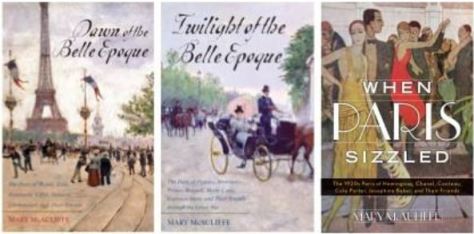
Mary McAuliffe holds a PhD in history from the University of Maryland, has taught at several universities, and has lectured at the Smithsonian Institution, the Barnes Foundation, and the Frick Pittsburgh. She has traveled extensively in France, and for many years she was a regular contributor to Paris Notes. Her books include Clash of Crowns, Dawn of the Belle Epoque, Twilight of the Belle Epoque, When Paris Sizzled, and Paris on the Brink. She lives in New York City with her husband.
Read more or purchase

 This week on the podcast, Contributing Correspondent Lizzie Wade joins host Sarah Crespi to discuss a turning point for one ancient Mesoamerican city: Tikal. On 16 January 378 C.E., the Maya city lost its leader and the replacement may have been a stranger. We know from writings that the new leader wore the garb of another culture—the Teotihuacan—who lived in a giant city 1000 kilometers away.



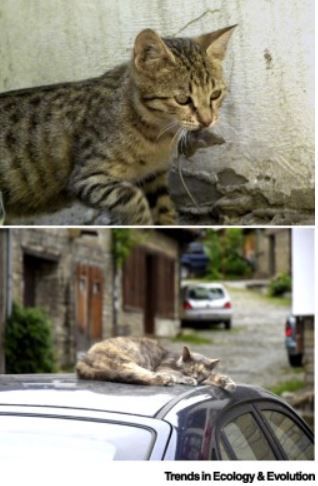 The value of domestic cats as predators-in-residence certainly played a significant part in their global spread, as they were employed for rodent control on trade ships and in the outbuildings of emerging civilisations.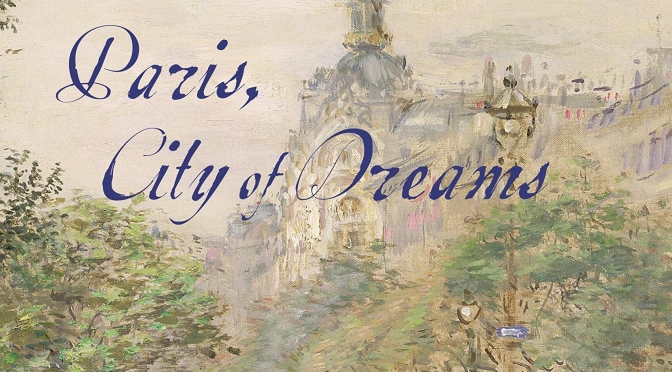
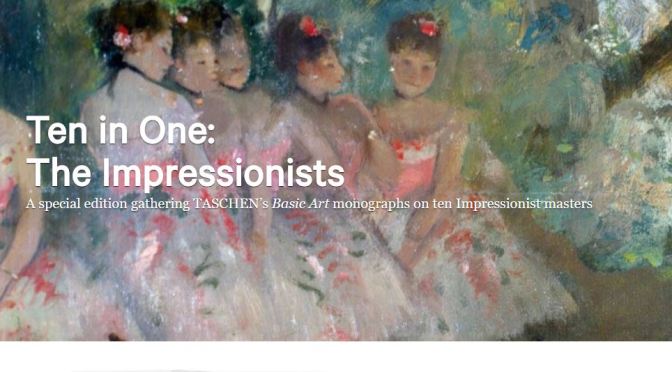
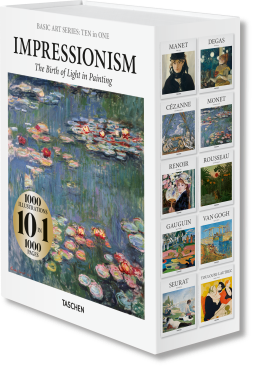 The lives and oeuvres of Impressionist pillars Cézanne, Degas, Gauguin, Manet, Monet, Renoir, Rousseau, Seurat, Toulouse-Lautrec, and van Gogh are each explored in-depth in TASCHEN’s Basic Art series. Now, this volume combines all 10 monographs into one for the price of three.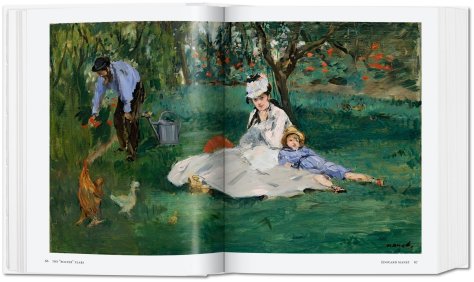

 Hotel Torni (“Hotel Tower”) is a historical hotel located in Helsinki, Finland, and a part of the Sokos Hotels hotel chain. When opened in 1931, it became the tallest building in Finland, a position it maintained until the completion of the new Neste headquarters in neighboring Espoo in 1976.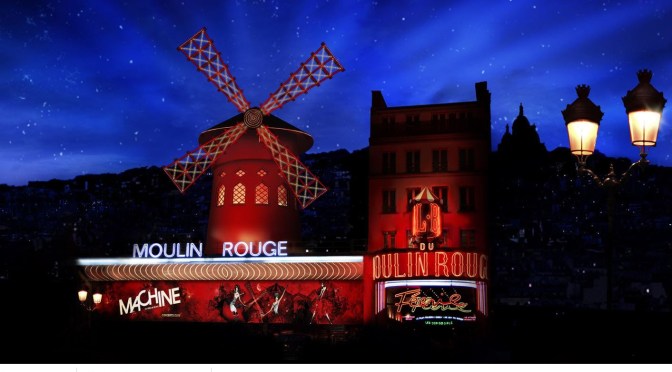
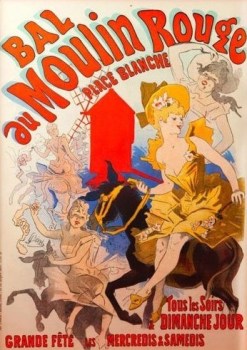 the inspiration for a hit Broadway musical. Correspondent Alina Cho visits the landmark that has inspired artists and writers (and even marriage proposals), and talks with its artistic director and dancers, along with the Tony Award-winning set designer of the new Broadway show, “Moulin Rouge!: The Musical.”
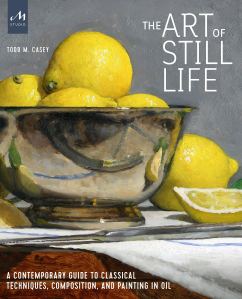 Every artist needs to learn and master the still life. Written by a well-known artist and expert instructor, The Art of Still Life offers a comprehensive, contemporary approach to the subject that instructs artists on the foundation basics and advanced techniques they need for successful drawing and painting.
 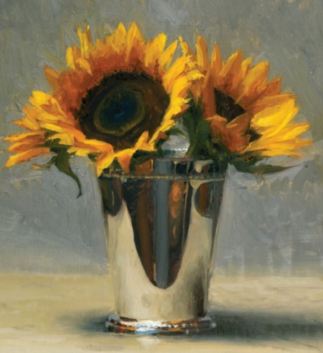 manual and a visual treasure trove of some of the finest still life art throughout history and being created today.
 Boomers Daily