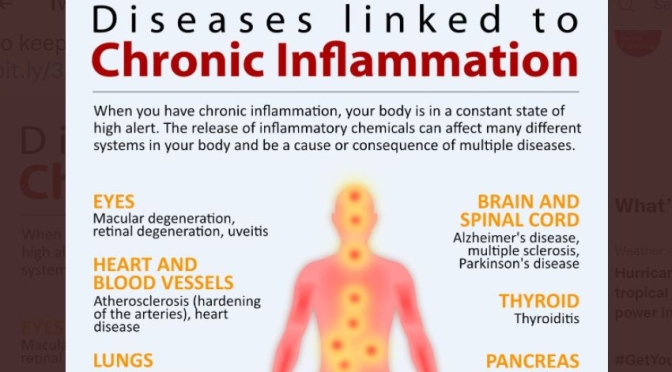
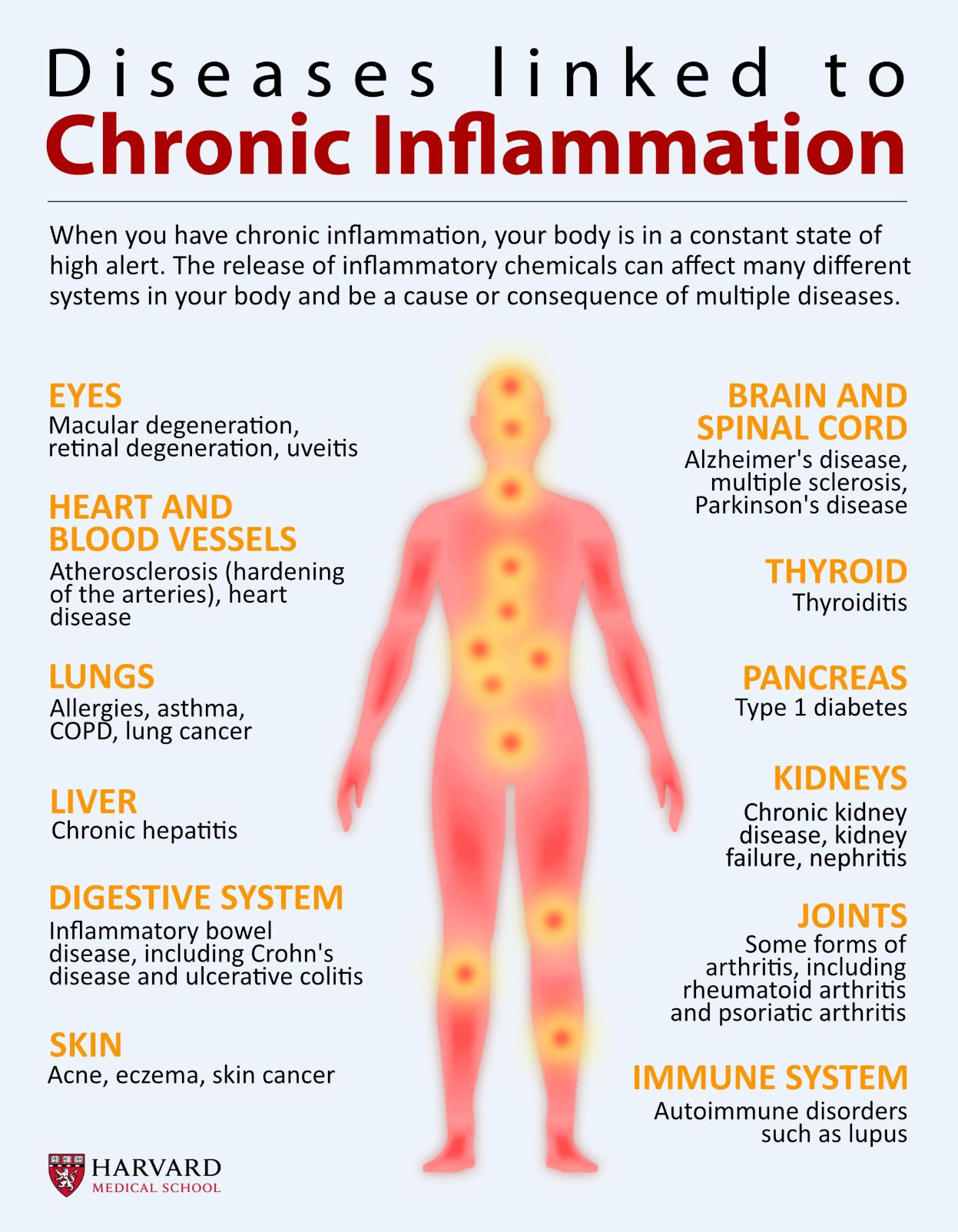
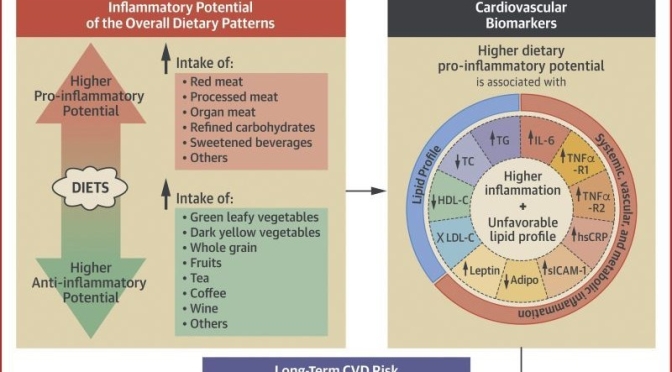
Infographic: Disease & Chronic Inflammation

A new approach developed by Harvard Medical School researchers uses yeast to rapidly evolve synthetic antibody fragments called nanobodies with the aim to find variants that are effective at binding to selected antigens, including SARS-CoV-2. The antibodies are intended for use in diagnostic tests and disease treatments. Read the full story: https://hms.harvard.edu/news/antibody…
The latest issue of Harvard Design Magazine reveals full redesign and new editorial model as it assesses the establishment, and reconsideration, of the paradigm of “America”.

Harvard Design Magazine 48: America marks a turning point for the magazine as the first issue under new editorial director Julie Cirelli, featuring Mark Lee and Florencia Rodriguez as guest editors. This issue also debuts a full redesign by Alexis Mark, the Copenhagen-based graphic design firm. Publishing this month, the issue gathers contributions from leading figures across the fields of architecture, design, urban planning, fashion, art, and governance, including Maurice Cox, Shaun Donovan, Michèle Lamy, Sylvia Lavin, and Marc Norman. Join Lee, Rodriguez, and Norman, alongside contributors Paul Andersen, Neeraj Bhatia, and Maite Borjabad Lòpez-Pastor, for a virtual launch event next Tuesday, March 23, 7:30pm ET.
Harvard Design Magazine 48: America reflects on the theme and definition of “America” through lenses of cultural production, racial justice, and architectural and design practice. In the 20th century, a paradigm of America characterized by progress, openness, and democracy was perpetuated—but with an ominous underbelly of exclusion, racism, and inequity left unexamined. While viewpoints on America’s story and history differ, if not reject one other, what is widely shared is a sense of 2020 as a breaking point—or, “a consciousness of an imminent existential threshold,” as write Lee and Rodriguez.
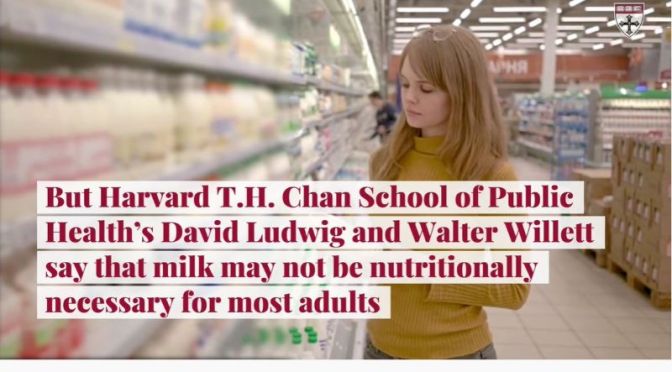
Milk is an optional part of a healthy diet for most adults, and may even be harmful if consumed excessively.

Imagine a robot trained to think, respond, and behave using you as a model. Now imagine it assuming one of your roles in life, at home or perhaps at work. Would you trust it to do the right thing in a morally fraught situation?
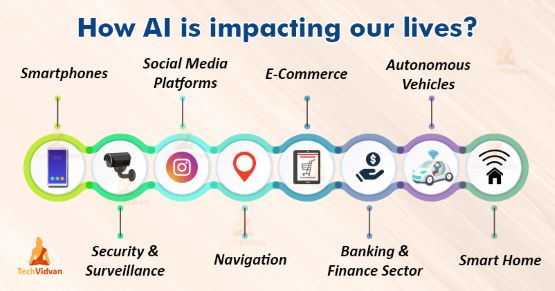
That’s a question worth pondering as artificial intelligence increasingly becomes part of our everyday lives, from helping us navigate city streets to selecting a movie or song we might enjoy — services that have gotten more use in this era of social distancing. It’s playing an even larger cultural role with its use in systems for elections, policing, and health care.

Inflammation plays an important role in cardiovascular disease (CVD) development. Diet modulates inflammation; however, it remains unknown whether dietary patterns with higher inflammatory potential are associated with long-term CVD risk.

In this cross-sectional study of 5364 couples consisting of employees and spouses (or domestic partners) undergoing an annual employer-sponsored health assessment, 79% of the couples were in the nonideal category of a CV health score. This within-couple concordance of nonideal CV health scores was associated mostly with unhealthy diet and inadequate physical activity.

The study included 10 728 participants (5364 couples): 7% were African American, 11% Hispanic, 21% Asian, and 54% White (median [interquartile range] age, 50 [41-57] years for men and 47 [39-55] for women). For most couples, both members were in the ideal category or both were in a nonideal category.
Concordance ranged from 53% (95% CI, 52%-54%) for cholesterol to 95% (95% CI, 94%-95%) for diet. For the CV health score, in 79% (95% CI, 78%-80%) of couples both members were in a nonideal category, which was associated mainly with unhealthy diet (94% [95% CI, 93%-94%] of couples) and inadequate exercise (53% [95% CI, 52%-55%] of couples). However, in most couples, both members were in the ideal category for smoking status (60% [95% CI, 59%-61%] of couples) and glucose (56% [95% CI, 55%-58%]).
Except for total cholesterol, when 1 member of a couple was in the ideal category, the other member was likely also to be in the ideal category: the adjusted odds ratios for also being in the ideal category ranged from 1.3 (95% CI, 1.1-1.5; P ≤ .001) for blood pressure to 10.6 (95% CI, 7.4-15.3; P ≤ .001) for diet. Concordance differed by ethnicity, socioeconomic status, and geographic location.





 Boomers Daily