

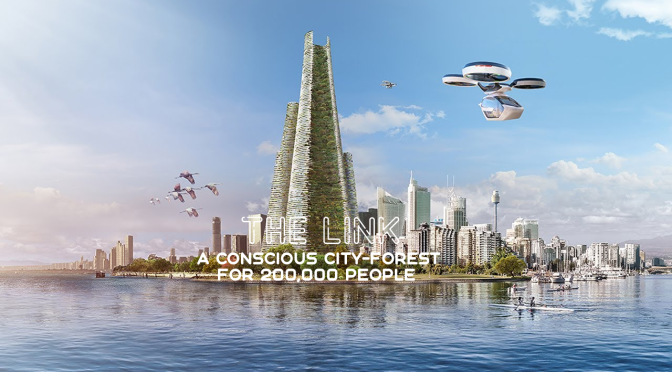
With its 300 floors THE LINK will reach the maximum height of 1200 meters. The project combines sustainability with population density, and it aims to build up a zero-energy city-building. The city-forest is made of 4 main towers, connected one each other, equipped with green areas on each level, natural light and ventilation. 100% green transport systems. The vertical city allows its residents to get into a healthier lifestyle, in connection with natural elements, re-thinking the traditional concept of community and society.
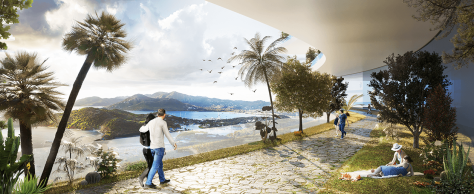
 Architecture firm Luca Curci Architects presents THE LINK, a vertical city for 200,000 people. The project aims to rise above the challenge of population density by successfully combining vertical expansion with economic innovation. A self-sustainable city-forest, that will absorb CO2, produce oxygen for cleaner air and increase urban biodiversity. With interconnected communities’ programs. No suburbs. Less poverty oriented.
Using an urban operating system with an AI (Artificial Intelligence), the vertical city will be able to manage the global city temperature, levels of CO2 and humidity, will control the global lighting system, and will storage extra energy produced by solar panels and other renewable energy resources.
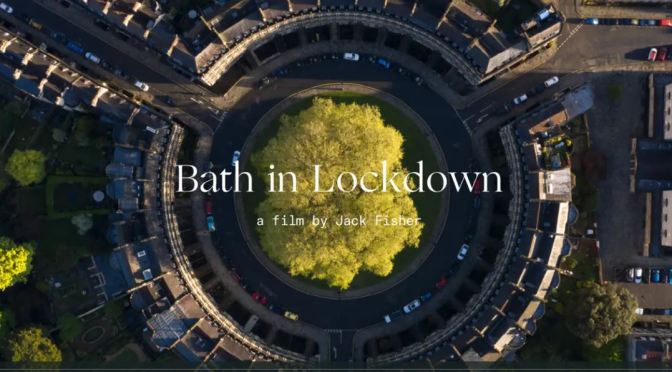
Directed, Filmed and edited by Jack Fisher
Music by Cinematic Orchestra – To Build a home
Drone Operator – Sam Gillespie
Drone Camera Operator – Jack Fisher
Graphic design – Lucia Garcia
Since lockdown began, I’ve taken my camera with me on my daily dog walks. I wanted to try and capture the atmosphere and make a record of the effects COVID 19 is having on the city I was born in, and the city I call home.
 This week, a new way to study elusive subatomic particles – pions, and the story of Galileo remains relevant in a time of modern science denialism.
In this episode:
00:46 Probing pions
Pions are incredibly unstable and difficult-to-study subatomic particles. Now researchers have come up with a clever way to examine them – by sticking them into helium atoms. Research Article: Hori et al.
08:28 Research Highlights
A colourful way to cool buildings, and the rapid expansion of cities. Research Highlight: A rainbow of layered paints could help buildings to keep their cool; Research Highlight: Urban sprawl overspreads Earth at an unprecedented speed
10:46 The life of Galileo
A new biography of Galileo Galilei examines some of the myths about his life and draws parallels with problems facing scientists today. Books and Arts: Galileo’s story is always relevant
16:42 Pick of the Briefing
We pick our highlights from the Nature Briefing, including botanical graffiti, and rock-eating bacteria. The Guardian: ‘Not just weeds’: how rebel botanists are using graffiti to name forgotten flora; Scientific American: Scientists Waited Two and a Half Years to See whether Bacteria Can Eat Rock
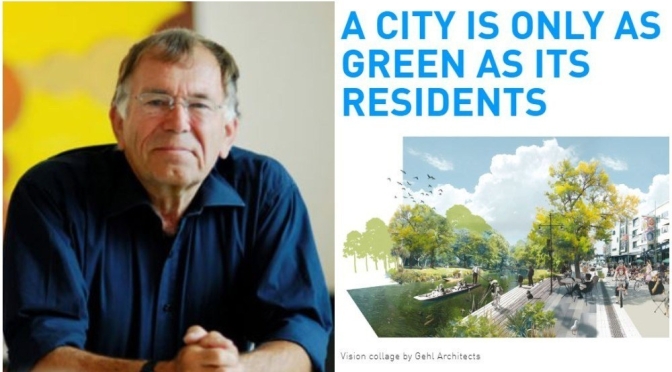
 Andrew Tuck brings you a special interview with Jan Gehl, perhaps the world’s best-known urban designer. Now 83, he’s waiting this pandemic out while isolating at home, enjoying spring from his garden.
Jan Gehl Hon. FAIA is a Danish architect and urban design consultant based in Copenhagen whose career has focused on improving the quality of urban life by re-orienting city design towards the pedestrian and cyclist. He is a founding partner of Gehl
 Donald G. McNeil Jr., a science and health reporter for The New York Times, discusses how the Coronavirus lockdown might end what it would look like.
While the economy is likely to reopen slowly, there is hope that society will adapt to manage the uncertainty of our new circumstances. Here’s what experts say the next year (or more) will look like.
Scenes from a day of weirdness in quarantine in Paris, France as Parisians socially distance to avoid spreading the coronavirus. The city’s landmarks and streets appear eerily empty while residents have taken shelter at home to curb the outbreak of COVID-19.
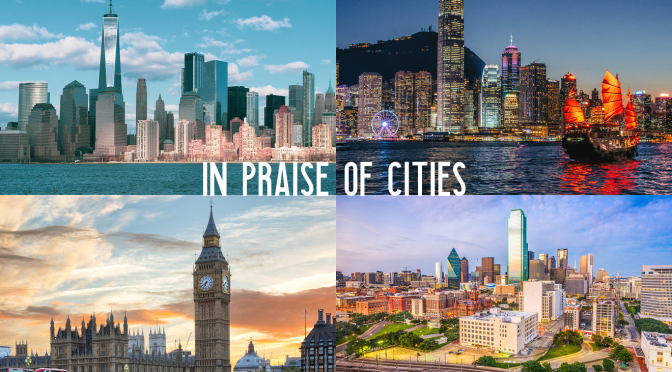
 We ask our housebound editors and correspondents across the globe to reflect on what they cherish about the places in which they live and to pen a love letter to their cities: London, Hong Kong, Rio de Janeiro, Toronto and Milan.
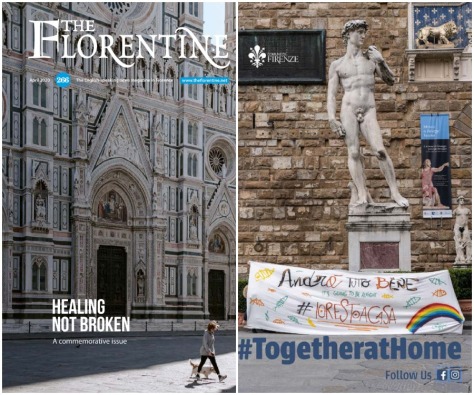
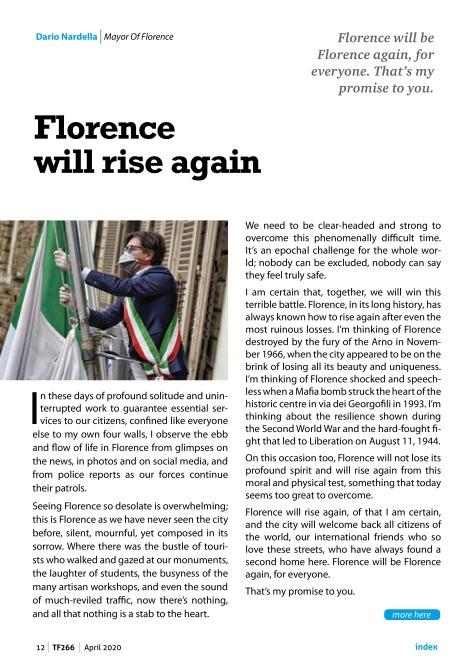
In this special Covid-19 edition of The Florentine, rejoice in a renewed humanism from Florence, of learning, words, thoughts and creativity, with articles, poems and short stories penned by the city’s international community, plus ideas and considerations for the future from Tuscany’s leaders and institutional figures, all interspersed with iconic photography of Florence at its most restful.


 Boomers Daily