
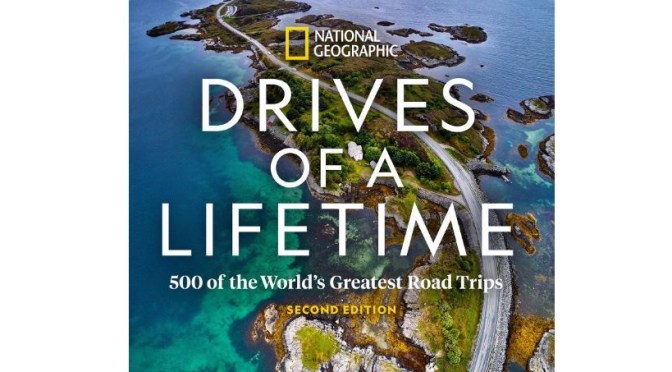
 The possibilities are endless: Take Colorado’s San Juan Skyway for a 10,000-foot climb over towering mountain passes. Or travel the ancient Silk Road on an expedition across Central Asia and through time. Or why not drive the perimeter of Puerto Rico, a tropical paradise with many beaches along the way?
Compiled from the favorite trips of National Geographic’s legendary travel writers, Drives of a Lifetime spans the globe to reveal the best celebrated and lesser-known road trips on the planet. Inside this fully updated and revised edition–featuring more than 20 new drives–you’ll find routes through spectacular landscapes, ideas for quick getaways, leisurely journeys of discovery, and revelations of secret worlds beyond Google Maps. Some are legendary long-distance odysseys; others are easy day trips close to home, taking you down charming local byways. All will inspire you to pack up the car and hit the road.
Whatever your taste and budget, you’ll find plenty of routes tailored to your interests. Alongside detailed descriptions, full-color maps guide the way and planning tips help you make the most of your journey; top 10 lists offer quick, easy side trip ideas. Beautiful, informative, and inspiring, this luxurious volume is a lifelong resource that readers will treasure.
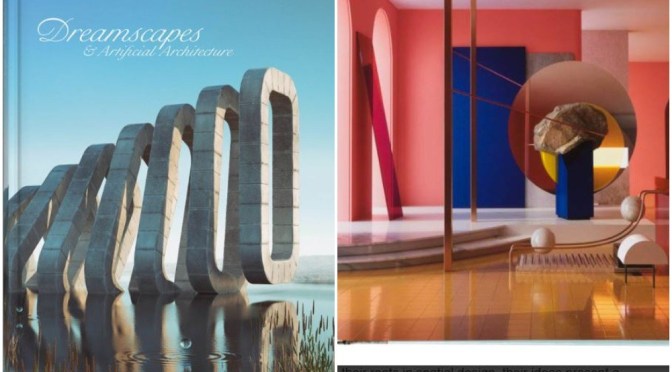
 This inspiring compilation of the most innovative projects in digital art covers the work of the artists and creatives at the forefront of this aesthetic. Discover Filip Hodas and his captivating pop culture dystopia artwork series, explore Massimo Colonna’s surrealist urban landscapes and dive into the abstract compositions of Ezequiel Pini, founder of Six N. Five studio.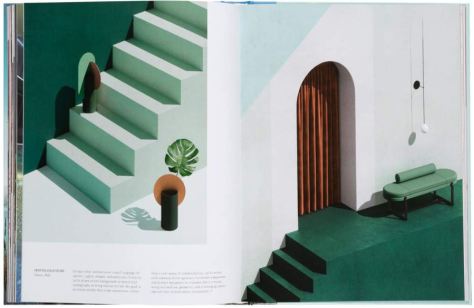

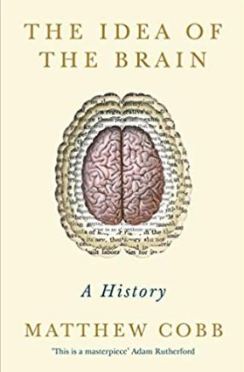 Although it might seem to be a story of ever-increasing knowledge of biology, Cobb shows how our ideas about the brain have been shaped by each era’s most significant technologies. Today we might think the brain is like a supercomputer. In the past, it has been compared to a telegraph, a telephone exchange, or some kind of hydraulic system. What will we think the brain is like tomorrow, when new technology arises?
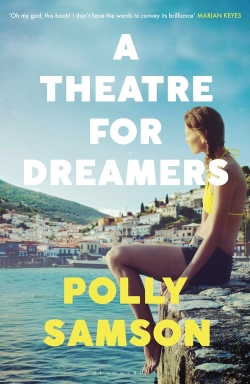 I first went to Hydra six years ago, when it was simply a beautiful Greek island and not a place I went to commune with its ghosts. I don’t think I was even aware that it was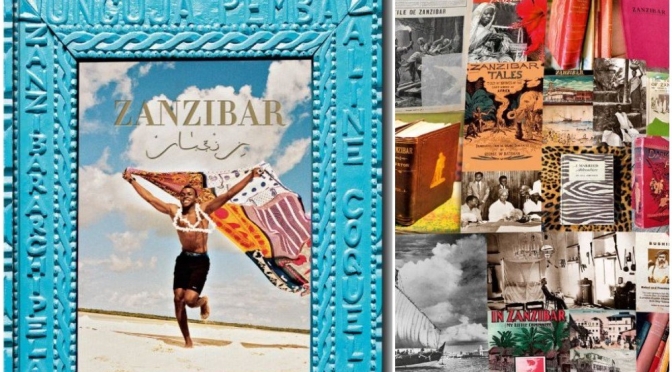
 Off the coast of East Africa in the Indian Ocean sits an archipelago known as Zanzibar. It all started ten million years ago when the island of Pemba separated from mainland Africa and then ten thousand years ago, the island of Unguja followed suit. Thus, begins the legend of Zanzibar.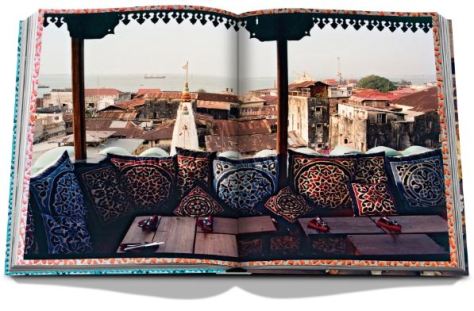
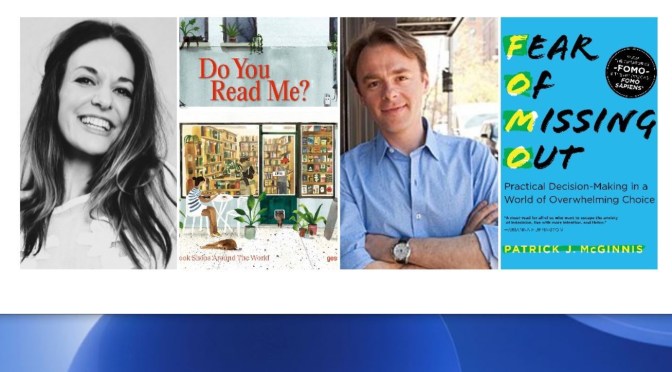
 Monocle 24’s “The Stack” speaks to Marianne Julia Strauss on her new book “Do You Read Me?” on the best bookshops around the globe. Then, author Patrick McGinnis on his new release “Fear Of Missing Out”.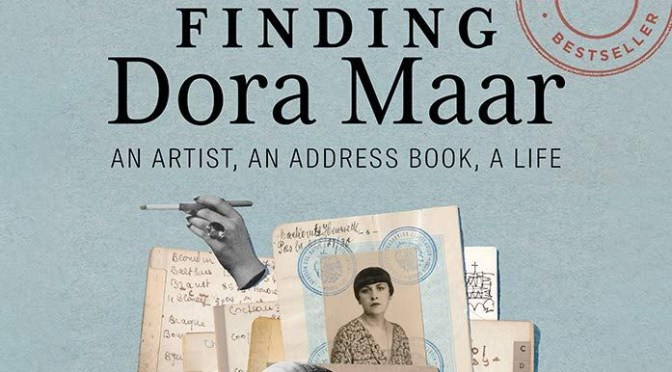
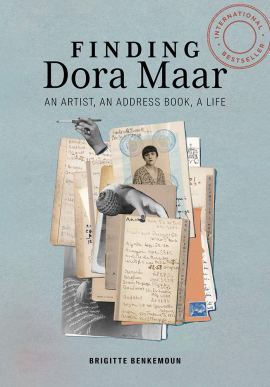 In search of a replacement for his lost Hermès agenda, Brigitte Benkemoun’s husband buys a vintage diary on eBay. When it arrives, she opens it and finds inside private notes dating back to 1951—twenty pages of phone numbers and addresses for Balthus, Brassaï, André Breton, Jean Cocteau, Paul Éluard, Leonor Fini, Jacqueline Lamba, and other artistic luminaries of the European avant-garde.
 Be Well delves into one of life’s greatest pleasures; a day spent rejuvenating the body and nourishing the spirit. Humans have practiced self-care for centuries—in the sweat lodges of the American Southwest, Roman baths, the hammams of the Ottoman Empire, Japanese onsens, and Finnish saunas. Today, a new interest in self-care is redefining how we accomplish wellness, and there have never been more options.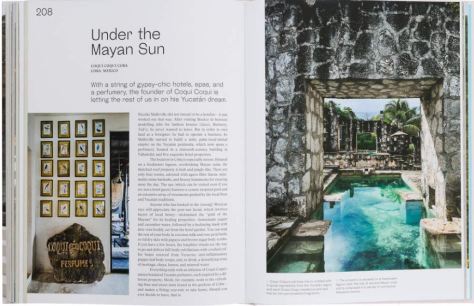
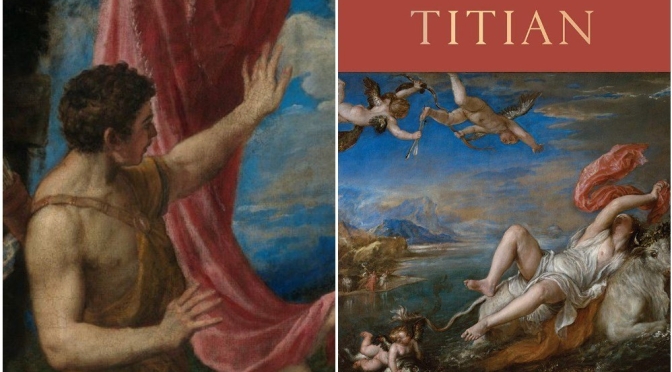
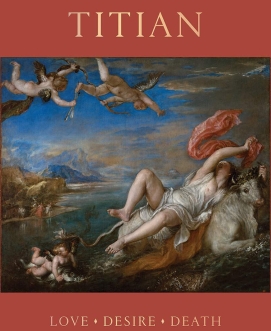 Titian (active 1506–1576) produced a masterful group of paintings for Philip II of Spain, celebrating the loves of gods, goddesses, and mortals. Depicting scenes from Ovid’s narrative poem Metamorphoses, Titian named them “poesie” and considered the works as visual equivalents of poetry.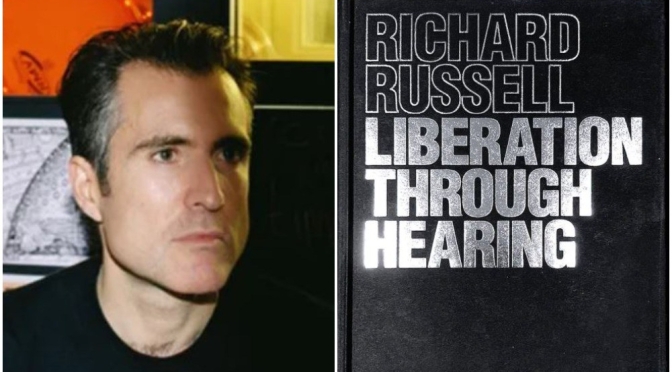
 “Monocle On Culture” speaks to Richard Russell, head of XL Recordings about his brand new book and his incredible career producing records for everyone from Damon Albarn to Bobby Womack, his life in New York that kicked everything off and the unusual start of his collaboration with Gil Scott Heron.
 Boomers Daily