
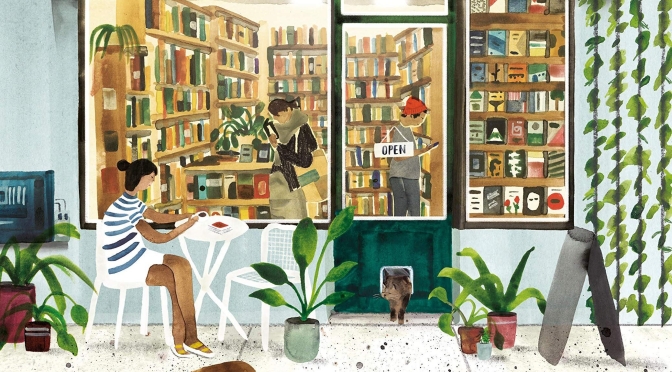
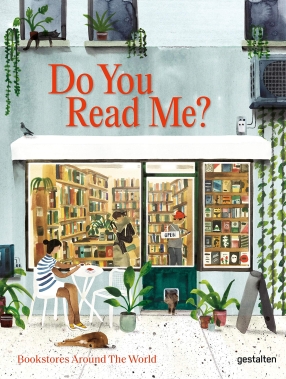
 From Daikanyama Tsutaya Books in Tokyo to Kosmos Buchsalon in Zurich, Do You Read Me? travels the globe to discover these gems and some of the people behind them, who turn an ordinary trip to the bookstore into an extraordinary experience.
Bookstores are more than just places that sell books. They are focal points of communities, a warm welcome to a city, a place for first-time visitors and longtime residents alike to gather in a shared love of the written word. They are places where time moves a little slower, where customers can get lost in the pages of a book, or enjoy readings, concerts, and events that bring together like-minded individuals with a thirst for knowledge.
Each bookstore is as unique as the diverse customers who frequent them. There are the secret ones tucked away with stacks reaching floor to ceiling; there are minimalist concept stores; there are dazzling book temples. There are ones in apartments, on boats, and in Gothic cathedrals.
Travel writer Marianne Julia Strauss has scoured the globe for the past decade in search of the top bookstores. In Do You Read Me? she has collected a selection of the ones you need to include in your next itinerary.



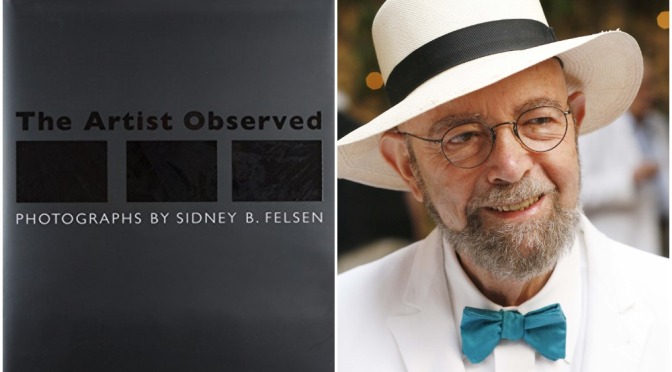
 In this episode, Sidney talks about how Gemini GEL got started and grew into the organization it is today, sharing stories about the artists he’s worked with along the way.
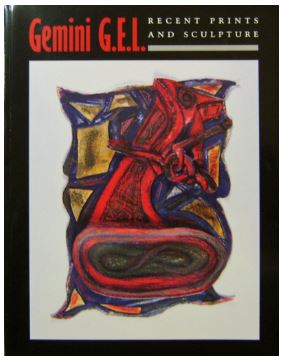 In 1966, at the age of forty-one, Sidney Felsen moved from the world of accounting to that of art, founding the artists’ workshop and fine-art print publisher Gemini GEL in Los Angeles. With Gemini GEL, Sidney quickly got to work with some of the biggest artists of the twentieth century: Man Ray, Josef Albers, Jasper Johns, and Robert Rauschenberg, to name a few. And Gemini GEL continues its work with new generations of artists, including Julie Mehretu, Tacita Dean, and David Hammons.
 At First Light chronicles twenty-six extraordinary artists of the last two hundred years who have lived and worked in Maine. Published to coincide with the state’s bicentennial in 2020, the volume considers the significant contributions artists have made to a deeper and more profound understanding of Maine’s history, its land and its peoples. Maine’s unique and breathtaking landscape–from its rugged coastline, quaint harbors, majestic mountains, and verdant forests–continues to have a powerful effect on the artists who are drawn to its shores.
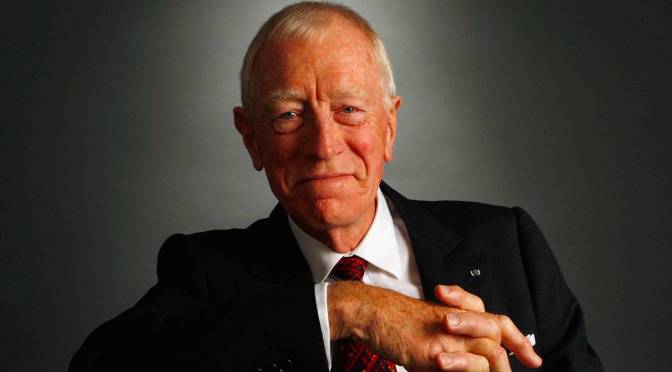
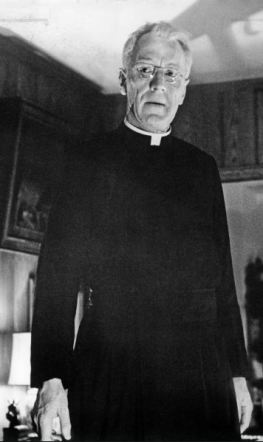 Born in Lund, Sweden, von Sydow studied at Stockholm’s Royal Dramatic Theatre before getting his start in the film business through his work with mentor Ingmar Bergman. The pair’s credits included world cinema classic
 The British Galleries are reopening with almost 700 works of art on view, including a large number of new acquisitions, particularly works from the 19th century that were purchased with this project in mind. This is the first complete renovation of the galleries since they were established (Josephine Mercy Heathcote Gallery in 1986, Annie Laurie Aitken Galleries in 1989). A prominent new entrance provides direct access from the galleries for medieval European art, creating a seamless transition from the Middle Ages to the Renaissance.
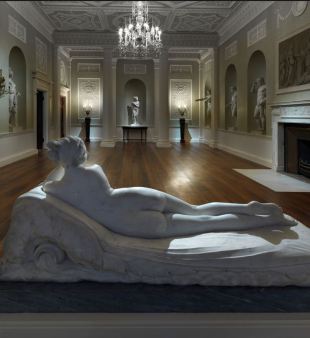 A highlight of The Metropolitan Museum of Art’s 150th anniversary in 2020 is the opening, on March 2, of the Museum’s newly installed Annie Laurie Aitken Galleries and Josephine Mercy Heathcote Gallery—11,000 square feet devoted to British decorative arts, design, and sculpture created between 1500 and 1900. The reimagined suite of 10 galleries (including three superb 18th-century interiors) provides a fresh perspective on the period, focusing on its bold, entrepreneurial spirit and complex history. The new narrative offers a chronological exploration of the intense commercial drive among artists, manufacturers, and retailers that shaped British design over the course of 400 years. During this period, global trade and the growth of the British Empire fueled innovation, industry, and exploitation. Works on view illuminate the emergence of a new middle class—ready consumers for luxury goods—which inspired an age of exceptional creativity and invention during a time of harsh colonialism.
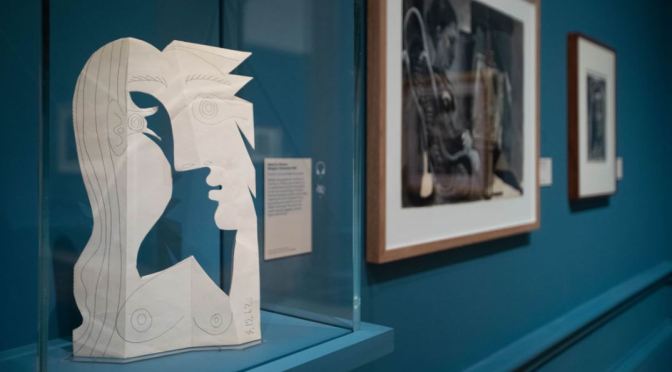
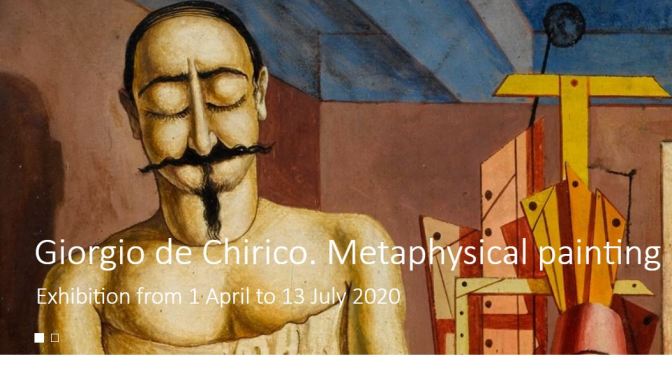
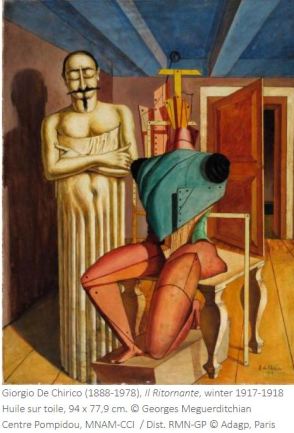 subsequently backed by the art dealer Paul Guillaume – and the Parisian cultural and literary circles will be highlighted as never before.
 The exhibition thus comes into its own at the Musée de l’Orangerie alongside the figure of Paul Guillaume, the first art dealer to work with Giorgio de Chirico. On his return to Italy in 1915, he and his brother Savinio were sent to Ferrare for military reasons, where he continued his artistic research. This period (June 1915-December 1918) provided an opportunity for painters Carlo Carrà and Giorgio Morandi to get to know the two brothers, thus resulting in the creation of what was later to be known as the “metaphysical movement” which brings the exhibition to a close.
 Boomers Daily