From “The Guardian”:
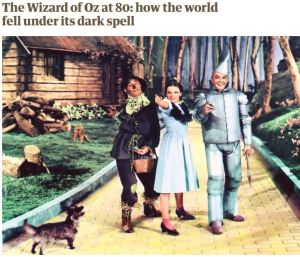 “…from Elton John’s albumGoodbye Yellow Brick Road to the Coen brothers’ O Brother, Where Art Thou?, which owes as much to Oz as it does to Homer’s Odyssey. Joel Coen once said: “Every movie ever made is an attempt to remake The Wizard of Oz.” In his 1992 essay about Fleming’s film, Salman Rushdie describes it as his “very first literary influence”. It was one of Derek Jarman’s favourite movies, and among the first he ever saw. (This is the key to its influence: the fact that everyone watches it in childhood. It seeps into your unconscious and stays there.) And there are the spin-offs, sequels and prequels – The Wiz, Return to Oz, Oz the Great and Powerful, Wicked.”
Eighty years ago, in the summer of 1939, 16-year-old Judy Garland appeared on cinema screens as the orphan Dorothy Gale, dreaming of escape from bleak, monochrome Kansas. “Find yourself a place where you won’t get into any trouble,” her aunt beseeches, too busy for poor old Dorothy, who soon breaks into song: “Somewhere, over the rainbow, skies are blue / And the dreams that you dare to dream really do come true”. Her wish is soon granted by a tornado that carries her to the gaudy, Technicolor Land of Oz, instilling her as an icon for misfits, migrants, gay kids, dreamers – anyone who has ever wanted to run away.
Read more by clicking the following link:
https://www.theguardian.com/film/2019/jun/17/how-the-world-fell-under-the-spell-of-the-wizard-of-oz

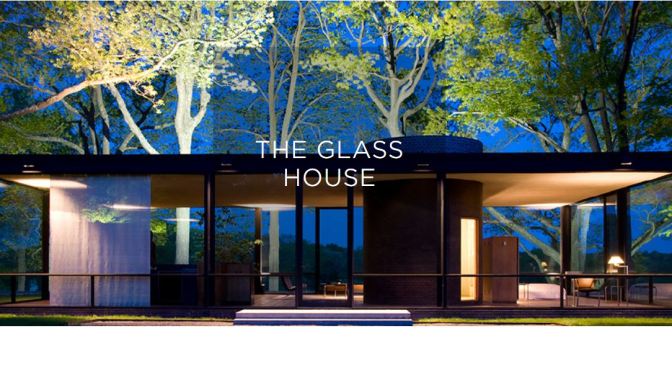
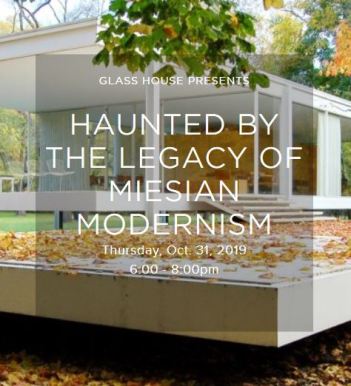 The Glass House, designed by architect Philip Johnson in 1949, when floor-to-ceiling windows were a novelty even in office buildings, is a work of art in itself. But there’s much more art to be found on the lush grounds of this famous home in New Canaan, Connecticut. Amble on over to the Painting Gallery, which houses large-scale works by Frank Stella, Andy Warhol, Robert Rauschenberg, and Cindy Sherman, among others, or the Sculpture Gallery, featuring works by such artists as Michael Heizer, George Segal, Frank Stella, and Bruce Nauman.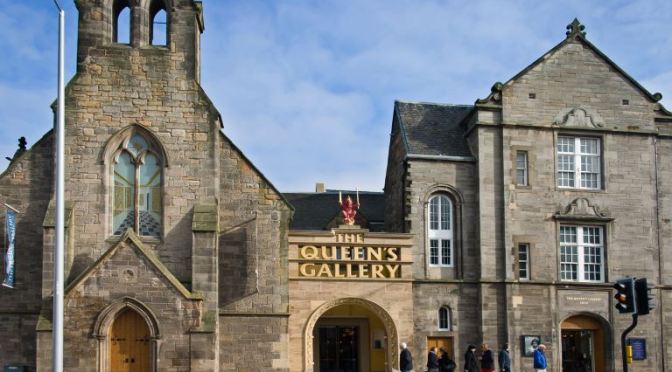
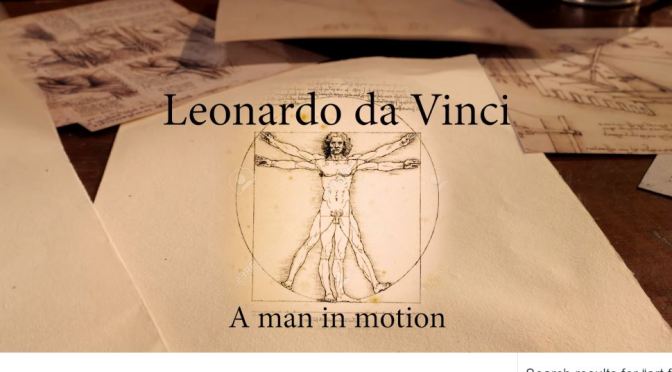
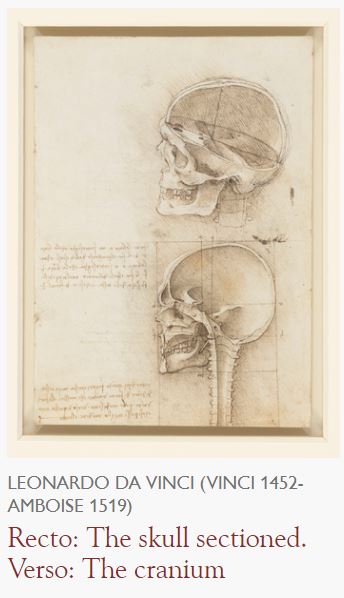 The 200 pages on display at the Queen’s Gallery, Buckingham Palace, have been together since the artist’s death. They were bound by the sculptor Pompeo Leoni in about 1590 and entered the Royal Collection during the reign of Charles II. Some of his most iconic images are here, including his study of a foetus in the womb, made as part of a treatise on anatomy that came close to being finished, but was never published.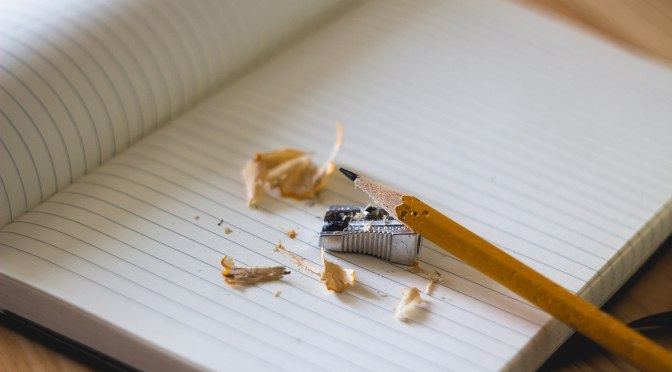
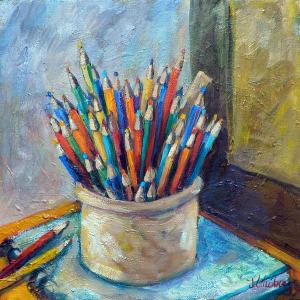 Pencils are discarded, as lighters and umbrellas are, because at some crucial moment they fail in their purpose. They refuse to ignite, quail before a shower, or simply snap. But pencils have merely suspended their usefulness. Their potential still lies within them. They can go on setting down by the thousand the words by which the world works.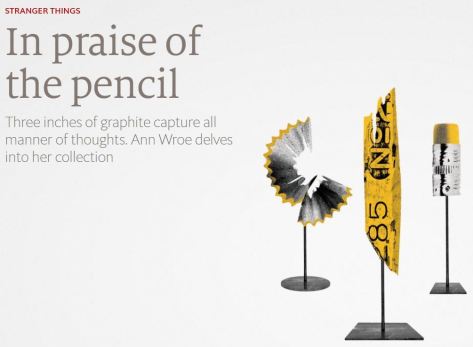
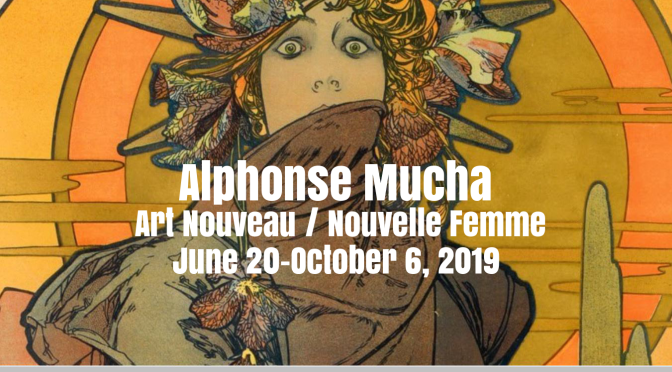
 Alphonse Mucha, born in Bohemia, came to Paris in 1887. Over the next 8 years, he emerged from obscurity to become the most celebrated graphic designer of the Art Nouveau movement. His intricate designs and gorgeous subjects were so popular that he produced pattern books for fellow designers and students, and his publishers repurposed his advertisements for hundreds of other products.
 From our founding in 1929 to the current reimagination of the Museum, MoMA has grown from a bold experiment to New York’s destination for modern and contemporary art. Working with architects Diller Scofidio + Renfro, in collaboration with Gensler, our continued evolution ensures that we always present the most innovative art and meet the changing needs of today’s audiences. To mark this exciting moment, you can explore our history on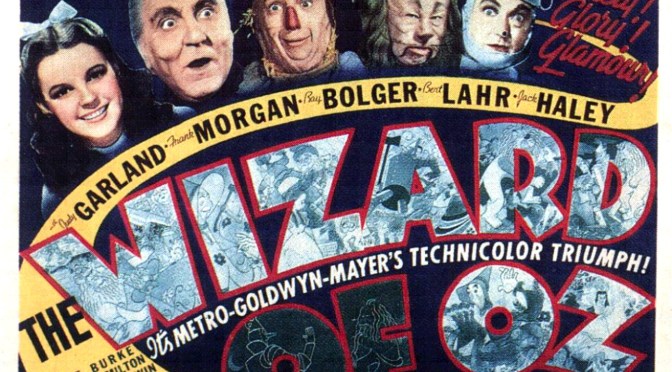
 Boomers Daily