Lyonel Feininger combined influences from different art movements to find a style all his own. In this video, discover how Feininger’s work combines elements of Cubism and Italian Futurism, abstract form and function from the Bauhaus, and an expressive use of colour from his involvement with Die Brucke and Die Blaue Vier. Feininger’s instantly recognisable style is clearly visible in the dramatic interplay of light and shadow displayed in ‘Zottelstedt II’ from 1927.
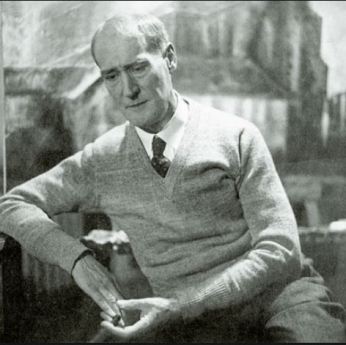
Lyonel Charles Feininger (1871 – 1956) was a German-American painter, and a leading exponent of Expressionism. He also worked as a caricaturist and comic strip artist. He was born and grew up in New York City, traveling to Germany at 16 to study and perfect his art.
This magnificent watercolour by J.M.W. Turner exquisitely captures the romantic painter’s love for the North of England. Discover how the “painter of light” depicted the sheer essence of time and atmosphere in this sumptuous watercolour of “God’s Own Country”.
Gledhow Hall, in Leeds, is still standing sentinel and today houses several luxury flats. Yet few are aware that the Hall and the Gledhow area itself is intrinsically linked with the family of Kate Middleton, the Duchess of Cambridge.
Gledhow Hall is on Gledhow Lane at its junction with Gledhow Wood Road. The land was originally monastic and was purchased from Queen Elizabeth I by the Thwaites family. Several notable Yorkshire families have owned the Hall, including the Becketts, the Benyons, the Dixons and the Coopers. The Hall, as seen today, was completed shortly after 1766, by York architect John Carr who had been responsible for Harewood House – the home of Princess Mary, Countess of Harewood, whose niece is Queen Elizabeth II.
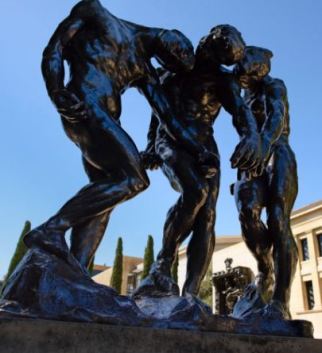
The Three Shades is among the works in the Rodin Sculpture Garden, adjacent to the Cantor Arts Center. The sculpture uses three separate casts of the same figure that has been rotated into different positions. (Image credit: L.A. Cicero)
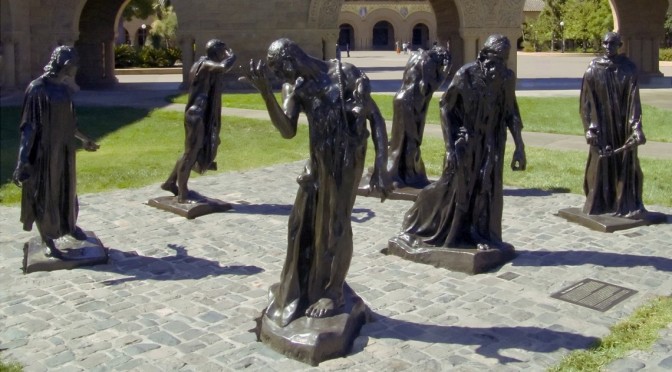
The enduring appeal of Rodin, the modernity of his work, has to do with the way in which he makes visible an aesthetic of process – how, in other words, he takes traditional sculpture apart and puts it back together again in new and daring ways. Strategies of multiplication, scalability, fragmentation and recombinatory modes of assembly and display constitute some of the hallmarks of Rodin’s artistic practice.
Works by Rodin on view at the Cantor are often utilized by students and scholars from a range of disciplines, including medicine. In this moment, with outbreak of disease across the globe, what can Rodin’s works teach us about the relationship between art and nature?
It’s interesting that Rodin attracts so much attention from medical experts, especially here at Stanford, who have used his hands for diagnostic purposes. It’s true that Rodin was intensely interested in exploring pathologies of the body, especially now-discredited understandings of female hysteria. But there is also the irony that Rodin became furious after a critic accused him of making his first life-size figure through life casting, rather than modeling it himself. It should go without saying, but Rodin’s hands are not hands – not real ones, anyway – and their expressive forms don’t align neatly with the anatomical reality of hands in flesh and blood or even their more naturalistic counterparts. But the very fact that they elicit such responses demonstrates the power of art to provoke challenging questions that drive innovative paths of research that cut across disciplines, particularly in a university setting.
In this week’s episode of “Cocktails with a Curator,” get up close to one of the Frick’s three beloved Vermeer paintings, “Officer and Laughing Girl,” with Curator Aimee Ng. While enjoying your Kopstootje—a shot of jenever (a traditional Dutch liquor) paired with a pint of beer—join Aimee in examining the artist’s masterful skill at portraying light and exploring the complex histories behind a seemingly simple hat.
Johannes Vermeer, in original Dutch Jan Vermeer van Delft, was a Dutch Baroque Period painter who specialized in domestic interior scenes of middle class life. During his lifetime, he was a moderately successful provincial genre painter, recognized in Delft and The Hague.
Alberto Giacometti is one of the most admired and sought-after sculptors of the 20th century. In this video, discover how his post-war work came to embody the ideas of Existentialism and how the influence of ancient sculpture led to the attenuated human form so emblematic of his oeuvre. Conceived in 1956-57, at the height of Giacometti’s international acclaim, ‘Femme Debout’ comes from an outstanding family collection of works from the European avant-garde.
On this episode of Art Institute Essentials Tour, take a closer look at The Bedroom, painted by Vincent van Gogh in 1889. Vincent van Gogh painted three versions, including this one, of his bedroom in the “Yellow House” in Arles, France. To van Gogh, this picture symbolized relaxation and peace. However, to our eyes the canvas seems to teem with nervous energy, instability, and turmoil—an effect heightened by the sharply receding perspective.
“Provence has a treasure; it’s a Colombe d’Or. It has the precious scent of thyme and nostalgia and the golden colour of olive oil and happy days. The Colombe is a part of my life. For me, it’s a place that’s as full of promise as of magnificent memories. The Colombe is indefinable, inimitable. I’m happy that today a book brings back the atmosphere of this place which is like no other in the world.”
La Colombe d’Or hotel and restaurant in the South of France is known all over the world as a privileged place where the Provençal art de vivre goes hand in hand with an astonishing private COLLECTION of modern art.
First opened in 1920 as Chez Robinson, a café-bar with an open-air terrace, it quickly became a very popular meeting place and expanded into a small hotel and restaurant. The friendly atmosphere together with owner Paul Roux’s deep interest in the arts attracted many artists of the day, and the walls were soon covered by paintings, often exchanged for a stay or a few meals. As regular visitors to this beautiful place, Matisse, Braque, Léger, Calder, César, and many other artists have left magnificent works that now form part of the unique setting, including splendid pages in the fascinating guest books—presented to the world for the first time in this volume—in which the greatest artists of our time have drawn and signed moments of happiness. The next generation of the Roux family continues to care for the Colombe d’Or, and the art COLLECTION is still growing today.
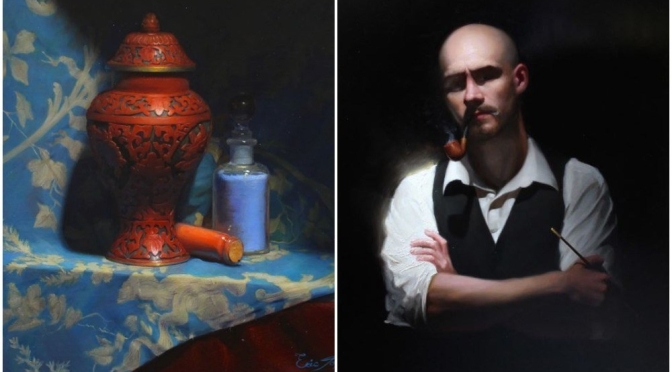
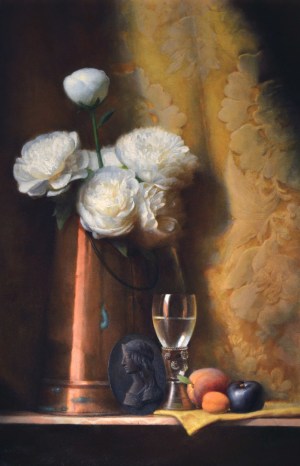
Eric Johnson is a Boston based Painter and instructor at The Academy of Realist Art Boston who is devoted to the preservation and growth of traditional painting. He aspires towards adding his own link into the chain of tradition by mastering the working methods of the old masters who he admires and employing those methods into his own working process.
As a complete painter he aspires to reach a high level of verisimilitude and truth in his works on a variety of subject matters from portrait, still life and landscape. Eric primarily makes all of the pigments and paints to create each prepossessing painting. Eric yearns that every new presentation to beauty and truth can show us the old beauty and the old truth only seen from a different angle and colored by a different medium.
In this week’s episode of “Cocktails with a Curator,” join Deputy Director and Peter Jay Sharp Chief Curator Xavier F. Salomon as he explores the royal provenance of two pieces of furniture at the Frick made by Jean-Henri Riesener. Sometimes overlooked by visitors, Xavier encourages us to take a closer look at this exquisite commode and secrétaire set. In celebration of these works of art and the upcoming Bastille Day, this week’s complementary cocktail is the Kir Royale.
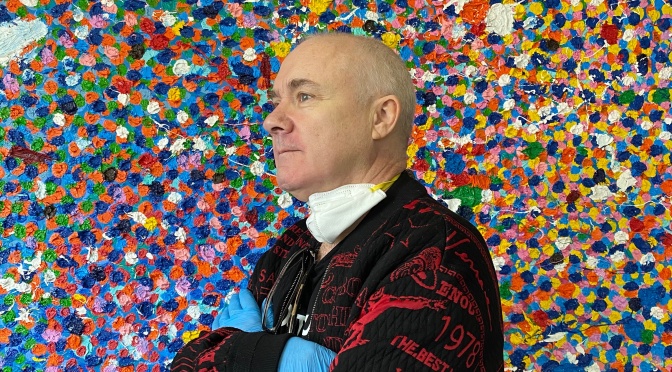
“I wanted to make paintings that were a celebration, and that revealed something and obscured something at the same time.” —Damien Hirst
Damien Steven Hirst (born 1965) is an English artist, entrepreneur, and art collector. He is one of the Young British Artists, who dominated the art scene in the UK during the 1990s. He is reportedly the United Kingdom’s richest living artist, with his wealth valued at £215m in the 2010 Sunday Times Rich List.

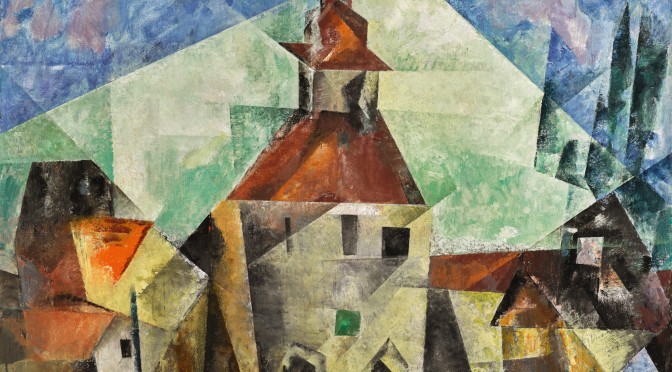
 Italian Futurism, abstract form and function from the Bauhaus, and an expressive use of colour from his involvement with Die Brucke and Die Blaue Vier. Feininger’s instantly recognisable style is clearly visible in the dramatic interplay of light and shadow displayed in ‘Zottelstedt II’ from 1927.
 It’s interesting that Rodin attracts so much attention from medical experts, especially here at Stanford, who have used his hands for diagnostic purposes. It’s true that Rodin was intensely interested in exploring pathologies of the body, especially now-discredited understandings of female hysteria. But there is also the irony that Rodin became furious after a critic accused him of making his first life-size figure through life casting, rather than modeling it himself. It should go without saying, but Rodin’s hands are not hands – not real ones, anyway – and their expressive forms don’t align neatly with the anatomical reality of hands in flesh and blood or even their more naturalistic counterparts. But the very fact that they elicit such responses demonstrates the power of art to provoke challenging questions that drive innovative paths of research that cut across disciplines, particularly in a university setting.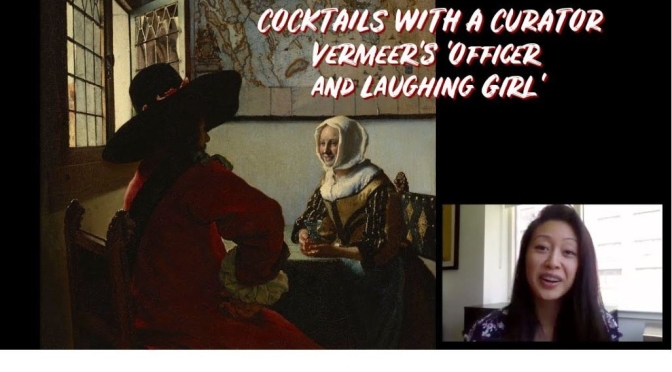
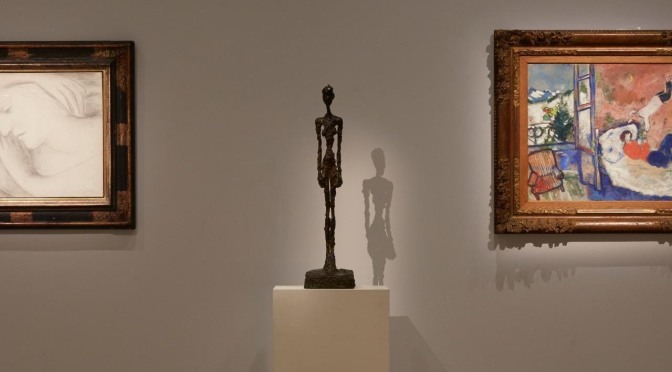
 Alberto Giacometti is one of the most admired and sought-after sculptors of the 20th century. In this video, discover how his post-war work came to embody the ideas of Existentialism and how the influence of ancient sculpture led to the attenuated human form so emblematic of his oeuvre. Conceived in 1956-57, at the height of Giacometti’s international acclaim, ‘Femme Debout’ comes from an outstanding family collection of works from the European avant-garde.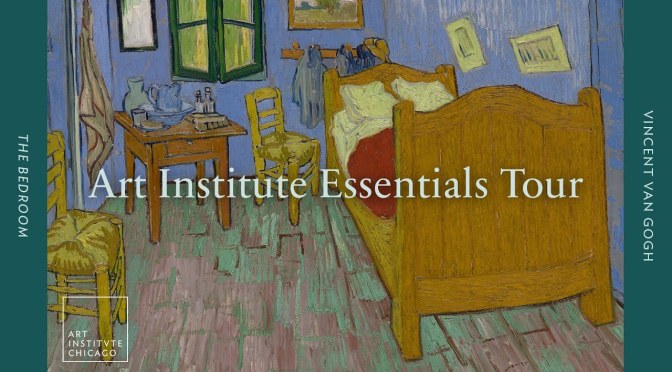
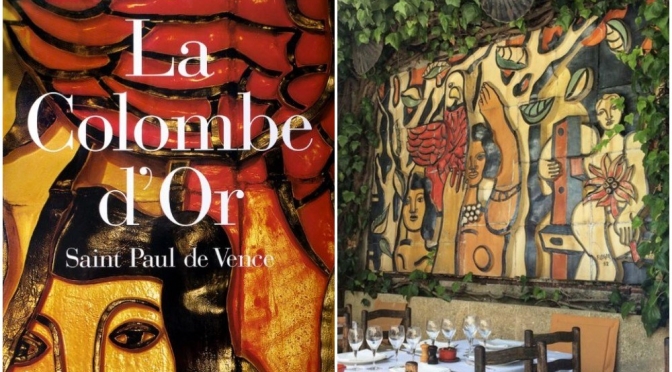
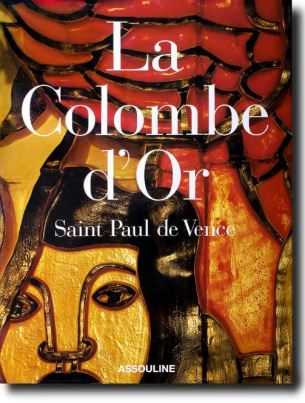 “Provence has a treasure; it’s a Colombe d’Or. It has the precious scent of thyme and nostalgia and the golden colour of olive oil and happy days. The Colombe is a part of my life. For me, it’s a place that’s as full of promise as of magnificent memories. The Colombe is indefinable, inimitable. I’m happy that today a book brings back the atmosphere of this place which is like no other in the world.”
 As a complete painter he aspires to reach a high level of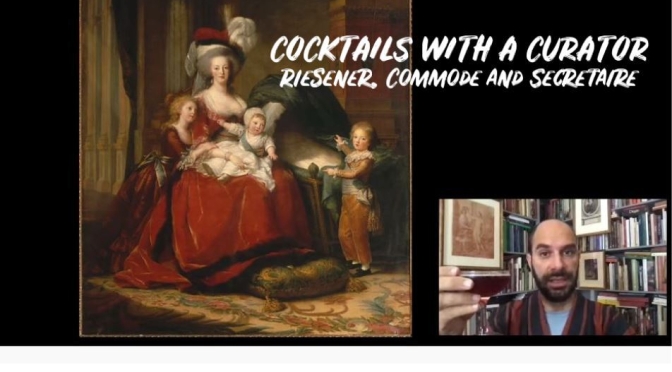
 Damien Steven Hirst (born 1965) is an English artist, entrepreneur, and art collector. He is one of the Young British Artists, who dominated the art scene in the UK during the 1990s. He is reportedly the United Kingdom’s richest living artist, with his wealth valued at £215m in the 2010 Sunday Times Rich List.
 Boomers Daily