
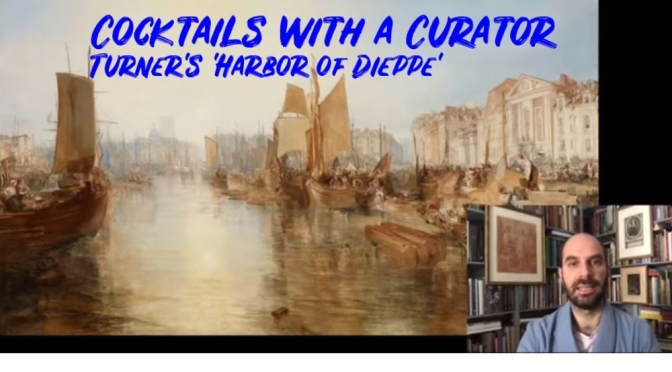
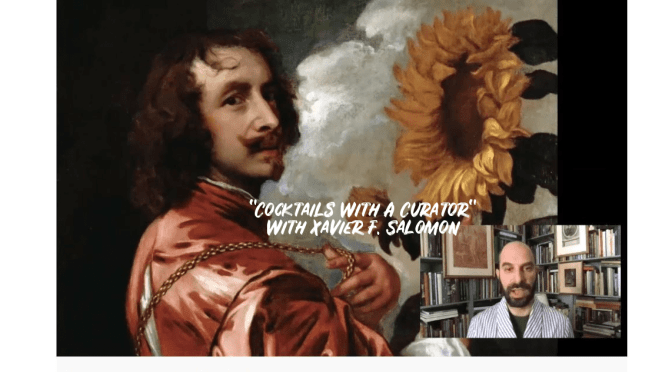
In this episode of “Cocktails with a Curator,” Xavier F. Salomon, Peter Jay Sharp Chief Curator, discusses the French port city depicted in J. M. W. Turner’s painting “Harbor of Dieppe: Changement de Domicile,” and how the artist’s extensive travel throughout Europe helped to develop his affinity for harbors. The complementary cocktail is the Widow’s Kiss, a French drink traditionally given to women who had lost their husbands at sea.
To see this painting in detail, please visit our website: https://collections.frick.org/objects…

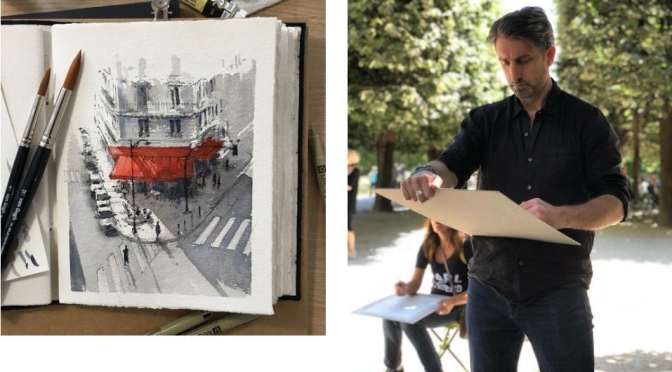
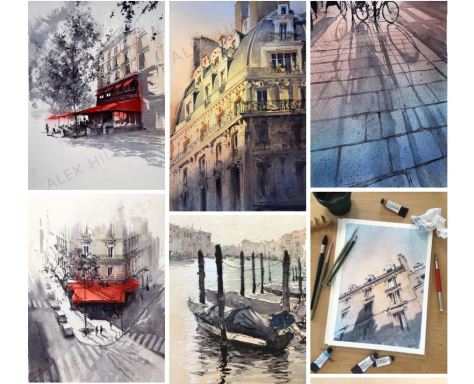 Alex currently lives in Paris with his film editor wife, Tiffany, and enjoys discovering the hidden corners of the city that sketching and plein air painting allow. He uses the language of cinema to inform his images, moving beyond what one sees, and depicting what he wants others to see. He believes that in our too-crowded lives, sketching and plein air painting invite us to move at a more deliberate pace… a true sense of place, and sometimes unexpected stories are revealed.


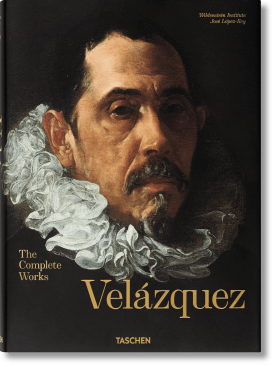 Manet called him “the greatest painter of all.” Picasso was so inspired by his masterpiece Las Meninas that he painted 44 variations of it. Francis Bacon painted a study of his portrait of Pope Innocent X. Monet and Renoir, Corot and Courbet, Degas and Dalí…for so many champions of art history, the ultimate soundboard was—and remains—Diego Rodríguez de Silva y Velázquez (1599-1660).



 Boomers Daily