

From the Wall Street Journal (June 19, 2020):
 …what perhaps absorbed him most was a suite of 10 paintings of one of the weeping willows he had planted on the shores of his pond in 1893, when he had purchased the property to construct his aquatic paradise. The tree had grown in girth and grandeur over the intervening years, its leafy arms now extending out over the dappled waters like an impassioned conductor energizing an orchestra.
The trees in Monet’s water garden are much less known than the flowers, but they were central to his vision of what that ideal space should include and thus dear to his heart. In 1912, when severe winds and rains wreaked havoc on his horticultural handiwork, what Monet mourned most was the damage to his willows.
Weeping willows, of course, evoke mourning by their very appearance no less than by their appellation, their drooping tendrils the very symbol of sorrow. It’s therefore not surprising, given Monet’s sensitivity to his nation’s plight, that he turned to this tree to express the trauma of the moment.

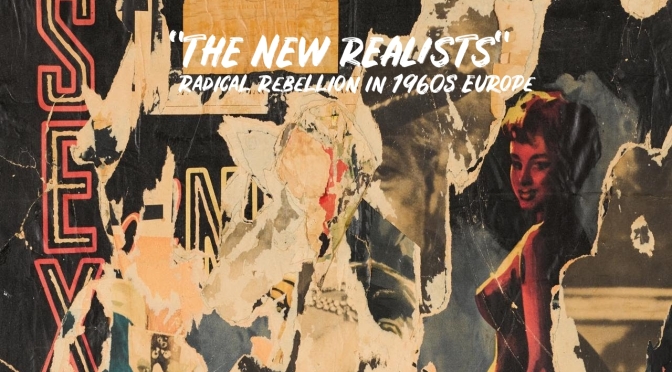
 In the 1960s, while America was being wowed by Pop art, Europe had its own answer to bringing life and art closer together. In this episode of Expert Voices, learn about Nouveau Réalism – a groundbreaking movement in which artists created radical and rebellious sculptures and paintings in protest against the rise of consumerism.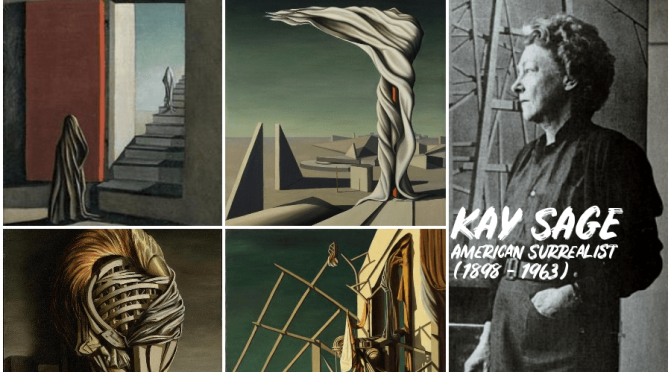
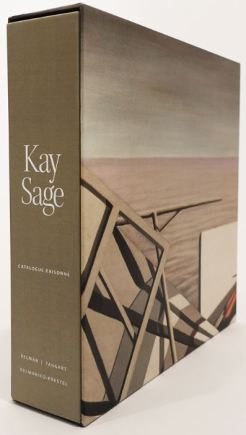 Sage is renowned for her empty, enigmatic, eerily lit landscapes. Human figures are markedly absent — their presence felt only by the monolithic, architectural structures and unidentifiable, draped objects they seem to have left behind. In this respect, 1945’s Other Answers is a quintessential Sage painting.
 In the summer of 1940, Sage had her first solo show, at the influential Pierre Matisse Gallery in Manhattan. Then, in early 1943, she was part of the landmark Exhibition by 31 Women, curated and staged by Peggy Guggenheim in her Art of This Century Gallery.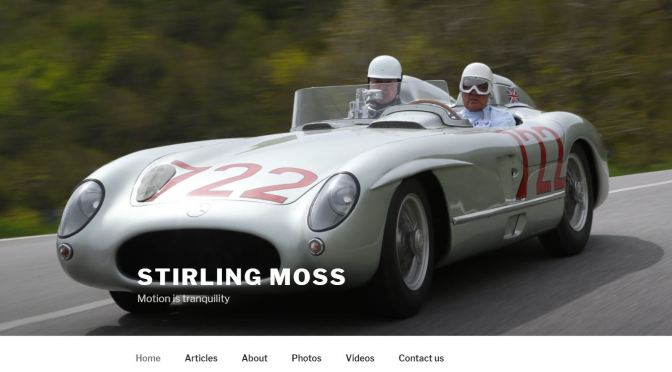
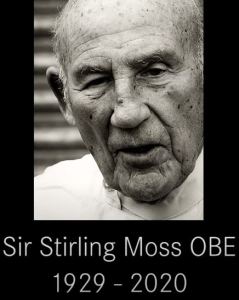 Paying tribute to a racing icon and sporting legend. Rest in peace, Sir Stirling Moss. We’ll miss you.
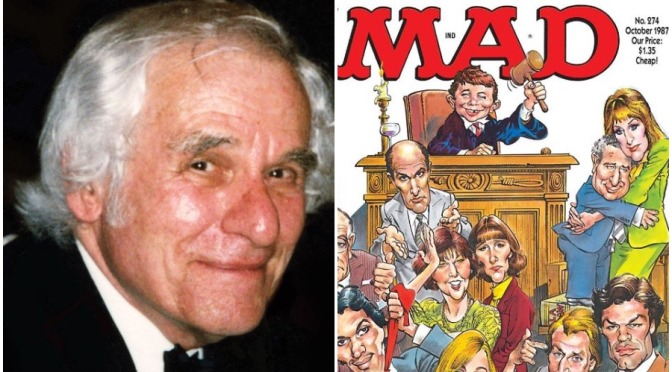
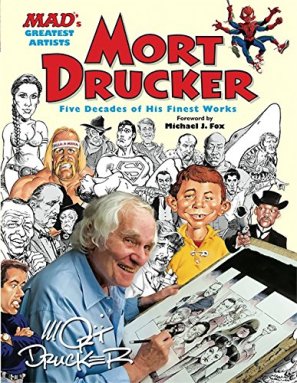 MAD Magazine and DC Comics mourn the loss of Mort Drucker, whose artwork proved that parody is the sincerest form of flattery. “Mort was one of the best—maybe the best—caricature artists in the world,” said DC Chief Creative Officer and Publisher Jim Lee. “His work will continue to entertain for generations.”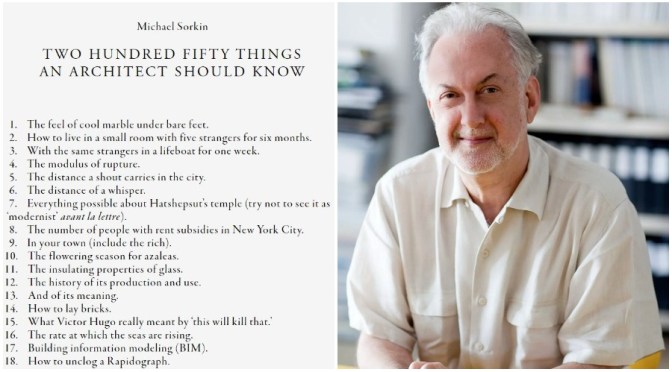
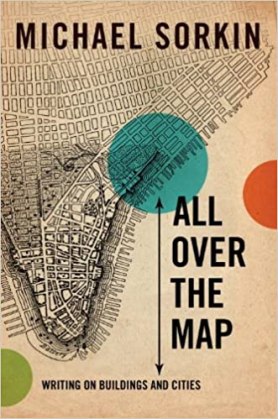 Ultimately he was a humane critic of the contemporary city, a serious, funny and poetic voice defending the powerless against big capital and an articulator of how architecture should be used as a tool of resistance. He is indelibly associated with New York, a city he loved with a fervour despite its faults, and of which he defended every inch as a public good. Number 210 in his list was the medieval German phrase ‘Stadtluft macht frei’ – ‘city air makes you free’. He will survive through his magical writing, which makes us all a little freer.
 Boomers Daily