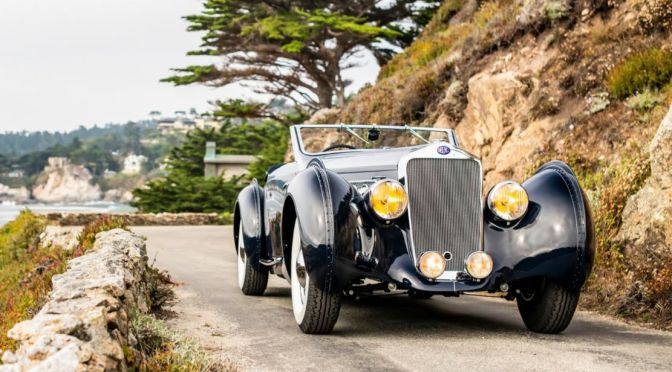
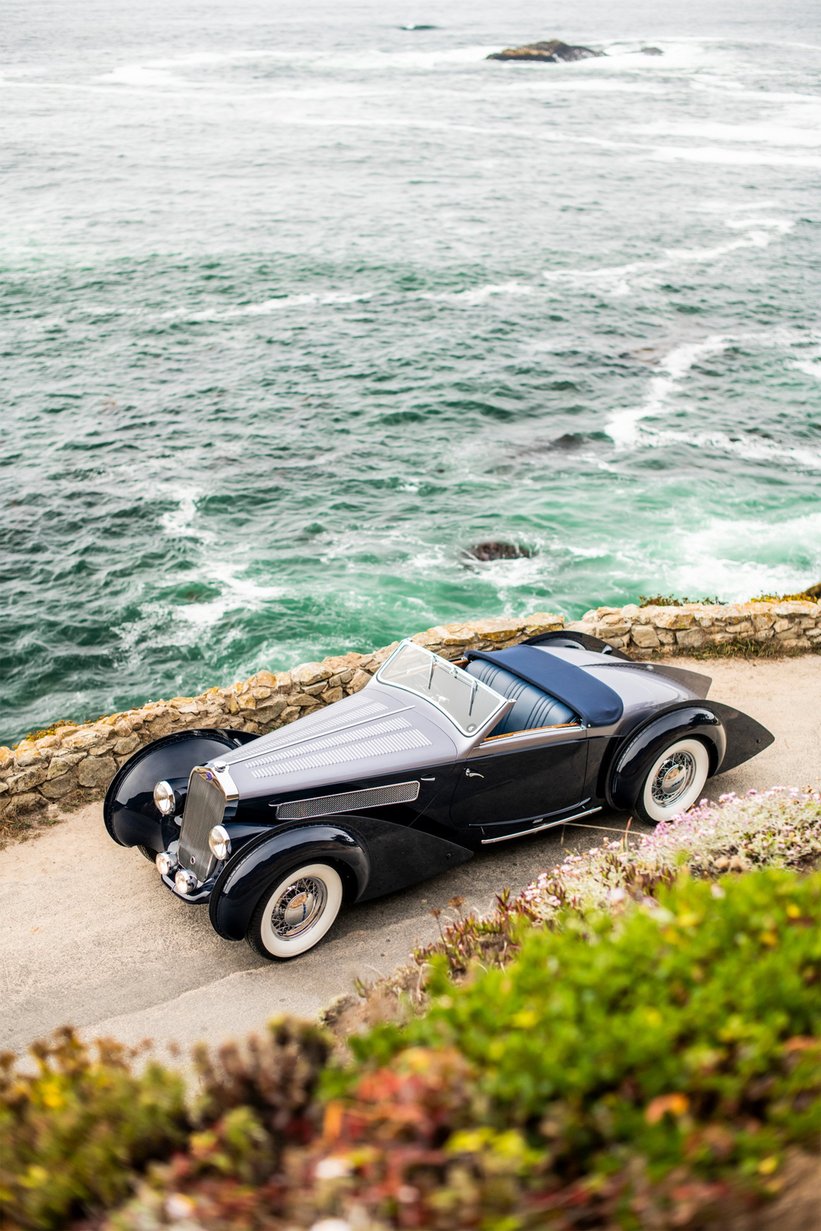
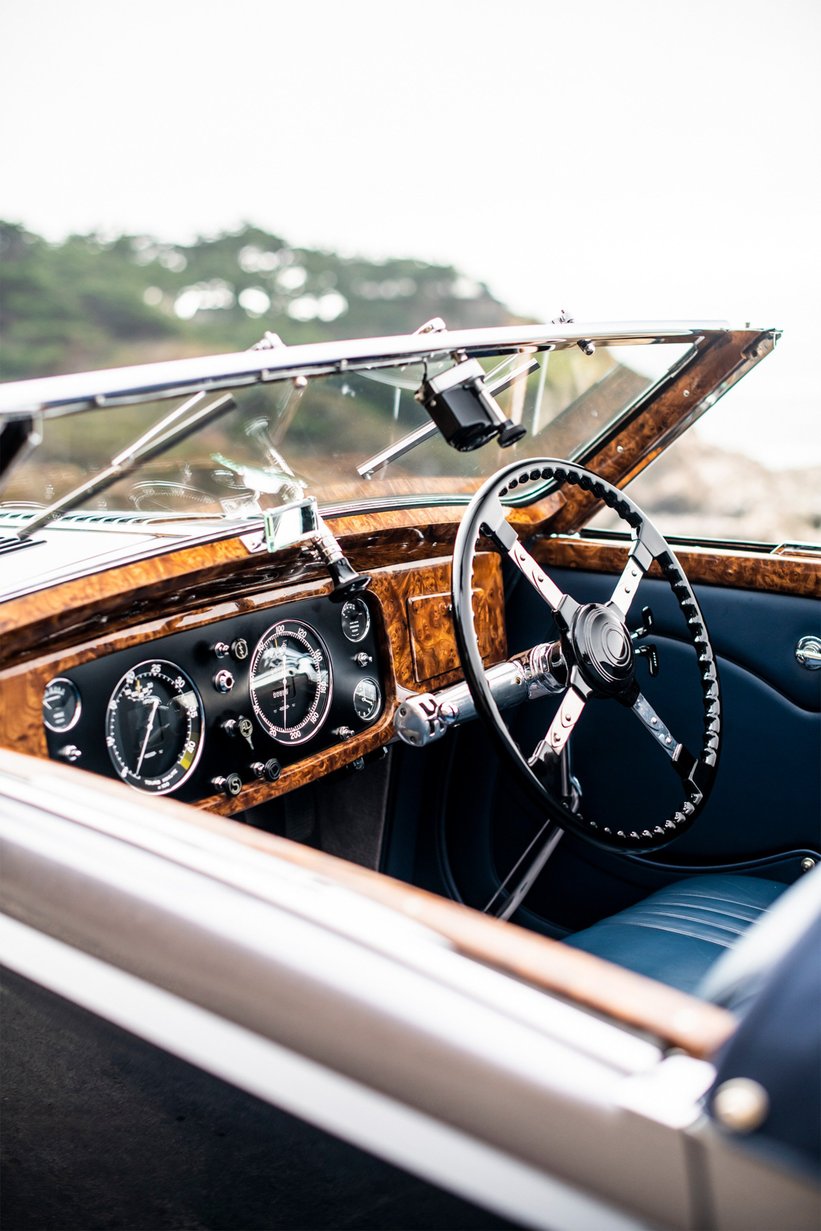
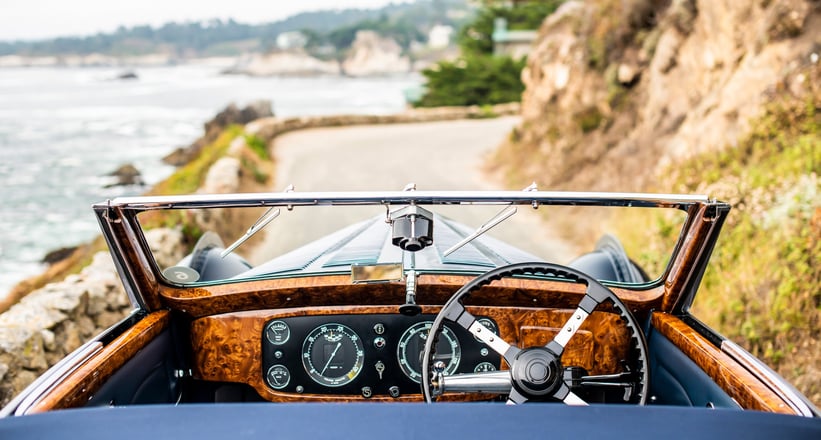
ClassicDriver Magazine (November 7, 2023) – The Pearl Collection recently stole the show and won Peninsula Classics’ Best of the Best award with their fabulous Delage D8-120 S De Villars. We sat down with Fritz Burkard to understand what separates the best from the rest in the Concours world.
“It has a breathtaking presence. It looks good from every angle, it’s spectacular in design, and it’s unique. It has features from the period, like those riveted fins, which incorporate a bit of the Bugatti Atlantic. It has a bit of Saoutchik, a bit of Figoni et Falaschi, there’s everything in there, but it stands out and becomes something unique, it’s not a mix match.”
There’s a book called ‘From Passion to Perfection’ by Richard Adatto – it’s the bible for pre-war swooping lines and aerodynamics, it covers all the teardrops. It reaches out towards the Atlantic, to other streamlined cars, and it also has a chapter about the Delage. It’s not only my bible, but it also seems to be my shopping catalogue. There’s also the Delahaye 165, Merle Mullin has one and I have the other, there are only two made. She just drove hers to Pebble Beach and finished in the top four. Anyway, the the Delage got offered to me, and it took me maybe 15 seconds to say yes!
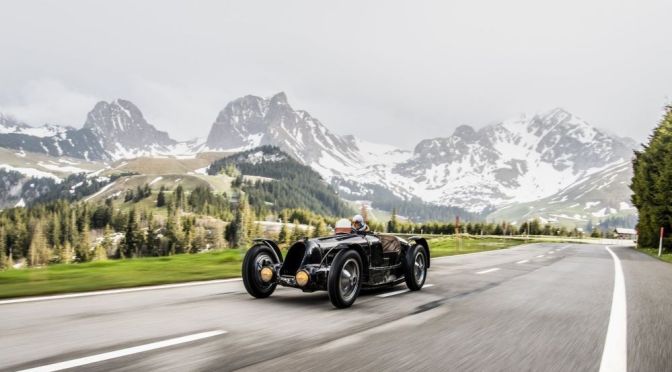
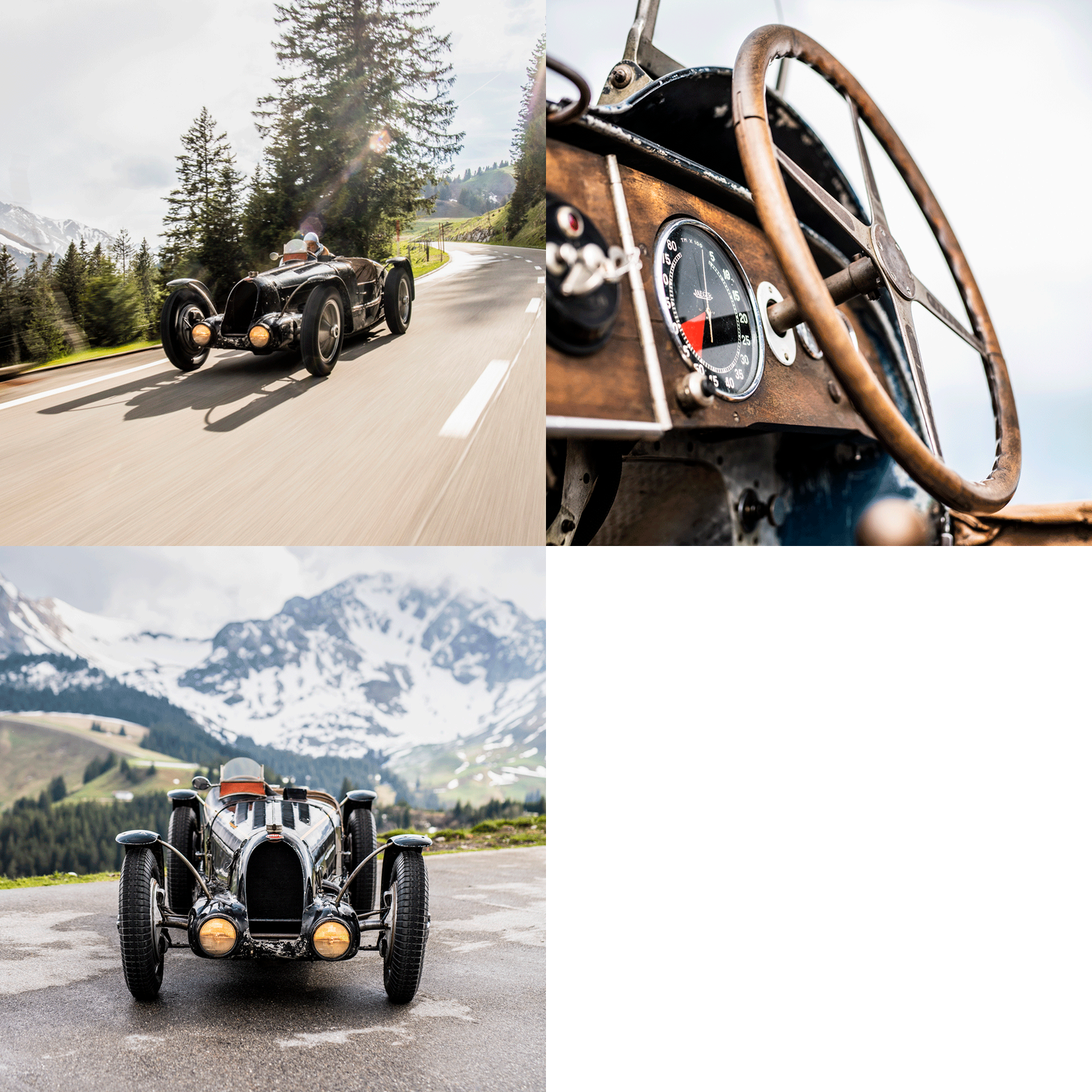
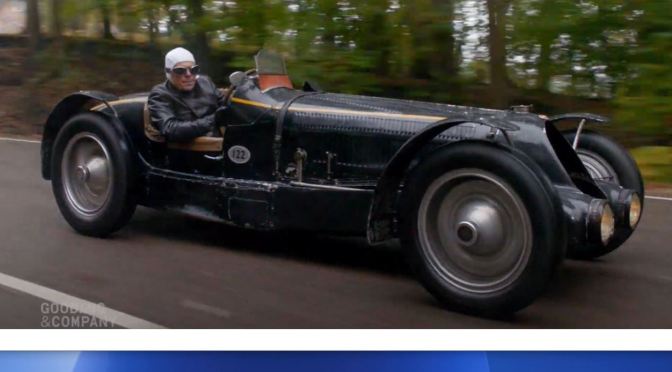
One of the absolute stars of this year’s Concorso d’Eleganza Villa d’Este will be the Bugatti 59 once owned by King Leopold III of Belgium. We met the remarkable car and its owner for a last shakedown in the Swiss Alps.
There is no doubt that this will be the star of the next Concorso d’Eleganza Villa d’Este, taking place on the shores of Lake Como from 20 to 22 May 2022. But what is it? The car before you is nothing less than the very first of the six Type 59 Bugatti Grand Prix cars, and the one that’s considered the most desirable of all, due to its remarkable race records, its captivating history, and its extraordinary condition.
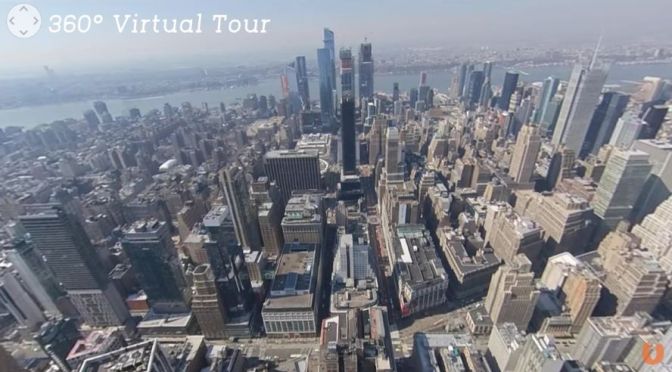
The Empire State Building is a 102-story Art Deco skyscraper in Midtown Manhattan in New York City, United States. It was designed by Shreve, Lamb & Harmon and built from 1930 to 1931. Its name is derived from “Empire State”, the nickname of the state of New York.
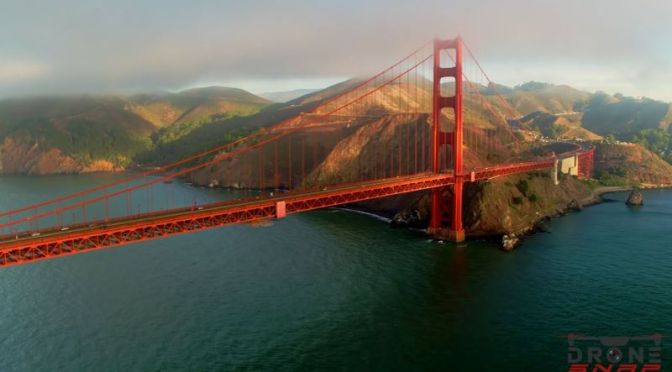
The Golden Gate Bridge stands at the entrance to California’s San Francisco Bay as a symbol of American ingenuity and resolve, having been constructed during the era of the Great Depression. Today, this beloved international icon and true engineering marvel carries about 40 million vehicles a year and serves not only as a vital transportation link but also as a major travel destination for millions of visitors from around the world.
Construction began on January 5, 1933. This was followed by the official ground breaking ceremony held on February 26, 1933, at nearby Crissy Field (now part of the Golden Gate National Recreation Area). The start of construction was met with great delight. A celebration at nearby Crissy Field went on for hours with at least 100,000 people in attendance. The San Francisco newspaper wrote the next day, “Two hundred and fifty carrier pigeons, provided by the San Francisco Racing Pigeon Club to carry the message of groundbreaking to every corner of California, were so frightened by the surging human mass that small boys had to crawl into their compartments in the bridge replica to shoo them out with sticks.”
Construction Timeline
December 22, 1932: Extending from Fort Baker pier, the construction of a 1,700 foot-long access road began to access the construction sites for the Marin anchorage, pier and tower.
January 5, 1933: Construction officially started.
January 1933 to February 1936: Marin and San Francisco anchorages and associated pylons.
January 1933 to May 1935: San Francisco anchorage.
January 1933 to June 1933: Marin pier.
January 1933 to June 1935: Marin anchorage.
February 1933: Work began on the east approach road from San Francisco that extended through the Presidio to the south end of the Golden Gate Bridge.
March 1933: Steel for the San Francisco and Marin towers that was prefabricated in Bethlehem steel foundries in Pottstown and Steelton, PA was brought by flatcar to Philadelphia and transferred to barges and shipped through the Panama Canal to Alameda, CA where it was stored until the Marin pier was completed and ready for tower erection.
March 1933 to March 1934: San Francisco tower access trestle was constructed extending 1100 feet offshore. Just as the trestle was completed, it was significantly damaged for the first time on August 14, 1933, when the McCormick Steamship Line’s Sidney M. Hauptman plowed through the thick fog and crashed into the access trestle, damaging about 400 feet. After repairs were made, on December 13, 1933, as a southwest gale battered the Golden Gate Strait for two days, the access trestle was again battered and this time there was 800 feet of wreckage. Trestle repairs began shortly thereafter and completed March 8, 1934.
November 7, 1933: Marin tower construction started. Depending on the source referenced, it was completed either on June 28, 1934 or sometime in November 1934.
October 24, 1934: San Francisco fender wall completed.
November 27, 1934: San Francisco pier area within the fender wall was un-watered.
January 3, 1935: San Francisco pier reached its final height of 44 feet above the water.
January 1935 to June 28, 1935: San Francisco tower construction.
August 2, 1935 to September 27, 1935: Harbor Tug and Barge Company strung the first wire cables to support the footwalks (aka catwalks) constructed across the Golden Gate Strait in preparation for main cable spinning.
October 1935 to May 1936: Main cable spinning and compression.
April 1936: Start of the Sausalito lateral approach road which was constructed as a W.P.A. project.
July 1936 to December 14, 1936: Suspended structure.
July 21, 1936: Start of San Francisco approach viaduct structures and Fort Point arch construction.
November 18, 1936: Two sections of the Bridge’s main span were joined in the middle. A brief ceremony marked the occasion when groups from San Francisco and Marin met and exchanged remarks at the center of the span. Major Thomas L. McKenna, Catholic Chaplin of Fort Scott, blessed the span while sprinkling holy water.
January 19, 1937 to April 19, 1937: Roadway completed.
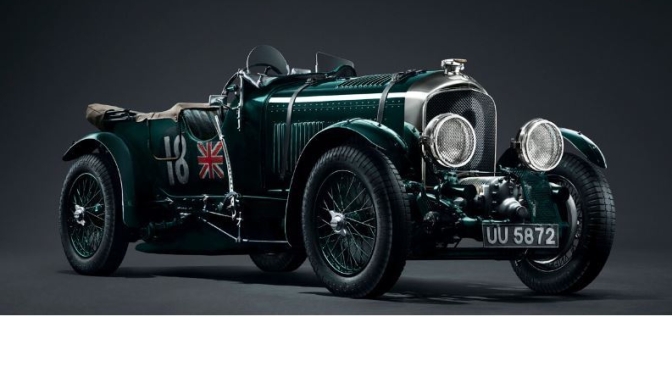
One of the most iconic cars from Bentley’s history – Sir Tim Birkin’s 1929 supercharged 4½-litre “Blower” – is to be reborn with a new build of 12 matching cars, each individually handcrafted by a team of specialists from Bentley’s bespoking and coachwork division, Mulliner. Together, the new cars will form the world’s first pre-war race car continuation series.
Only four original ‘Team Blowers’ were built for racing by Birkin, in the late 1920s. All were campaigned on the racetracks of Europe, with the most famous car – Birkin’s own Team Car No. 2, registration UU 5872 – racing at Le Mans and playing a pivotal role in the factory Bentley Speed Six victory in 1930.
Now, using a combination of generations of handcraftsmanship skills and the very latest digital technology, the 1929 Team Blower will be the master example for 12 continuations – one for each race that the original fleet of four Team Blowers competed in.
One of the world’s most famous skyscrapers has just been through a major 10-year modernisation project. See New York City’s 1930s icon has been updated for the modern age.
The Empire State Building is a 102-story Art Deco skyscraper in Midtown Manhattan in New York City. It was designed by Shreve, Lamb & Harmon and built from 1930 to 1931. Its name is derived from “Empire State”, the nickname of the state of New York.
Gooding & Company proudly presents the ultimate Bugatti Grand Prix car: the incomparable Type 59. This extraordinary 1934 Bugatti Type 59 Sports represents the ultimate evolution of the Bugatti Grand Prix car and is both a technical marvel and a masterpiece of industrial art. Carefully preserved by just four subsequent owners, and presented today in time-warp condition, 57248 is arguably the most important, original, and coveted of all competition Bugattis.
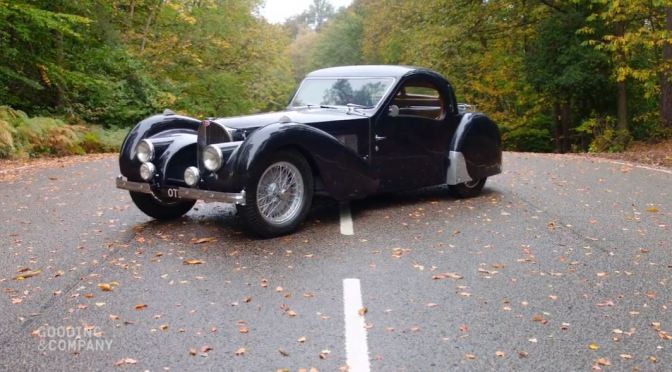
One of the most sought after and desired Bugatti Type 57S variants was the Type 57S Atalante. The 57S Atalante sports the Jean Bugatti designed Atalante body style fitted to the lowered Type 57S chassis. With its 3.2L straight eight engine and its sleek aerodynamic design, the 57S Atalante was a world class performance car. It was common for Type 57S owners to fit the Bugatti supercharger (designated by the letter C), effectively upgrading their cars to Type 57SC specification.
News, Views and Reviews For The Intellectually Curious



 TIME
TIME


 Boomers Daily