

Our cover this week: Our last issue of the year always honors the artists, innovators and thinkers we lost over the past twelve months.
— NYT Magazine (@NYTmag) December 23, 2021
These are The Lives They Lived. https://t.co/iKDXe4Nvoi pic.twitter.com/Ma8ES93gO8

Analysis: Best Ways To Produce Green Energy
Fossil fuels still supply about 80% of the world’s power. How can energy be produced and used more sustainably to meet climate targets? We answer your questions. film supported by @Infosys
Timeline: 00:00 – Why energy needs to become more sustainable 00:33 – How much energy should come from renewables? 01:19 – Why isn’t nuclear power used more widely? 02:19 – How can solar power be made more efficient? 03:34 – Will biofuels become widely used? 04:30 – Do electric vehicles make a difference? 05:10 – How heating and air conditioning can be more sustainable
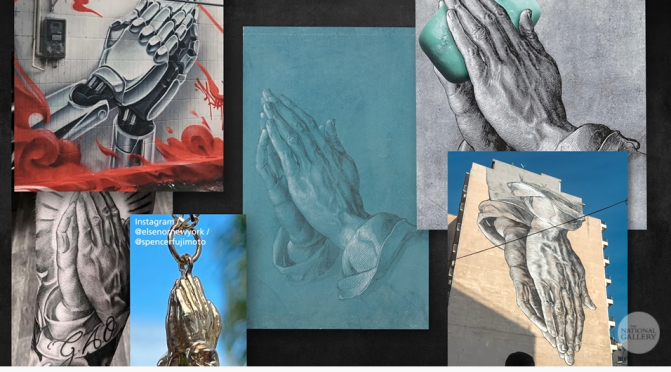
History Of Art: Albrecht Dürer’s Lasting Influence
Even if you don’t know the name, chances are you’ve seen a reproduction of one of his prints. What is it about his work that has made it last? Through paintings, drawings, prints, and letters, our exhibition ‘Dürer’s Journeys: Travels of a Renaissance Artist’ brings to life this art history megastar and the people and places he visited.

Morning News: Covid Pill Approved, Capitol Hill Riot, Putin Conference
The FDA has approved the emergency use of Pfizer’s antiviral COVID pill. The House Select Committee investigating the January 6 insurrection at the Capitol wants to question Representative Jim Jordan.
And, the world is watching President Vladimir Putin’s annual year-end press conference a little closer this year as tensions rise on the border with Ukraine.

Front Page Views: The New York Times – December 23

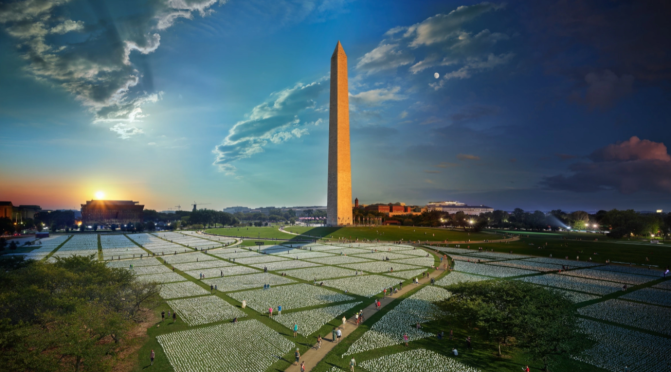
2021 In Review: National Geographic’s Top Images
ABC News’ Linsey Davis speaks with Pulitzer Prize-winning photographer Lynsey Addario about some of the top images from National Geographic’s “Year in Pictures” issue.

Brain Health: The Benefits Of Endurance Exercise
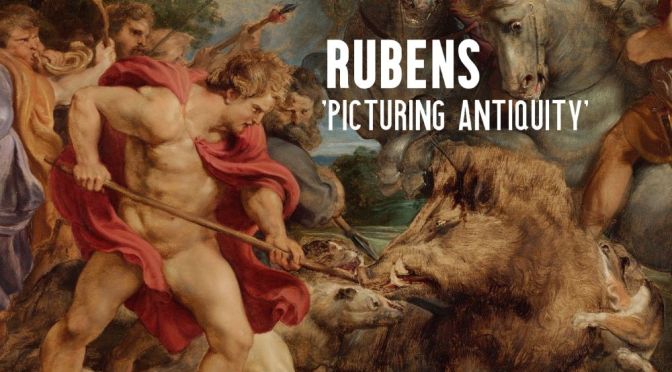
Art History: ‘Rubens – Picturing Antiquity’
“I think it just shows very well how Rubens worked, how he got the inspiration from antiquity, but he transforms it into something completely new and very alive.”
The Flemish Baroque painter Peter Paul Rubens is most famous for his dynamic, colorful renderings of religious scenes and mythological stories. Yet Rubens’s work was also deeply inspired by the art of the past. He was a keen student of classical antiquity, engaging with ancient sculptures, coins, gems, and cameos both at home and in his travels through Italy. His friendships with antiquarians, patrons, and scholars provided a network for vibrant intellectual exchanges that informed the artist’s work.
In this episode, Getty curators Anne T. Woollett, Davide Gasparotto, and Jeffrey Spier discuss their exhibition Rubens: Picturing Antiquity, which explores how Rubens was affected by and, in turn, transformed the classical past in his paintings, drawings, and designs. The exhibition, which received major support from Jo Carole and Ronald S. Lauder and generous support from the Leonetti/O’Connell Family Foundation, is on view at the Getty Villa through January 24, 2022.
For images, transcripts, and more, visit https://blogs.getty.edu/iris/podcast-peter-paul-rubens-and-the-arts-of-antiquity
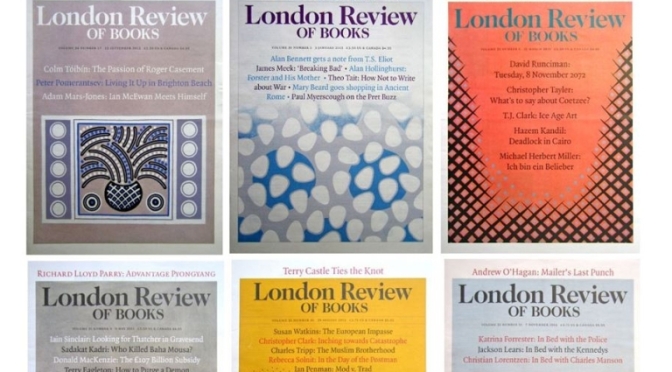
Previews: London Review Of Books – January 6, 2022
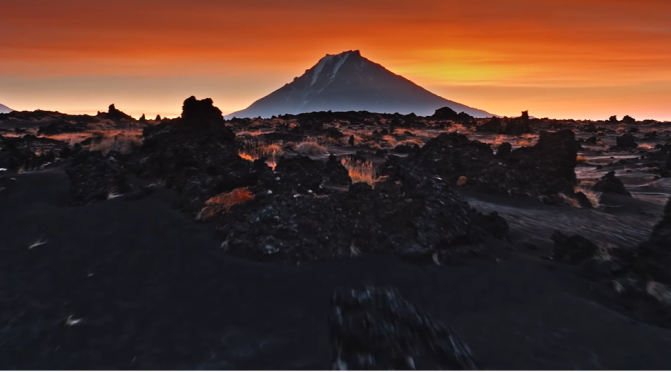
Aerial Views: Kamchatka Peninsula, Eastern Russia
Kamchatka Peninsula, also spelled Kamčatka, Russian Poluostrov Kamchatka, peninsula in far eastern Russia, lying between the Sea of Okhotsk on the west and the Pacific Ocean and Bering Sea on the east. It is about 750 miles (1,200 km) long north-south and about 300 miles (480 km) across at its widest; its area is approximately 140,000 square miles (370,000 square km).
Two mountain ranges, the Sredinny (“Central”) and Vostochny (“Eastern”), extend along the peninsula and rise to 15,584 feet (4,750 metres) in Klyuchevskaya Volcano. The trough between these mountain chains is occupied for much of its length by the Kamchatka River. Of the 127 volcanoes, 22 are still active, as are a number of geysers and hot springs. Most of the active volcanoes lie along a fault line on the eastern flank of the Vostochny Range.
The western coastlands of the Kamchatka Peninsula form a low plain crossed by many rivers and with extensive swamps, while the eastern coast is an alternation of broad gulfs and cliffed, mountainous peninsulas. A small geothermal-power station uses underground steam and is in operation near the southern end of the peninsula.
 Boomers Daily