
From an Italy Magazine article by Silvia Donati:
If the nuns of Catania’s Benedictine Convent devoted all their time to praying, the monks of the adjacent Benedictine Monastery were said to be a bit more lax about their spiritual duties. In southern Italian author Federico De Roberto’s most famous novel, I Viceré, which is very accurate in describing the social and political background of Catania in the years that followed Italy’s unification, the monks are described as carrying out the “art of Michelasso,” an Italian saying used to describe someone who, well, is idle, avoids hard work and responsibilities.
Their monastery, known as Monastero di San Nicolò l’Arena, resembled a sumptuous noble residence rather than a place where to retreat and pray to God. It was also very big, almost a city within a city, located in a panoramic position with views of the sea and the Etna volcano on what was once the acropolis of the Greek colony of Katane.
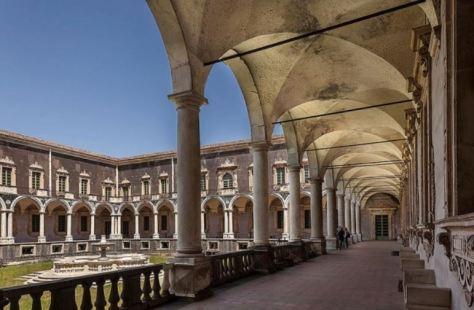
The Benedictine Monastery’s wealth was an indicator of the power the religious order had acquired, in Catania and beyond. This is still clear when you visit the complex, a maze of rooms, basements, stairs, courtyards, colonnades and very long hallways, where architectural styles from different eras superimpose on one another.
To read more click on following link: https://www.italymagazine.com/news/earthly-pleasures-and-baroque-splendor-catanias-benedictine-monastery?utm_source=ITALY+Magazine+Newsletter&utm_campaign=72762c7bd7-ITALY+Newsletter+-+January+12th+2018_COPY_01&utm_medium=email&utm_term=0_7e828ebed3-72762c7bd7-349881
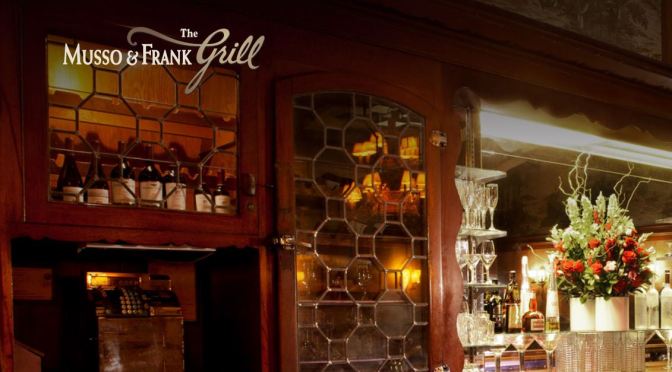
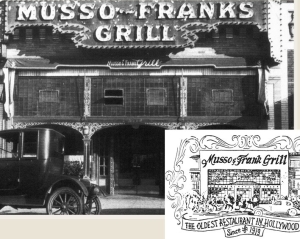 If you are among the

 If you do something simple the wrong way, that’s a one-way ticket to boredom. Case in point: Unsalted potato chips. (Just, why?!) But if you do something simple the right way, it’s like the world just makes sense. The folks at

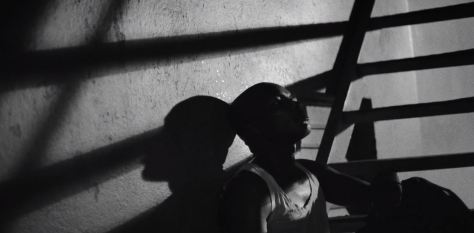


 The postwar boom made TV ubiquitous: In 1950, 3,880,000 households in America had a TV—about 9 percent of the total population. By 1960, 90 percent of all households had at least one. This was the golden age of appliance marketing for all kinds of durable goods, from cars to dishwashers, and television marketers initially took a curious tack with their wares. While the auto industry and manufacturers of coffee makers and cooktops positioned their products as accessible components of a high-tech future, the makers of television sets often sold their devices as elegant pieces of contemporary or even classic furniture.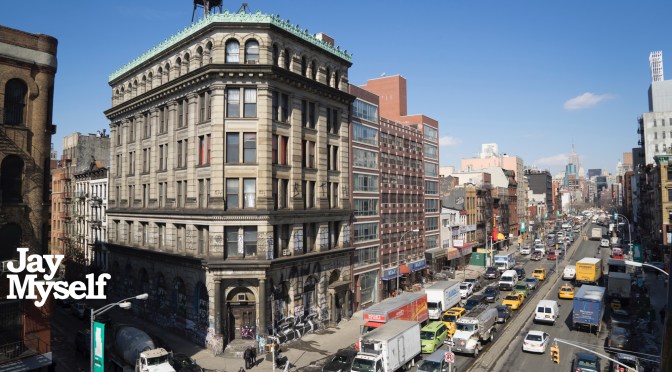
 JAY MYSELF documents the monumental move of renowned photographer and artist, Jay Maisel, who, in February 2015 after forty-eight years, begrudgingly sold his home—the 36,000 square-foot, 100-year-old landmark building in Manhattan known simply as “The Bank.” Through the intimate lens of filmmaker and Jay’s protégé, noted artist and photographer Stephen Wilkes, the viewer is taken on a remarkable journey through Jay’s life as an artist, mentor, and man; a man grappling with time, life, change, and the end of an era in New York City.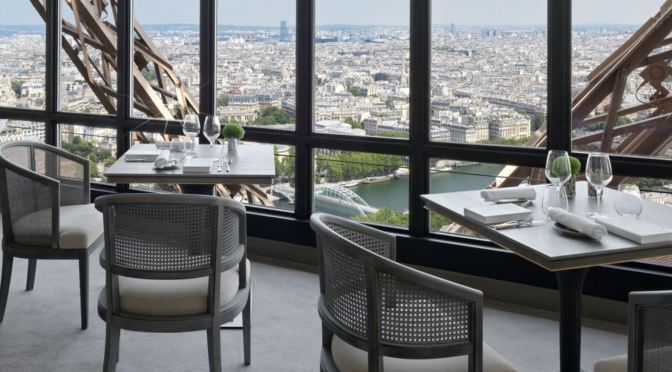
 Eating well on the Dame de Fer, a.k.a. the Iron Lady or Eiffel Tower, is tradition. When it first opened in 1889, there were already four restaurants on the first floor, tucked away in wooden pavilions. And to celebrate the landmark’s 130th birthday this year, three-Michelin-starred chef Frédéric Anton (of Le Pré Catelan in the Bois de Boulogne) will take the helm of the City of Light’s highest gastronomic destination, soaring 410 feet above the city.
 This study, combined with the results of previous studies, supports the hypothesis that engaging in morning exercise may result in more weight loss compared to engaging in a similar amount of exercise later in the day. Furthermore, we observed individuals who performed most of their exercise sessions in the afternoon or evening tended to have slightly higher levels of EI and reduced NEPA and NEEx, suggesting that there are potentially important differences in the components of energy balance based on time of day exercise is performed.


 Boomers Daily