
From an Esquire.com online article:
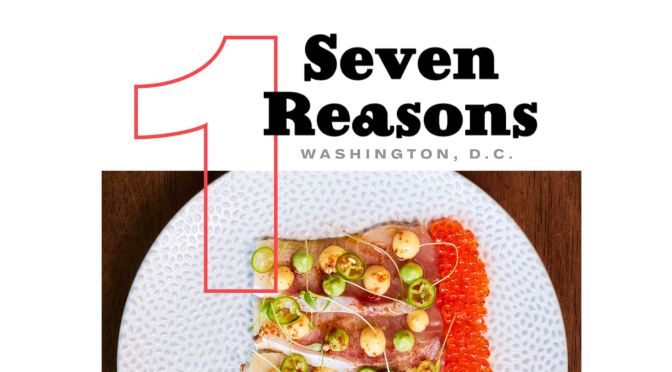
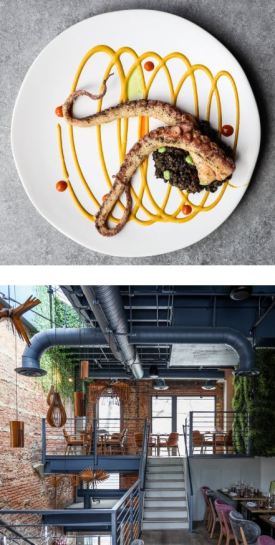 …the Latin American food and cocktails at Seven Reasons—a mountain of black rice topped with prawns and pork cheeks, a salad in which the summery tang of tomatoes has been concentrated into cubes of jelly, a platter of hamachi tiradito whose pink and green splashes of salmon roe and jalapeño could hang in an art gallery—serve up jubilation as a remedy for pain and color as a cure for the blues. Is there almost too much packed into each bite? No one’s complaining. More-is-more extravagance is what makes Seven Reasons a fiesta you never want to stop.
Ten minutes north of the White House and its sour, divisive rhetoric, immigrants are throwing a party. Unfettered joy radiates from inside Seven Reasons as you stand outside the front door, and once you enter and sit down, that joy makes itself known—proudly, defiantly—in the riot of flavors and hues that chef Enrique Limardo sends out from the kitchen. Limardo and several members of his team come from Venezuela, a country in the midst of collapse…

 Kathy O’Shaughnessy talks to Mariella about her novel charting the life of George Eliot.


 Chef’s Kitchen
 Well, with this extraordinary electric bike, I think I finally understand what Terblanche has been trying to get at all these years, and I absolutely love it. Designed and built in partnership with South African carbon wheel specialists BST, meet the all-electric Hypertek.



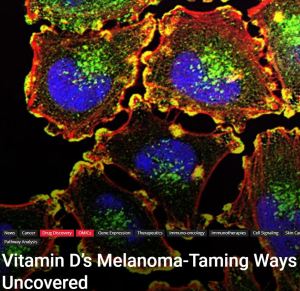 “But what’s really intriguing is that we can now see how vitamin D might help the immune system fight cancer. We know when the Wnt/beta-catenin pathway is active in melanoma, it can dampen down the immune response causing fewer immune cells to reach the inside of the tumor, where they could potentially fight the cancer better.


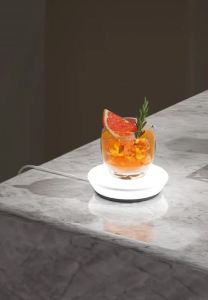 From a Yanko Design online review:


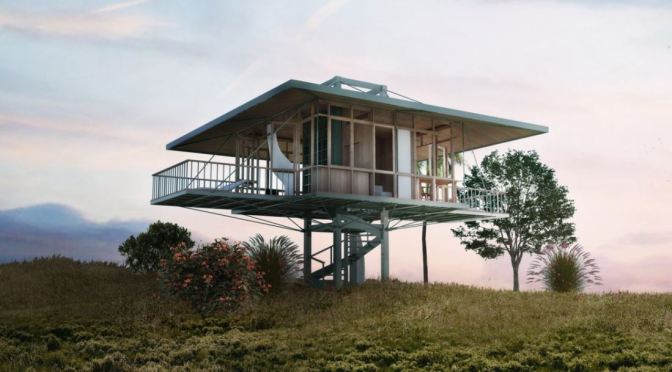
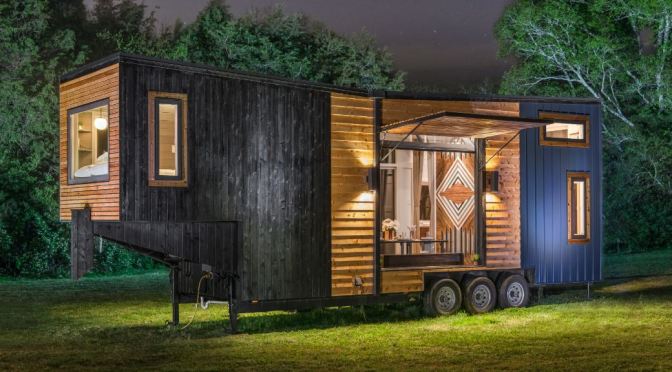
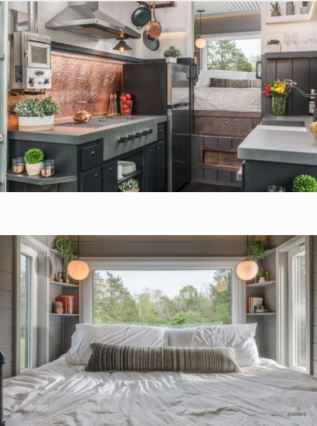
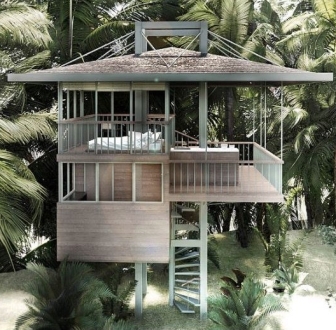 Stilt Studios are small homes on
  Boomers Daily