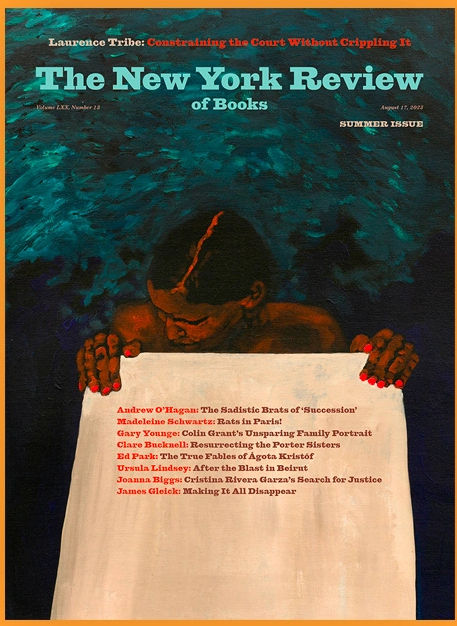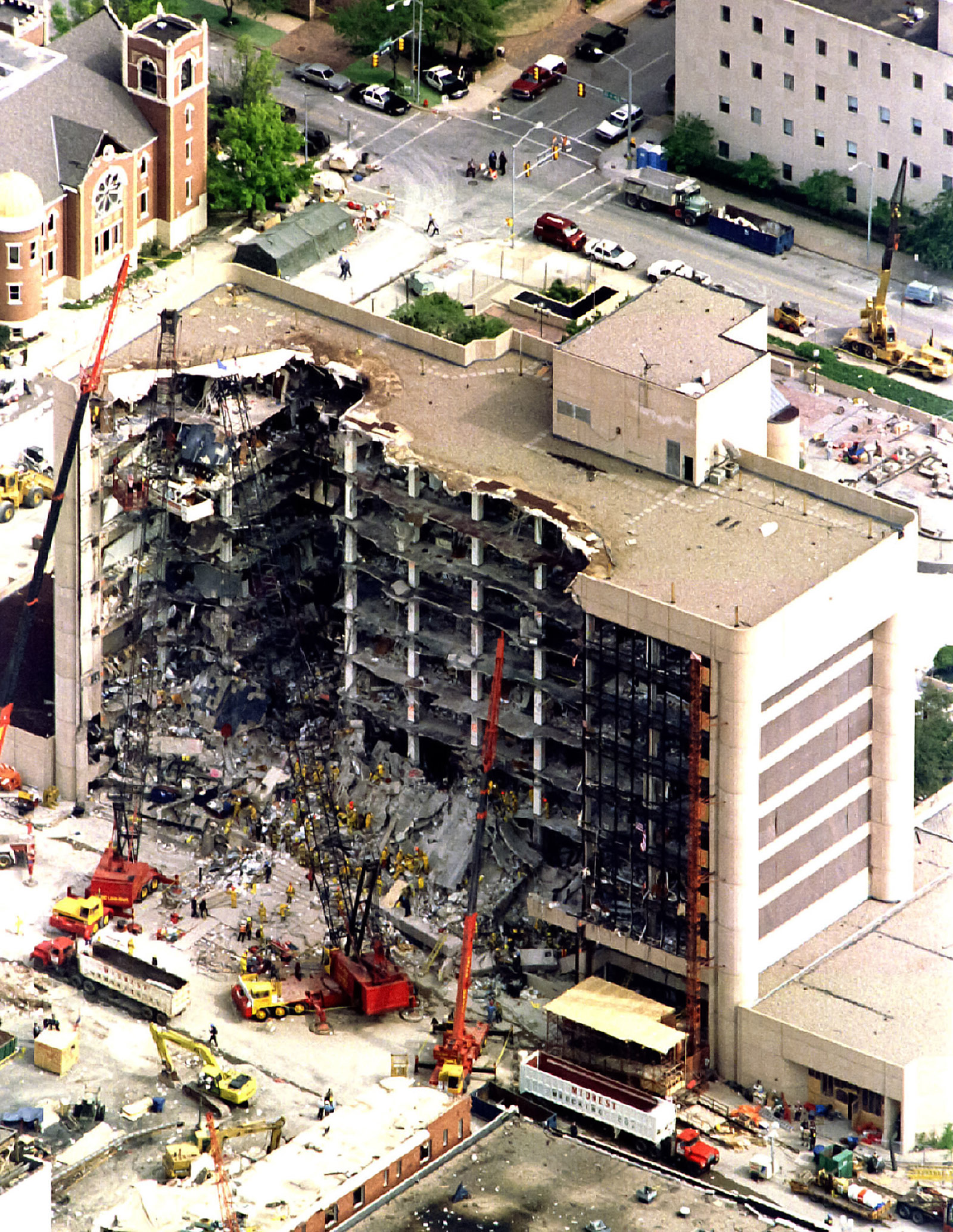

BBC Science Focus Magazine (July 2023) – What our future with Artificial Intelligence really looks like, according to the experts; How to take control of AI before it’s too late, and more…
OpenAI is back in the headlines with news that it is updating its viral ChatGPT with a new version called GPT-4. But when will this be available, how does it work and can you use it?
Artificial intelligence art generators train themselves on art pulled straight from the internet… but what happens when most of the art out there is now made by AI?
The National Gallery (July 6, 2023) – The exhibition, ‘After Impressionism: Inventing Modern Art’, celebrates the achievements of three giants of the era: Paul Cézanne, Vincent van Gogh and Paul Gauguin and follows the influences they had on younger generations of French artists, on their peers and on wider circles of artists across Europe in Barcelona, Berlin, Brussels and Vienna.
Explore a period of great upheaval when artists broke with established tradition and laid the foundations for the art of the 20th and the 21st centuries.
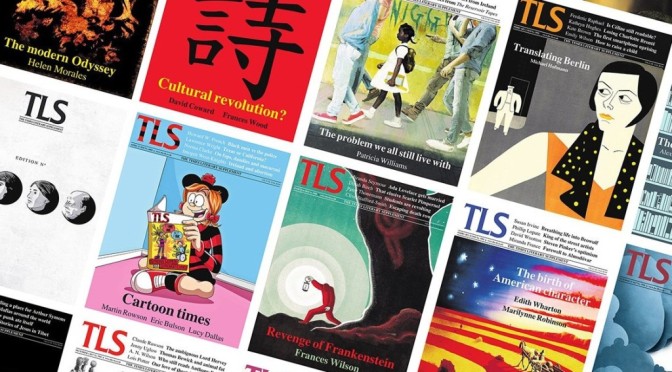
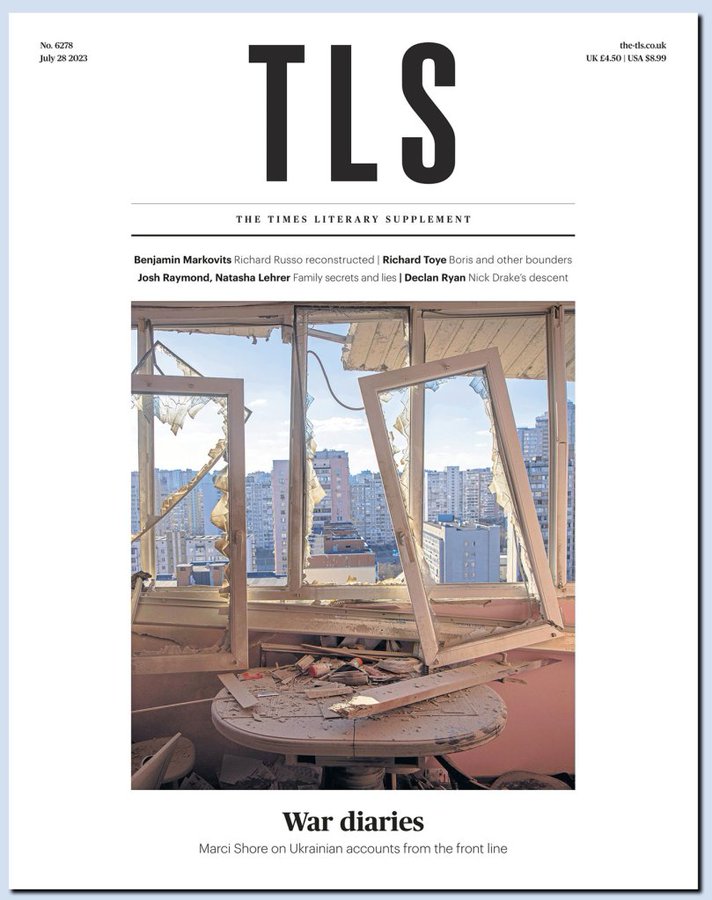
Times Literary Supplement (July 7, 2023): The national religion – NHS at seventy-five; The history of female combatants from ancient times to the present; The temptation for Romantic writers to tip into over-familiarity, and more…
In times of uncertainty, hardship or illness, re-reading a favourite novel can be a source of immense comfort. Even when we read something new, elements of familiarity – in plot, character and theme – can make us feel that the words have sprung from our subconscious. Familiarity connects us to our past and gives a sense of belonging to a community of readers. It can turn fictional characters into friends, make authors feel like confidants and render imagined settings as reassuring as a childhood home.
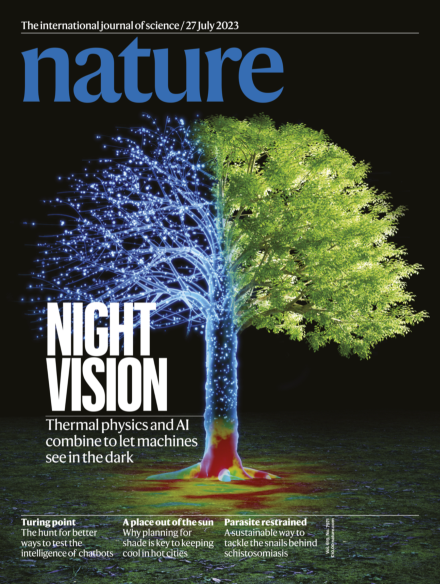
nature Magazine -July 6, 2023 issue:Shape shifters – DNA origami allows useful supramolecular structures to be created from templates. But the process has its limitations, with most structures confined to two configurations: folded or unfolded.
Humanity needs to eat less meat. Here are seven alternatives.
Would you eat a burger enriched with mealworms? Fake bacon sliced from a mass of fermented fungi? Milk proteins extruded by microbes? Maybe you already have. Dozens of companies are now banking on these alternatives to animal protein becoming a regular part of your diet.
Complexes formed from ‘nanobodies’ and an antiviral drug halt infection in its tracks.
A dynamic duo comprising an antiviral drug joined to an antibody fragment provides strong protection against the two main types of influenza that infect humans, according to research in mice.
Country Life Magazine – July 5, 2023 issue: The seashore as artistic inspiration, from Constable’s wild skies to Gormley’s lonely figures; Puffins -the parrots of the sea; A history of mermaids, and more…
A shore thing – Michael Prodger examines the seashore as artistic inspiration, from Constable’s wild skies to Gormley’s lonely figures
Meet the parrots of the sea – The colourful puffin inspires amused adoration in everyone, but the big-beaked birds have a tough side, finds Ian Morton
Tripping the light fintastic – Sinister sirens who lure sailors to their deaths or beautiful beings who drag men from watery graves? Carla Passino combs history for mention of mermaids
Literary Review – July 2023 Issue: Brushes with the Dutch Golden Age; @LauraCummingArt’s ‘Thunderclap’ – a remarkable experiment in form as well as a richly satisfying extended meditation on art, life and death’; Bismarck’s Great Gamble; Eden by Thames – The Infinite City: Utopian Dreams on the Streets of London…
The Other Pandemic: How QAnon Contaminated the World By James Ball
Back in the mists of time, great idealism surrounded social media. There was a sense that global interconnection would shift us into a more egalitarian and democratic age. How time makes fools of us all.
Thunderclap: A Memoir of Art & Life & Sudden Death By Laura Cumming
As a teenager with an interest in art, growing up on London’s Old Kent Road with a father whose mantra was ‘God gave you legs to walk’ (he didn’t believe in God but he did believe in walking), I often found myself on Sunday afternoons walking to the National Gallery in Trafalgar Square. I remember distinctly the day I discovered the Dutch painters. It wasn’t Rembrandt or Vermeer who caught my eye, but Hendrick Avercamp and, especially, Pieter de Hooch.
‘Editor’s Picks’ Podcast (July 3, 2023) – A selection of three essential articles read aloud from the latest issue of The Economist: The humbling of Vladimir Putin, how misfiring environmentalism risks harming the world’s poor (10:20) and some tips to design better flags (18:55).
The Wagner mutiny exposes the Russian tyrant’s growing weakness. But don’t count him out yet
The last pretence of Vladimir Putin to be, as he imagines, one of his nation’s historic rulers was stripped away on June 24th. A band of armed mercenaries swept through his country almost unopposed, covering some 750km (470 miles) in a single day, seizing control of two big cities and getting to within 200km of Moscow before withdrawing unharmed.
The trade-off between development and climate change is impossible to avoid
Thank goodness for the enthusiasts and the obsessives. If everyone always took a balanced view of everything, nothing would ever get done. But when campaigners’ worldview seeps into the staid apparatus of policymaking and global forums, bad decisions tend to follow. That, unfortunately, is especially true in the world of climate change.
Have you ever met a vexed vexillologist? This is someone who frets when flags are badly designed. Sadly, too many flags flutter to deceive: they are cluttered with imagery, a mess of colours and all too easily forgettable. Yet flags matter. Witness Ukraine’s blue-and-yellow banner, which now serves as a potent symbol around the world (not to mention on this newspaper’s covers).
Wall Street Journal (July 3, 2023) – Artificial intelligence doesn’t just make fantastical images. For white-collar workers, generative AI like ChatGPT can make jobs easier by creating drafts of documents or presentations.
Video timeline:0:00 AI software 0:42 Why white-collar jobs? 2:01 AI and job cuts 3:52 What’s next?
Initial images, video and product designs could be taken over by machine learning tech. In fact, one report says nearly 4,000 workers lost their jobs in May to AI. Dropbox cut 16% of its workforce in part to invest more in the tech, while IBM sees a future where 30% of clerical work could be taken over by AI.
WSJ explains why AI may take some white-collar jobs – but also add new ones.