Category Archives: Medicine

Health: American Heart Association Updates Its ‘Optimal Checklist’ (2022)

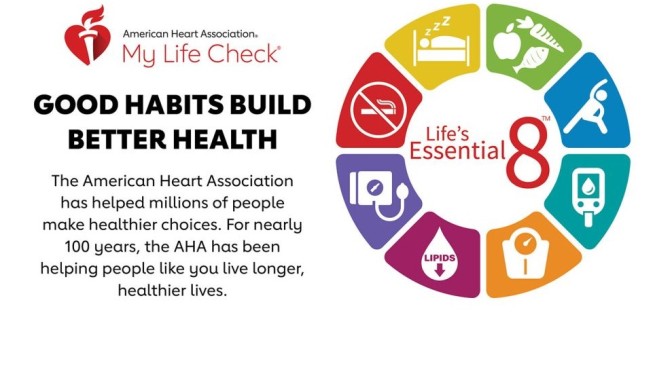
October 2022 – The American Heart Association (AHA) recently revised its checklist for achieving optimal heart health, introducing its new Life’s Essential 8. The list replaces the AHA’s decade-old Life’s Simple 7.

Sleep health is the new addition to the cardiovascular health scoring tool, which now advises that adults get seven to nine hours per night. The organization updated four of the categories:

  • Diet: More emphasis was given to following heart-healthy diets like the DASH and Mediterranean.
  • Nicotine exposure: Secondhand smoke and vaping were added as risk factors.
  • Blood lipids: People now can get a non-fasting blood sample that measures total, HDL, and non-HDL cholesterol. Non-HDL cholesterol can provide similar risk information as LDL cholesterol.
  • Blood sugar: Measurements now include hemoglobin A1c, a key component to assessing type 2 diabetes risk.
  • Three categories were unchanged:
  • Physical activity: The optimal weekly level is at least 150 minutes of moderate activity or 75 minutes of vigorous activity.
  • Body mass index (BMI): A BMI of 18.5 to 24.9 is ideal for heart health.
  • Blood pressure: Levels less than 120/80 millimeters of mercury (mm Hg) remain optimal. Stage 1 hypertension is 130 to 139 mm Hg for systolic pressure (the first number) or 80 to 89 mm Hg for diastolic pressure (the second number).
  • You can calculate your heart health score at mlc.heart.org. The guidelines were published online June 29, 2022, by Circulation.

Read more

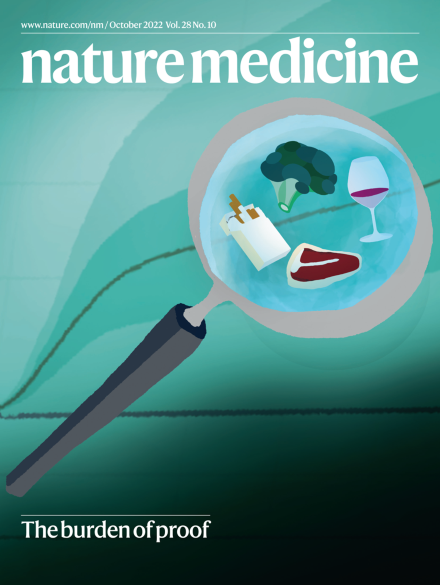
Health: Nature Medicine Magazine – October 2022

Volume 28 Issue 10

Association of step counts over time with the risk of chronic disease in the All of Us Research Program

Using electronic health records data from the All of Us Research Program, we show that higher daily step counts in data collected over several years of Fitbit fitness tracker use were associated with lower risk of common, chronic diseases, including diabetes, hypertension, gastroesophageal reflux disease, depression, obesity and sleep apnea.

Meat, vegetables and health — interpreting the evidence

Although questions remain about several diet and disease associations, current evidence supports dietary guidelines to limit red meat and increase vegetable intake.

CRISPR–Cas9 hits its target in amyloidosis

Nature Medicine explores the latest translational and clinical research news, with an analysis of Intellia and Regeneron’s gene-editing treatment, which reduced levels of transthyretin in patients.

Nature Medicine Website

Science: New Research Into Diseases Of The Brain

Take an animated look inside the neuron, and learn how scientists are addressing brain disease. With approximately 86 billion neurons in the brain, humans contain the most complex communications network imaginable. To address diseases of brain development and degeneration, neuroscientists are investigating how and why this network breaks down, and what can be done to repair it.

One area of study is dendrites, which are the tree-like structures of neurons, that receive electrical impulses. Researchers are carefully mapping out brain circuits and uncovering how connectivity changes can result in defects of the visual system or behavioral problems. The core section of the neuron is the cell body. Genetic engineering tools are revealing how mutations impact brain development and contribute to autism spectrum disorder or rare, inherited forms of neurological disease.

The transmission of nerve impulses occurs along the axon, which is insulated, much like an electrical wire, by a fatty layer called the myelin sheath. Scientists have invented a medicine to stop the immune system from mistakenly attacking this layer, which occurs during multiple sclerosis. Other molecules currently in development instruct the body to regenerate the sheath and repair damage. The axon also transports valuable cellular cargo, such as neurotransmitters, along tracks from one end of the neuron to the other.

Researchers are testing drug candidates for their ability to remove molecular traffic jams when this transport system fails, as often occurs in Parkinson’s and Alzheimer’s disease. The axon terminals make connections called synapses with other cells, using neurotransmitters as signals. Some scientists are evaluating how finely tuning the receptors for these chemicals could ease depression and anxiety.

Others are finding ways to promote the regrowth of lost synapses, which could halt neurodegeneration. From genetics to behavior, neuroscience is accelerating new interventions for the most challenging disorders of the nervous system.

Learn more: https://www.scripps.edu/

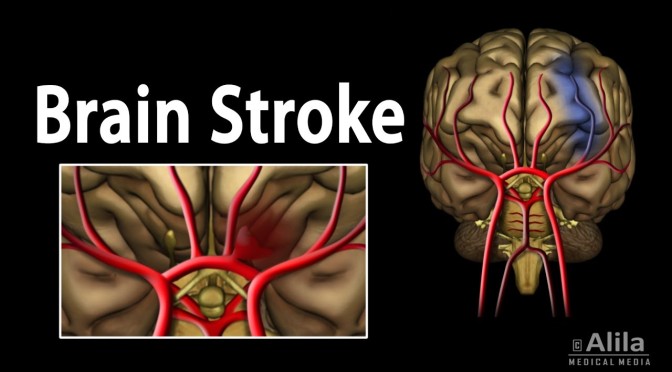
Health: Types Of Stroke – Ischemic & Hemorrhagic

There are two types of stroke:

transient ischemic attack (TIA) is sometimes called a “mini-stroke.” It is different from the major types of stroke, because blood flow to the brain is blocked for only a short time—usually no more than 5 minutes.1

Ischemic stroke

Most strokes are ischemic strokes.2 An ischemic stroke occurs when blood clots or other particles block the blood vessels to the brain.

Fatty deposits called plaque can also cause blockages by building up in the blood vessels.

Hemorrhagic stroke

A hemorrhagic stroke happens when an artery in the brain leaks blood or ruptures (breaks open). The leaked blood puts too much pressure on brain cells, which damages them.

High blood pressure and aneurysms—balloon-like bulges in an artery that can stretch and burst—are examples of conditions that can cause a hemorrhagic stroke.

Transient ischemic attack (TIA or “mini-stroke”)

For Blanche Teal-Cruise, a smoker for 40 years who also had high blood pressure, the transient ischemic attack (sometimes called a mini-stroke) she had on the way to work was a wake-up call. Read Blanche’s story.

TIAs are sometimes known as “warning strokes.” It is important to know that

  • A TIA is a warning sign of a future stroke.
  • A TIA is a medical emergency, just like a major stroke.
  • Strokes and TIAs require emergency care. Call 9-1-1 right away if you feel signs of a stroke or see symptoms in someone around you.
  • There is no way to know in the beginning whether symptoms are from a TIA or from a major type of stroke.
  • Like ischemic strokes, blood clots often cause TIAs.
  • More than a third of people who have a TIA and don’t get treatment have a major stroke within 1 year. As many as 10% to 15% of people will have a major stroke within 3 months of a TIA.1

Recognizing and treating TIAs can lower the risk of a major stroke. If you have a TIA, your health care team can find the cause and take steps to prevent a major stroke.

Medicine: Why Long Covid Is Still Not Understood

Even mild COVID-19 is at least correlated with a startlingly wide spectrum of seemingly every illness. We need a much better taxonomy to address people’s suffering.

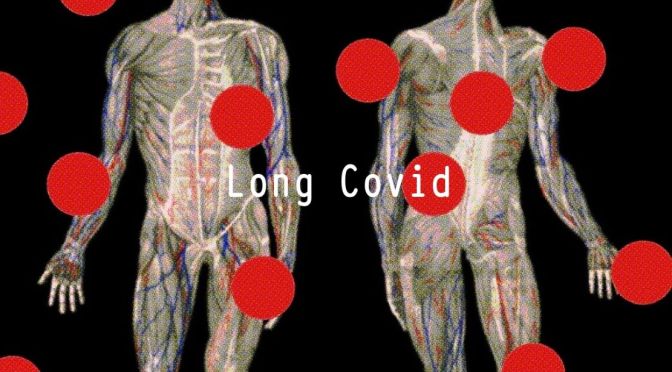
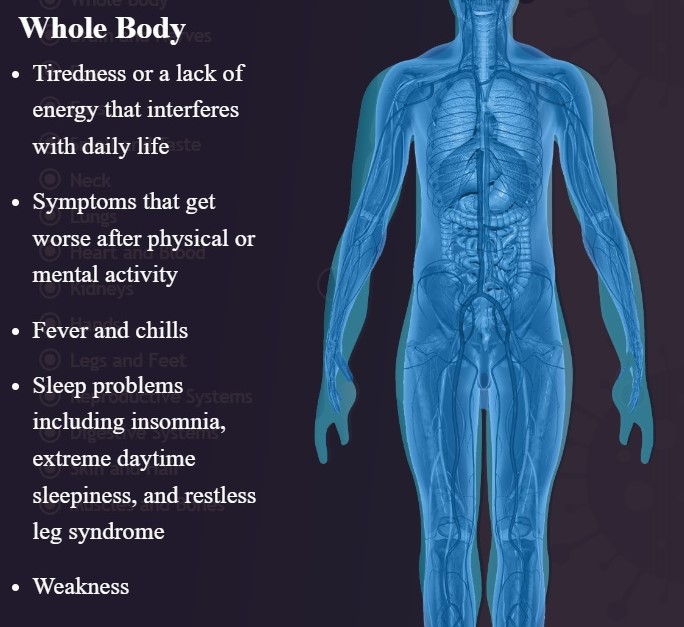
Long Covid – Whole Body Symptoms

From The Atlantic, October 5, 2022:

The cases of long covid that turn up in news reports, the medical literature, and in the offices of doctors like me fall into a few rough (and sometimes overlapping) categories. The first seems most readily explainable: the combination of organ damage, often profound physical debilitation, and poor mental health inflicted by severe pneumonia and resultant critical illness.

This serious long-term COVID-19 complication gets relatively little media attention despite its severity. The coronavirus can cause acute respiratory distress syndrome, the gravest form of pneumonia, which can in turn provoke a spiral of inflammation and injury that can end up taking down virtually every organ. I have seen many such complications in the ICU: failing hearts, collapsed lungs, failed kidneys, brain hemorrhages, limbs cut off from blood flow, and more. More than 7 million COVID-19 hospitalizations occurred in the United States before the Omicron wave, suggesting that millions could be left with damaged lungs or complications of critical illness. Whether these patients’ needs for care and rehabilitation are being adequately (and equitably) met is unclear: Ensuring that they are is an urgent priority.

Read full article at The Atlantic

Aging: How Biomarkers Help Diagnose Dementia

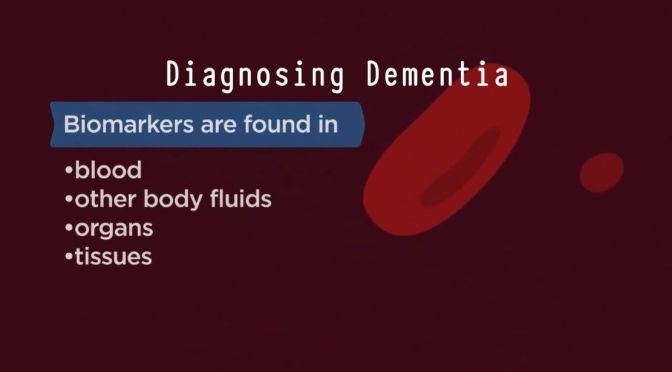
Biomarkers are measurable indicators of what’s happening in your body. They can be found in blood, other body fluids, organs, and tissues, and can be used to track healthy processes, disease progression, or even responses to a medication. Biomarkers are an important part of dementia research.

Read more

Covid-19: China Approves The First Inhaled Vaccine

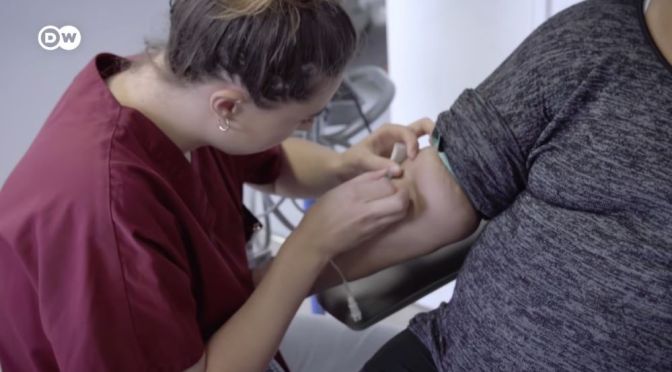
The vaccine, called Convidecia Air, changes the liquid form of the vaccine into an aerosol using a nebuilzer. The vaccine can then be inhaled through the mouth using the nebulizer machine. The needle-free vaccine “can effectively induce comprehensive immune protection in response to SARS-CoV-2 after just one breath,” Cansino said in a statement.

Fortune.com on September 5, 2022 – China’s government approved the world’s first inhaled vaccine against COVID-19, the vaccine’s maker Cansino Biologics announced on Sunday.

In July, Chinese scientists published a pre-print study showing that people who received one booster dose of Cansino’s inhaled vaccine after two doses of the inactivated jab from Chinese maker Sinovac developed more antibodies than people who received three Sinovac shots. Four weeks after receiving the inhaled booster, 92.5% of people had developed neutralizing antibodies for Omicron.

Those who got three doses on Sinovac’s jab did not demonstrate any neutralizing antibodies for Omicron, either four weeks or six months after getting a booster.

Read more

Health: How Flu Shots Lower Heart Attack Risks

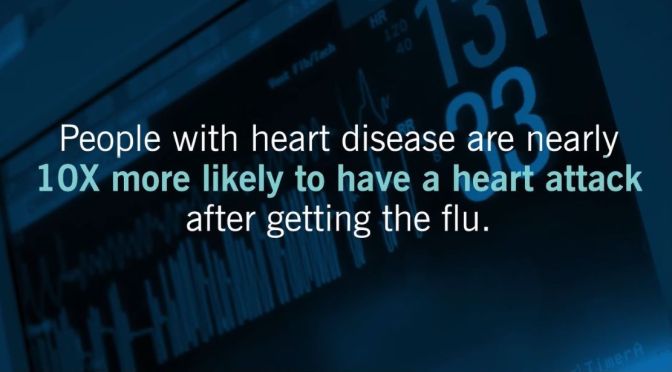
Influenza-related stress on your body can launch a negative chain of events that builds toward a heart attack. This video shares how getting a seasonal flu shot can significantly lower your risk of having a heart attack or cardiac arrest, especially if you’re in a high-risk group.

Chapters: 0:00 Can flu shots lower risk of heart attacks? 0:37 How does the flu shot lower risk of heart attacks? 1:08 Who is most at risk of having a flu related heart attack? 1:30 Why else should you get a flu shot?

Covid-19: Heart Disease Risks Rise After Infection

Image
Image

In December 2020, a week before cardiologist Stuart Katz was scheduled to receive his first COVID-19 vaccine, he came down with a fever. He spent the next two weeks wracked with a cough, body aches and chills. After months of helping others to weather the pandemic, Katz, who works at New York University, was having his own first-hand experience of COVID-19.

On Christmas Day, Katz’s acute illness finally subsided. But many symptoms lingered, including some related to the organ he’s built his career around: the heart. Walking up two flights of stairs would leave him breathless, with his heart racing at 120 beats per minute. Over the next several months, he began to feel better, and he’s now back to his normal routine of walking and cycling. But reports about COVID-19’s effects on the cardiovascular system have made him concerned about his long-term health. “I say to myself, ‘Well, is it really over?’” Katz says.

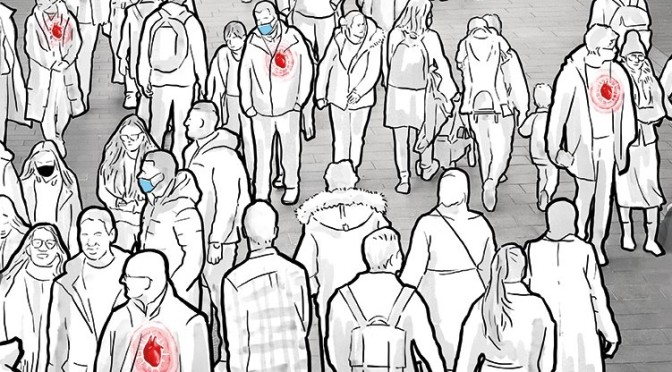
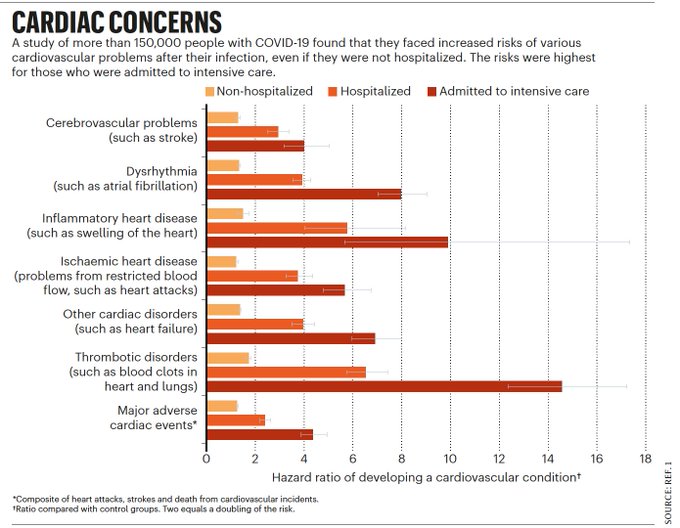
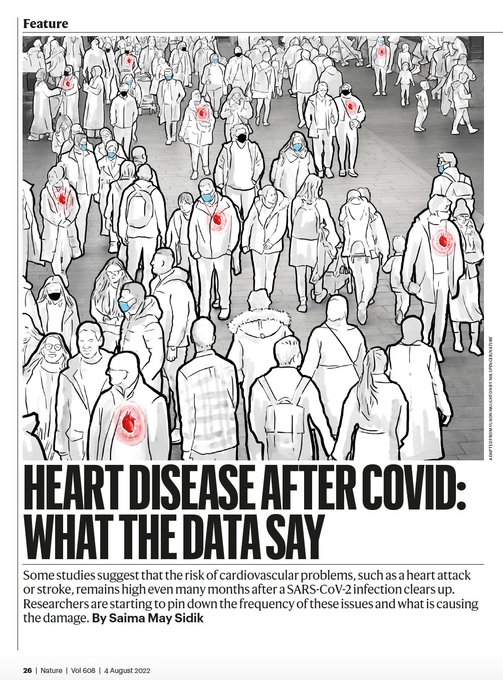
In one study1 this year, researchers used records from the US Department of Veterans Affairs (VA) to estimate how often COVID-19 leads to cardiovascular problems. They found that people who had had the disease faced substantially increased risks for 20 cardiovascular conditions — including potentially catastrophic problems such as heart attacks and strokes — in the year after infection with the coronavirus SARS-CoV-2. Researchers say that these complications can happen even in people who seem to have completely recovered from a mild infection.

Some smaller studies have mirrored these findings, but others find lower rates of complications. With millions or perhaps even billions of people having been infected with SARS-CoV-2, clinicians are wondering whether the pandemic will be followed by a cardiovascular aftershock. Meanwhile, researchers are trying to understand who is most at risk of these heart-related problems, how long the risk persists and what causes these symptoms.

Read more

Insights: The Lucrative Business Of Diabetes (2022)

In our modern consumer society, Type 2 diabetes has become a widespread disease. Companies are developing drugs that are increasingly expensive, but not necessarily more effective. Health authorities are powerless. Diabetes is spreading rapidly, all over the world. The disease destroys lives and puts a strain on public budgets.

The UN is calling on governments to take action. Diabetes is proof that modern societies are incapable of adequately treating chronic disease. It affects around 430 million people worldwide, with two main metabolic disorders falling under the name diabetes. Type 1 is an autoimmune disease that must be treated with lifelong doses of insulin, while type 2 can develop when a person’s diet is too high in fat and sugar and they do not engage in enough physical activity.

With turnover of $46 billion, diabetes is a massive and extremely lucrative market. Constantly promised miracle cures have not led to satisfactory treatment, with patients either taking too many drugs or no longer being able to afford them. It’s a desperate situation, and the only ones benefiting seem to be pharmaceutical companies. A medical focus on blood glucose levels has led to an overreliance on medication, sometimes without due concern for dangerous side effects.

Patients become trapped in a cycle of treatment, which in many cases still does not halt the disease’s progression. This can lead to amputations, blindness and heart attacks. And yet there are alternatives that could flatten the curve of the type 2 diabetes epidemic, while reducing health care spending. Improved diet can be a preventative measure, and a strict adherence to diet can also bring about remission in the case of Type 2 diabetes.

But these solutions require effort, as well as a complete rethinking of chronic disease management. Filmed on three continents, this documentary features industry whistleblowers, patients, researchers and medical professionals. It also confronts pharmaceutical companies about their responsibility for the situation.