Category Archives: Health

Medical Technology: New Artificial Intelligence (AI) Model Predicts Breast Cancer More Accurately

A new Artificial Intelligence (AI) model predicts breast cancer in mammograms more accurately than radiologists, reducing false positives and false negatives, reports a large international study from Google, Northwestern Medicine and two screening centers in the United Kingdom (U.K.).


Northwestern Medicine Logo
https://www.nm.org/

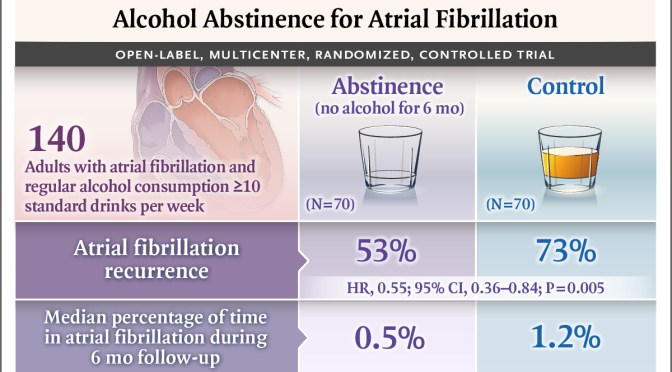
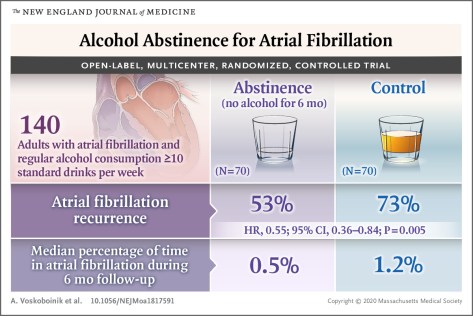
Heart Studies: Alcohol Abstinence For Atrial Fibrillation Reduces Arrhythmia (NEJM)

Alcohol Abstinence for Atrial Fibrillation New England Journal of Medicine January 1 2020

Abstinence from alcohol reduced arrhythmia recurrences in regular drinkers with atrial fibrillation. 

New England Journal of Medicine

January 2, 2020 Atrial fibrillation is the most common sustained arrhythmia,1 and alcohol is consumed by a majority of U.S. adults.2 The current study showed that among regular drinkers, a substantial reduction in alcohol consumption by patients with symptomatic atrial fibrillation was associated with a reduction in recurrence of atrial fibrillation and a reduced proportion of time spent in atrial fibrillation. Earlier meta-analyses showed that alcohol was associated with a dose-related increased risk of incident atrial fibrillation, with increased risk observed even among drinkers who consumed as few as 7 drinks per week.8 Current trends show a rise in alcohol consumption among adults older than 60 years of age,2coupled with greater prevalence of atrial fibrillation in this age group. The present study, with participants having an average intake of approximately 17 drinks per week at baseline, suggests that consumption at these levels may contribute to atrial fibrillation.

Read article

New Years Resolutions: “Stop Making Excuses Not To Exercise!!” (NY Times)

From a New York Times online article:

The New York Time logoAt the moment, about two-thirds of Americans do not meet the standard exercise guidelines of about 30 minutes a day of moderate exercise, such as walking.

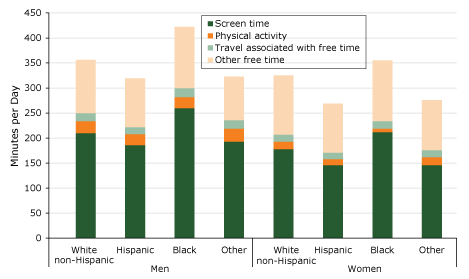
These findings might suggest that, if we adjusted our schedules and turned off the TV, phone or computer, most of us would have plenty of time to work out.

Screen Time vs Physical Activity vs Free Time Chart CDC

Almost all of the respondents — whatever their income, age, gender or ethnicity — reported about five hours a day of leisure time. Men tended to have more free time than women, older people more than the young, and African-American women the least of all. But no group reported less than about four and a half hours a day of free time.

To read more

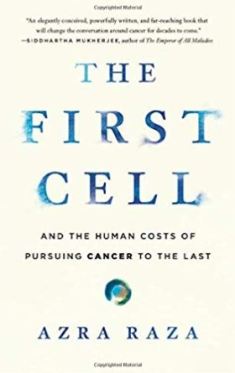
Interviews: Author Of “The First Cell” Azra Raza On Why Today’s Cancer Research Is Failing (Video)

Slash, poison, burn. That’s what a leading cancer doctor calls the protocol of The First Cell and the Human Costs of Pursuing Cancer to the last Azra Raza booksurgery, chemotherapy and radiation. We spend $150 billion each year treating cancer, yet a patient with cancer is as likely to die of it today — with a few exceptions — as one was 50 years ago. Today we spend the hour with renowned cancer doctor, Dr. Azra Raza, author of the new book, “The First Cell: And the Human Costs of Pursuing Cancer to the Last.” She argues that experiments and the funding for eradicating cancer look at the disease when it is in its later stages, when the cancer has grown and spread. Instead, she says, the focus should be on the very first stages — the first cell, as her book is titled. She says this type of treatment would be more effective, cheaper and less toxic.

To review or buy book

Dementia: Cognitive Loss Is Greatest At “Slightest Level Of Hearing Loss”

From a New York Times online article:

Hearing Loss…the researchers demonstrated that the biggest drop in cognitive ability occurs at the slightest level of hearing loss — a decline from zero to the “normal” level of 25 decibels, with smaller cognitive losses occurring when hearing deficits rise from 25 to 50 decibels.

Hearing loss is now known to be the largest modifiable risk factor for developing dementia, exceeding that of smoking, high blood pressure, lack of exercise and social isolation, according to an international analysis published in The Lancet in 2017.

the new findings on cognitive losses linked to subclinical hearing loss, gleaned from among 6,451 people age 50 or older, suggest that any degree of hearing loss can take a toll.

To read more

Healthcare: “10 Drugs And Medical Devices Approved By FDA In Dec. 2019 (BHR)

From a Becker’s Hospital Review (BHR) online release article:

10 drugs and medical devices approved by the FDA since Dec. 6:

  1. Enhertu is Japanese drugmaker Daiichi Sankyo’s drug designed to treat HER2-positive breast cancer.
  2. Padcev is Astellas Pharma’s drug designed to target specific cancer cells to treat urothelial cancers.
  3. Control-IQ Technology controller is Tandem Diabetes Care’s insulin device, designed to help diabetes patients tailor their treatments to their individual needs.
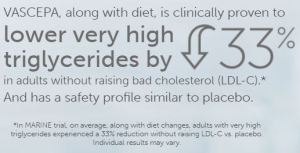
  4. Vascepa is Amarin Pharmaceuticals’ drug, a fish oil-derived pill designed to treatVascepa benefits cardiovascular events.
  5. EXALT Model D is Boston Scientific’s device, the first fully disposable duodenoscope, designed to reduce the risk of infections in patients treated with the device.
  6. Vyondys 53 is Sarepta Therapeutics’ drug designed to treat Duchenne muscular dystrophy, which the FDA had previously rejected.
  7. GSP Neonatal Creatine Kinase-MM kit is PerkinElmer’s device, used to detect Duchenne Muscular Dystrophy in newborns.
  8. Unidose liquid system is AptarGroup’s device that uses a nasal spray to treat seizures. It is the first and only nasal treatment for patients with epilepsy.
  9. Avsola is Amgen’s drug, a biosimilar of Johnson & Johnson’s Remicade. It is designed to treat rheumatoid arthritis, Crohn’s disease, plaque psoriasis, psoriatic arthritis and ankylosing spondylitis.
  10. cobas vivoDx is Roche Molecular Systems’ device, designed to diagnose MRSA hours faster than traditional tests.

Becker's Hosptial Review logo

To read article at Becker’s Hospital Review

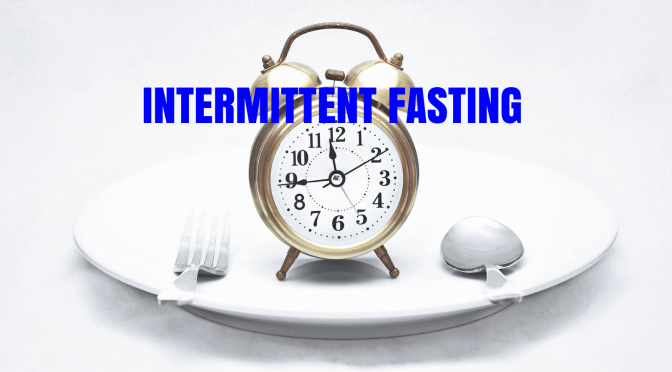
Health: 60-Year Old “B-D” Editor Launches “18-Hour Intermittent Fasting” Diet Study For 2020’s Decade

Following the important publishing of “The Benefits Of Intermittent Fasting” study by Johns Hopkins in the New England Journal of Medicine on December 26, 2019, the 60-year old editor of Boomers-Daily.com (“B-D”) will launch, participate in, and document a decade-long, 18-Hour Intermittent Fasting Diet on December 30, 2019. The following protocol will be followed:

  • All daily food consumption will be between 10 am and 4 pm
  • Diet will be followed 7 days a week
  • High fiber, nutrition-dense foods will be favored
  • Gluten-free and Lactose-free foods will be favored
  • Eating will NOT be calorie-restricted
  • Bedtime target of 7:30 to 8:30 pm (or earlier) every night
  • 7-8+ hours of sleep per night a PRIORITY
  • Early morning vigorous exercise daily of 1 – 1 1/2 hours targeted

All readers of Boomers-Daily.com are encouraged to communicate with B-D and launch their own 18-hour Intermittent Fasting Diet (the 6-hour eating period can be varied 1-2 hours later or earlier). Please email boomersdaily@gmail.com to join the study, comment or inquire about this or your own 18-Hour Intermittent Fasting Diet. We will be looking to start an online chat room and other online platforms to increase the size, scope, visibility and transparency of the study over the next decade.

12-26-19  Intermittent Fasting: Live ‘Fast,’ Live longer? (infographic).png.png

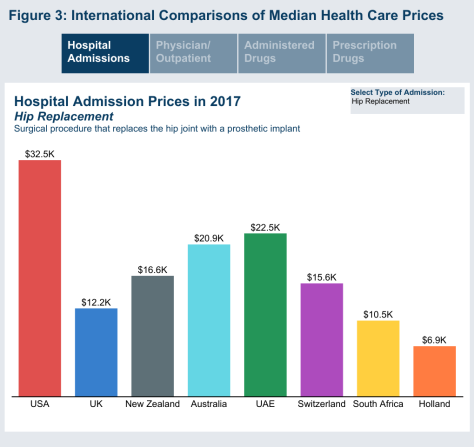
Healthcare: U.S. “Total Hip Replacement” Costs Were $32.5K In 2017, Up To 4 Times The Cost In Europe (Chart)

From a Health Care Cost Institute (HCCI) release (12/17/19):

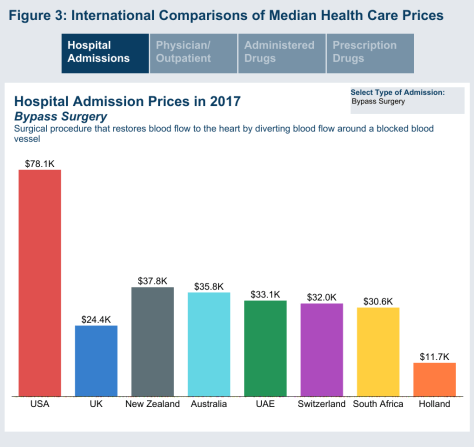
iFHP 2017 prices Hip Replacement Costs in USA, UK, New Zealand, Australia, UAE, Switzerland, South Africa and Holland Health Costs Institute December 2019 chart


  • Holland had the lowest prices for hip and knee replacements with prices less than 25% of the US price. Prices for hip and knee replacements in the United Arab Emeritus (UAE) were the closest to the US at 71% of the price.

Read more


New Studies: Beneficial Effects Of “18-Hour Intermittent Fasting” On Health And Aging (NEJM)

From a New England Journal of Medicine online release:

In humans, intermittent-fasting interventions ameliorate obesity, insulin resistance, dyslipidemia, hypertension, and inflammation. Intermittent fasting seems to confer health benefits to a greater extent than can be attributed just to a reduction in caloric intake.

Evidence is accumulating that eating in a 6-hour period and fasting for 18 hours can trigger a metabolic switch from glucose-based to ketone-based energy, with increased stress resistance, increased longevity, and a decreased incidence of diseases, including cancer and obesity.

The New England Journal of Medicine Logo

Preclinical studies and clinical trials have shown that intermittent fasting has broad-spectrum benefits for many health conditions, such as obesity, diabetes mellitus, cardiovascular disease, cancers, and neurologic disorders. Animal models show that intermittent fasting improves health throughout the life span, whereas clinical studies have mainly involved relatively short-term interventions, over a period of months.
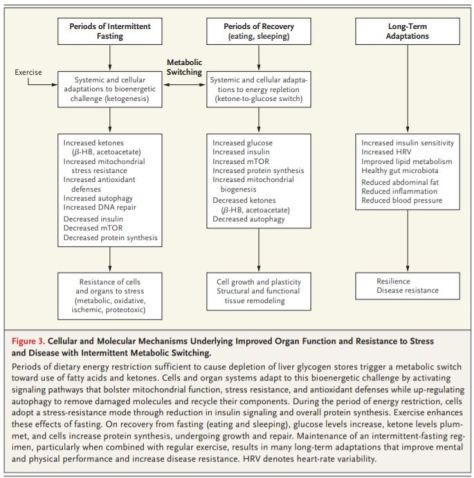
Effects of Intermittent Fasting on Health, Aging, and Disease New England Journal of Medicine December 26 2019

BOOMERS-DAILY.COM “18-HOUR INTERMITTENT FASTING DIET” STUDY

How much of the benefit of intermittent fasting is due to metabolic switching and how much is due to weight loss? Many studies have indicated that several of the benefits of intermittent fasting are dissociated from its effects on weight loss. These benefits include improvements in glucose regulation, blood pressure, and heart rate; the efficacy of endurance training; and abdominal fat loss.

To read more

Inline image