
From a Technology Networks online article:
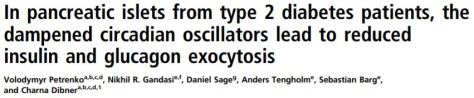
 By comparing the pancreatic cells of type 2 diabetic human donors with those of healthy people, researchers at the University of Geneva (UNIGE) and at the University Hospitals of Geneva (HUG), Switzerland, were able to demonstrate, for the first time, that the pancreatic islet cells derived from the Type 2 Diabetic human donors bear compromised circadian oscillators.
The disruption of the circadian clocks was concomitant with the perturbation of hormone secretion. Moreover, using clock modulator molecule dubbed Nobiletin, extracted from lemon peel, the researchers succeeded in “repairing” the disrupted cellular clocks and in partial restoring of the islet cell function. These results, published in the Proceedings of the National Academy of Sciences of the United States, provide a first insight into innovative approach for diabetes care.
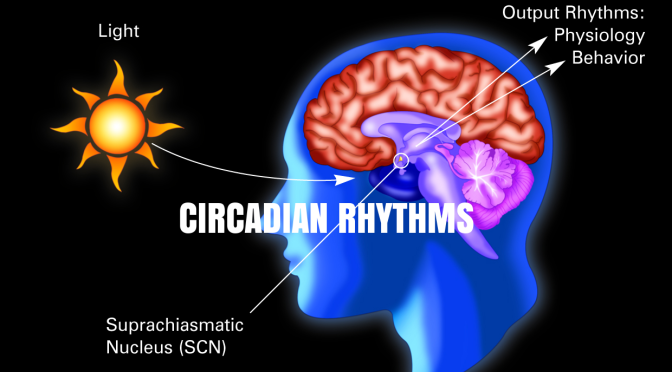
The circadian clock system (from Latin “circa diem”, about a day) allows the organisms to anticipate periodical changes of geophysical time, and to adjust to these changes. Nearly all the cells in our body comprise molecular clocks that regulate and synchronize metabolic functions to a 24-hour cycle of day-night changes.
Today, increasing evidence show that disturbances in our internal clocks stemming from frequent time zone changes, irregular working schedules or ageing, have a significant impact on the development of metabolic diseases in human beings, including type-2 diabetes. Such disturbances seem to prevent the proper functioning of the cells in the pancreatic islet that secrete insulin and glucagon, the hormones that regulate blood sugar levels.

 calories from a restaurant, but eating out is a recipe for meals of poor nutritional quality in most cases, according to a new study by researchers at the
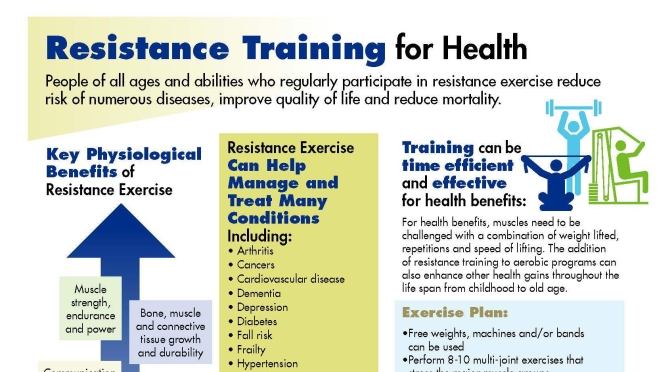
 The 10 year CVD (cardiovascular disease) incidence increased significantly across the baseline SMI (skeletal muscle mass index) tertiles (p<0.001). Baseline SMM (Skeletal muscle mass) showed a significant inverse association with the 10 year CVD incidence (HR 0.06, 95% CI 0.005 to 0.78), even after adjusting for various confounders. Additionally, participants in the highest SMM tertile had 81% (95% CI 0.04 to 0.85) lower risk for a CVD event as compared with those in the lowest SMM tertile.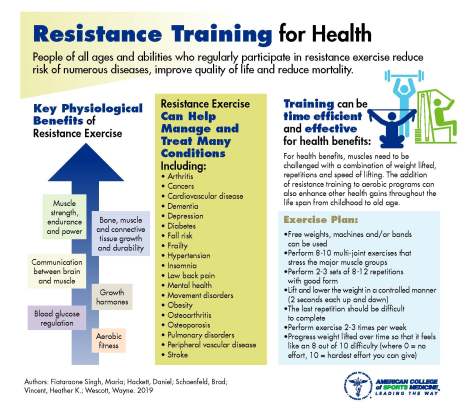
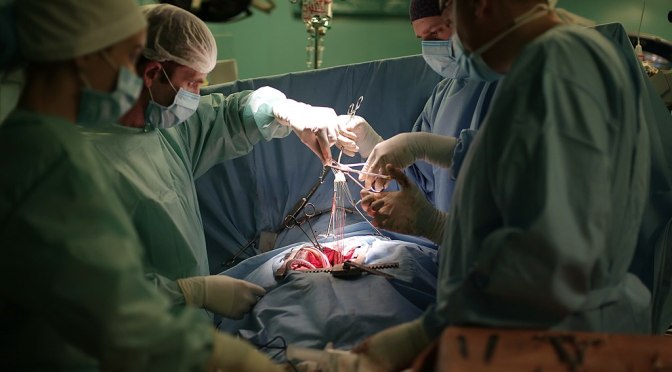
 “Patients can go home after a shorter length of stay in the hospital without increased risk of complications and rehospitalizations,” said Dr. Malaisrie. “Because we found no detrimental effect of accelerated discharge, both patients and physicians should not be averse to discharging patients when medically ready.”

 This week on Prognosis, we look at one startup that’s trying to redesign care for some of the most vulnerable patients, taking into account the complex realities of their lives. The company is trying to improve care for people and communities the medical system often fails – and it believes that fixing those failures will not only make people healthier, it will also save money.

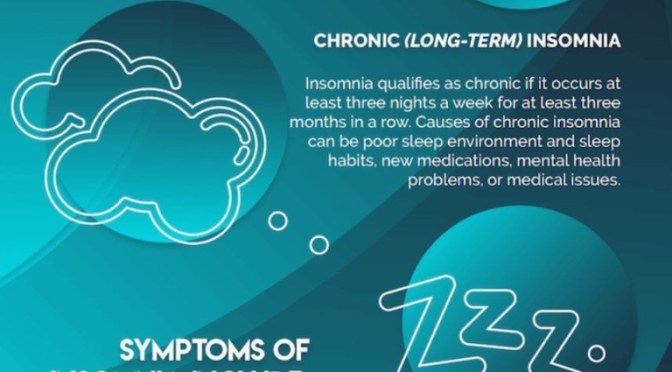
 can develop a conditioned fear of not being able to sleep, which puts them in a state of hyperarousal when they attempt to fall asleep. This makes their inability to sleep a self-fulfilling prophecy.
 Listen to a chat with Julia Adler-Milstein, the author of an editorial that comments on a recent Annals of Internal Medicine study detailing the amount of time clinicians typically spend hunched over their EHRs during a patient visit.
 Boomers Daily