
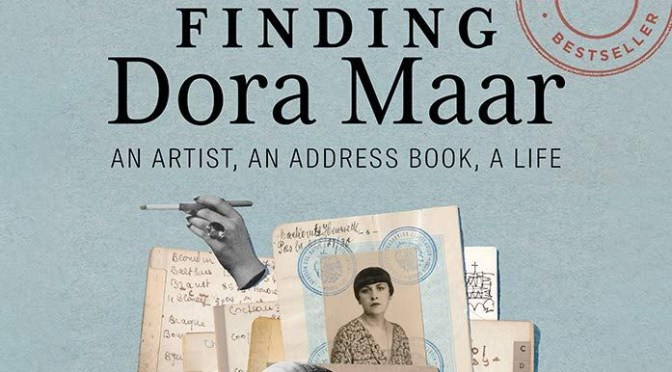
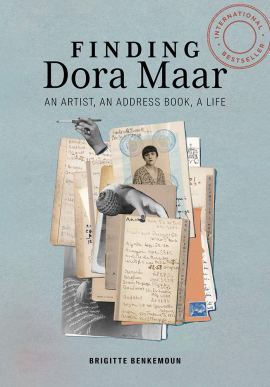
 In search of a replacement for his lost Hermès agenda, Brigitte Benkemoun’s husband buys a vintage diary on eBay. When it arrives, she opens it and finds inside private notes dating back to 1951—twenty pages of phone numbers and addresses for Balthus, Brassaï, André Breton, Jean Cocteau, Paul Éluard, Leonor Fini, Jacqueline Lamba, and other artistic luminaries of the European avant-garde.
After realizing that the address book belonged to Dora Maar—Picasso’s famous “Weeping Woman” and a brilliant artist in her own right—Benkemoun embarks on a two-year voyage of discovery to learn more about this provocative, passionate, and enigmatic woman, and the role that each of these figures played in her life.
Longlisted for the prestigious literary award Prix Renaudot, Finding Dora Maar is a fascinating and breathtaking portrait of the artist.
Brigitte Benkemoun is a journalist and writer. She is the author of La petite fille sur la photo (2012) and Albert le Magnifique (2016). Jody Gladding is a poet and translator. She has translated some thirty books from French, including, most recently, Roland Barthes’s Album: Unpublished Correspondence and Texts (2018), Michel Pastoureau’s Yellow: The History of a Color (2019), and Jean Giono’s Occupation Journal (2020).
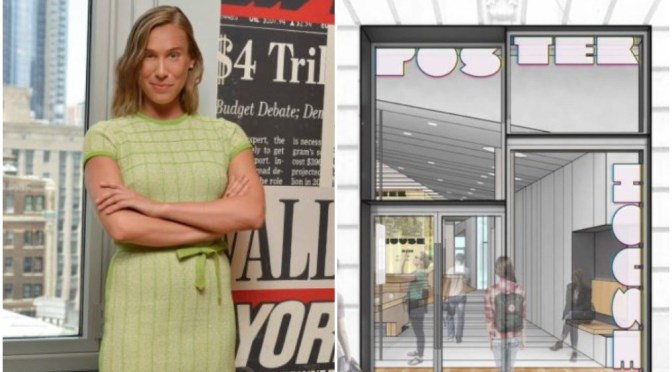
 When New York City’s Poster House museum had to close its doors in early March, director Julia Knight wondered how the institution could support the city.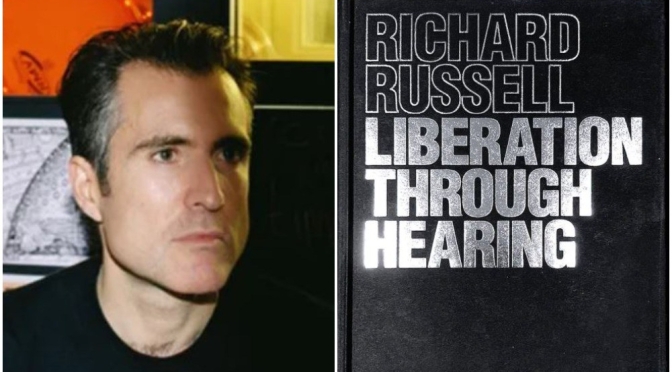
 “Monocle On Culture” speaks to Richard Russell, head of XL Recordings about his brand new book and his incredible career producing records for everyone from Damon Albarn to Bobby Womack, his life in New York that kicked everything off and the unusual start of his collaboration with Gil Scott Heron.
 The story of the restoration of Sir John Soane’s Museum in Lincoln’s Inn Fields. Filmed over a period of 6 years, it traces the research, the discoveries and the skills that made transforming this magical place possible. This third episode reveals the painstaking work that went into restoring artworks within the Museum, and the legacy of the project.

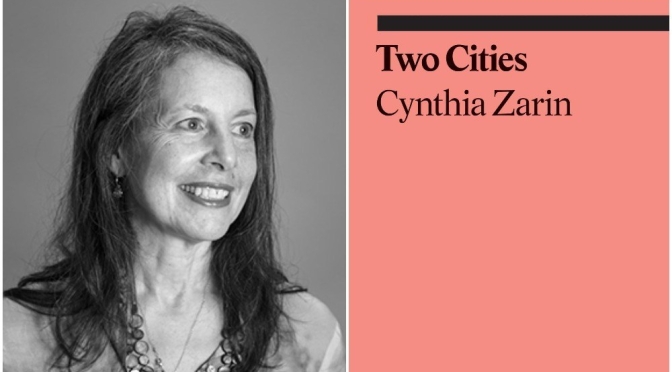
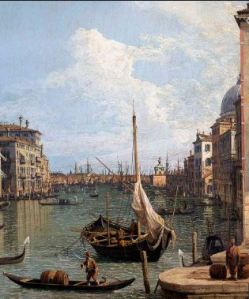 A conversation with the acclaimed poet and New Yorker writer Cynthia Zarin that transports us to two of her favorite cities, Venice and Rome, in a celebration of Italy as the country begins to loosen the longest coronavirus-related lockdown in Europe. The episode features evocative readings from her forthcoming book,Two Cities, which captures the meditative yet constantly surprising nature of travel from a deeply personal point of view.

 Boomers Daily